Brussel Sprouts Live Plant in 4″ Pot – Fresh Annual Vegetable for Home Garden
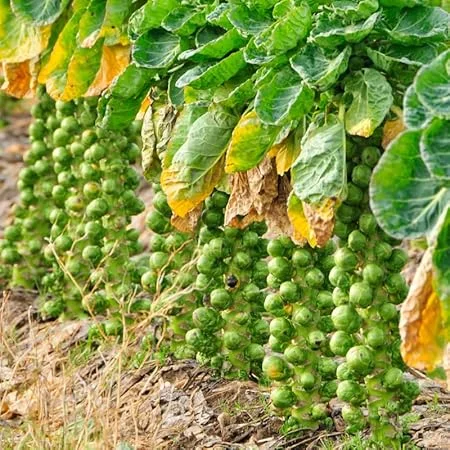
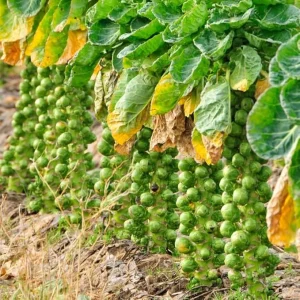
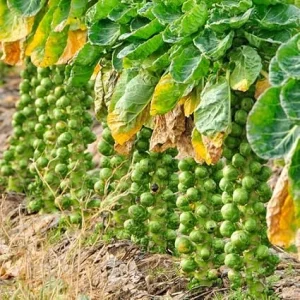
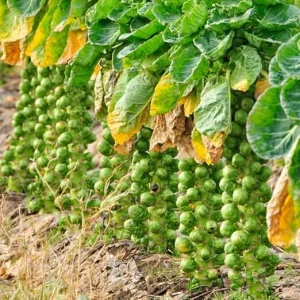
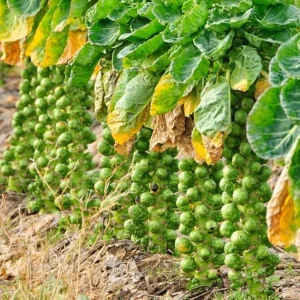
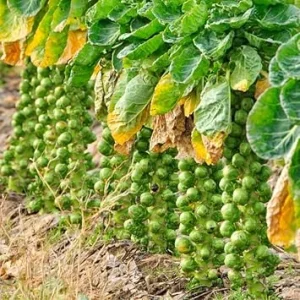
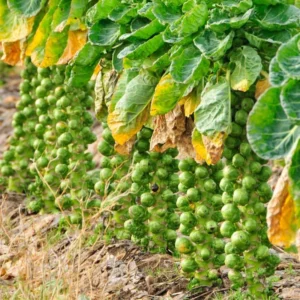
Brussel Sprouts Live Plant in 4″ Pot – Fresh Annual Vegetable for Home Garden
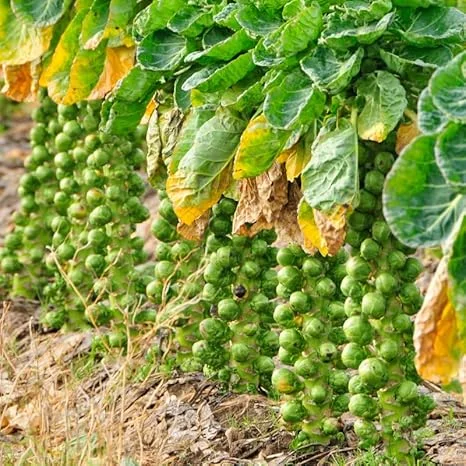
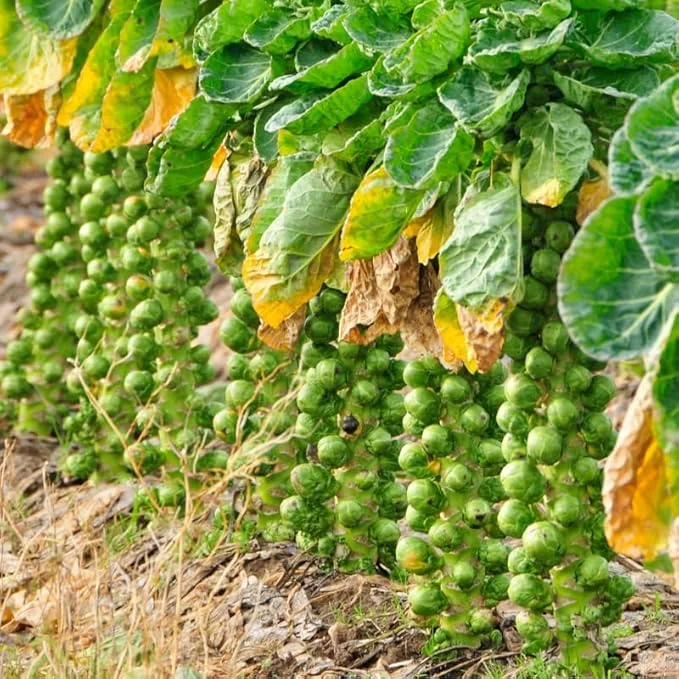
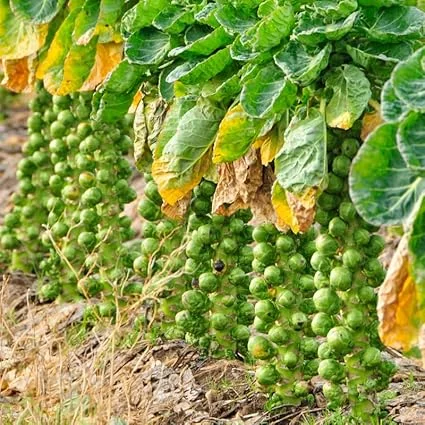
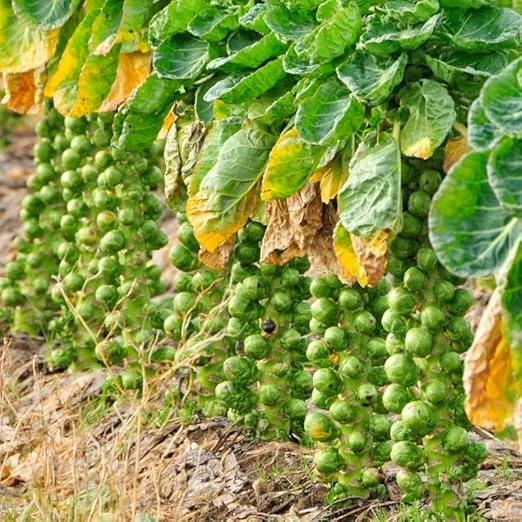
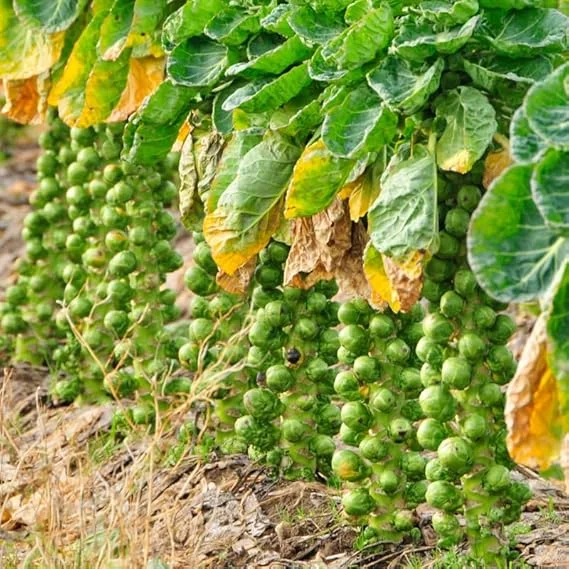
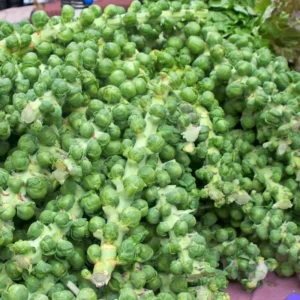
Start your own vegetable garden with a brussel sprouts live plant, delivered in a 4″ pot. This annual vegetable plant is ideal for growing fresh, nutritious brussel sprouts at home. Enjoy the satisfaction of harvesting your own cool season vegetable.
$41.78

With our Alive & Thrive Guarantee, we’ve got your back for the first 30 days! If you have any concerns about your plants, just reach out to us. Our team is here to help answer your questions and guide you in selecting the best plants for your garden, climate, and unique preferences. We're excited to help you create the garden of your dreams!
Estimated arrival
Mar 31
Apr 05 - Apr 07
Apr 10 - Apr 14

Product Details
-
USDA Hardiness Zone
USDA zones 3-9 (as an annual) -
Soil type
Rich, well-drained soil -
Sunlight Exposure
Full Sun -
Expected Planting Period
Early spring to mid-summer
Overview
Cultivate your own delicious and highly nutritious vegetables with this brussel sprouts live plant. Arriving in a convenient 4-inch pot, this plant is ready for transplanting into your home garden, raised beds, or containers. Brussel sprouts (Brassica oleracea var. gemmifera) are a beloved cool-season vegetable, known for their compact, cabbage-like buds that grow along a thick stem. This particular variety is selected for its robust growth and excellent flavor, providing a rewarding gardening experience for both novice and experienced growers. Enjoy the freshness and superior taste of homegrown produce, knowing exactly where your food comes from.
Growing your own brussel sprouts is a fantastic way to introduce fresh, healthy ingredients into your diet. This live plant offers a head start, ensuring a strong beginning for your harvest. It’s an excellent choice for anyone looking to embrace sustainable living and enjoy the bounty of their own backyard. The satisfaction of nurturing a plant from transplant to harvest is unmatched, and with brussel sprouts, you’re guaranteed a flavorful reward.
Key Benefits
Bringing a brussel sprouts live plant into your garden offers numerous advantages, from culinary delight to personal satisfaction. These plants are not only productive but also add an interesting visual element to your vegetable patch.
- Fresh, Homegrown Produce: Experience the unparalleled taste and texture of brussel sprouts picked directly from your garden. Homegrown vegetables often have a superior flavor profile compared to store-bought options, providing a gourmet experience right at your dinner table.
- Nutritional Powerhouse: Brussel sprouts are packed with vitamins K and C, fiber, and antioxidants. Growing your own ensures you have a constant supply of these healthy vegetables, contributing to a balanced and nutritious diet for your family.
- Gardening Satisfaction: There’s immense joy and satisfaction in cultivating your own food. Watching your brussel sprouts live plant grow and eventually harvest your crop is a rewarding endeavor that connects you with nature and the food you eat.
- Cool-Season Resilience: As a cool season vegetable, brussel sprouts thrive in milder temperatures, making them perfect for fall and early spring planting. This allows you to extend your gardening season and enjoy fresh produce when other plants might be winding down.
- Easy to Grow for Beginners: While they require consistent care, brussel sprouts are relatively straightforward to grow, making them an excellent choice for those new to vegetable gardening. With the right conditions, you’ll achieve a successful harvest.
- Versatile Culinary Uses: From roasting to steaming or sautéing, brussel sprouts are incredibly versatile in the kitchen. Having a fresh supply means you can experiment with various recipes and enjoy this delightful vegetable in many forms.
- Supports Healthy Eating Habits: Having fresh vegetables readily available in your garden encourages healthier eating choices for the entire household, making it easier to incorporate more greens into daily meals.
Plant Care & Growing Tips
Ensuring your brussel sprouts live plant thrives requires attention to a few key growing conditions. These plants prefer cooler weather and consistent moisture to produce the best sprouts. Proper care will lead to a bountiful and delicious harvest.
Sunlight Requirements: Brussel sprouts need full sun exposure, meaning at least 6-8 hours of direct sunlight per day. Choose a location in your garden that receives ample sun throughout the day. While they can tolerate some partial shade, too little sun will result in leggy plants and smaller, less dense sprouts. Ensure your annual vegetable plant gets adequate light for optimal growth.
Watering: Consistent watering is crucial for brussel sprouts. The soil should be kept consistently moist but not waterlogged. Water deeply, especially during dry spells, aiming to provide about 1 to 1.5 inches of water per week, either from rain or irrigation. Uneven watering can lead to bitter sprouts or premature bolting. Always check the soil moisture before watering; the top inch of soil should feel dry before you water again.
Soil Type and Drainage: Brussel sprouts prefer rich, well-drained soil with a pH between 6.0 and 7.0. Amending your garden soil with plenty of organic matter, such as compost or well-rotted manure, will improve fertility and drainage. Good drainage is essential to prevent root rot, while rich soil provides the necessary nutrients for strong growth and good sprout development. This creates an ideal environment for growing brussel sprouts.
Temperature Range and USDA Hardiness Zone: Brussel sprouts are a cool season vegetable and perform best in temperatures between 45°F and 75°F (7°C to 24°C). They can tolerate light frosts, which can even improve their flavor. In most regions, they are grown as an annual. For specific USDA hardiness zone information, refer to local gardening resources, but generally, they are planted in early spring for a summer harvest or mid-to-late summer for a fall/winter harvest. They are often grown as an annual in zones 3-9.
Fertilization: Begin by incorporating a balanced slow-release fertilizer into the soil at planting time. Once the plants are established and about 12-18 inches tall, you can side-dress them with a nitrogen-rich fertilizer every 3-4 weeks to promote leafy growth and sprout development. Avoid over-fertilizing with nitrogen too late in the season, as this can encourage leafy growth at the expense of sprout formation.
Common Problems and Solutions: Watch out for common pests like cabbage worms, aphids, and flea beetles. Organic pest control methods, such as hand-picking worms, using insecticidal soap for aphids, or deploying row covers, can be effective. Diseases like powdery mildew or clubroot can be mitigated by ensuring good air circulation, proper soil drainage, and rotating crops annually. Consistent brussel sprouts plant care will help prevent most issues.
Size & Details
This brussel sprouts live plant is shipped in a 4-inch nursery pot, providing a healthy root system ready for transplanting. At the time of delivery, the plant will typically stand between 4 to 8 inches tall, depending on its growth stage. Brussel sprouts plants generally grow to a mature height of 2 to 3 feet (60-90 cm) and can be about 1 to 1.5 feet (30-45 cm) wide, forming a sturdy central stalk with numerous sprouts. The plant’s growth rate is moderate, with sprouts typically ready for harvest 90-110 days after transplanting.
This product includes one live plant, carefully packaged to ensure safe arrival. It is an annual vegetable plant, meaning it completes its life cycle within one growing season. The ideal planting time is typically in early spring for a summer harvest, or mid-to-late summer for a fall or early winter harvest, depending on your local climate. Expect your plant to produce abundant, delicious sprouts under proper growing conditions.
Frequently Asked Questions
- Q: How big does this brussel sprouts live plant get? A: This plant is shipped in a 4-inch pot and will typically grow to a mature height of 2 to 3 feet tall and about 1 to 1.5 feet wide in your garden. The size can vary slightly based on growing conditions and care.
- Q: What size pot does it come in? A: The brussel sprouts live plant arrives in a standard 4-inch nursery pot, perfectly sized for safe transport and immediate transplanting into your garden or a larger container.
- Q: Is this an indoor or outdoor plant? A: Brussel sprouts are primarily an outdoor vegetable plant. They require full sun and cool temperatures to thrive and produce sprouts. While they can be started indoors, they need to be moved outdoors for full growth and harvest.
- Q: How much sunlight does this cool season vegetable need? A: This plant requires at least 6-8 hours of direct sunlight per day, so choose a sunny location in your garden. Full sun exposure is critical for the development of dense, flavorful sprouts.
- Q: Is this plant easy to care for? A: Yes, growing brussel sprouts is considered moderately easy. They require consistent watering, rich soil, and full sun. With basic care, even beginner gardeners can achieve a successful harvest.
- Q: What condition will it arrive in? A: Your annual vegetable plant will be carefully packaged to ensure it arrives healthy and ready for planting. It will be a live plant with a developed root system in a 4-inch pot.
- Q: How long until I can harvest brussel sprouts? A: Brussel sprouts are typically ready to harvest 90-110 days after transplanting. The exact timing can depend on your local climate and growing conditions.
- Q: When is the best time to plant this brussel sprouts live plant? A: The best time to plant is in early spring for a summer harvest, or in mid-to-late summer for a fall/early winter harvest, taking advantage of the cooler growing seasons.
- Q: Will it survive winter in my zone? A: Brussel sprouts are typically grown as an annual. While they can tolerate light frosts, they will not survive harsh winters in most climates. They are a cool season vegetable, so plan your planting accordingly.
- Q: Do I need to fertilize my brussel sprouts plant? A: Yes, fertilizing is beneficial. Incorporate organic matter at planting and consider side-dressing with a nitrogen-rich fertilizer every 3-4 weeks once the plant is established to support strong growth.
Related products
-20%
Original price was: $35.00.$28.00Current price is: $28.00.
-78%
Original price was: $39.99.$8.99Current price is: $8.99.
-20%
Original price was: $36.00.$28.80Current price is: $28.80.
-20%
Original price was: $36.00.$28.80Current price is: $28.80.
-10%
Original price was: $29.99.$26.99Current price is: $26.99.
-22%
Original price was: $160.99.$125.99Current price is: $125.99.
PLANTING & CARE

The Comprehensive Guide to Growing Bay Leaf Plants for a Flavorful Garden
Imagine stepping into your garden, greeted by the earthy aroma of fresh bay leaves, their
09
Feb
Feb

How to Make Comfrey Tea: The Ultimate Organic Plant Food
Growing an organic garden can be surprisingly expensive, especially when most store-bought fertilizers come in
02
Feb
Feb

True Comfrey: 7 Essential Tips Before You Plant This Herb
A staple in permaculture practices across the US, True Comfrey easily earns its reputation as
27
Jan
Jan

7 Heart-Shaped Plants for a Lasting Valentine’s Gift
If you’ve ever bought a bouquet of roses for Valentine’s Day, you know they are
26
Jan
Jan

Best Types of Ivy Plant for Houses: How to Choose the Perfect Ones for Your Home
Are you a garden lover looking to introduce some greenery into your home? Maybe you’ve
14
Nov
Nov

When to Harvest Garlic (Especially Fall-Planted Garlic)
TIMING IS EVERYTHING, they say – and for garlic, that truth hits with surprising accuracy.
13
Nov
Nov

11 of the Best Sweet Potato Varieties to Grow for Your Garden
If you’ve ever tried growing sweet potatoes, you know that picking the right variety can
12
Nov
Nov
Pruning Bougainvillea for Winter
Bougainvillea vines are known for their dazzling display of magenta, orange, and fuchsia bracts that
05
Nov
Nov