Bunny Ears Cactus Live Plant – Opuntia Microdasys Albispina – 2 inch Potted
-50%
Bunny Ears Cactus Live Plant – Opuntia Microdasys Albispina – 2 inch Potted
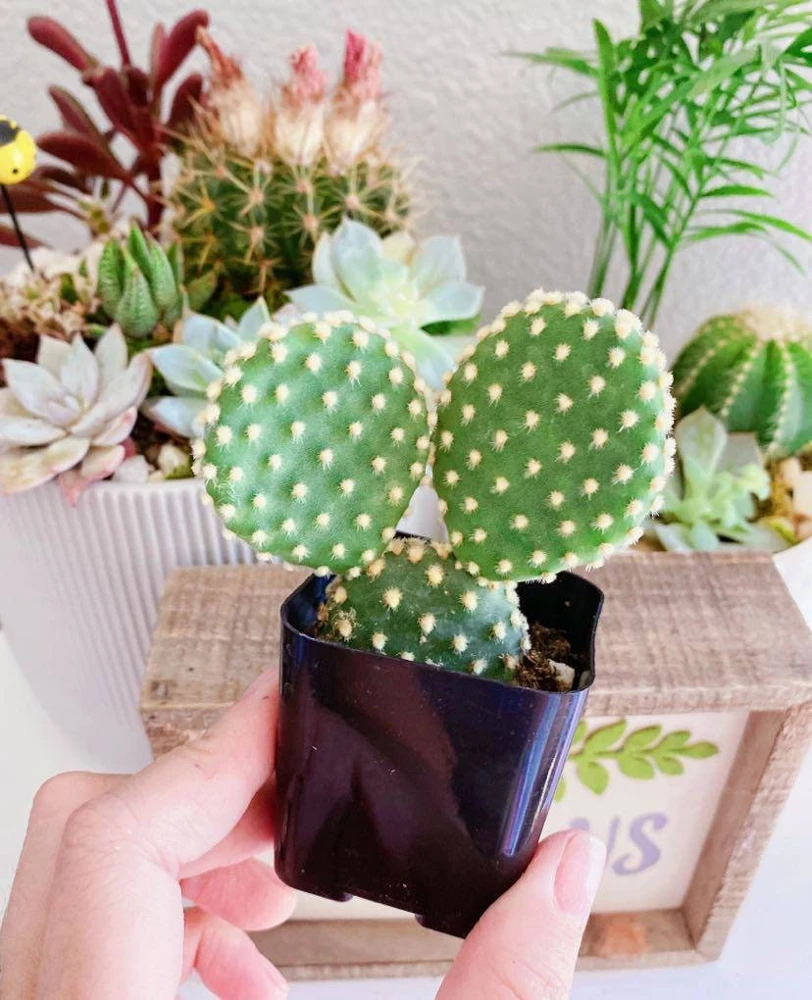
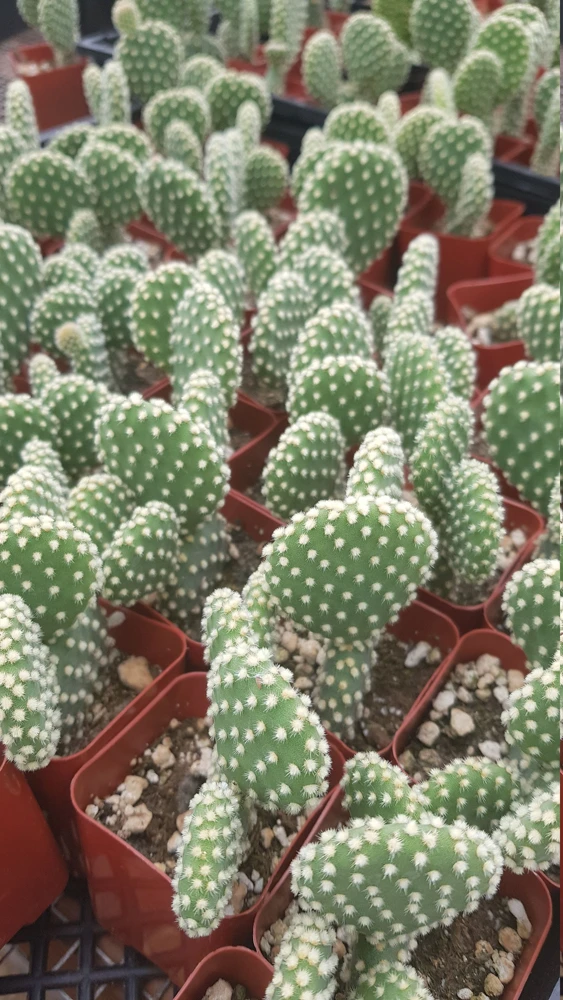
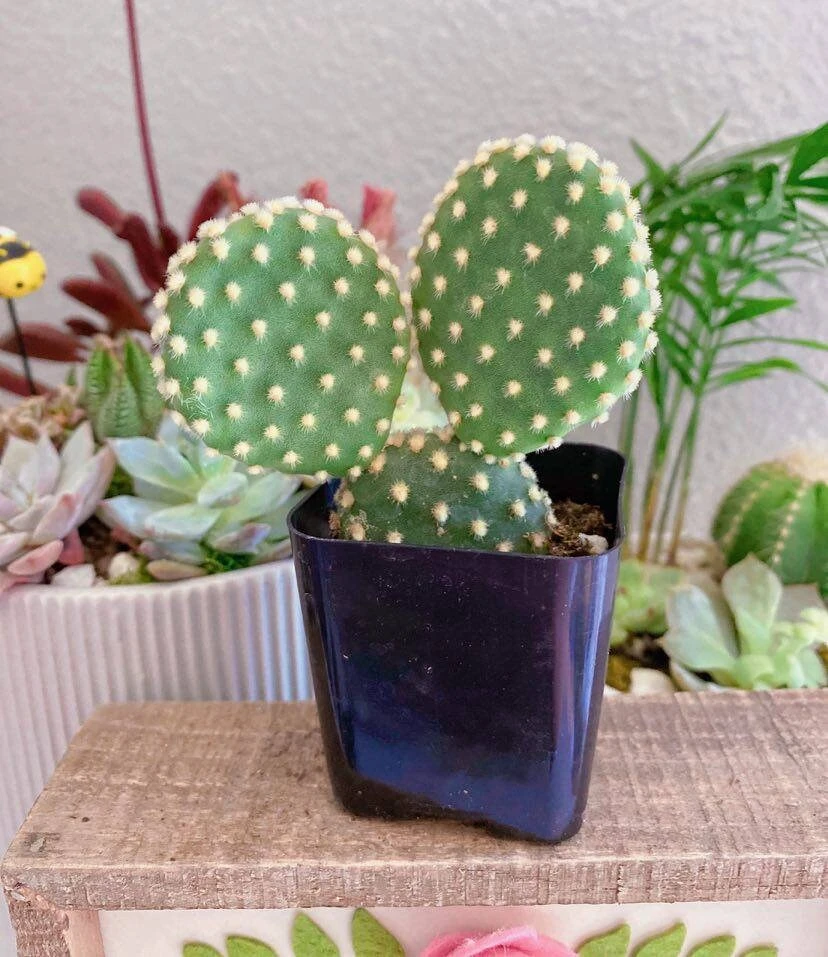
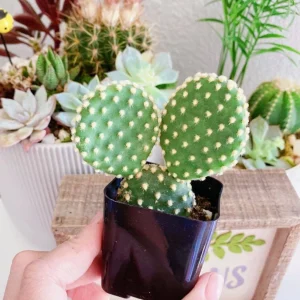
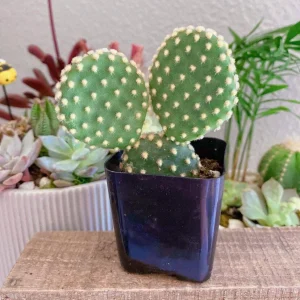
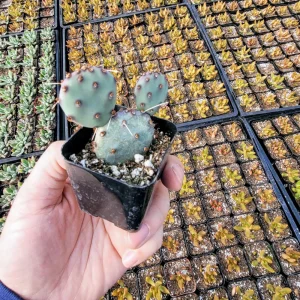
Bring home a delightful bunny ears cactus live plant (Opuntia Microdasys Albispina) in a 2-inch pot. This charming succulent houseplant is known for its unique, spineless pads resembling bunny ears, making it a perfect decorative accent or addition to terrariums.
From Original price was: $32.00.$16.00Current price is: $16.00.

With our Alive & Thrive Guarantee, we’ve got your back for the first 30 days! If you have any concerns about your plants, just reach out to us. Our team is here to help answer your questions and guide you in selecting the best plants for your garden, climate, and unique preferences. We're excited to help you create the garden of your dreams!
Estimated arrival
Oct 14
Oct 19 - Oct 21
Oct 24 - Oct 28
Product Details
-
USDA Hardiness Zone
USDA zones 9–11 -
Soil type
Well-draining cactus or succulent potting mix -
Sunlight Exposure
Full sun to bright indirect light -
Expected Planting Period
Year-round indoors
Overview
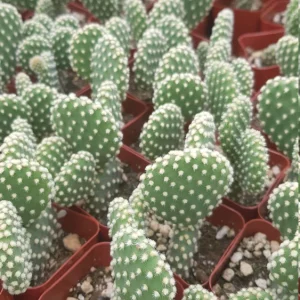
Introduce a touch of desert charm to your home with the adorable bunny ears cactus live plant (Opuntia Microdasys Albispina). This unique succulent, often referred to as ‘White Angel Prickly Pear,’ is beloved for its distinctive, spineless pads that resemble a rabbit’s ears. Originating from Mexico, this variety of Opuntia microdasys is particularly striking with its dense clusters of white glochids (tiny hair-like spines) that give it a soft, fuzzy appearance, hence the ‘White Angel’ moniker. Each bunny ears cactus live plant arrives as a healthy, thriving specimen in a 2-inch pot, ready to be displayed or repotted. It’s an ideal choice for both seasoned succulent collectors and beginners, offering low-maintenance beauty and a fascinating growth habit. Perfect for windowsills, desks, or as part of a larger succulent arrangement, this plant promises to be a conversation starter and a delightful addition to any indoor garden.
The opuntia microdasys albispina is a relatively small and compact cactus, making it suitable for various indoor settings. Its unique form and minimal care requirements make it an excellent choice for crafting projects like terrariums, vertical planters, or even as charming wedding favors. The plant’s pads grow in segments, often forming new ‘ears’ that branch off, creating an ever-evolving sculptural display. Its resilience and adaptability contribute to its popularity as a houseplant, ensuring that with proper care, your White Angel Prickly Pear will flourish and bring joy for years to come. Embrace the whimsical beauty of this captivating succulent.
Key Benefits
The bunny ears cactus live plant offers a multitude of benefits that make it a highly desirable choice for any plant enthusiast. Its ease of care and unique aesthetic appeal are just the beginning of what this charming succulent has to offer.
- Unique Aesthetic Appeal: The distinctive, pad-like stems resembling bunny ears, especially the ‘White Angel’ variety with its soft white glochids, create an eye-catching and whimsical display. It adds a playful yet elegant touch to any interior decor.
- Low Maintenance: This succulent houseplant is incredibly forgiving and requires minimal attention, making it perfect for busy individuals or those new to plant care. It thrives on neglect, needing infrequent watering and basic light conditions.
- Drought Tolerant: As a desert native, the opuntia microdasys albispina is highly adapted to dry conditions. It stores water in its pads, allowing it to go for long periods without watering, reducing the risk of overwatering.
- Versatile Decor Piece: Its compact size and unique form make it suitable for a wide range of decorative applications, from small desk plants to terrariums, fairy gardens, and even as thoughtful gifts or party favors.
- Air Purifying Qualities: Like many houseplants, the bunny ears cactus contributes to a healthier indoor environment by helping to filter airborne toxins and improve air quality, albeit modestly.
- Beginner-Friendly: Its robust nature and simple care routine make it an excellent choice for novice plant parents looking to build their green thumb confidence with a successful growing experience.
- Pet-Safe (with caution): While not toxic if ingested, the glochids can be irritating. However, the plant itself is not poisonous, making it a relatively safe option for homes with pets, though placement should be considered to avoid contact with the tiny spines.
Plant Care & Growing Tips
Caring for your bunny ears cactus live plant is straightforward, ensuring it remains a vibrant and delightful addition to your home. The key to a thriving opuntia microdasys albispina lies in replicating its natural arid environment as closely as possible. This means focusing on light, water, and well-draining soil.
Sunlight Requirements: This cactus thrives in bright light. Ideally, place your white angel prickly pear in a location where it can receive at least 6 hours of direct sunlight per day. A south-facing window is often perfect for indoor placement. If direct sun is too intense or causes scorching, provide bright indirect light. Insufficient light can lead to etiolation, where the plant stretches and becomes leggy in search of brighter conditions. If growing outdoors in suitable climates (USDA zones 9-11), full sun is preferred, but protect it from extreme afternoon heat in very hot regions.
Watering Schedule: The most common mistake with cacti is overwatering. Allow the soil to dry out completely between waterings. During the growing season (spring and summer), water thoroughly until water drains from the bottom of the pot, then wait until the soil is bone dry before watering again. In fall and winter, reduce watering significantly, perhaps once a month or even less, as the plant enters a dormant period. The soil should look and feel dry to the touch before rewatering. Always use a pot with drainage holes to prevent root rot.
Soil Type and Drainage: Excellent drainage is paramount for this succulent houseplant. Use a specialized cactus or succulent potting mix, or create your own by combining regular potting soil with ample amounts of perlite, pumice, or coarse sand. A good ratio is 1 part potting soil to 1 part perlite/pumice. This ensures that excess water quickly drains away and the roots do not sit in soggy conditions. If kept indoors, planting in a well-draining terracotta pot can also help wick away moisture.
Temperature Range and Hardiness: The bunny ears cactus live plant prefers warm temperatures, ideally between 70-100°F (21-38°C). It can tolerate cooler temperatures down to 20°F (-6°C) for short periods, but it is best protected from frost. If grown outdoors, it is generally hardy in USDA zones 9-11. For indoor cultivation, maintain average room temperatures and protect from cold drafts.
Fertilization: Fertilize sparingly during the active growing season (spring and summer). Use a balanced liquid houseplant fertilizer diluted to half strength, or a specialized cactus fertilizer, once per month. Avoid fertilizing during the dormant winter months. Over-fertilization can lead to leggy growth and other issues.
Common Problems: Watch out for mealybugs or spider mites, which can be treated with insecticidal soap. The primary issue is root rot due to overwatering, so ensure proper drainage and watering practices. Some imperfections on pads can occur during shipping, but new growth will typically be healthy.
Size & Details
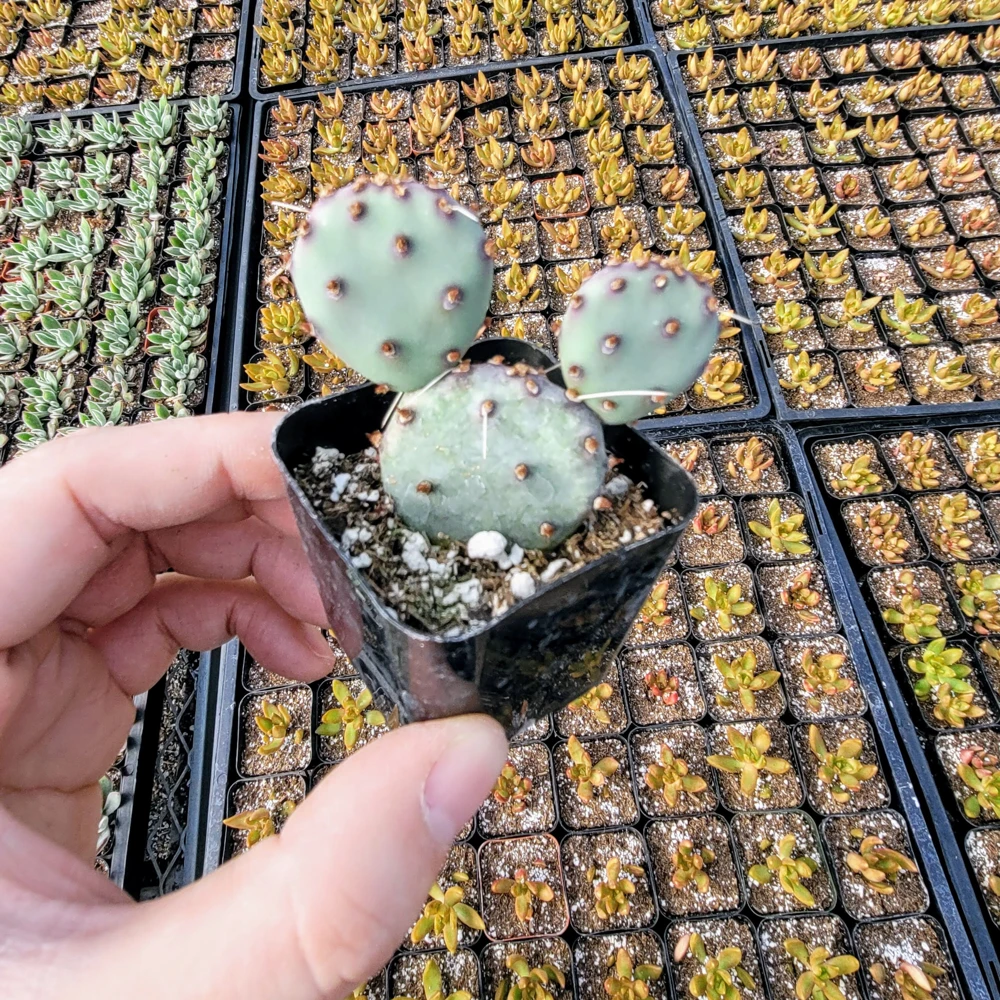
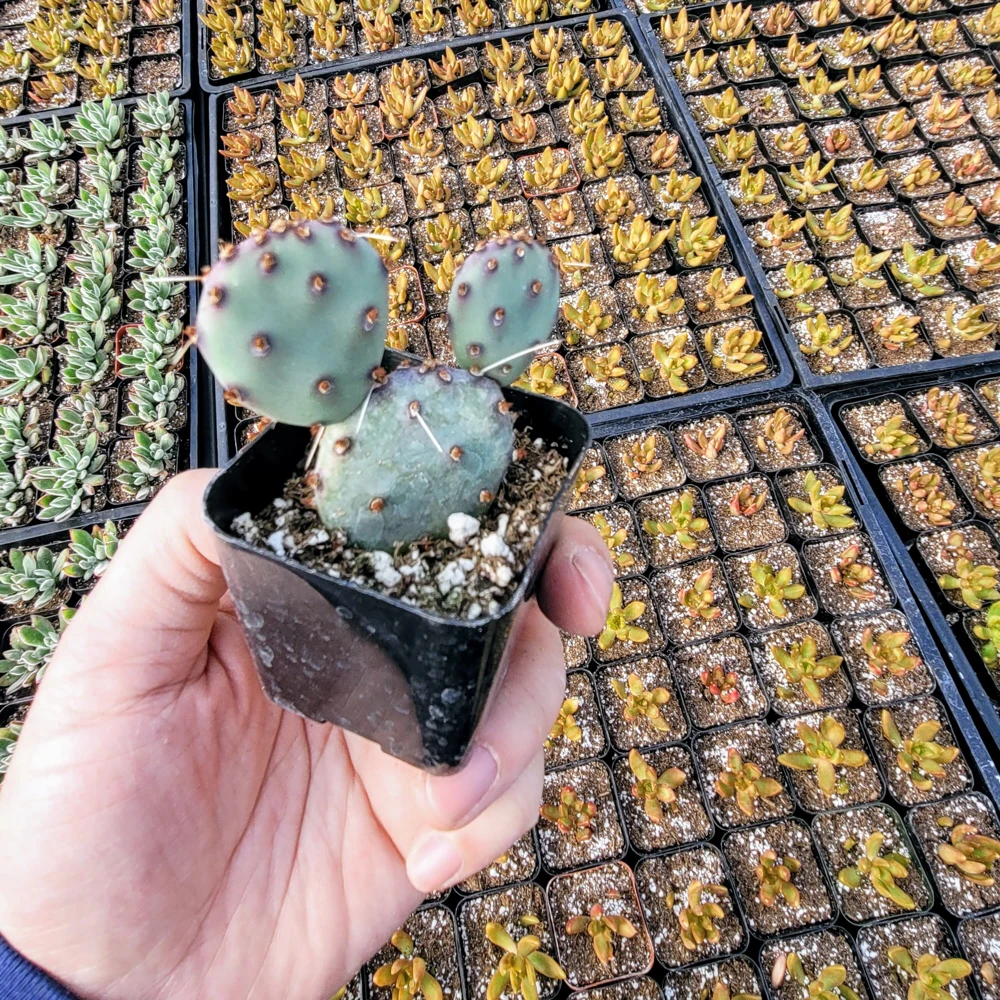
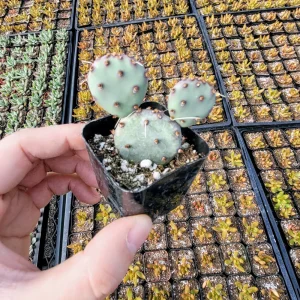
Each bunny ears cactus live plant is carefully selected and shipped in a 2 inch pot, providing a compact and healthy specimen ready for its new home. At this size, the plant typically features two distinct pads resembling bunny ears, though individual plants will naturally vary slightly in shape and exact pad count. This opuntia microdasys albispina is a relatively slow-growing succulent, making it an excellent choice for small spaces or desktop display. While it can eventually reach up to 2-3 feet tall and wide in ideal outdoor conditions, it remains much smaller and easily manageable when grown indoors in containers. The plant will continue to grow new pads, gradually expanding its unique form over time. It is important to note that the plant you receive may have slight variations in color and shape from images due to natural growth patterns and the shipping process. Your white angel prickly pear will arrive carefully packaged to minimize stress during transit, ensuring it reaches you in the best possible condition, ready to thrive.
Frequently Asked Questions
- Q: How big does this plant get? A: This bunny ears cactus live plant is shipped in a 2-inch pot. While it can eventually grow up to 2-3 feet tall and wide outdoors, it typically remains much smaller when cultivated indoors, usually reaching about 1-2 feet in height with proper care and container size.
- Q: Is this an indoor or outdoor plant? A: The opuntia microdasys albispina can be grown both indoors and outdoors. It thrives as a succulent houseplant in bright indoor conditions, but can also be planted outdoors in warm climates (USDA Zones 9-11) where it receives full sun.
- Q: How much sunlight does it need? A: This cactus requires abundant sunlight. For best growth, provide at least 6 hours of direct sunlight daily. If indoors, a south-facing window is ideal. Ensure it receives bright light to prevent stretching and encourage compact growth.
- Q: Is this plant easy to care for? A: Yes, the white angel prickly pear is known for being very easy to care for, making it an excellent choice for beginners. Its drought tolerance and minimal watering needs contribute to its low-maintenance reputation.
- Q: What condition will it arrive in? A: Your cactus will arrive as a live, healthy plant in a 2-inch pot, carefully packaged to protect it during transit. Minor imperfections from shipping are possible but typically do not affect the plant’s overall health and future growth.
- Q: How often should I water my bunny ears cactus? A: Water sparingly. Allow the soil to dry out completely between waterings. In warmer months, this might be every 2-4 weeks, and in cooler dormant months, it could be as infrequent as once a month or less.
- Q: What type of soil is best for this cactus? A: A well-draining cactus or succulent potting mix is essential. You can also create your own by mixing regular potting soil with perlite or pumice to ensure excellent drainage and prevent soggy roots.
- Q: Is the bunny ears cactus live plant pet-safe? A: While not toxic if ingested, the plant has tiny, hair-like spines called glochids that can cause irritation if touched. It’s best to place the cactus where pets cannot easily come into contact with it.
- Q: Can I use this cactus in a terrarium? A: Yes, its compact size and low water requirements make it an excellent choice for open terrariums or succulent arrangements. Ensure adequate drainage is provided within the terrarium setup.
- Q: How do I propagate the opuntia microdasys albispina? A: This cactus is easily propagated from its pads. Simply twist off a pad, allow the cut end to callus over for a few days, then plant it in well-draining cactus soil. New roots will typically form within a few weeks.
| Variety | Opuntia Microdasys, Opuntia Santa Rita |
|---|
Related products
-30%
Original price was: $47.98.$33.58Current price is: $33.58.
-40%

Original price was: $19.60.$11.76Current price is: $11.76.
-30%
Original price was: $79.98.$55.98Current price is: $55.98.
-30%
Original price was: $79.98.$55.98Current price is: $55.98.
-30%
Original price was: $47.98.$33.58Current price is: $33.58.
-30%
Original price was: $79.98.$55.98Current price is: $55.98.
PLANTING & CARE
Lemon Tree Growing: Choose, Plant, and Harvest
Learn how to choose, plant, feed, and protect a lemon tree so it fits your
23
Sep
Sep
Dwarf Meyer Lemon Tree Australia: Climate Guide
Learn where dwarf Meyer lemon trees grow, how much cold they tolerate, and whether Australia,
Where to Buy a Dwarf Meyer Lemon Tree: Buyer’s Guide
Find the right dwarf Meyer lemon tree online or locally, compare starter sizes and costs,
Dwarf Meyer Lemon Tree for Sale: Buying Guide
Compare Meyer lemon tree sizes, prices, shipping limits, indoor growing and California options before you
Dwarf Meyer Lemon Tree Guide: Size, Care and Fruit
META: Learn how large a dwarf Meyer lemon tree grows, where it thrives, and how
How to Prune a Dwarf Meyer Lemon Tree
Learn when and how to prune a dwarf Meyer lemon tree, including tools, shaping cuts,
Can You Grow a Dwarf Meyer Lemon Tree in a Pot?
META: Learn how to grow a dwarf Meyer lemon tree in a pot, including container
When Do Dwarf Meyer Lemon Trees Bloom and Fruit?
META: Dwarf Meyer lemon trees usually bloom from winter through spring and may flower again