Burlington Northern Highbush Blueberry Live Plant – 3 Year Old – 18-24 Inches Tall
-50%
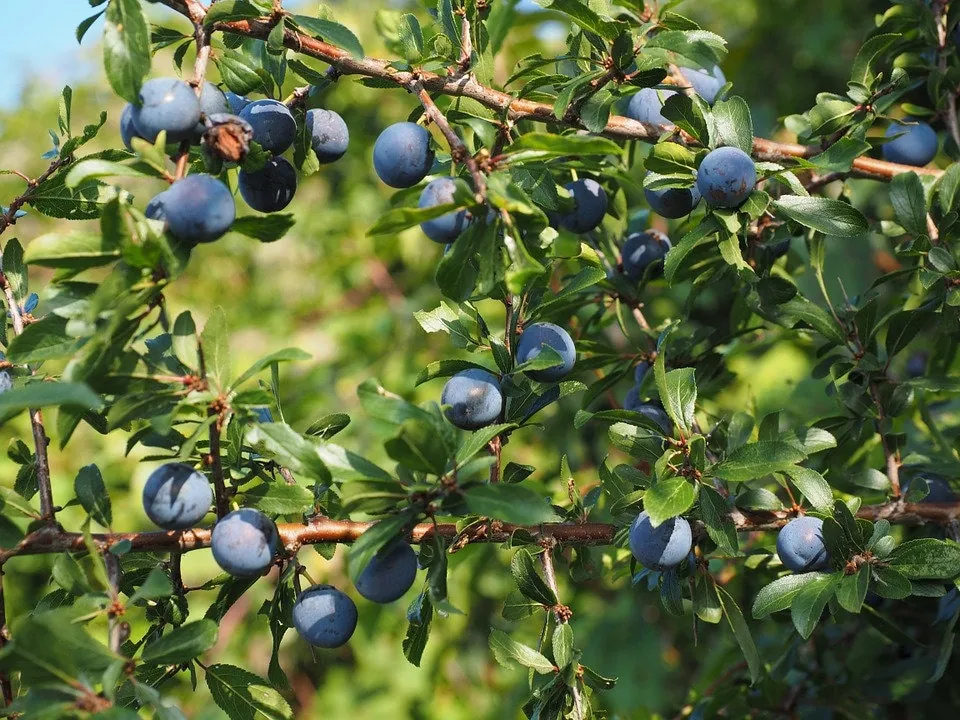


Burlington Northern Highbush Blueberry Live Plant – 3 Year Old – 18-24 Inches Tall
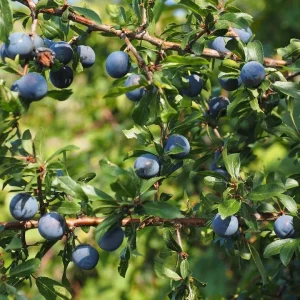
Bring home a Burlington Northern Highbush Blueberry live plant, a robust 3-year-old specimen standing 18-24 inches tall. Enjoy sweet, crack-resistant fruit in July and stunning crimson fall foliage. Perfect for zones 4-7, this highbush blueberry plant care is straightforward, yielding abundant harvests.
Original price was: $115.80.$57.90Current price is: $57.90.

With our Alive & Thrive Guarantee, we’ve got your back for the first 30 days! If you have any concerns about your plants, just reach out to us. Our team is here to help answer your questions and guide you in selecting the best plants for your garden, climate, and unique preferences. We're excited to help you create the garden of your dreams!
Estimated arrival
Apr 13
Apr 18 - Apr 20
Apr 23 - Apr 27
Product Details
-
USDA Hardiness Zone
USDA Zones 4-7 -
Soil type
Acidic, well-draining soil with high organic matter -
Sunlight Exposure
Full sun (6-8+ hours direct sunlight) -
Expected Planting Period
Spring or Fall
Overview
Cultivate your own bountiful harvest with the Burlington Northern Highbush Blueberry live plant. This robust 3-year-old specimen, typically measuring 18 to 24 inches tall, is ready to establish quickly in your garden. Known for its exceptional fruit quality and ornamental value, the Burlington Northern variety produces very sweet, light blue fruits that are remarkably resistant to cracking. The harvest typically begins in July and graciously extends for weeks, providing a continuous supply of fresh blueberries. Beyond its delicious yield, this plant transforms into a blaze of crimson in the fall, making it an ideal choice for an informal hedge or a striking focal point in your landscape. This plant thrives in USDA Zones 4-7, making it a reliable choice for many North American climates. For optimal fruiting, it’s recommended to plant with at least two other blueberry varieties to ensure adequate cross-pollination, although blueberry cultivars are often self-fertile, cross-pollination leads to larger and more abundant berries. Discover the joy of growing highbush blueberries in your own backyard.
Key Benefits
The Burlington Northern Highbush Blueberry offers a multitude of benefits for both the avid gardener and the casual fruit enthusiast. Its ease of cultivation combined with its high yield makes it a truly rewarding addition to any garden.
- Abundant, Sweet Fruit: Enjoy a prolonged harvest of incredibly sweet, light blue blueberries that are perfect for fresh eating, baking, or preserving. The fruits are also known for their excellent resistance to cracking.
- Extended Harvest Season: Ripening in July, the berries continue to produce for weeks, ensuring a steady supply of fresh fruit throughout the summer.
- Stunning Fall Foliage: As autumn approaches, the bushes become a vibrant display of crimson, adding significant ornamental value to your garden long after the harvest. This makes the Burlington Northern Highbush Blueberry a versatile landscape plant.
- Cold Hardy Performance: Engineered to thrive in USDA Zones 4-7, this variety is resilient against colder temperatures, offering reliable growth and fruiting in suitable climates.
- Versatile Landscape Use: With mature heights of 5-6 feet, these bushes can be arranged as an informal hedge, used as a border plant, or stand alone as an attractive specimen.
- Nutrient-Rich Harvest: Blueberries are packed with antioxidants and vitamins, offering a healthy and delicious addition to your diet.
- Supports Pollinators: The plant’s flowers attract beneficial pollinators to your garden, contributing to a healthier ecosystem.
Plant Care & Growing Tips
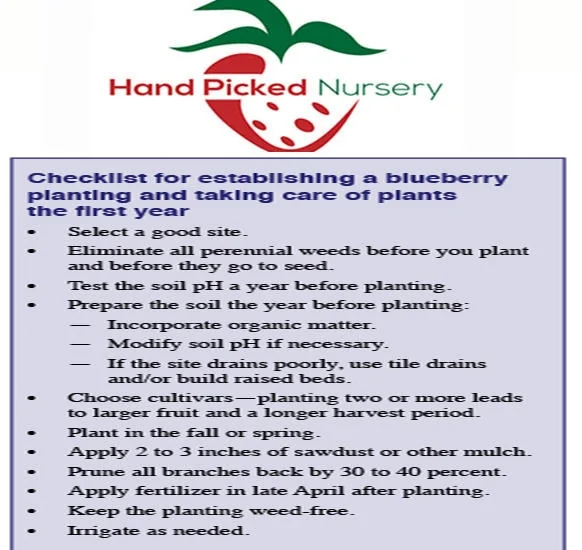
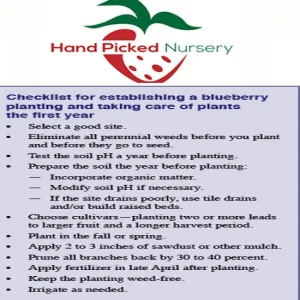
Successful highbush blueberry plant care begins with understanding their specific environmental needs. These plants require an acidic soil with a high organic matter content. Good drainage is absolutely essential, as blueberries have shallow, fibrous roots that are easily starved for oxygen if the soil becomes waterlogged. However, it’s crucial to note that blueberries are not tolerant of drought conditions and need to be kept consistently moist, especially during fruiting. They will produce the best yields when planted in a sunny location, receiving at least 6-8 hours of direct sunlight daily. Ensure the soil pH is between 4.5 and 5.5; you may need to amend your soil with sulfur or peat moss to achieve this. When planting, dig a wide, shallow hole and incorporate plenty of compost or peat moss. Mulching with pine needles, wood chips, or bark will help retain moisture, suppress weeds, and maintain soil acidity. Fertilize in early spring with an acid-loving plant fertilizer, avoiding those containing nitrates. Prune in late winter or early spring to remove dead or weak branches and to encourage new growth and better fruit production. For optimal cross-pollination and larger berries, plant multiple cultivars within 5 feet of each other. Even though many blueberry cultivars are self-fertile, cross-pollination significantly enhances berry size and yield, making growing highbush blueberries a rewarding experience.
Size & Details
This offering is for a Burlington Northern Highbush Blueberry live plant. Each plant is approximately 3 years old and typically measures between 18 to 24 inches tall when shipped. These plants are usually provided in a quart-sized container, ensuring a healthy root system for successful transplanting. The mature size of the Burlington Northern Highbush Blueberry bush ranges from 5 to 6 feet in height, making it a medium-sized shrub suitable for various garden designs. Its growth rate is moderate, allowing it to establish and begin producing fruit within a year or two of planting, with significant harvests expected as it matures. This variety is known for its consistent production and vigorous growth, especially when provided with the ideal acidic soil and consistent moisture. Expect the vibrant crimson fall foliage to provide seasonal interest.
Frequently Asked Questions
- Q: How big does the Burlington Northern Highbush Blueberry plant get? A: The Burlington Northern Highbush Blueberry typically grows to a height of 5 to 6 feet at maturity, forming an attractive, upright shrub.
- Q: What condition will the plant arrive in? A: Your blueberry plant for sale will arrive as a healthy, live plant, usually in a quart-sized container, ready for planting. We ensure careful packaging to protect it during transit.
- Q: How much sun does this blueberry plant need? A: This highbush blueberry variety requires full sun exposure, meaning at least 6 to 8 hours of direct sunlight per day, for optimal fruit production and plant health.
- Q: Is this plant suitable for beginners? A: Yes, with proper attention to soil acidity and moisture, highbush blueberry plant care is manageable for beginners. Following the provided care tips will ensure success.
- Q: When is the best time to plant this blueberry? A: The best time to plant your Burlington Northern Highbush Blueberry is in early spring or fall, allowing the roots to establish before extreme temperatures.
- Q: What USDA hardiness zones is this plant suitable for? A: The Burlington Northern Highbush Blueberry is cold hardy and thrives in USDA Zones 4-7, making it suitable for a wide range of climates.
- Q: Do I need more than one plant for fruit production? A: While many blueberry cultivars are self-fertile, planting at least two to three different varieties of highbush blueberries nearby will significantly improve cross-pollination, leading to larger and more abundant fruit yields. This is key for successful growing highbush blueberries.
- Q: What kind of soil does this blueberry prefer? A: This plant requires acidic, well-draining soil with a high organic matter content. A pH between 4.5 and 5.5 is ideal.
- Q: How often should I water my Burlington Northern Highbush Blueberry? A: Blueberries need consistent moisture. Water regularly, especially during dry spells and fruiting, but ensure excellent drainage to prevent root rot.
- Q: Can I grow this plant in a container? A: Yes, you can grow highbush blueberries in large containers (at least 15-20 gallons) with appropriate acidic potting mix, provided they receive adequate sunlight and consistent watering.
Related products
-20%
Original price was: $36.00.$28.80Current price is: $28.80.
-10%
Original price was: $48.99.$44.09Current price is: $44.09.
-10%
Original price was: $158.00.$142.20Current price is: $142.20.
-20%
Original price was: $36.00.$28.80Current price is: $28.80.
-20%
Original price was: $32.00.$25.60Current price is: $25.60.
-20%
Original price was: $66.00.$52.80Current price is: $52.80.
-10%
Original price was: $158.00.$142.20Current price is: $142.20.
PLANTING & CARE
Growing Glencoe Raspberry: A Complete Guide for Gardeners
If you’re looking to add something unique to your garden, look no further than the
31
Mar
Mar

The Comprehensive Guide to Growing Bay Leaf Plants for a Flavorful Garden
Imagine stepping into your garden, greeted by the earthy aroma of fresh bay leaves, their
09
Feb
Feb

How to Make Comfrey Tea: The Ultimate Organic Plant Food
Growing an organic garden can be surprisingly expensive, especially when most store-bought fertilizers come in
02
Feb
Feb

True Comfrey: 7 Essential Tips Before You Plant This Herb
A staple in permaculture practices across the US, True Comfrey easily earns its reputation as
27
Jan
Jan

7 Heart-Shaped Plants for a Lasting Valentine’s Gift
If you’ve ever bought a bouquet of roses for Valentine’s Day, you know they are
26
Jan
Jan

Best Types of Ivy Plant for Houses: How to Choose the Perfect Ones for Your Home
Are you a garden lover looking to introduce some greenery into your home? Maybe you’ve
14
Nov
Nov

When to Harvest Garlic (Especially Fall-Planted Garlic)
TIMING IS EVERYTHING, they say – and for garlic, that truth hits with surprising accuracy.
13
Nov
Nov

11 of the Best Sweet Potato Varieties to Grow for Your Garden
If you’ve ever tried growing sweet potatoes, you know that picking the right variety can
12
Nov
Nov