Butterfly Bush Live Plant 1 Gallon Pot – Attracts Pollinators Outdoor
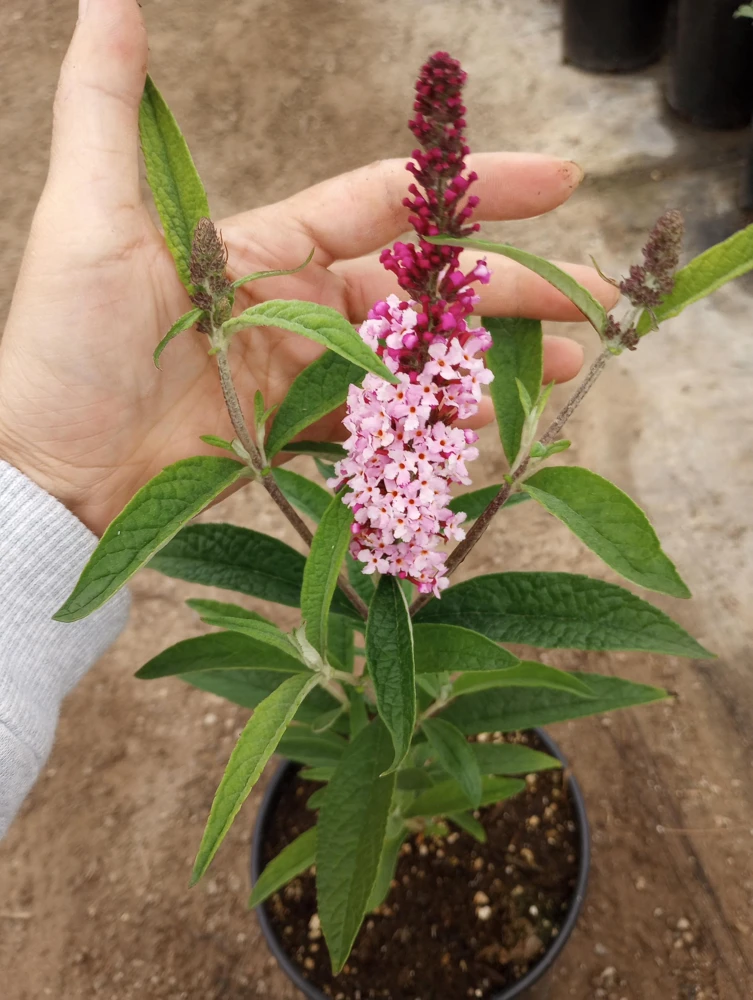
Butterfly Bush Live Plant 1 Gallon Pot – Attracts Pollinators Outdoor
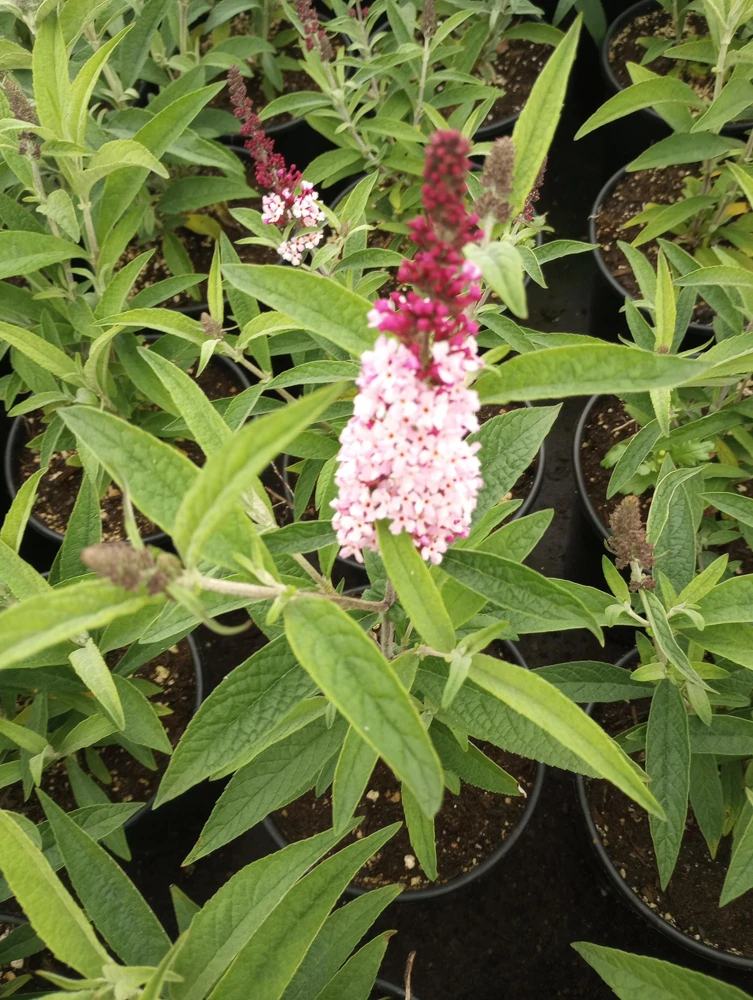
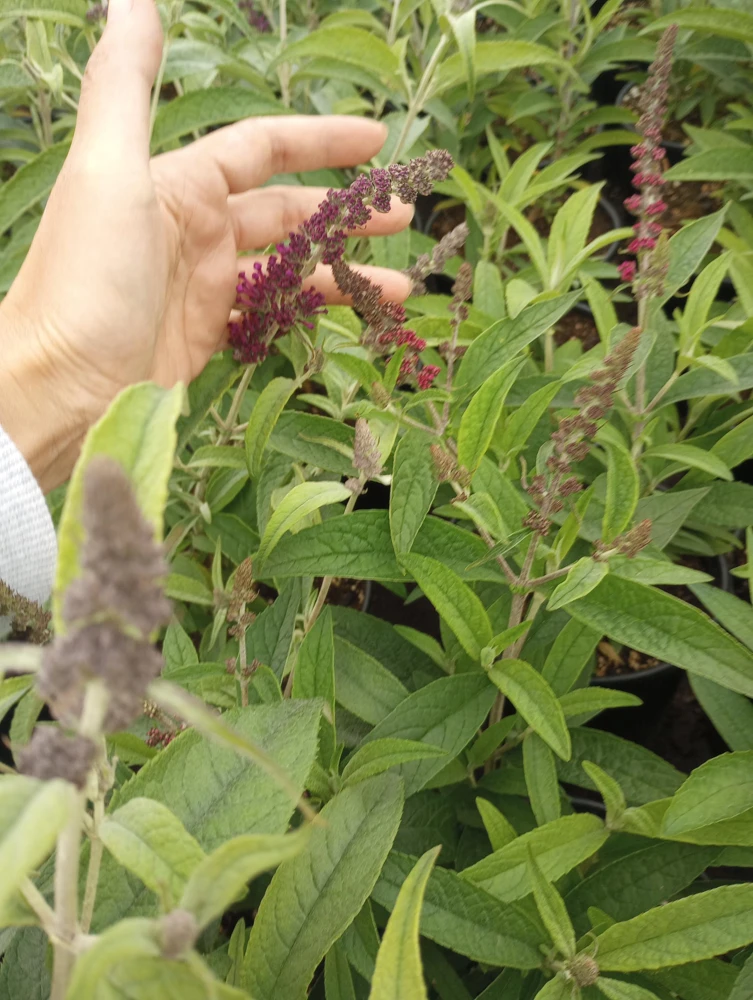
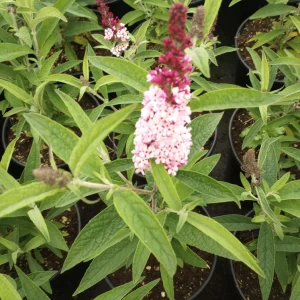
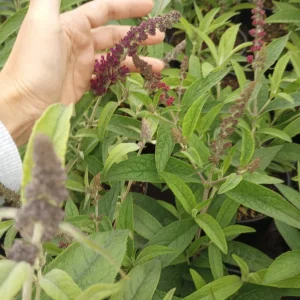
Bring life and color to your garden with this beautiful butterfly bush live plant. Grown in a 1 gallon pot, this vibrant shrub is renowned for its ability to attract butterflies and hummingbirds, making it a perfect addition to any pollinator-friendly landscape. Enjoy its fragrant blooms and easy care.
$59.98

With our Alive & Thrive Guarantee, we’ve got your back for the first 30 days! If you have any concerns about your plants, just reach out to us. Our team is here to help answer your questions and guide you in selecting the best plants for your garden, climate, and unique preferences. We're excited to help you create the garden of your dreams!
Estimated arrival
Oct 14
Oct 19 - Oct 21
Oct 24 - Oct 28
Product Details
-
USDA Hardiness Zone
USDA Zones 5-9 -
Soil type
Well-draining soil -
Sunlight Exposure
Full sun -
Expected Planting Period
Spring to early fall
Overview
Welcome a burst of natural beauty and activity into your outdoor space with this stunning butterfly bush live plant. Known scientifically as Buddleia davidii, this vigorous and attractive shrub is a favorite among gardeners for its prolific, nectar-rich flowers that act as a magnet for butterflies, hummingbirds, and other beneficial pollinators. Each butterfly bush live plant is carefully cultivated in a 1 gallon pot, ensuring a healthy and established root system ready for planting in your garden. Whether you’re looking to create a dedicated pollinator garden or simply add a touch of vibrant color and fragrance to your landscape, this plant is an excellent choice. Its rapid growth and eye-catching blooms make it a standout specimen.
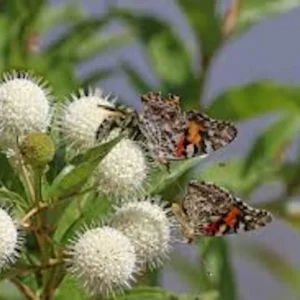
The common name ‘butterfly bush’ perfectly describes its primary appeal: a constant flurry of winged visitors enjoying its sweet-smelling blossoms. This plant is not just a visual delight; it also contributes significantly to local ecosystems by providing a vital food source for pollinators. With proper butterfly bush care, you can enjoy its spectacular display from summer through fall, transforming your garden into a lively sanctuary.
Key Benefits
Choosing a butterfly bush live plant for your garden offers a multitude of advantages, both aesthetic and ecological. These plants are celebrated for their ability to create dynamic and vibrant outdoor spaces. Here are some of the key benefits:
- Attracts Pollinators: The most significant benefit of the butterfly bush live plant is its incredible ability to draw in a diverse array of pollinators, including various species of butterflies and hummingbirds. Its nectar-rich flowers provide an essential food source, contributing to local biodiversity.
- Long Blooming Season: Enjoy continuous color and fragrance from late spring or early summer all the way through to the first frost. This extended bloom time ensures your garden remains vibrant for many months.
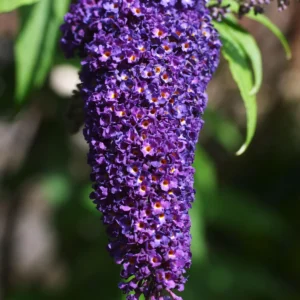
- Fragrant Flowers: The beautiful, cone-shaped flower clusters emit a sweet, enticing fragrance that enhances the sensory experience of your garden, making it a more inviting space for both humans and wildlife.
- Low Maintenance: Once established, buddleia davidii is remarkably easy to care for. It tolerates a range of soil conditions and is relatively drought-tolerant, making it suitable for busy gardeners.
- Fast Growing: This shrub is known for its vigorous growth habit, quickly establishing itself and producing abundant blooms, providing a significant impact in a short period.
- Versatile Landscaping: Perfect for borders, mass plantings, specimen plants, or even large containers, the fragrant garden plant adapts well to various garden designs and sizes.
- Deer Resistant: While no plant is entirely deer-proof, butterfly bushes are generally not a preferred food source for deer, offering some protection in areas where deer are a common concern.
Plant Care & Growing Tips
Proper butterfly bush care ensures a healthy, vigorous plant with an abundance of blooms. This shrub thrives in full sun, meaning it needs at least 6-8 hours of direct sunlight per day to produce the most flowers. While it can tolerate partial shade, flowering may be reduced. When choosing a location, consider both sunlight and good air circulation to prevent fungal diseases. The ideal soil for a butterfly bush live plant is well-draining, moderately fertile, and slightly acidic to neutral (pH 6.0-7.0).
Watering is crucial during the establishment phase. Water deeply and regularly after planting until the plant is well-rooted. Once established, butterfly bushes are relatively drought-tolerant, especially mature plants. However, during prolonged dry spells, supplemental watering will help maintain vigor and bloom production. Fertilize in early spring with a balanced, slow-release granular fertilizer, or a balanced liquid feed every 4-6 weeks during the growing season. Pruning is an essential aspect of butterfly bush care. Hard pruning in late winter or early spring (cutting back to 6-12 inches from the ground) encourages strong new growth and abundant flowering. Deadheading spent blooms throughout the season will also promote continuous flowering and prevent self-seeding, which can be important for managing the spread of some Buddleia varieties. Monitor for common pests like spider mites or aphids, and treat with insecticidal soap if necessary. The pollinator garden plant is generally hardy in USDA Zones 5-9, though specific varieties may vary.
Size & Details
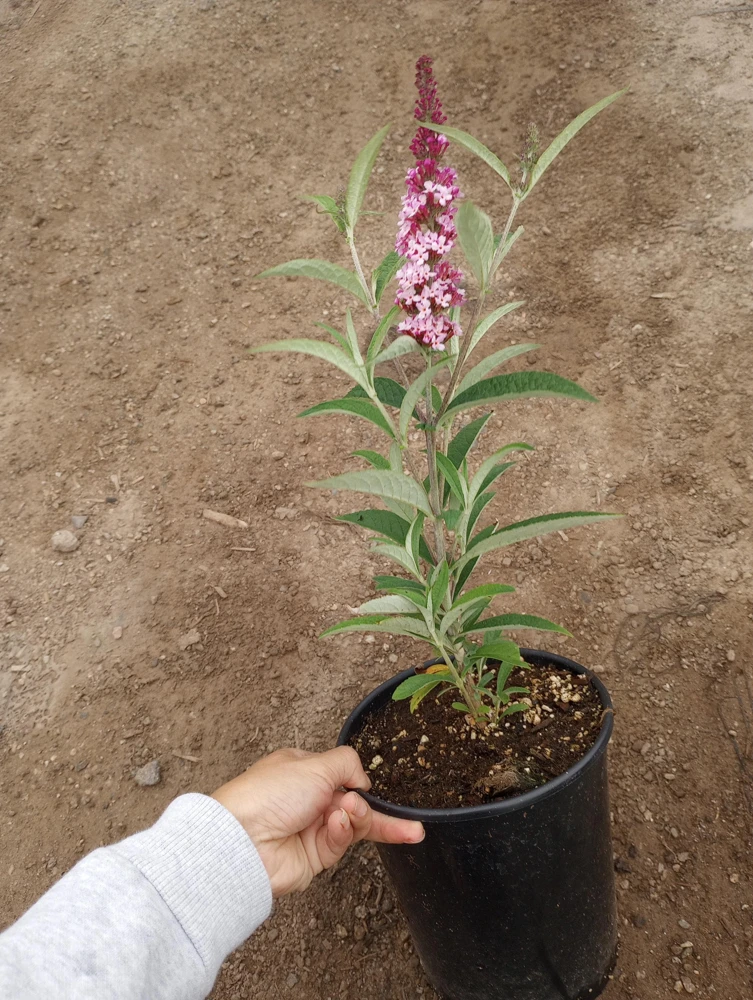
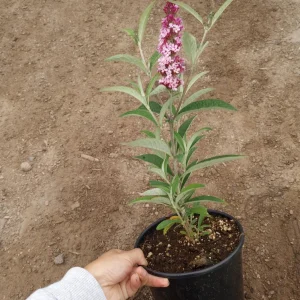
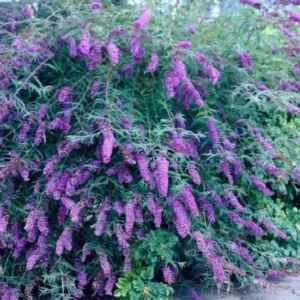
This butterfly bush live plant is delivered in a 1 gallon nursery pot, ensuring a well-established root system for successful transplantation. At the time of shipment, the plant typically stands approximately 8-16 inches tall, depending on the growing season and variety. Butterfly bushes are known for their rapid growth, often reaching mature heights of 6-12 feet tall and 4-8 feet wide within a few seasons if left unpruned. Regular pruning can help maintain a more compact size and encourage denser foliage and more prolific flowering. The plant will arrive ready to be planted in your garden or a larger container. Expect vibrant, fragrant blooms from summer through fall, transforming your garden into a lively habitat for pollinators. This buddleia davidii selection promises to be a stunning and dynamic addition to your landscape.
Frequently Asked Questions
- Q: How big does this butterfly bush get? A: A butterfly bush live plant can typically reach mature heights of 6-12 feet tall and 4-8 feet wide if left unpruned. Regular pruning in late winter or early spring can help manage its size and shape, encouraging a bushier habit and more blooms.
- Q: Is this an indoor or outdoor plant? A: The butterfly bush live plant is primarily an outdoor shrub. It thrives in full sun conditions and is hardy in USDA Zones 5-9, making it suitable for most temperate climates in the US. It is not typically grown as an indoor houseplant.
- Q: How much sunlight does a butterfly bush need? A: For optimal growth and prolific flowering, your butterfly bush live plant requires at least 6-8 hours of direct sunlight per day. While it can tolerate some partial shade, too little sun will result in fewer flowers and leggy growth.
- Q: Is this plant easy to care for? A: Yes, the butterfly bush is considered a low-maintenance plant once established. It’s relatively drought-tolerant and adaptable to various soil types, making butterfly bush care straightforward for most gardeners, including beginners.
- Q: What condition will the plant arrive in? A: Your butterfly bush live plant will arrive in a 1 gallon nursery pot with a healthy, established root system. It will be carefully packaged to ensure it reaches you in good condition, ready for planting.
- Q: When is the best time to plant a butterfly bush? A: The best time to plant your butterfly bush live plant is in spring or early fall, allowing the roots to establish before extreme summer heat or winter cold. This gives the plant the best chance for successful establishment.
- Q: Will it survive winter in my zone? A: The fragrant garden plant is generally hardy in USDA Zones 5-9. In colder zones, the plant may die back to the ground in winter but often regrows from the roots in spring. In warmer zones, it may retain more of its woody structure.
- Q: Can I grow a butterfly bush in a container? A: Yes, you can grow a butterfly bush live plant in a large container, especially compact varieties. Ensure the container has good drainage and is large enough to accommodate the root system, providing enough space for growth.
- Q: Does this plant attract other beneficial insects besides butterflies? A: Absolutely! Beyond butterflies, the sweet nectar of the pollinator garden plant also attracts hummingbirds, various bee species, and other beneficial insects, contributing to the overall health and vibrancy of your garden ecosystem.
- Q: How often should I prune my butterfly bush? A: For best results in butterfly bush care, perform a hard prune in late winter or early spring, cutting stems back to about 6-12 inches from the ground. Deadhead spent flowers throughout the blooming season to encourage more blossoms and prevent self-seeding.
Related products
-20%
Original price was: $36.00.$28.80Current price is: $28.80.
-20%
Original price was: $20.00.$16.00Current price is: $16.00.
-30%
Original price was: $73.98.$51.78Current price is: $51.78.
-50%
Original price was: $63.00.$31.50Current price is: $31.50.
-60%
Original price was: $53.99.$21.59Current price is: $21.59.
-60%
Original price was: $53.99.$21.59Current price is: $21.59.
-50%
Original price was: $83.00.$41.50Current price is: $41.50.
PLANTING & CARE
Lemon Tree Growing: Choose, Plant, and Harvest
Learn how to choose, plant, feed, and protect a lemon tree so it fits your
23
Sep
Sep
Dwarf Meyer Lemon Tree Australia: Climate Guide
Learn where dwarf Meyer lemon trees grow, how much cold they tolerate, and whether Australia,
Where to Buy a Dwarf Meyer Lemon Tree: Buyer’s Guide
Find the right dwarf Meyer lemon tree online or locally, compare starter sizes and costs,
Dwarf Meyer Lemon Tree for Sale: Buying Guide
Compare Meyer lemon tree sizes, prices, shipping limits, indoor growing and California options before you
Dwarf Meyer Lemon Tree Guide: Size, Care and Fruit
META: Learn how large a dwarf Meyer lemon tree grows, where it thrives, and how
How to Prune a Dwarf Meyer Lemon Tree
Learn when and how to prune a dwarf Meyer lemon tree, including tools, shaping cuts,
Can You Grow a Dwarf Meyer Lemon Tree in a Pot?
META: Learn how to grow a dwarf Meyer lemon tree in a pot, including container
When Do Dwarf Meyer Lemon Trees Bloom and Fruit?
META: Dwarf Meyer lemon trees usually bloom from winter through spring and may flower again