Butternut Squash Seeds – 10 Seeds for Planting Edible Gourd
Butternut Squash Seeds – 10 Seeds for Planting Edible Gourd
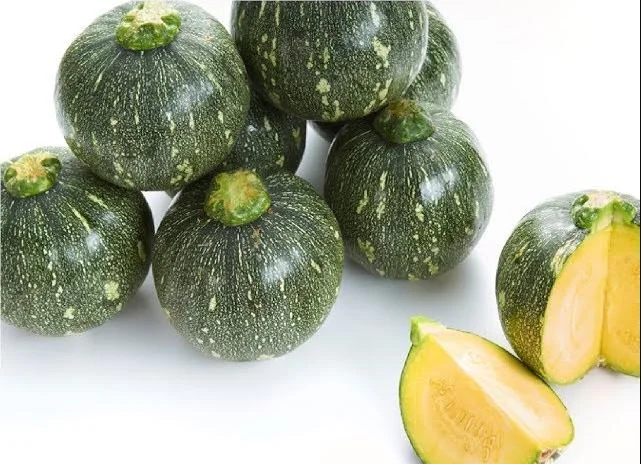
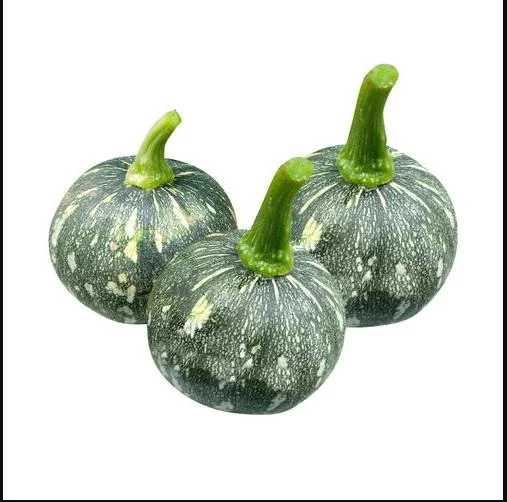
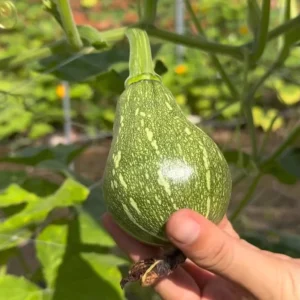
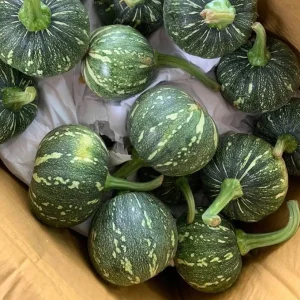
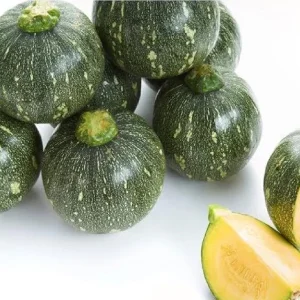
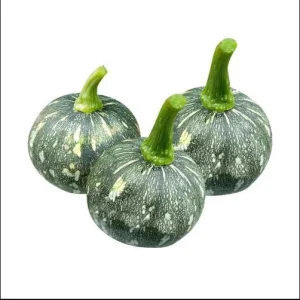
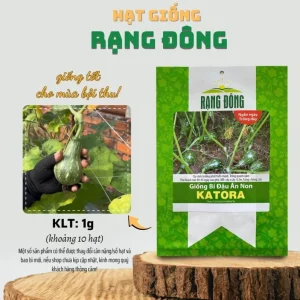
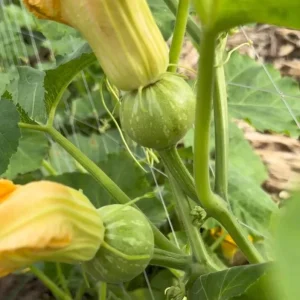
Cultivate your own garden with our premium butternut squash seeds. This pack contains 10 seeds, perfect for growing delicious young edible gourds or mature winter squash. Enjoy fresh, homegrown produce with simple planting instructions.
$6.99

With our Alive & Thrive Guarantee, we’ve got your back for the first 30 days! If you have any concerns about your plants, just reach out to us. Our team is here to help answer your questions and guide you in selecting the best plants for your garden, climate, and unique preferences. We're excited to help you create the garden of your dreams!
Estimated arrival
Mar 31
Apr 05 - Apr 07
Apr 10 - Apr 14







Product Details
-
USDA Hardiness Zone
USDA zones 3-9 (when started indoors or in warmer months) -
Soil type
Well-draining, rich loamy soil -
Sunlight Exposure
Full sun -
Expected Planting Period
Spring to early summer
Overview
Embark on a rewarding gardening journey with our premium butternut squash seeds. This pack provides 10 high-quality seeds, carefully selected to ensure vigorous growth and abundant yields. Butternut squash, known scientifically as Cucurbita moschata, is a beloved winter squash variety celebrated for its sweet, nutty flavor and smooth texture. These versatile seeds allow you to cultivate your own supply of this nutritious vegetable, whether you’re aiming for tender young edible gourds or fully ripened, hard-skinned squash for long-term storage. Ideal for home gardeners of all skill levels, our butternut squash seeds are the first step towards a bountiful harvest.
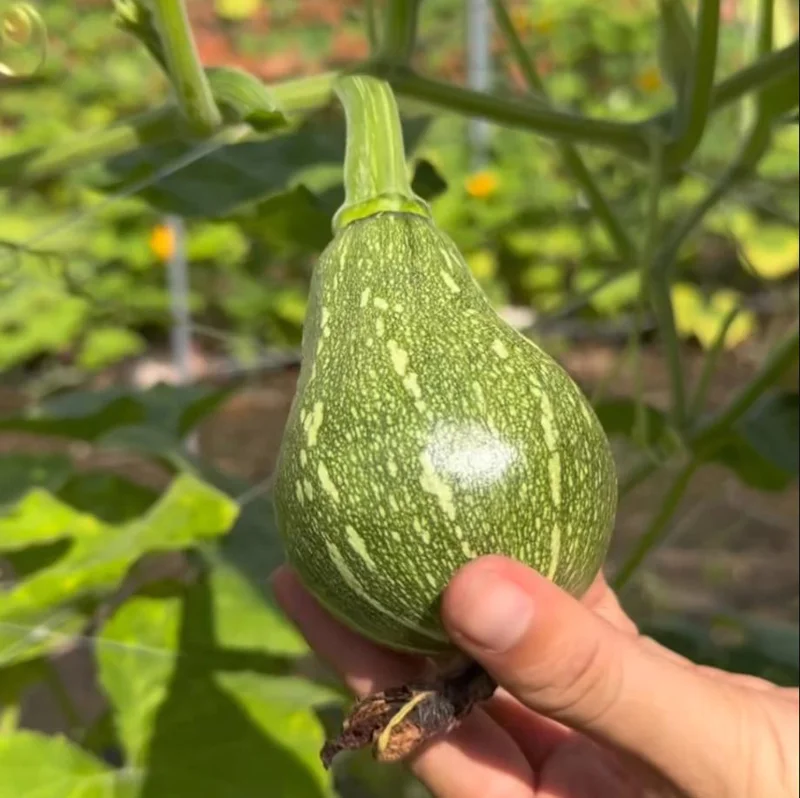
Growing your own butternut squash is a fulfilling experience that connects you with nature and provides healthy, organic food for your table. From seed to harvest, you’ll witness the plant’s robust growth, producing beautiful, pear-shaped fruits. These seeds are perfect for anyone looking to enhance their culinary adventures with fresh, homegrown ingredients. Experience the satisfaction of harvesting your own produce and discover the myriad ways to enjoy this delicious and healthy vegetable.
Key Benefits
Growing butternut squash seeds offers numerous advantages, from fresh produce to a beautiful garden. Here are some of the key benefits you can expect:
-
Abundant, Nutritious Harvest: Butternut squash is packed with vitamins A and C, fiber, and potassium. Growing your own ensures a fresh, chemical-free source of this healthy vegetable, contributing to a nutritious diet for your family.
-
Versatile Culinary Uses: From creamy soups and roasted sides to pies and pastas, butternut squash is incredibly versatile in the kitchen. Harvesting your own allows for immediate use in a wide array of delicious dishes.
-
Extended Storage Potential: Mature butternut squash can be stored for several months in a cool, dry place, providing a reliable food source throughout the fall and winter. This makes our butternut squash seeds an excellent investment for food security and culinary planning.
-
Rewarding Gardening Experience: Watching these plants grow from tiny seeds into large, productive vines is deeply satisfying. It’s an engaging project for gardeners of all experience levels and a great way to learn about plant life cycles.
-
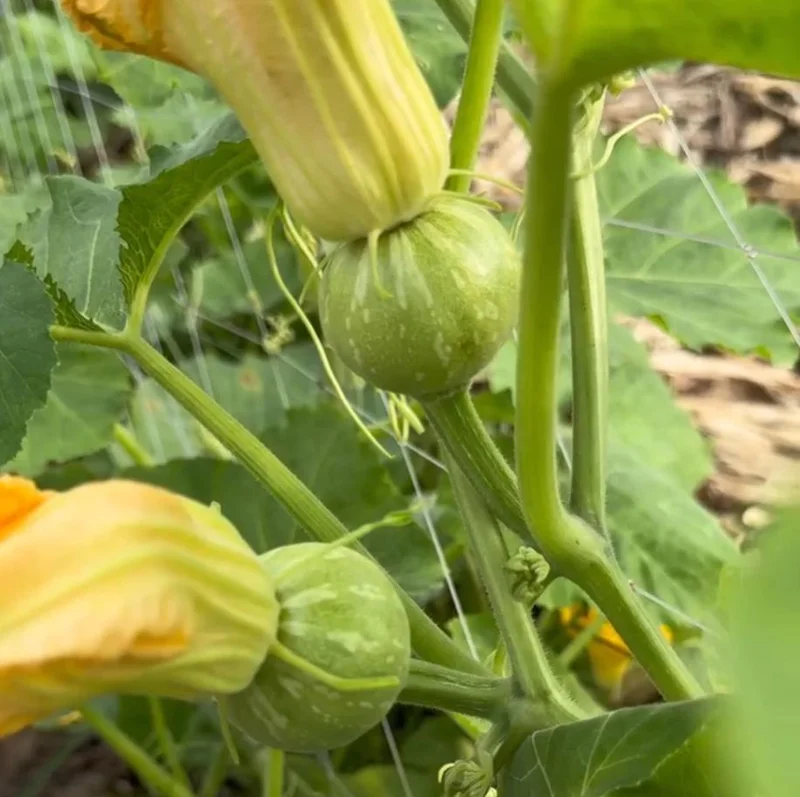
Supports Pollinators: Butternut squash plants produce beautiful yellow flowers that attract bees and other beneficial pollinators to your garden, contributing to local biodiversity and supporting a healthy ecosystem.
-
Space-Efficient Growth: While vines can sprawl, they can also be trained to grow vertically, making them suitable for gardens with limited space. This flexibility makes it easier to grow butternut squash even in smaller plots.
-
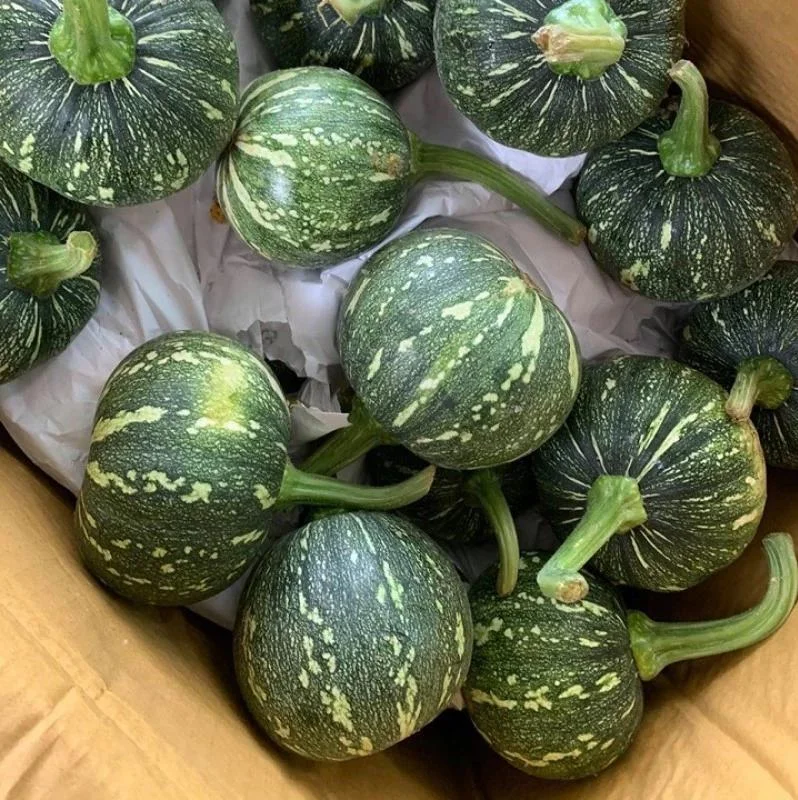
Fresh Young Edible Gourds: Beyond mature squash, these seeds also yield young, tender gourds that can be harvested early for a different culinary experience, offering a unique dual-purpose crop.
Plant Care & Growing Tips
Successful cultivation of your butternut squash seeds begins with proper site selection and preparation. Choose a location in your garden that receives full sun, meaning at least 6-8 hours of direct sunlight per day. Butternut squash thrives in warm conditions and well-drained soil rich in organic matter. Before planting, till the soil to a depth of 20-25 cm (8-10 inches) and amend it generously with compost or well-rotted manure to improve fertility and drainage. The ideal soil pH for growing butternut squash is between 6.0 and 7.0. Ensuring these conditions will provide a strong foundation for your plants.
Planting can occur directly outdoors after the last frost date, when soil temperatures consistently reach above 60°F (15°C). For gardeners in cooler climates or those looking to extend their growing season, starting seeds indoors 2-4 weeks before the last frost is highly recommended. Sow seeds 2.5-5 cm (1-2 inches) deep, spacing them 90-120 cm (3-4 feet) apart in rows that are 1.5-2 m (5-6 feet) apart to allow ample room for vine growth. Water immediately after planting to settle the soil. Consistent moisture is crucial, especially during flowering and fruit set; aim for deep watering once or twice a week, adjusting based on weather conditions. Fertilize with a balanced fertilizer or compost tea every 3-4 weeks to support vigorous growth and fruit development. Mulching around plants helps retain soil moisture, suppress weeds, and regulate soil temperature. Provide space for the vines to sprawl or gently train them to grow outward. Keep an eye out for common pests like squash bugs and cucumber beetles, and treat organically if necessary. Following these guidelines will help you successfully grow butternut squash and achieve a healthy harvest.
Size & Details
Each pack contains 10 high-quality butternut squash seeds, perfect for starting your home garden. These seeds will develop into robust vines that can spread several feet, producing multiple fruits per plant. Young edible gourds can be harvested approximately 30-50 days after flowering, when they are small and tender, offering a different culinary option. For mature winter squash, expect to wait 80-110 days after planting until the fruits develop a tan skin and a hard rind. Each mature butternut squash typically weighs between 2-5 pounds and measures 8-12 inches in length. The plants are vigorous growers, requiring adequate space to thrive, whether allowed to sprawl or trained vertically.
These seeds are designed for outdoor planting in most temperate climates, but can be started indoors to gain a head start on the growing season. The estimated yield per plant can vary based on growing conditions, but healthy plants can produce 3-5 mature squash, in addition to any young edible gourds you might harvest. These seeds are a practical choice for anyone interested in sustainable gardening and enjoying fresh, homegrown produce.
Frequently Asked Questions
-
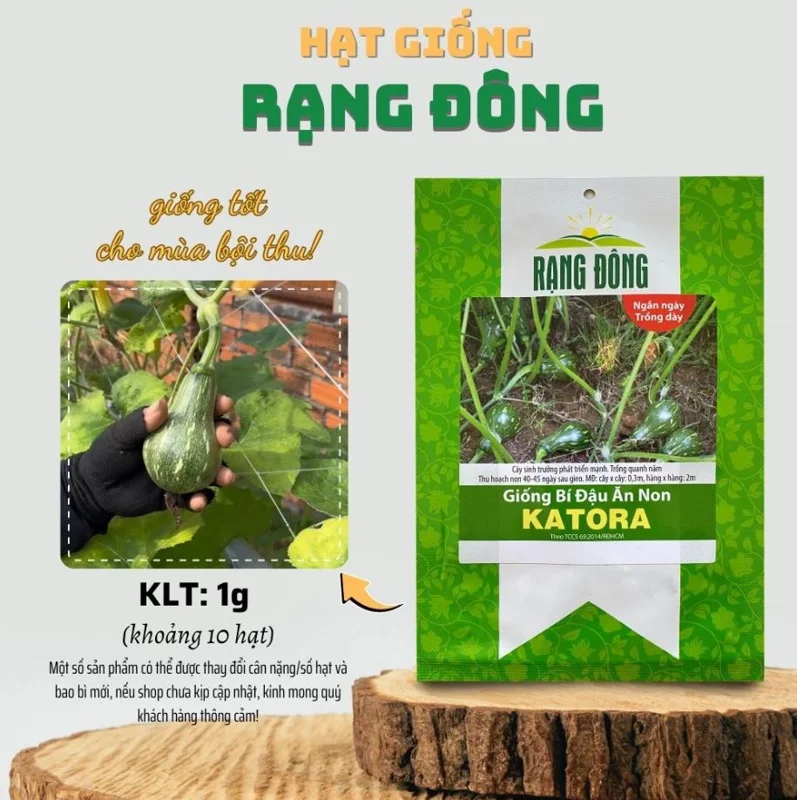
Q: How many seeds are included in this pack? A: This pack contains 10 premium butternut squash seeds, providing a good starting quantity for most home gardens. You can expect multiple plants and a generous harvest from these seeds.
-
Q: When is the best time to plant butternut squash seeds? A: The best time to plant butternut squash seeds directly outdoors is after the last frost date, when soil temperatures are consistently warm. For an earlier start, you can sow them indoors 2-4 weeks before the last frost.
-
Q: How much sunlight do butternut squash plants need? A: Butternut squash plants require full sun, meaning at least 6-8 hours of direct sunlight per day, to produce the best fruit. Adequate sunlight is crucial for proper growth and fruit development.
-
Q: Is this plant easy to care for for beginners? A: Yes, grow butternut squash is considered relatively easy for beginners. With proper site preparation, consistent watering, and adequate sunlight, new gardeners can achieve a successful harvest.
-
Q: What kind of soil is best for butternut squash? A: Butternut squash thrives in well-drained soil that is rich in organic matter. Amending your soil with compost or well-rotted manure before planting is highly recommended for optimal results.
-
Q: How long does it take for butternut squash to mature? A: Young edible gourds can be harvested 30-50 days after flowering. For mature winter squash, it typically takes 80-110 days from planting until the fruits are ready to harvest with hard rinds.
-
Q: Can I grow butternut squash in containers? A: While butternut squash plants can be large, they can be grown in very large containers (at least 15-20 gallons) with proper support for the vines. Training the vines vertically can help manage space.
-
Q: What are the main uses for butternut squash? A: Butternut squash is excellent for roasting, soups, purees, and even baking. It’s a versatile vegetable that adds a sweet, nutty flavor to many dishes. You can also harvest young gourds for tender, early-season consumption.
-
Q: What is the recommended spacing for these seeds? A: Plant seeds 2.5-5 cm (1-2 inches) deep and space them 90-120 cm (3-4 feet) apart. If planting in rows, space rows 1.5-2 m (5-6 feet) apart to give vines ample room to grow and spread.
-
Q: Will these seeds produce true-to-type butternut squash? A: Yes, these are high-quality winter squash seeds selected to produce true-to-type butternut squash, ensuring you get the classic flavor and appearance you expect from this popular variety.
Related products
-50%
Original price was: $15.96.$7.98Current price is: $7.98.
-48%
Original price was: $28.99.$14.99Current price is: $14.99.
-48%
Original price was: $28.99.$14.99Current price is: $14.99.
-50%
Original price was: $39.96.$19.98Current price is: $19.98.
-50%
Original price was: $19.00.$9.50Current price is: $9.50.
-50%

Original price was: $19.96.$9.98Current price is: $9.98.
-50%
Original price was: $59.96.$29.98Current price is: $29.98.
-50%
Original price was: $15.96.$7.98Current price is: $7.98.
PLANTING & CARE
Growing Glencoe Raspberry: A Complete Guide for Gardeners
If you’re looking to add something unique to your garden, look no further than the
31
Mar
Mar

The Comprehensive Guide to Growing Bay Leaf Plants for a Flavorful Garden
Imagine stepping into your garden, greeted by the earthy aroma of fresh bay leaves, their
09
Feb
Feb

How to Make Comfrey Tea: The Ultimate Organic Plant Food
Growing an organic garden can be surprisingly expensive, especially when most store-bought fertilizers come in
02
Feb
Feb

True Comfrey: 7 Essential Tips Before You Plant This Herb
A staple in permaculture practices across the US, True Comfrey easily earns its reputation as
27
Jan
Jan

7 Heart-Shaped Plants for a Lasting Valentine’s Gift
If you’ve ever bought a bouquet of roses for Valentine’s Day, you know they are
26
Jan
Jan

Best Types of Ivy Plant for Houses: How to Choose the Perfect Ones for Your Home
Are you a garden lover looking to introduce some greenery into your home? Maybe you’ve
14
Nov
Nov

When to Harvest Garlic (Especially Fall-Planted Garlic)
TIMING IS EVERYTHING, they say – and for garlic, that truth hits with surprising accuracy.
13
Nov
Nov

11 of the Best Sweet Potato Varieties to Grow for Your Garden
If you’ve ever tried growing sweet potatoes, you know that picking the right variety can
12
Nov
Nov