Buttonbush Shrub (Cephalanthus occidentalis) – 3 Bare-root Live Plants – Attracts Pollinators
-50%
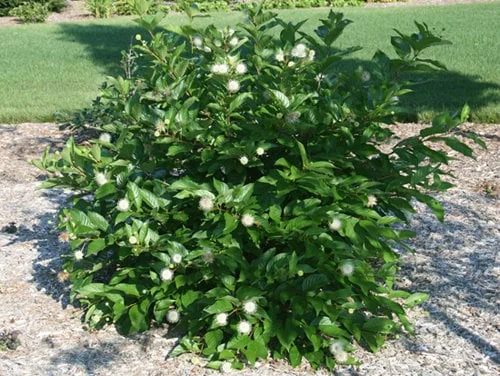
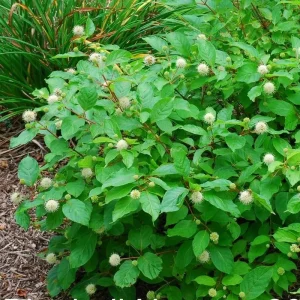
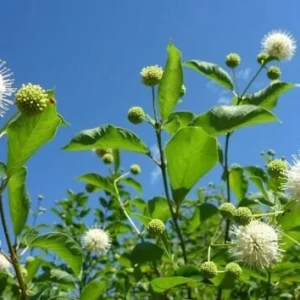
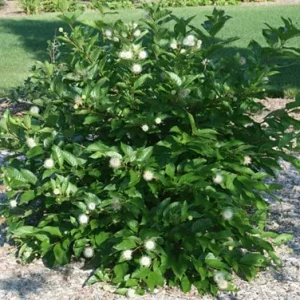
Buttonbush Shrub (Cephalanthus occidentalis) – 3 Bare-root Live Plants – Attracts Pollinators
Bring native beauty to your landscape with the Buttonbush Shrub (Cephalanthus occidentalis). This water-loving plant is perfect for rain gardens and wet areas, offering unique spherical flowers that attract pollinators. You receive 3 bare-root Buttonbush plants, ready for planting.
From Original price was: $143.92.$71.96Current price is: $71.96.

With our Alive & Thrive Guarantee, we’ve got your back for the first 30 days! If you have any concerns about your plants, just reach out to us. Our team is here to help answer your questions and guide you in selecting the best plants for your garden, climate, and unique preferences. We're excited to help you create the garden of your dreams!
Estimated arrival
Apr 01
Apr 06 - Apr 08
Apr 11 - Apr 15

Product Details
-
USDA Hardiness Zone
USDA zones 4-9 -
Soil type
Medium to wet soils, adaptable to clay, loam, sand -
Sunlight Exposure
Full sun to partial shade -
Expected Planting Period
Early spring or fall
Overview
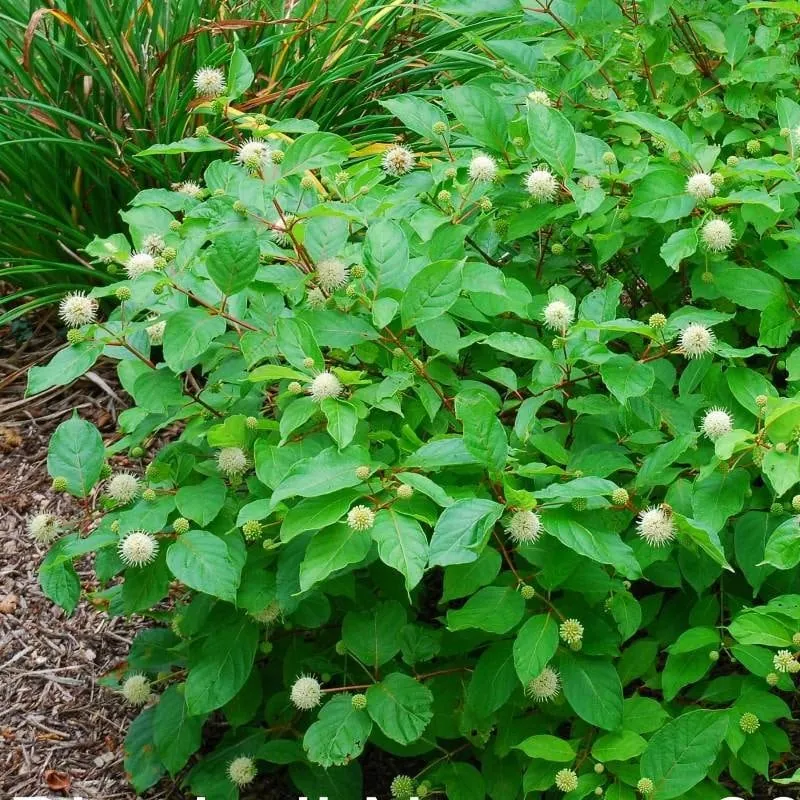
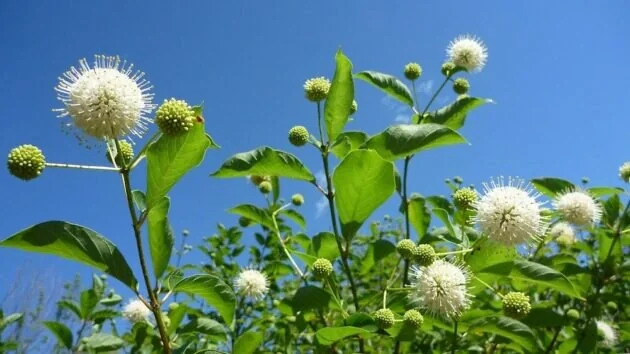
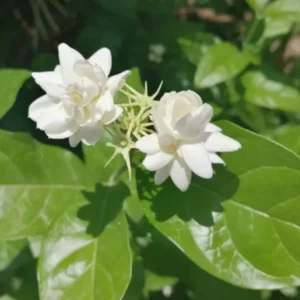
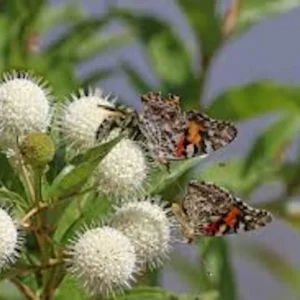
Introduce a touch of native charm and ecological benefit to your garden with the Buttonbush Shrub bare-root (Cephalanthus occidentalis). This deciduous shrub is a remarkable addition to any landscape, especially those with moist to wet soil conditions. Known for its distinctive, globe-like white flowers that bloom profusely throughout the summer, the Buttonbush Shrub is a magnet for a variety of pollinators, including bees and butterflies like the swallowtail. As a native species to the majority of the continental US, excluding the Pacific Northwest and some western states, it is perfectly adapted to local ecosystems, providing habitat and food for wildlife. These bare-root specimens offer a cost-effective and robust way to establish this beautiful and beneficial plant, allowing for easy handling and planting upon arrival. The Cephalanthus occidentalis plant is not just visually appealing but also plays a crucial role in supporting local biodiversity.
The Buttonbush Shrub thrives in USDA hardiness zones 4 through 9, making it a versatile choice for many regions. It prefers full sun to partial shade, and its exceptional tolerance for wet soils, including flood conditions and shallow standing water, makes it an ideal candidate for challenging environments such as rain gardens, pond margins, or wetland restoration projects. Growing up to 12 feet tall and 8 feet wide, this shrub develops a showy presence over time. Its unique flowers are followed by interesting fruiting heads that persist into winter, providing sustenance for waterfowl and shorebirds. Despite its benefits to wildlife, it’s important to note that the foliage is poisonous to livestock and other animals, so placement should be considered. Cultivating a native water garden shrub like the Buttonbush enhances the natural beauty of your property while contributing positively to the local environment.
Key Benefits
The Buttonbush Shrub offers a multitude of advantages for both the gardener and the ecosystem. Its unique attributes make it a standout choice for various landscape designs and environmental initiatives.
- Exceptional Pollinator Attraction: The spherical white flowers of the Buttonbush Shrub are a powerful draw for a wide array of pollinators. Bees, butterflies, and other beneficial insects flock to these nectar-rich blooms, promoting a vibrant and healthy garden ecosystem. This makes it an essential component for any pollinator friendly bush planting.
- Water-Tolerant & Rain Garden Essential: Uniquely adapted to moist and wet conditions, this shrub thrives where many others fail. It can tolerate periods of flooding and even shallow standing water, making it a perfect fit for rain gardens, boggy areas, or along stream banks. If you’re looking for a wet soil landscaping plant, the Buttonbush is an excellent choice.
- Native & Low Maintenance: As a native species, Buttonbush is naturally resilient and requires less intervention once established compared to non-native plants. It’s well-suited to local climates and soils, reducing the need for excessive watering, fertilizing, or pest control.
- Unique Ornamental Appeal: Beyond its ecological benefits, the Buttonbush offers distinct visual interest. Its fascinating button-like flowers provide a conversation starter, and the persistent fruiting heads add winter interest, contributing to a dynamic landscape year-round.
- Wildlife Support: In addition to pollinators, the seeds provide a valuable food source for waterfowl and shorebirds during the colder months, supporting local bird populations.
- Erosion Control: Its robust root system helps stabilize soil in wet areas, preventing erosion along waterways and in flood-prone zones. This is particularly beneficial for a Cephalanthus occidentalis plant in challenging sites.
- Adaptable to Various Light Conditions: While preferring full sun, Buttonbush can also perform well in partial shade, offering flexibility in planting location within your garden.
Plant Care & Growing Tips
Caring for your Buttonbush Shrub bare-root is straightforward, especially given its native resilience. To ensure successful establishment and vigorous growth, pay close attention to its specific needs regarding sunlight, water, and soil. Upon receiving your 3 bare-root Buttonbush plants, soak the roots in water for a few hours before planting. Dig a hole wide enough to accommodate the spread of the roots and deep enough so that the crown of the plant (where the stem meets the roots) is level with the soil surface. Backfill with soil, gently firming around the roots to remove air pockets, and water thoroughly.
Sunlight Requirements: The Buttonbush Shrub performs best in full sun (at least 6 hours of direct sunlight daily) but can tolerate partial shade (4-6 hours of direct sunlight or dappled shade throughout the day). In hotter climates, some afternoon shade can be beneficial to prevent stress. Ensure your chosen site provides adequate light for optimal flowering and growth. The Cephalanthus occidentalis plant adapts well to various exposures.
Watering Schedule and Soil Moisture: This shrub is a true water-lover. It requires medium to wet soils and does not tolerate dry conditions well. After planting, keep the soil consistently moist, especially during the first growing season, to help establish the root system. Once established, it can handle periods of standing water and flood conditions, making it an excellent choice for a native water garden shrub. For typical garden settings, ensure the soil remains moist but not waterlogged, unless it’s specifically a rain garden or pond edge environment.
Soil Type and Drainage: Buttonbush is adaptable to a range of soil types, including clay, loam, and sand, as long as moisture is consistently available. The most crucial factor is moisture retention rather than perfect drainage. It naturally thrives in heavy, wet soils often found in low woods, swamps, and stream margins. Avoid planting in excessively dry, sandy soils unless you can provide consistent supplemental irrigation. This makes it an ideal wet soil landscaping plant.
Temperature Range and USDA Hardiness Zone: The Buttonbush Shrub is hardy in USDA zones 4 through 9. It is quite tolerant of cold winters and hot summers within this range. No special winter protection is typically needed once established in its appropriate zone. Fertilization is generally not required for this native shrub, especially if planted in naturally rich, moist soil. If growth appears slow in very poor soils, a balanced, slow-release fertilizer can be applied in early spring, but avoid over-fertilizing. Common problems are few, as it’s a robust native plant. Deer generally avoid it due to its foliage being toxic to livestock, which can be a significant advantage in areas with deer pressure.
Size & Details
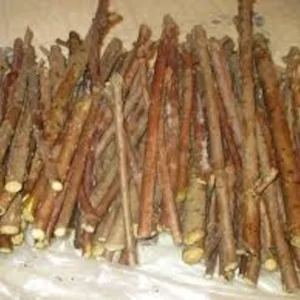
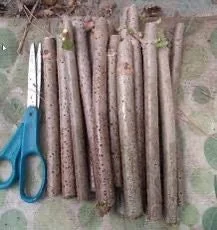
This offering includes 3 bare-root Buttonbush plants (Cephalanthus occidentalis), providing a robust start for your garden project. Each bare-root specimen is carefully packaged to ensure viability upon arrival, ready for immediate planting. When mature, the Buttonbush Shrub typically reaches a height of 6 to 12 feet (approximately 1.8 to 3.6 meters) with a spread of 4 to 8 feet (approximately 1.2 to 2.4 meters). Its growth rate is moderate to fast, allowing it to establish itself relatively quickly in suitable conditions. The unique spherical flowers, which are the hallmark of this shrub, appear in early summer and continue to bloom throughout the season, attracting a diverse range of pollinators.
The plant will ship in a dormant, bare-root state, which is the ideal time for planting in spring or fall. Expect the first leaves and new growth to emerge a few weeks after planting, depending on local weather conditions. While the mature size can be substantial, pruning can be done in late winter or early spring to maintain a desired shape or size, especially for specimens used as a pollinator friendly bush in smaller gardens. The woody stems develop an interesting, often twisted character with age, adding to its structural appeal, particularly in winter. The fruiting heads, which resemble small, hard buttons, remain on the plant long into the winter, offering visual interest and a food source for birds, further enhancing its value as a native water garden shrub.
Frequently Asked Questions
- Q: How big does this plant get? A: The Buttonbush Shrub typically grows to a mature height of 6 to 12 feet and can spread 4 to 8 feet wide. Its size can be managed with pruning if a more compact form is desired for your landscape.
- Q: What condition will the 3 bare-root Buttonbush plants arrive in? A: Your 3 bare-root Buttonbush plants will arrive dormant, carefully packaged to protect their root systems. They are ready to be planted immediately upon receipt for best results.
- Q: Is this an indoor or outdoor plant? A: The Buttonbush Shrub (Cephalanthus occidentalis) is an outdoor plant, native to North America. It is not suitable for indoor cultivation and thrives in garden settings, especially where moisture is abundant.
- Q: How much sunlight does it need? A: This plant prefers full sun (6+ hours of direct sunlight daily) but can also tolerate partial shade (4-6 hours). For optimal flowering and growth, full sun is recommended, making it a versatile wet soil landscaping plant.
- Q: Is this plant easy to care for? Is it good for beginners? A: Yes, the Buttonbush Shrub is considered easy to care for, especially since it is a native plant. Its tolerance for wet conditions and general resilience makes it a great choice for beginner gardeners looking for a low-maintenance option.
- Q: When is the best time to plant bare-root Buttonbush? A: The best time to plant bare-root Buttonbush is in early spring, as soon as the soil can be worked, or in the fall after the leaves have dropped. This allows the roots to establish before the stress of summer heat or deep winter cold.
- Q: Will it survive winter in my zone? A: The Cephalanthus occidentalis plant is hardy in USDA zones 4 through 9. If you are within these zones, it will typically survive winter without special protection once established.
- Q: Does the Buttonbush attract pollinators? A: Absolutely! The unique, spherical flowers of the Buttonbush Shrub are highly attractive to a wide variety of pollinators, including bees, butterflies (like swallowtails), and other beneficial insects, making it an excellent pollinator friendly bush.
- Q: Can Buttonbush be planted in constantly wet or flooded areas? A: Yes, one of the most remarkable features of the Buttonbush Shrub is its exceptional tolerance for wet conditions. It can thrive in consistently moist soils, boggy areas, and even tolerate periods of shallow standing water, making it perfect for rain gardens and pond edges.
- Q: Is the Buttonbush foliage safe for animals? A: While the flowers and seeds are consumed by certain wildlife, the foliage of the Buttonbush Shrub is considered poisonous to livestock and other animals. Care should be taken when planting in areas accessible to grazing animals.
| Size | 12-18'', 18-24'', 2-3', 6-12'' |
|---|
Related products
-20%
Original price was: $76.00.$60.80Current price is: $60.80.

-50%
Original price was: $59.98.$29.99Current price is: $29.99.
-20%
Original price was: $66.00.$52.80Current price is: $52.80.
-50%
Original price was: $49.98.$24.99Current price is: $24.99.
-30%
Original price was: $73.98.$51.78Current price is: $51.78.
PLANTING & CARE
Growing Glencoe Raspberry: A Complete Guide for Gardeners
If you’re looking to add something unique to your garden, look no further than the
31
Mar
Mar

The Comprehensive Guide to Growing Bay Leaf Plants for a Flavorful Garden
Imagine stepping into your garden, greeted by the earthy aroma of fresh bay leaves, their
09
Feb
Feb

How to Make Comfrey Tea: The Ultimate Organic Plant Food
Growing an organic garden can be surprisingly expensive, especially when most store-bought fertilizers come in
02
Feb
Feb

True Comfrey: 7 Essential Tips Before You Plant This Herb
A staple in permaculture practices across the US, True Comfrey easily earns its reputation as
27
Jan
Jan

7 Heart-Shaped Plants for a Lasting Valentine’s Gift
If you’ve ever bought a bouquet of roses for Valentine’s Day, you know they are
26
Jan
Jan

Best Types of Ivy Plant for Houses: How to Choose the Perfect Ones for Your Home
Are you a garden lover looking to introduce some greenery into your home? Maybe you’ve
14
Nov
Nov

When to Harvest Garlic (Especially Fall-Planted Garlic)
TIMING IS EVERYTHING, they say – and for garlic, that truth hits with surprising accuracy.
13
Nov
Nov

11 of the Best Sweet Potato Varieties to Grow for Your Garden
If you’ve ever tried growing sweet potatoes, you know that picking the right variety can
12
Nov
Nov