
Calamondin Tree Live Plant 2-Pack, Dwarf Citrus, 3-5 Inches Tall, Indoor
-10%


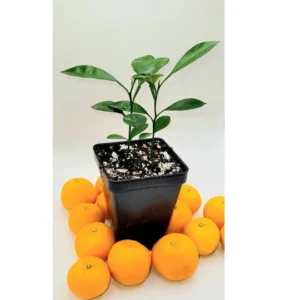
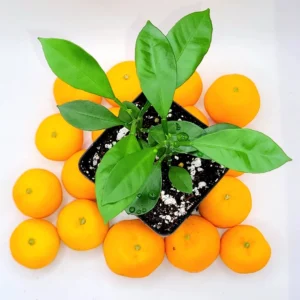


Calamondin Tree Live Plant 2-Pack, Dwarf Citrus, 3-5 Inches Tall, Indoor
Introduce exotic charm with this 2-pack of dwarf calamondin tree live plants, each 3-5 inches tall. Perfect for indoor cultivation, these citrus trees offer glossy leaves, fragrant white flowers, and tart, edible orange-like fruit year-round. Easy to care for, they make a rewarding addition to any home.
Original price was: $75.00.$67.50Current price is: $67.50.

With our Alive & Thrive Guarantee, we’ve got your back for the first 30 days! If you have any concerns about your plants, just reach out to us. Our team is here to help answer your questions and guide you in selecting the best plants for your garden, climate, and unique preferences. We're excited to help you create the garden of your dreams!
Estimated arrival
Apr 01
Apr 06 - Apr 08
Apr 11 - Apr 15


Product Details
-
USDA Hardiness Zone
USDA zones 9-11 (indoors in most regions) -
Soil type
Well-draining, slightly acidic citrus potting mix -
Sunlight Exposure
Full sun (6-8 hours direct light daily) -
Expected Planting Period
Year-round indoors
Overview
Introduce a touch of exotic charm and a burst of fresh flavor to your living space with this exquisite dwarf calamondin tree live plant. This offering includes two vibrant calamondin plants, each standing 3-5 inches tall, perfect for indoor cultivation. The calamondin, scientifically known as Citrofortunella microcarpa, is a delightful hybrid citrus plant, a cross between a kumquat and a mandarin orange. These miniature citrus trees are renowned for their ornamental appeal, producing glossy green leaves, fragrant white flowers, and an abundance of small, tart, orange-like fruit. Ideal for brightening up windowsills, desks, or any well-lit corner, the dwarf calamondin tree live plant is a rewarding addition for both seasoned gardeners and beginners looking to explore the world of indoor citrus. Grown indoors from seeds under optimal grow light conditions, these plants are robust and ready to flourish in their new homes, offering both beauty and a supply of delicious fruit for culinary adventures.
Key Benefits
Cultivating a dwarf calamondin tree live plant offers a multitude of advantages, transforming your indoor environment and providing a source of fresh, homegrown citrus. These versatile plants are more than just decorative; they are a functional and enjoyable addition to any home.
- Aesthetic Appeal: With their lush, dark green foliage, delicate white blossoms, and bright orange fruits, calamondin trees provide year-round visual interest. They make stunning focal points and add a vibrant touch of nature to any room, enhancing your home decor significantly.
- Fragrant Blooms: The small white flowers of the calamondin plant emit a sweet, intoxicating citrus fragrance that can naturally perfume your home, creating a refreshing and pleasant atmosphere.
- Edible Fruit Production: Enjoy a steady supply of tart, juicy calamondin fruit directly from your own home. These versatile fruits are perfect for drinks, desserts, sauces, or as a garnish, offering a unique flavor profile that brightens many dishes. Growing your own calamondin citrus plant ensures fresh, organic produce.
- Air Purification: Like many houseplants, calamondin trees contribute to a healthier indoor environment by naturally filtering air and releasing oxygen, improving air quality in your living space. This benefit makes the dwarf calamondin tree live plant a great choice for improving your home’s air quality.
- Educational and Rewarding: Watching your calamondin tree grow, blossom, and bear fruit is a deeply satisfying experience. It’s an excellent way to learn about plant care and the life cycle of fruit-bearing plants, making it a fulfilling hobby for all ages.
- Compact Size: The dwarf nature of these calamondin trees makes them perfectly suited for indoor living. They remain manageable in size, fitting comfortably in smaller spaces without requiring extensive pruning, making indoor citrus tree care accessible.
- Year-Round Harvest: Calamondin trees often bear fruit and flowers simultaneously throughout the year, meaning you can enjoy a continuous cycle of beauty and harvest from your dwarf calamondin tree live plant. This continuous production is a significant advantage of owning a calamondin fruit tree.
Plant Care & Growing Tips
Caring for your dwarf calamondin tree live plant is straightforward, and with the right attention, these resilient citrus trees will thrive indoors, rewarding you with beautiful foliage, fragrant flowers, and delicious fruit. The key to success lies in providing consistent light, proper watering, and a suitable growing environment. These plants appreciate stability and will flourish when their basic needs are met.
Sunlight Requirements: Calamondin trees are sun-lovers and require ample bright light to produce fruit and flowers. Place your plants in a location where they can receive at least 6-8 hours of direct sunlight per day. A south-facing window is often ideal. If natural light is insufficient, especially during winter months, supplementing with a high-quality grow light for 10-12 hours daily will be highly beneficial. Adequate light is crucial for a healthy and productive calamondin citrus plant.
Watering Schedule and Soil Moisture: Water your calamondin tree thoroughly when the top inch or two of the soil feels dry to the touch. Allow excess water to drain completely from the bottom of the pot. Avoid overwatering, as this can lead to root rot, but also prevent the soil from drying out completely for extended periods. Consistent moisture is important, but never let the plant sit in standing water. Reduce watering frequency slightly during the cooler, darker winter months. For optimal indoor citrus tree care, use lukewarm water to avoid shocking the roots.
Soil Type and Drainage Requirements: Calamondin trees thrive in well-draining, slightly acidic soil. A specialized citrus potting mix is ideal, or you can create your own by mixing standard potting soil with perlite, sand, or coco coir to improve drainage. Good drainage is paramount to prevent waterlogging and ensure healthy root development. Ensure your pot has drainage holes.
Temperature Range and USDA Hardiness Zone: As tropical plants, calamondin trees prefer warm temperatures, ideally between 60-85°F (15-29°C). Protect them from cold drafts and temperatures below 50°F (10°C), which can stress the plant and cause leaf drop. While primarily grown indoors in most of the US, if you live in a warm climate, they can be moved outdoors during summer. Their USDA hardiness zone is typically 9-11 when grown outdoors, but for indoor cultivation, maintaining a stable, warm environment is key.
Fertilization Schedule and Type: Feed your calamondin fruit tree with a balanced citrus-specific fertilizer during its active growing season (spring through fall). Follow the product instructions for dosage and frequency, typically every 2-4 weeks. Reduce or stop fertilizing during the winter dormancy period. A balanced fertilizer rich in micronutrients like iron, zinc, and manganese will support robust growth and fruit production.
Common Problems and Solutions: Watch out for common pests like spider mites, aphids, and scale insects. Inspect your plants regularly and treat infestations promptly with insecticidal soap or neem oil. Yellowing leaves can indicate nutrient deficiency (often iron), overwatering, or insufficient light. Adjust your care routine accordingly. Leaf drop can be a sign of environmental stress, such as sudden temperature changes or inconsistent watering.
Size & Details
This offering includes two healthy dwarf calamondin tree live plants, each standing approximately 3-5 inches tall from the base of the soil to the tip of the foliage. These young plants are compact and ideal for growing indoors on windowsills, desks, or in small spaces, making them perfect for those looking to buy calamondin plant online that fits urban living. They are shipped in their nursery pots, ensuring minimal disturbance to their root systems upon arrival. Calamondin trees are known for their relatively slow growth rate when young, typically adding a few inches of height per year, but they will eventually mature into small, bushy trees usually reaching 2-4 feet tall indoors with proper care and pruning. You can expect these plants to begin producing fragrant flowers and small fruits within 1-2 years under optimal growing conditions, offering a continuous harvest cycle. They are provided as established live plants, ready to be nurtured and enjoyed.
Frequently Asked Questions
- Q: How big does this plant get? A: Each dwarf calamondin tree live plant in this 2-pack is currently 3-5 inches tall. Indoors, they typically mature to a manageable size of 2-4 feet tall and wide, making them perfect for container growing.
- Q: What size pot does it come in? A: The plants are shipped in small nursery pots, ready for you to transplant into slightly larger decorative pots upon arrival. We recommend a pot with good drainage, initially around 4-6 inches in diameter.
- Q: Is this an indoor or outdoor plant? A: This calamondin citrus plant is primarily intended for indoor cultivation, especially in regions with cold winters. It can be moved outdoors during warm summer months (when temperatures are consistently above 50°F) but should be brought back inside before the first frost.
- Q: How much sunlight does it need? A: Calamondin trees require at least 6-8 hours of direct sunlight daily. A bright, south-facing window is ideal. Supplemental grow lights are highly recommended, especially during winter or in homes with limited natural light, to ensure a healthy and fruiting calamondin fruit tree.
- Q: Is this plant easy to care for? A: Yes, calamondin trees are considered one of the easier citrus plants to grow indoors, making them suitable for beginners. Consistent watering, ample light, and proper fertilization are the main keys to success for indoor citrus tree care.
- Q: What condition will it arrive in? A: Your dwarf calamondin tree live plant will arrive as a healthy, established plant in its nursery pot. We take great care in packaging to ensure it reaches you in excellent condition, ready to thrive in its new home.
- Q: Can I use calamondin fruit in cooking? A: Absolutely! Calamondin fruit is highly prized for its tart, unique flavor, a cross between lemon and lime. It’s excellent in drinks, marinades, desserts, sauces, and as a garnish. Many home cooks love to use it to add a bright, citrusy zing to their dishes. You can also find many resources on how to buy calamondin plant online to start your own culinary journey.
- Q: How long until it blooms and fruits? A: These young plants typically begin to flower and produce fruit within 1-2 years of receiving good care. Calamondin trees are often continuous producers, meaning they can have flowers and fruit on the plant simultaneously throughout the year.
- Q: When is the best time to plant? A: Since these are indoor plants, they can be potted and grown year-round. Repotting into a larger decorative pot is best done in spring or early summer when the plant is actively growing.
- Q: What’s the minimum temperature it can tolerate? A: Calamondin trees are sensitive to cold. They prefer temperatures above 60°F (15°C) and should not be exposed to temperatures below 50°F (10°C) for extended periods, as this can cause stress and damage to the plant.
- Q: Is this plant pet-safe? A: While the fruit is edible for humans, citrus plants, including calamondins, can be mildly toxic to pets if ingested in large quantities, potentially causing stomach upset. It’s best to keep pets from chewing on the leaves or stems of your dwarf calamondin tree live plant.
Related products
-35%
Original price was: $29.80.$19.36Current price is: $19.36.
-25%
Original price was: $16.80.$12.60Current price is: $12.60.
PLANTING & CARE
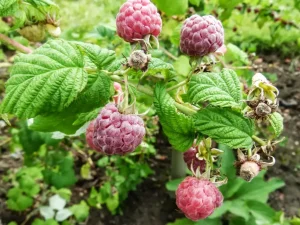
Growing Glencoe Raspberry: A Complete Guide for Gardeners
If you’re looking to add something unique to your garden, look no further than the
31
Mar
Mar

The Comprehensive Guide to Growing Bay Leaf Plants for a Flavorful Garden
Imagine stepping into your garden, greeted by the earthy aroma of fresh bay leaves, their
09
Feb
Feb

How to Make Comfrey Tea: The Ultimate Organic Plant Food
Growing an organic garden can be surprisingly expensive, especially when most store-bought fertilizers come in
02
Feb
Feb

True Comfrey: 7 Essential Tips Before You Plant This Herb
A staple in permaculture practices across the US, True Comfrey easily earns its reputation as
27
Jan
Jan

7 Heart-Shaped Plants for a Lasting Valentine’s Gift
If you’ve ever bought a bouquet of roses for Valentine’s Day, you know they are
26
Jan
Jan

Best Types of Ivy Plant for Houses: How to Choose the Perfect Ones for Your Home
Are you a garden lover looking to introduce some greenery into your home? Maybe you’ve
14
Nov
Nov

When to Harvest Garlic (Especially Fall-Planted Garlic)
TIMING IS EVERYTHING, they say – and for garlic, that truth hits with surprising accuracy.
13
Nov
Nov

11 of the Best Sweet Potato Varieties to Grow for Your Garden
If you’ve ever tried growing sweet potatoes, you know that picking the right variety can
12
Nov
Nov


