Calathea Rattlesnake Lancifolia Live Plant – 4 inch Pot – Indoor
-50%
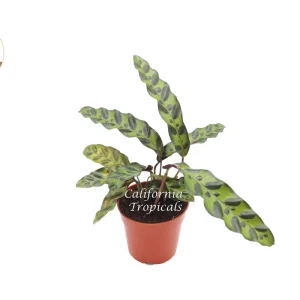
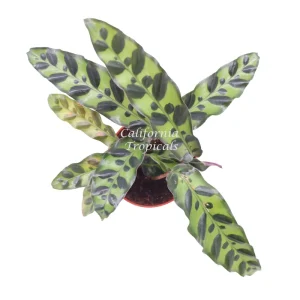
Calathea Rattlesnake Lancifolia Live Plant – 4 inch Pot – Indoor
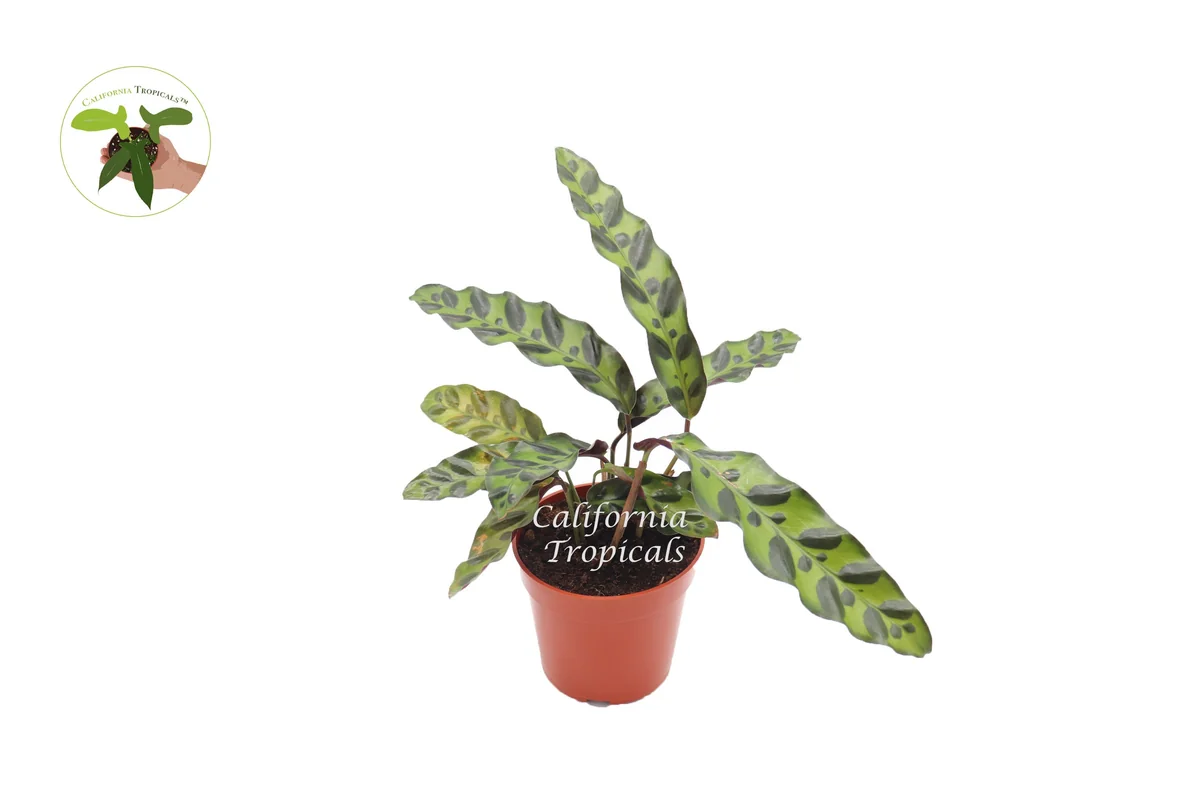
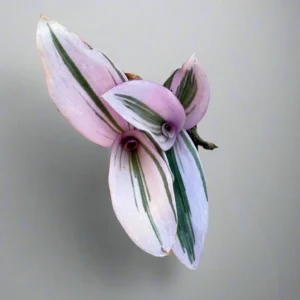
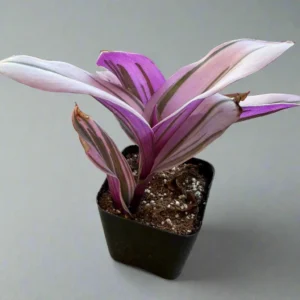
Bring tropical beauty indoors with the Calathea Rattlesnake live plant. This 4-inch potted plant features striking, elongated leaves with a unique rattlesnake pattern and purple undersides. Ideal for adding exotic flair to any room, it’s a popular choice among prayer plant varieties and offers vibrant, decorative foliage.
Original price was: $68.00.$34.00Current price is: $34.00.

With our Alive & Thrive Guarantee, we’ve got your back for the first 30 days! If you have any concerns about your plants, just reach out to us. Our team is here to help answer your questions and guide you in selecting the best plants for your garden, climate, and unique preferences. We're excited to help you create the garden of your dreams!
Estimated arrival
Mar 31
Apr 05 - Apr 07
Apr 10 - Apr 14
Product Details
-
USDA Hardiness Zone
USDA zones 10-11 (typically grown indoors) -
Soil type
Well-draining, peat-based potting mix -
Sunlight Exposure
Bright indirect light -
Expected Planting Period
Year-round indoors
Overview
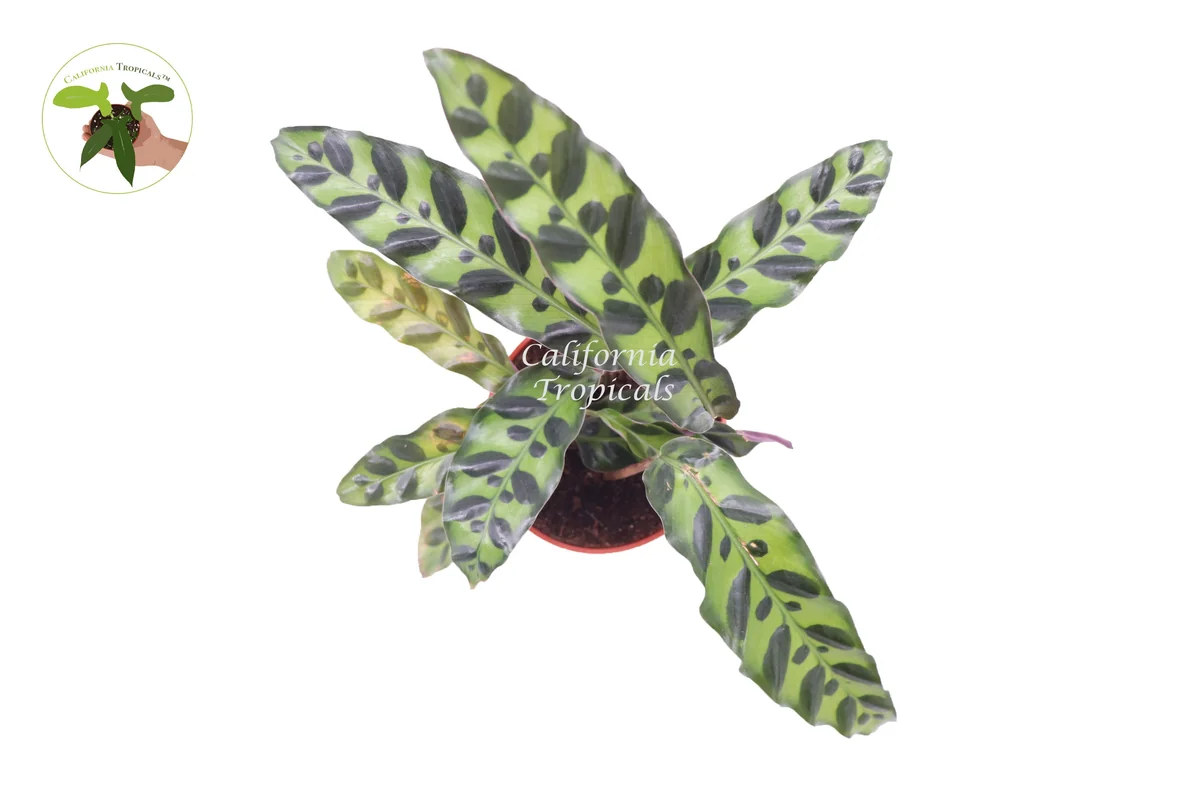
Introduce a touch of the exotic to your home with the magnificent Calathea Rattlesnake live plant. Also known by its botanical name, Calathea Lancifolia, this stunning houseplant is celebrated for its dramatic foliage and intricate patterns. Each elongated leaf boasts a vibrant green top side adorned with dark green, irregular oval spots, reminiscent of a rattlesnake’s skin, while the underside reveals a rich, contrasting purple hue. As a member of the ‘prayer plant’ family, the leaves of the Calathea Rattlesnake exhibit nyctinasty, folding upwards at night as if in prayer and unfurling again with the morning light. This captivating movement adds an engaging dynamic to its already impressive visual appeal. Perfect for plant enthusiasts seeking a statement piece, the indoor Calathea plant thrives in environments that mimic its native tropical understory, bringing lush, vibrant energy to any indoor setting.
This particular offering is for a healthy Calathea Rattlesnake live plant, ready to flourish in your home. Its distinctive appearance makes it a favorite among collectors and beginners alike, offering a sophisticated aesthetic without being overly demanding. The intricate patterns and rich colors of the foliage provide year-round interest, making it a focal point in any room. Its unique leaf movement is not just a fascinating spectacle but also a testament to its healthy growth, adapting to the light cycles of its environment.
Key Benefits
The Calathea Rattlesnake live plant offers numerous benefits beyond its captivating beauty, making it an excellent addition to any indoor plant collection. Its striking appearance and unique characteristics contribute significantly to a vibrant and healthy home environment.
- Stunning Decorative Foliage: The primary appeal of this plant lies in its highly ornamental leaves. The vibrant green with dark blotches and purple undersides provides a continuous display of natural art, enhancing the aesthetic of any room. It’s a favorite among prayer plant varieties for its visual interest.
- Air Purification Qualities: Like many houseplants, the Calathea Rattlesnake contributes to improved indoor air quality by filtering out common airborne toxins. This makes your living space not only more beautiful but also healthier.
- Unique Leaf Movement: Witness the fascinating daily ritual as the leaves fold upwards at night and unfurl during the day. This ‘prayer-like’ movement is a natural response to light cycles and adds an engaging, dynamic element to your indoor garden.
- Pet-Friendly Option: Unlike some other popular houseplants, Calathea Lancifolia is generally considered non-toxic to pets, offering peace of mind for pet owners who want to enjoy lush greenery.
- Enhances Tropical Ambiance: Its exotic appearance instantly transforms any space into a mini tropical oasis, creating a relaxing and inviting atmosphere, making it an ideal decorative foliage plant.
- Moderate Maintenance: While it requires consistent care, the Calathea Rattlesnake is not overly difficult to maintain once its specific needs for humidity and light are met, rewarding growers with continuous beauty.
- Natural Conversation Starter: Its distinctive patterns and movements often spark curiosity and conversation, making it a wonderful addition to social areas of your home.
Plant Care & Growing Tips
Caring for your Calathea Rattlesnake live plant involves understanding its tropical origins and replicating those conditions as closely as possible. Consistent attention to its environment will ensure vibrant growth and health. This indoor Calathea plant thrives on stability and a good routine.
Sunlight Requirements: Calatheas prefer bright, indirect light. Direct sunlight can scorch their delicate leaves, causing them to fade or develop brown spots. An east-facing window is often ideal, providing gentle morning sun, or a spot several feet away from a south or west-facing window. Insufficient light can cause the vibrant patterns to diminish. Rotate your plant occasionally to ensure even growth and exposure to light for all sides of the foliage.
Watering Schedule and Soil Moisture: Keep the soil consistently moist but never soggy. Water thoroughly when the top inch of soil feels dry to the touch. It’s better to underwater slightly than to overwater, as excessive moisture can lead to root rot. Use filtered, distilled, or rainwater, as Calatheas can be sensitive to chemicals found in tap water, such as chlorine and fluoride, which can cause leaf tip browning. Ensure good drainage to prevent waterlogging.
Soil Type and Drainage: A well-draining, peat-based potting mix is ideal for the Calathea Rattlesnake live plant. A mix designed for tropical plants or a combination of potting soil, perlite, and orchid bark usually works well. Good drainage is crucial to prevent water from sitting around the roots. Ensure the pot has drainage holes.
Temperature and Humidity: These plants thrive in warm, consistent temperatures between 65-80°F (18-27°C). Avoid sudden temperature fluctuations and cold drafts, which can stress the plant. High humidity is paramount for Calatheas, ideally above 60%. To achieve this, mist your plant regularly, place it on a pebble tray filled with water (ensuring the pot doesn’t sit directly in the water), or use a humidifier. Lack of humidity is a common cause of crispy leaf edges, a key indicator for Calathea Lancifolia care.
Fertilization: Feed your Calathea every 2-4 weeks during the growing season (spring and summer) with a balanced liquid fertilizer diluted to half strength. Reduce or stop fertilizing during the dormant winter months. Over-fertilization can lead to fertilizer burn, so always err on the side of less.
Common Problems and Solutions: Brown leaf tips or edges often indicate low humidity or sensitivity to tap water. Yellowing leaves can suggest overwatering or nutrient deficiency. Pests like spider mites can be an issue, especially in dry conditions; regularly inspect your plant and treat with neem oil or insecticidal soap if necessary. Understanding these common signs is vital for effective Calathea Lancifolia care.
Size & Details
This offering is for a vigorous Calathea Rattlesnake live plant, presented in a standard 4-inch nursery pot. At this size, the plant typically stands approximately 6-10 inches tall from the base of the pot to the top of its foliage, making it a perfect compact centerpiece for desks, shelves, or small tables. Its mature size can reach up to 1-2 feet in height and width indoors, forming a dense clump of upright leaves. The plant is shipped in its pot with soil, ensuring minimal transplant shock and a smooth transition to its new home. It exhibits a moderate growth rate, gradually expanding its stunning foliage over time. Expect new leaves to unfurl regularly under optimal growing conditions, each displaying the characteristic rattlesnake pattern. This decorative foliage plant is ready to bring immediate tropical charm to your space.
Frequently Asked Questions
- Q: How big does this Calathea Rattlesnake plant get? A: This Calathea Rattlesnake live plant is currently in a 4-inch pot. Indoors, it typically grows to a mature height and width of about 1 to 2 feet, creating a lush, bushy appearance.
- Q: Is this an indoor or outdoor plant? A: The Calathea Rattlesnake is primarily an indoor plant in most climates, as it requires consistent warm temperatures and high humidity. It can be placed outdoors in very warm, humid, and shaded environments, but it is not frost-tolerant.
- Q: How much sunlight does my Calathea Lancifolia need? A: Your Calathea Lancifolia care routine should include bright, indirect light. Direct sun can scorch its leaves, so an east-facing window or a spot away from harsh direct light is best.
- Q: What condition will the plant arrive in? A: Your Calathea Rattlesnake will arrive as a healthy, live plant, carefully packaged in its 4-inch nursery pot with soil, ensuring it is ready to thrive in its new environment.
- Q: Is the Calathea Rattlesnake pet-safe? A: Yes, the Calathea Rattlesnake (Calathea Lancifolia) is generally considered non-toxic to cats and dogs, making it a safe choice for households with pets.
- Q: What are the ideal temperature and humidity levels for this plant? A: This indoor Calathea plant prefers temperatures between 65-80°F (18-27°C) and high humidity, ideally above 60%. Regular misting or a humidifier can help maintain these conditions.
- Q: Why are the leaves of my Calathea Rattlesnake folding up at night? A: This is normal behavior! Calatheas are known as ‘prayer plants’ because their leaves fold upwards at night and lower during the day, a process called nyctinasty.
- Q: How often should I water my Calathea Rattlesnake? A: Water when the top inch of soil feels dry. Keep the soil consistently moist but never soggy. Using filtered or distilled water is recommended to prevent leaf browning.
- Q: Is this plant good for beginners? A: While it has specific humidity and watering needs, with consistent Calathea Lancifolia care, it can be a rewarding plant for beginners willing to learn its preferences. It’s a great decorative foliage plant to start with.
- Q: What kind of soil is best for a Calathea Rattlesnake? A: A well-draining, peat-based potting mix that retains some moisture is ideal. You can use a mix formulated for tropical plants or amend regular potting soil with perlite and orchid bark.
Related products
-5%
Original price was: $91.98.$87.38Current price is: $87.38.
-35%
Original price was: $29.80.$19.36Current price is: $19.36.
-25%
Original price was: $20.90.$15.68Current price is: $15.68.
-25%
Original price was: $16.80.$12.60Current price is: $12.60.
-25%
Original price was: $30.00.$22.50Current price is: $22.50.
PLANTING & CARE
Growing Glencoe Raspberry: A Complete Guide for Gardeners
If you’re looking to add something unique to your garden, look no further than the
31
Mar
Mar

The Comprehensive Guide to Growing Bay Leaf Plants for a Flavorful Garden
Imagine stepping into your garden, greeted by the earthy aroma of fresh bay leaves, their
09
Feb
Feb

How to Make Comfrey Tea: The Ultimate Organic Plant Food
Growing an organic garden can be surprisingly expensive, especially when most store-bought fertilizers come in
02
Feb
Feb

True Comfrey: 7 Essential Tips Before You Plant This Herb
A staple in permaculture practices across the US, True Comfrey easily earns its reputation as
27
Jan
Jan

7 Heart-Shaped Plants for a Lasting Valentine’s Gift
If you’ve ever bought a bouquet of roses for Valentine’s Day, you know they are
26
Jan
Jan

Best Types of Ivy Plant for Houses: How to Choose the Perfect Ones for Your Home
Are you a garden lover looking to introduce some greenery into your home? Maybe you’ve
14
Nov
Nov

When to Harvest Garlic (Especially Fall-Planted Garlic)
TIMING IS EVERYTHING, they say – and for garlic, that truth hits with surprising accuracy.
13
Nov
Nov

11 of the Best Sweet Potato Varieties to Grow for Your Garden
If you’ve ever tried growing sweet potatoes, you know that picking the right variety can
12
Nov
Nov