Cameo Flowering Quince Plant – Chaenomeles Speciosa Live Plant – 4 inch Pot – Bush/Shrub
-50%


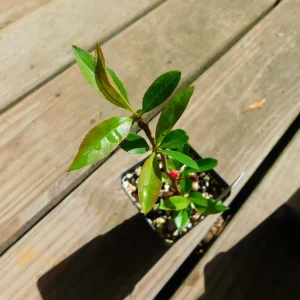

Cameo Flowering Quince Plant – Chaenomeles Speciosa Live Plant – 4 inch Pot – Bush/Shrub
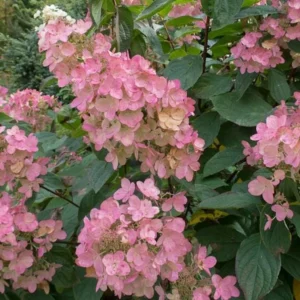
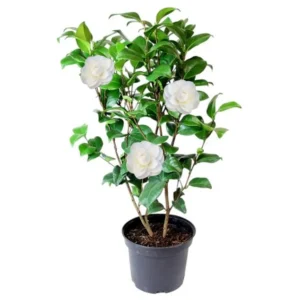
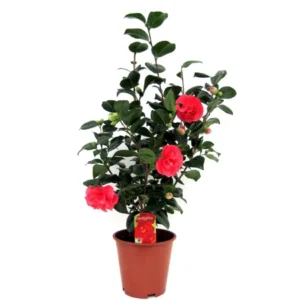
Bring vibrant spring color to your garden with the flowering quince live plant. This ‘Cameo’ variety of Chaenomeles speciosa offers beautiful orange and pink blooms. Ideal for zones 4-8, it grows as a resilient, deciduous bush/shrub, perfect for hedges or ornamental display. Shipped as a 4 inch potted seedling, ready to thrive outdoors.
Original price was: $51.80.$25.90Current price is: $25.90.

With our Alive & Thrive Guarantee, we’ve got your back for the first 30 days! If you have any concerns about your plants, just reach out to us. Our team is here to help answer your questions and guide you in selecting the best plants for your garden, climate, and unique preferences. We're excited to help you create the garden of your dreams!
Estimated arrival
Mar 26
Mar 31 - Apr 02
Apr 05 - Apr 09

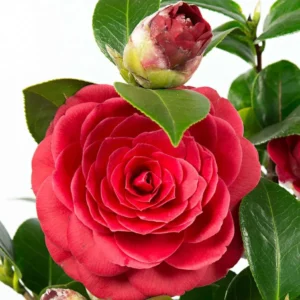
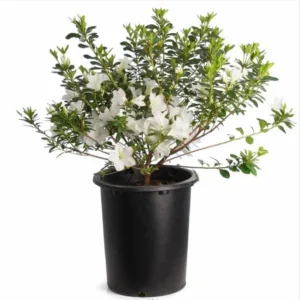
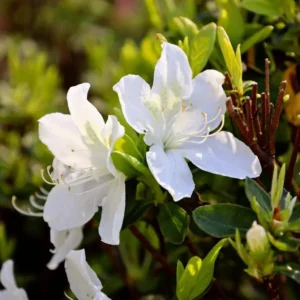
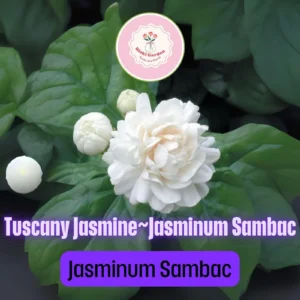
Product Details
-
USDA Hardiness Zone
4-8 -
Soil type
Prefers moist, well-draining soil -
Sunlight Exposure
Full Sun, Partial Shade -
Expected Planting Period
Spring to Fall
Overview
The flowering quince live plant, specifically the ‘Cameo’ variety of Chaenomeles speciosa, is a truly remarkable deciduous shrub that brings a burst of early spring color to any landscape. Known for its stunning display of orange and pink blossoms, this plant is a harbinger of warmer weather, often blooming even before Forsythia. Native to Eastern Asia, the Chaenomeles speciosa plant is celebrated for its hardiness, adaptability, and ornamental value. As a live plant, it offers an immediate impact in your garden, providing both visual interest and a sturdy structure. This particular offering is a vigorous seedling, delivered in a convenient 4 inch pot, making it easy to transplant and establish in your desired location. Whether you’re looking to create a vibrant hedge, add a striking specimen plant, or enhance your existing garden beds, the ‘Cameo’ flowering quince is an excellent choice that promises years of enjoyment.
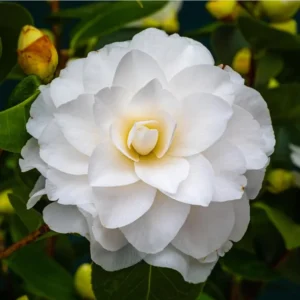
The ‘Cameo’ cultivar is particularly prized for its double, salmon-pink to orange flowers, which are more muted and elegant than some of the brighter red varieties. These intricate blooms emerge on bare stems, creating a dramatic and captivating spectacle against the still-dormant landscape. Beyond its floral beauty, the Cameo quince shrub is also known for producing small, apple-like fruits that, while tart, can be used for jellies and preserves, adding an edible dimension to its ornamental appeal. This makes it a versatile plant for gardeners who appreciate both aesthetics and utility. Its robust nature and relatively low maintenance requirements further solidify its status as a garden favorite.
Key Benefits
The ‘Cameo’ flowering quince live plant offers a multitude of benefits for any gardener, from its striking visual appeal to its practical uses and hardiness. It’s a plant that truly gives back, enhancing your outdoor space in numerous ways.
- Early Spring Blooms: One of the most significant advantages of this plant is its early flowering period. Long before many other plants awaken, the ‘Cameo’ quince bursts forth with beautiful orange and pink flowers, providing much-needed color and cheer during late winter or early spring. These blooms are a welcome sight and signal the arrival of the growing season.
- Vibrant Ornamental Value: The dense clusters of salmon-pink to orange flowers create a spectacular visual display. This makes the Chaenomeles speciosa plant an ideal choice for focal points, hedges, or mixed borders where its unique coloration can truly stand out against green foliage or other early spring bloomers.
- Hardy & Resilient: This shrub is incredibly tough, tolerating a wide range of conditions and thriving in USDA Hardiness Zones 4-8. It’s known for its cold resistance and ability to withstand various environmental stresses, making it a reliable choice for many climates.
- Edible Fruit Production: While primarily ornamental, the Cameo quince shrub produces small, aromatic fruits that can be harvested in the fall. These tart quinces are excellent for making preserves, jellies, or adding a unique flavor to baked goods, offering a delightful bonus for the home gardener.
- Low Maintenance: Once established, the flowering quince requires minimal care. It’s relatively drought-tolerant and not prone to many pests or diseases, making it an easy-to-grow option for both novice and experienced gardeners.
- Versatile Landscape Use: Its bushy habit and thorny branches make it suitable for various landscape applications, including security hedges, erosion control on slopes, or as an attractive backdrop for other plants. The deciduous foliage adds seasonal interest.
- Attracts Pollinators: The early spring flowers provide a valuable nectar source for early emerging bees and other pollinators, contributing to the biodiversity and health of your garden ecosystem.
Plant Care & Growing Tips
Caring for your flowering quince live plant is straightforward, making it an excellent choice for a variety of garden settings. To ensure your ‘Cameo’ Chaenomeles speciosa thrives, proper attention to its basic needs will result in a stunning and healthy shrub. This plant prefers a location with full sun to partial shade. Full sun (at least 6 hours of direct sunlight per day) will promote the most abundant flowering and best fruit production. While it can tolerate partial shade, too much shade may reduce the number of blooms. Good air circulation is also beneficial to prevent fungal issues. When considering growing flowering quince, ensure you pick a spot where it has room to spread, as it can become quite wide over time.
The ‘Cameo’ quince prefers moist, well-draining soil. It is not overly particular about soil type and can adapt to sandy, loamy, or clay soils, as long as drainage is adequate. Avoid consistently waterlogged conditions, which can lead to root rot. During its establishment period, water regularly to keep the soil consistently moist. Once established, it is relatively drought-tolerant but will benefit from occasional deep watering during prolonged dry spells. Fertilization is generally not heavily required; a balanced, slow-release fertilizer in early spring can encourage vigorous growth and blooming, but avoid over-fertilizing, which can lead to excessive foliage at the expense of flowers. For best results with your ornamental quince bush, prune immediately after flowering to shape the plant, remove any dead or crossing branches, and encourage new growth for the following year’s blooms. Pruning in late winter or early spring before flowering will remove flower buds.
The Chaenomeles speciosa plant is robust against many common garden pests and diseases. However, keep an eye out for issues like aphids on new growth or occasional leaf spot. Good garden hygiene and appropriate spacing can help prevent most problems. This plant is cold resistant, thriving in USDA Hardiness Zones 4 through 8, making it suitable for a wide range of climates across the United States. Its deciduous nature means it will lose its leaves in the fall, providing a winter silhouette before its spectacular spring reawakening.
Size & Details
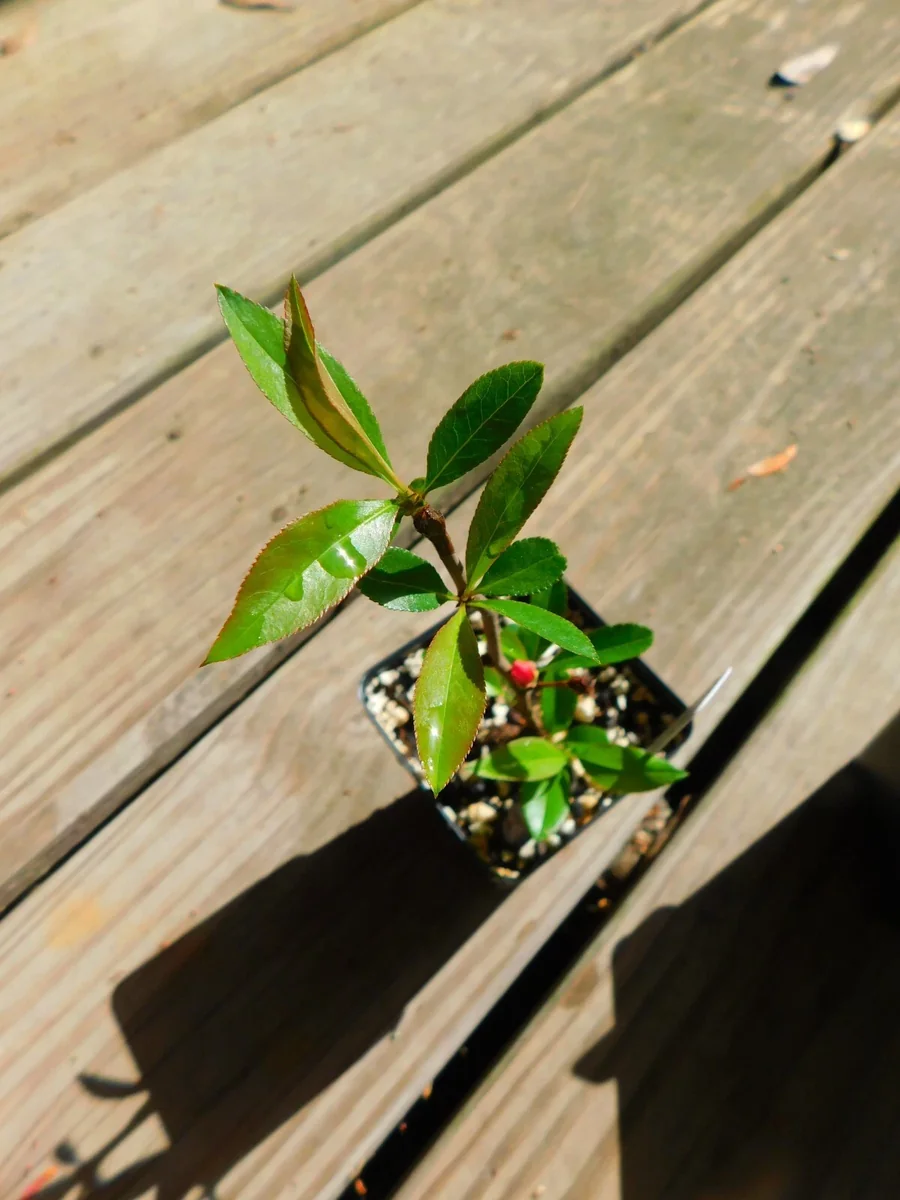
This offering is for one flowering quince live plant, ‘Cameo’ variety (Chaenomeles speciosa), shipped as a healthy seedling. The plant will arrive in a 4 inch pot, with an approximate height of 4-6 inches or taller, ready for transplanting into your garden or a larger container. These seedlings are in their early growth stage, allowing you to shape them as they mature into a beautiful bush or shrub. The ‘Cameo’ quince is known for its moderate to fast growth rate, quickly establishing itself in your landscape.
Mature plants typically reach a height and spread of 6-10 feet, forming a dense, rounded shrub. The plant is deciduous and features glossy green foliage during the growing season, which gives way to the vibrant orange and pink blooms in early spring. It is cold resistant and thrives in USDA Hardiness Zones 4-8. Expect the first significant flush of blooms in the spring following establishment, with increasing floral abundance each subsequent year. The plant is shipped with roots and soil carefully wrapped to ensure its health during transit, preparing it for its new home.
Frequently Asked Questions
- Q: How big will my flowering quince live plant get? A: This ‘Cameo’ variety typically grows to a mature height and spread of 6-10 feet. It forms a dense, rounded bush, making it suitable for a variety of landscape uses, from hedges to specimen plantings.
- Q: Is this an indoor or outdoor plant? A: The Chaenomeles speciosa plant is an outdoor deciduous shrub. It requires seasonal changes and a period of dormancy to thrive and produce its characteristic early spring blooms.
- Q: How much sunlight does the ‘Cameo’ Flowering Quince need? A: For the best flowering and overall health, your Cameo quince shrub should be planted in a location that receives full sun (at least 6 hours of direct sunlight daily). It can tolerate partial shade, but blooming may be less prolific.
- Q: Is this plant easy to care for? A: Yes, the growing flowering quince is considered relatively low maintenance once established. It’s hardy, drought-tolerant, and not particularly prone to pests or diseases, making it a good choice for gardeners of all skill levels.
- Q: When does the flowering quince bloom? A: The ‘Cameo’ flowering quince is an early bloomer, typically producing its vibrant orange and pink flowers in late winter to early spring, often before many other shrubs and trees begin to leaf out.
- Q: Can I eat the fruit from this plant? A: Yes, the small, apple-like fruits produced by the ornamental quince bush are edible, though quite tart. They are commonly used to make jellies, preserves, and marmalades, or can be cooked into desserts.
- Q: What USDA Hardiness Zones is this plant suitable for? A: The ‘Cameo’ flowering quince is cold resistant and thrives in USDA Hardiness Zones 4 through 8, making it adaptable to a wide range of climates.
- Q: What condition will the plant arrive in? A: Your flowering quince live plant will arrive as a healthy seedling, approximately 4-6 inches tall, in a 4 inch pot. It will be carefully packaged with wrapped roots and soil to ensure its vitality upon arrival, ready for planting.
- Q: What type of soil does a flowering quince prefer? A: This plant is adaptable but performs best in moist, well-draining soil. It can tolerate various soil types, including clay, loam, and sand, as long as water does not sit around its roots.
- Q: When is the best time to plant a flowering quince seedling? A: The best time to plant your ‘Cameo’ flowering quince seedling is in spring or fall, allowing it ample time to establish its root system before the extreme heat of summer or the deep cold of winter.
Related products
-50%
Original price was: $83.00.$41.50Current price is: $41.50.

-50%

Original price was: $63.00.$31.50Current price is: $31.50.
-50%
Original price was: $49.98.$24.99Current price is: $24.99.
-20%
Original price was: $20.00.$16.00Current price is: $16.00.
PLANTING & CARE

The Comprehensive Guide to Growing Bay Leaf Plants for a Flavorful Garden
Imagine stepping into your garden, greeted by the earthy aroma of fresh bay leaves, their
09
Feb
Feb

How to Make Comfrey Tea: The Ultimate Organic Plant Food
Growing an organic garden can be surprisingly expensive, especially when most store-bought fertilizers come in
02
Feb
Feb

True Comfrey: 7 Essential Tips Before You Plant This Herb
A staple in permaculture practices across the US, True Comfrey easily earns its reputation as
27
Jan
Jan

7 Heart-Shaped Plants for a Lasting Valentine’s Gift
If you’ve ever bought a bouquet of roses for Valentine’s Day, you know they are
26
Jan
Jan

Best Types of Ivy Plant for Houses: How to Choose the Perfect Ones for Your Home
Are you a garden lover looking to introduce some greenery into your home? Maybe you’ve
14
Nov
Nov

When to Harvest Garlic (Especially Fall-Planted Garlic)
TIMING IS EVERYTHING, they say – and for garlic, that truth hits with surprising accuracy.
13
Nov
Nov

11 of the Best Sweet Potato Varieties to Grow for Your Garden
If you’ve ever tried growing sweet potatoes, you know that picking the right variety can
12
Nov
Nov
Pruning Bougainvillea for Winter
Bougainvillea vines are known for their dazzling display of magenta, orange, and fuchsia bracts that
05
Nov
Nov