Caribbean Red Habanero Live Pepper Plants – 2 Pack, 9-13 inch Seedlings
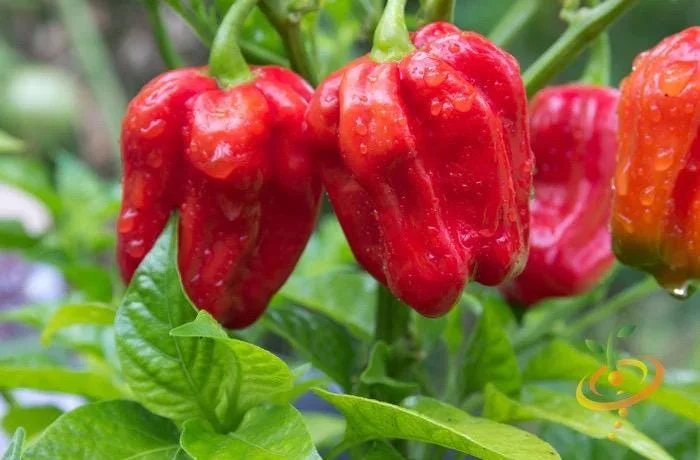
Caribbean Red Habanero Live Pepper Plants – 2 Pack, 9-13 inch Seedlings
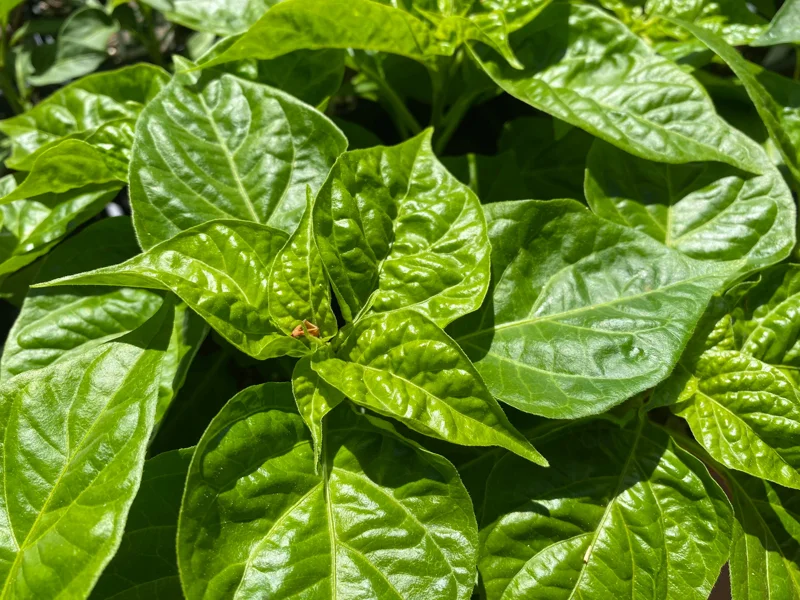
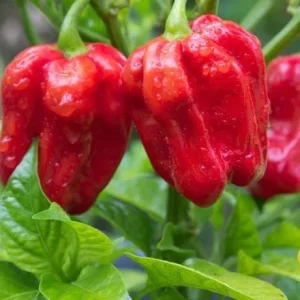
Bring intense heat to your garden with these Caribbean Red Habanero live plant seedlings. You will receive two healthy, 9-13 inch plants, ready for transplanting. Known for their vibrant red color and potent spice, these peppers reach 300,000-450,000 Scoville Heat Units, perfect for gardeners seeking a truly fiery harvest.
$37.98

With our Alive & Thrive Guarantee, we’ve got your back for the first 30 days! If you have any concerns about your plants, just reach out to us. Our team is here to help answer your questions and guide you in selecting the best plants for your garden, climate, and unique preferences. We're excited to help you create the garden of your dreams!
Estimated arrival
Aug 17
Aug 22 - Aug 24
Aug 27 - Aug 31

Product Details
-
USDA Hardiness Zone
USDA zones 9-11 (or grown as annuals) -
Soil type
Well-draining, fertile soil rich in organic matter -
Sunlight Exposure
Full sun (6-8 hours direct sunlight) -
Expected Planting Period
Spring to early summer (after last frost)
Overview
Introduce a burst of fiery flavor and vibrant color to your garden with the Caribbean Red Habanero live plant. This offering includes two robust, actively growing pepper plants, each standing approximately 9-13 inches tall and often arriving with developing peppers or blooms. The Caribbean Red Habanero is a highly sought-after variety, celebrated for its intense heat and distinctive fruity undertones. Originating from the Caribbean, these peppers are a staple in many spicy cuisines and sauces. Our plants are carefully nurtured and transplanted with a focus on developing strong root systems and sturdy stems, ensuring they are ready to thrive in your garden or containers. Experience the satisfaction of cultivating your own super-hot peppers from healthy, established seedlings.
The Caribbean Red Habanero live plant is an excellent choice for both experienced hot pepper enthusiasts and adventurous gardeners looking to expand their culinary horizons. With a Scoville Heat Unit (SHU) rating typically ranging from 300,000 to 450,000, these peppers deliver a significant kick. The plants are known for their vigorous growth and prolific fruiting, providing a bountiful harvest of beautiful, glossy red peppers. Enjoy the journey from planting these vibrant seedlings to harvesting your own intensely hot peppers, perfect for adding a fiery touch to any dish.
Key Benefits
Cultivating a Caribbean Red Habanero live plant offers numerous advantages for the home gardener and culinary enthusiast alike:
- Exceptional Heat: These peppers boast an impressive Scoville rating of 300,000-450,000 SHU, making them one of the hottest habanero varieties available. Perfect for those who truly appreciate intense spice in their cooking.
- Vibrant Color: The mature peppers ripen to a brilliant, glossy red, adding a stunning visual appeal to your garden and dishes. Their striking color makes them an attractive ornamental plant as well.
- Prolific Yield: Caribbean Red Habanero live plant specimens are known for their high productivity, providing a generous harvest of peppers throughout the growing season. You’ll have plenty for fresh use, drying, or making hot sauces.
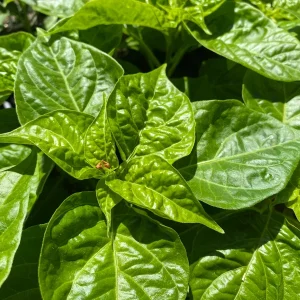
- Strong, Healthy Growth: Our seedlings are grown to be stalky and healthy, ensuring a strong foundation for successful growth in your garden. This robust start minimizes transplant shock and promotes vigorous development.
- Culinary Versatility: Beyond their heat, these peppers offer a unique fruity flavor that enhances salsas, marinades, hot sauces, and chili. They can be used fresh, dried, or powdered to infuse dishes with their distinct taste.
- Gardening Satisfaction: There’s immense satisfaction in growing your own super-hot peppers from a healthy seedling. Enjoy the process of nurturing these plants and reaping the rewards of your gardening efforts.
- Freshness Guaranteed: Growing your own peppers ensures you have access to the freshest, most flavorful ingredients, free from pesticides and picked at their peak ripeness.
Plant Care & Growing Tips
Caring for your Caribbean Red Habanero live plant to ensure a bountiful harvest requires attention to a few key environmental factors. These hot pepper plants thrive in conditions that mimic their native tropical environment. They are sun-loving plants, requiring at least 6-8 hours of direct sunlight per day. Choose a location in your garden that receives full sun exposure, or if growing in containers, place them in the brightest spot available. For optimal growth, these plants prefer warm temperatures, ideally between 70-85°F (21-29°C). They are not frost-tolerant, so protect them from cold snaps and bring container plants indoors if temperatures drop below 50°F (10°C). The typical USDA Hardiness Zones for outdoor cultivation are 9-11, but they can be grown as annuals in cooler climates.
When it comes to soil, the Caribbean Red Habanero live plant prefers a well-draining, fertile soil rich in organic matter. A slightly acidic to neutral pH (6.0-7.0) is ideal. If planting in containers, use a high-quality potting mix designed for vegetables or herbs. Consistent watering is crucial, especially during flowering and fruiting periods. Keep the soil consistently moist but never waterlogged; allow the top inch of soil to dry out slightly between waterings. Overwatering can lead to root rot, while underwatering can stress the plant and reduce yields. Fertilize regularly with a balanced fertilizer during the vegetative growth phase, switching to a phosphorus and potassium-rich fertilizer once flowering begins to promote fruit development. Watch out for common pepper pests like aphids and spider mites, and treat with organic insecticides if necessary. Proper care will lead to a successful harvest of your fiery habanero plant.
Size & Details
This offering provides two healthy Caribbean Red Habanero live plant seedlings, each measuring approximately 9-13 inches in height from the base of the stem to the top of the foliage. These plants are typically in bloom or already developing small peppers upon arrival, indicating their readiness to produce. They are shipped as established seedlings, carefully transplanted into substrate to encourage a strong, stalky stem and robust root system, minimizing transplant shock upon arrival. As mature plants, Caribbean Red Habanero plants can grow to be 2-4 feet tall and equally wide, depending on growing conditions and container size. They have a moderate growth rate and will continue to produce peppers throughout the warm growing season until the first frost. Expect a continuous harvest of these high Scoville peppers once they begin fruiting, typically within 60-90 days of transplanting to their final location.
Frequently Asked Questions
- Q: How big does this plant get? A: Each Caribbean Red Habanero live plant seedling will arrive at approximately 9-13 inches tall. When mature, these plants can reach a height of 2-4 feet and a similar width, depending on growing conditions and whether they are planted in the ground or in a container.
- Q: Is this an indoor or outdoor plant? A: While they thrive outdoors in warm climates (USDA Zones 9-11) or as annuals in cooler regions, they can also be grown indoors in a sunny location or under grow lights, especially if you’re interested in growing habanero peppers year-round.
- Q: How much sunlight does it need? A: These plants require full sun, meaning at least 6-8 hours of direct sunlight per day, for optimal growth and fruit production. Ensure they receive ample light to produce their signature fiery peppers.
- Q: Is this plant easy to care for? A: With consistent watering, adequate sunlight, and proper fertilization, hot pepper plant care for the Caribbean Red Habanero is relatively straightforward for most gardeners. They are considered moderately easy to care for once established.
- Q: What condition will it arrive in? A: Your plants are guaranteed to arrive live and healthy. They are shipped as robust seedlings, often with blooms or small peppers, and have been cultivated for strong root systems and sturdy stems.
- Q: How long until it blooms and produces peppers? A: Many plants may arrive already in bloom or with small peppers. After transplanting, you can typically expect a significant harvest of peppers within 60-90 days, continuing throughout the warm season.
- Q: What is the Scoville rating for these peppers? A: The Caribbean Red Habanero is known for its intense heat, with a Scoville Heat Unit (SHU) rating ranging from 300,000 to 450,000. This makes it a truly high Scoville pepper.
- Q: Can I use these peppers in cooking? A: Absolutely! These peppers are highly prized for their heat and fruity flavor, making them excellent for salsas, hot sauces, marinades, and any dish where you want to add a significant spicy kick.
- Q: What kind of soil does this plant prefer? A: This fiery habanero plant thrives in well-draining, fertile soil that is rich in organic matter. A good quality potting mix is recommended for container growing.
- Q: What’s the best way to protect them from cold? A: If you live in a region with cold winters, treat them as annuals or bring container plants indoors before the first frost. They are very sensitive to cold temperatures.
Related products
-20%
Original price was: $17.00.$13.60Current price is: $13.60.
-22%
Original price was: $160.99.$125.99Current price is: $125.99.
-20%
Original price was: $35.00.$28.00Current price is: $28.00.
-50%
Original price was: $37.99.$18.99Current price is: $18.99.
-20%
Original price was: $100.00.$80.00Current price is: $80.00.
-78%
Original price was: $39.99.$8.99Current price is: $8.99.
-20%
Original price was: $60.00.$48.00Current price is: $48.00.
-20%
Original price was: $36.00.$28.80Current price is: $28.80.
PLANTING & CARE
How to Grow Persian Silk Trees Easily in Your Garden
If you’re looking for a tree that brings a soft, tropical feel to your garden,
04
Aug
Aug
How to Grow Blue Java Banana Trees: A Beginner’s Guide
Have you ever heard of the Blue Java banana tree? If not, you’re in for
28
Jun
Jun
5 Common Blue Java Banana Tree Problems and How to Fix Them
Have you ever looked at your Blue Java banana tree (aka “ice cream banana”) and
19
Jun
Jun
Top 10 Plants for Father’s Day to Honor Dad This Father’s Day
Father’s Day is a special time to show your dad just how much he means
19
Jun
Jun
The Comprehensive Guide to Growing Bougainvillea for Colorful Blooms
Have you ever wanted your garden to be filled with brilliant color and tropical energy
19
Jun
Jun
How to Successfully Plant Bare Root Strawberries in Containers
Have you ever wondered about planting strawberries in containers, but aren’t sure where to begin?
11
Jun
Jun
Top 5 Easiest Ornamental Trees to Grow for Beginners
Ever feel overwhelmed by the idea of planting a tree in your yard? You’re not
11
Jun
Jun

Growing Glencoe Raspberry: A Complete Guide for Gardeners
If you’re looking to add something unique to your garden, look no further than the
31
Mar
Mar