Carolina Allspice Live Plant 12-18″ – Calycanthus Floridus Sweet Shrub in 2.5″ Pot
-10%
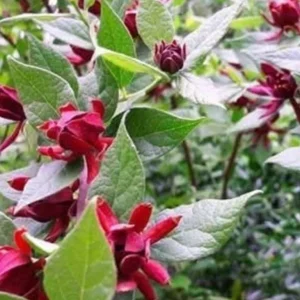
Carolina Allspice Live Plant 12-18″ – Calycanthus Floridus Sweet Shrub in 2.5″ Pot
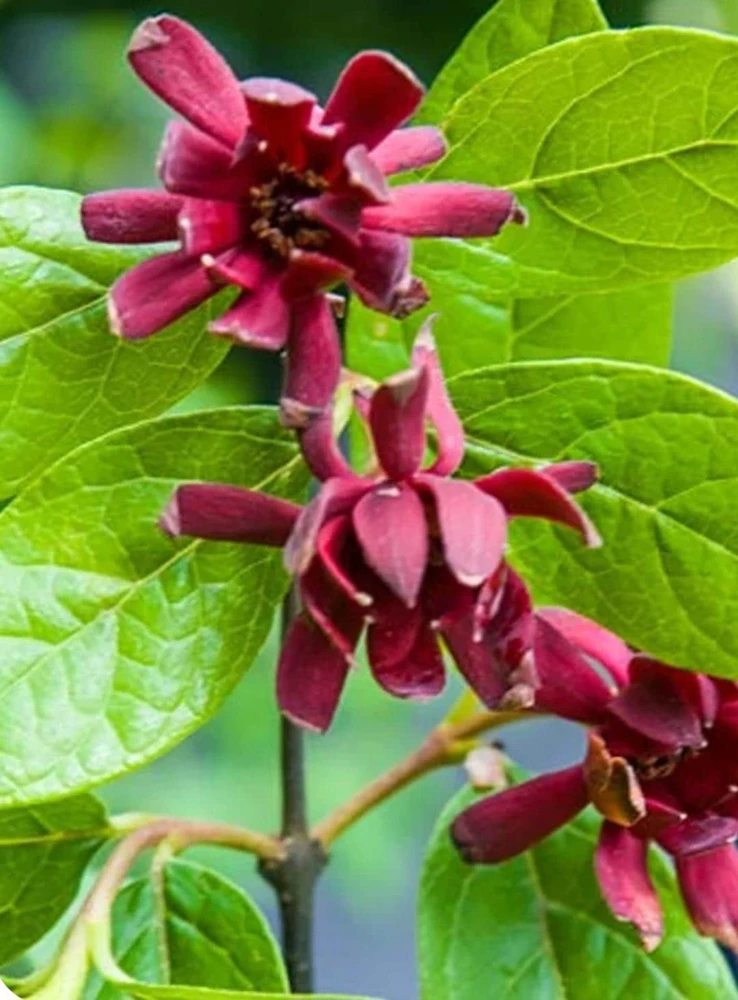
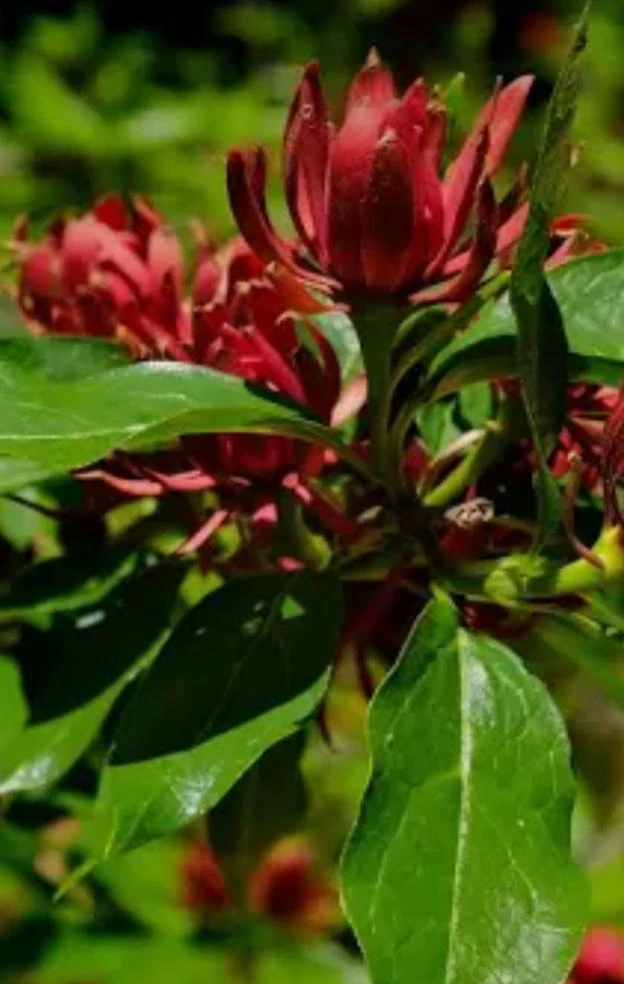
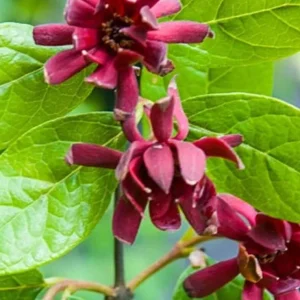
Bring the delightful fragrance of the Carolina Allspice live plant to your garden. This Sweet Shrub plant (Calycanthus floridus) produces unique reddish-maroon flowers with a fruity scent, known for its beauty and ease of care. Perfect for zones 4-9, it thrives in full sun to partial shade.
Original price was: $26.00.$23.40Current price is: $23.40.

With our Alive & Thrive Guarantee, we’ve got your back for the first 30 days! If you have any concerns about your plants, just reach out to us. Our team is here to help answer your questions and guide you in selecting the best plants for your garden, climate, and unique preferences. We're excited to help you create the garden of your dreams!
Estimated arrival
Oct 14
Oct 19 - Oct 21
Oct 24 - Oct 28



Product Details
-
USDA Hardiness Zone
4-9 -
Soil type
Well-draining loam -
Sunlight Exposure
Full sun to partial shade -
Expected Planting Period
Spring to fall
Overview
Introduce a touch of natural elegance and captivating fragrance to your landscape with the Carolina Allspice live plant. Also widely known as Sweet Shrub plant or Bubby Bush plant, its botanical name is Calycanthus floridus. This ornamental shrub is highly prized for its distinctive reddish-maroon flowers that emit a delightful, fruity fragrance, particularly noticeable on warm days. The Carolina Allspice live plant is a wonderful addition for gardeners seeking both visual appeal and an aromatic experience. It’s a robust and easy-to-grow specimen that brings year-round interest to outdoor spaces in various climates.
The Calycanthus floridus is a deciduous shrub native to the southeastern United States, celebrated for its unique beauty and resilience. It’s an ideal choice for woodland gardens, mixed borders, or as a specimen plant where its fragrant blooms can be fully appreciated. Even before its fragrant flowers appear, the shrub provides attractive foliage throughout the growing season. The Calycanthus floridus shrub is known for its ability to adapt to a range of soil conditions and light exposures, making it a versatile option for many garden designs.
Key Benefits
The Carolina Allspice live plant offers a multitude of benefits for any garden, making it a cherished choice among plant enthusiasts. Its unique characteristics contribute significantly to landscape aesthetics and sensory enjoyment.
- Distinctive Fruity Fragrance: The most notable feature of the Calycanthus floridus shrub is its unique, sweet, and fruity-smelling flowers. This natural perfume can waft through your garden, creating an enchanting atmosphere, especially when planted near patios or windows.
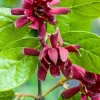
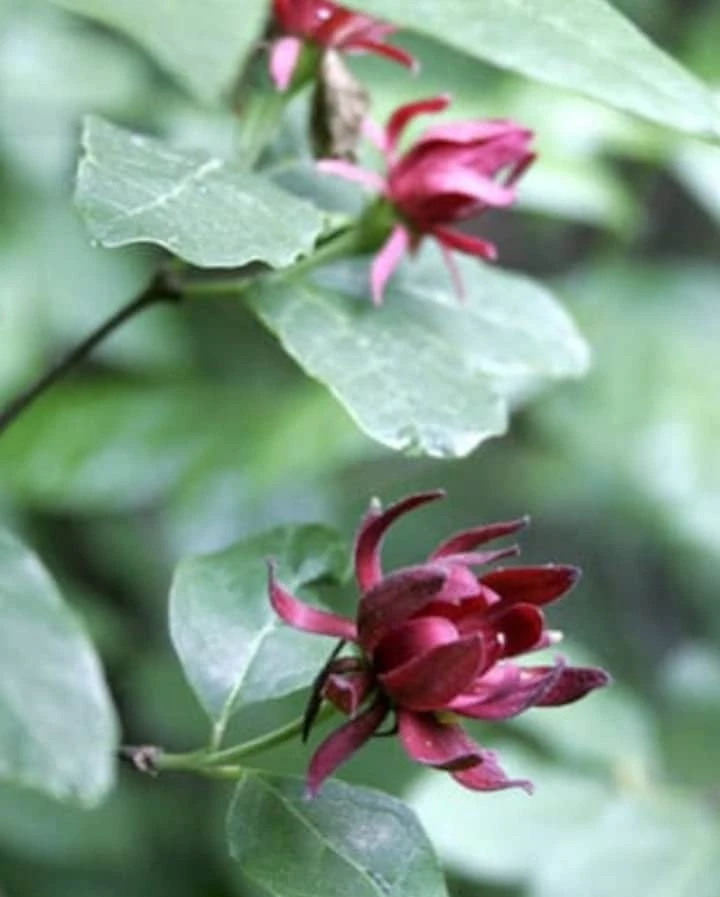
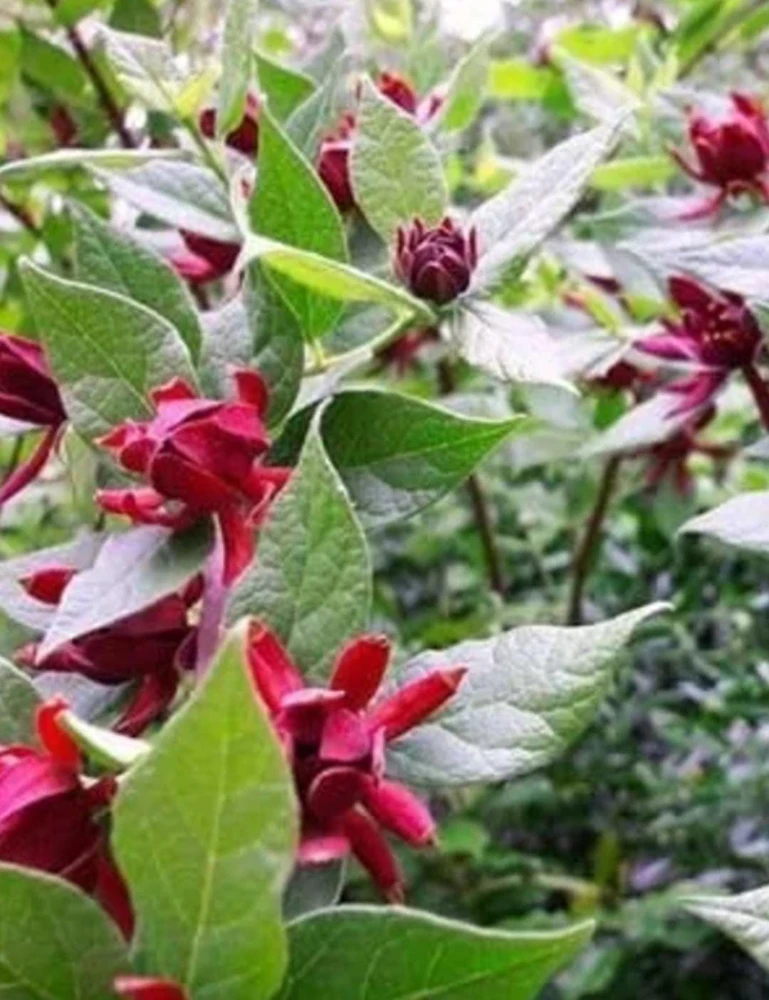
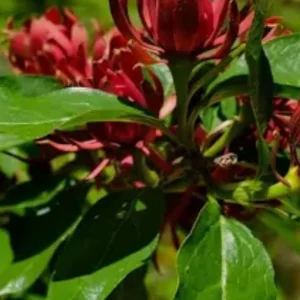
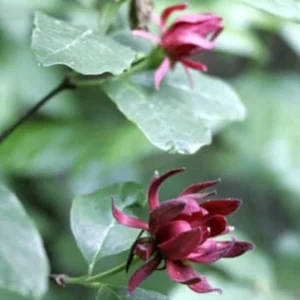
- Attractive Reddish-Maroon Blooms: The star-shaped, rich reddish-maroon flowers are visually striking and provide a beautiful contrast against its green foliage. These unusual blooms add a touch of exotic beauty to your garden.
- Low Maintenance & Hardy: This shrub is remarkably easy to care for and highly adaptable, making it suitable for both experienced gardeners and beginners. It’s a resilient plant that requires minimal intervention once established.
- Versatile Landscape Use: Whether used as a specimen plant, in mixed borders, or as part of a fragrant garden, the Sweet Shrub plant fits beautifully into various landscape designs. Its moderate size makes it suitable for different garden scales.
- Wildlife Attraction: While not a primary pollinator magnet, its unique flowers can attract some beneficial insects, contributing to garden biodiversity.
- Excellent for Zones 4-9: With a wide hardiness range, this plant is well-suited for a significant portion of the United States, offering reliable performance year after year.
- Year-Round Interest: Beyond its fragrant summer blooms, the shrub provides attractive foliage throughout the growing season, and its sturdy structure offers winter interest.
Plant Care & Growing Tips
Caring for your Carolina Allspice live plant is straightforward, ensuring years of enjoyment from this beautiful and fragrant shrub. Understanding its basic needs for sunlight, water, and soil will help it thrive and produce its signature blooms. This plant is known for its adaptability, making it a rewarding choice for many gardeners.
For optimal growth, the Calycanthus floridus shrub prefers a location with full sun to partial shade. Full sun (at least 6 hours of direct sunlight daily) will generally result in the most prolific flowering, while partial shade (2-4 hours of direct sun, or dappled light all day) is tolerated, especially in hotter climates where it can protect the plant from intense afternoon sun. Ensure the soil is well-draining but consistently moist. While it can tolerate some drought once established, regular watering is beneficial, especially during dry spells and in its first year of planting. Avoid overly soggy conditions, as this can lead to root rot.
The ideal soil for your fragrant garden shrub is a rich, well-draining loam. It can adapt to a variety of soil types, including clay and sandy soils, as long as drainage is adequate. Amending the planting hole with compost or other organic matter can improve soil structure and fertility. The Bubby Bush plant is hardy in USDA Zones 4 through 9, meaning it can withstand winter temperatures down to -30°F (-34°C). Fertilize in early spring with a balanced, slow-release granular fertilizer formulated for trees and shrubs. Pruning is best done after flowering to maintain shape and remove any dead or crossing branches. This typically involves removing old, woody stems at the base to encourage new growth and more blooms. Pests and diseases are generally not a significant concern for the Carolina Allspice live plant, making it a relatively trouble-free addition to your garden.
Size & Details
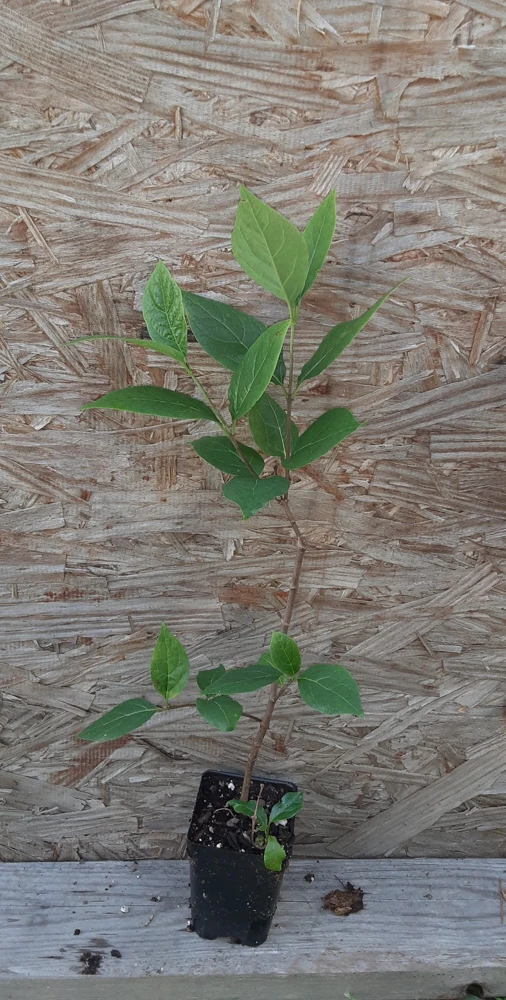
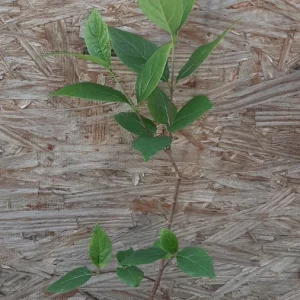
This offering is for a Carolina Allspice live plant, typically measuring 12-18 inches in height upon arrival, and provided in a 2.5-inch nursery pot. The plant is a young, healthy specimen ready for transplanting into your garden or a larger container. At maturity, the Calycanthus floridus, or Sweet Shrub plant, can reach an impressive height of 6-9 feet with a spread of 6-12 feet, creating a substantial presence in the landscape. It exhibits a medium to fast growth rate, allowing you to enjoy its beauty and fragrance relatively quickly.
The plant is shipped as a dormant plant between October and April, which is a natural and healthy state for young shrubs during cooler months, ensuring it establishes well in its new home. Once planted in its preferred environment, it will emerge from dormancy with lush foliage and eventually its characteristic reddish-maroon, fruity-scented flowers. This fragrant garden shrub is a long-lived perennial, providing many years of enjoyment and an excellent investment for your outdoor space.
Frequently Asked Questions
- Q: How big does this plant get? A: The Carolina Allspice live plant typically grows to a mature height of 6-9 feet and can spread 6-12 feet wide. It has a medium to fast growth rate, filling out your garden space effectively.
- Q: What size pot does it come in? A: This Calycanthus floridus shrub is shipped in a 2.5-inch nursery pot, and the plant itself measures 12-18 inches tall, ready for immediate planting or potting up.
- Q: How much sunlight does it need? A: The Sweet Shrub plant thrives in full sun to partial shade. For the most abundant flowers and best fragrance, aim for at least 6 hours of direct sunlight per day.
- Q: Is this plant easy to care for? A: Yes, the Carolina Allspice live plant is considered a low-maintenance shrub. It’s adaptable to various conditions and generally resistant to pests and diseases, making it excellent for beginners.
- Q: What condition will it arrive in? A: During the dormant season (October-April), the plant will arrive without leaves, which is normal and healthy. During the growing season, it will have foliage. Planting instructions are included to help you get started.
- Q: When is the best time to plant this shrub? A: The best time to plant the Bubby Bush plant is in spring or fall. However, if planting from a container, it can be planted any time the ground is not frozen, ensuring adequate watering during establishment.
- Q: Will it survive winter in my zone? A: This fragrant garden shrub is hardy in USDA Zones 4-9, meaning it is well-equipped to handle a wide range of winter temperatures within those zones.
- Q: Does this plant attract pollinators? A: While not a primary pollinator magnet like some other flowering plants, its unique flowers can attract some beneficial insects to your garden, contributing to its ecological balance.
- Q: What kind of soil does the Carolina Allspice prefer? A: It prefers well-draining, fertile soil, ideally a loam rich in organic matter. However, it is quite adaptable and can tolerate various soil types as long as they are not waterlogged.
- Q: How often should I water my newly planted Carolina Allspice? A: For the first year after planting, water regularly to keep the soil consistently moist but not soggy. Once established, it becomes more drought-tolerant but will benefit from watering during prolonged dry spells.
Related products
-50%


Original price was: $63.00.$31.50Current price is: $31.50.
-76%
Original price was: $103.96.$24.99Current price is: $24.99.
-43%
Original price was: $89.99.$50.99Current price is: $50.99.
-60%
Original price was: $53.99.$21.59Current price is: $21.59.
-42%
Original price was: $43.99.$25.59Current price is: $25.59.
PLANTING & CARE
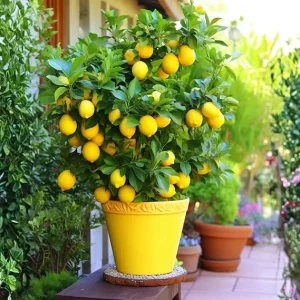
Lemon Tree Growing: Choose, Plant, and Harvest
Learn how to choose, plant, feed, and protect a lemon tree so it fits your
23
Sep
Sep
Dwarf Meyer Lemon Tree Australia: Climate Guide
Learn where dwarf Meyer lemon trees grow, how much cold they tolerate, and whether Australia,
Where to Buy a Dwarf Meyer Lemon Tree: Buyer’s Guide
Find the right dwarf Meyer lemon tree online or locally, compare starter sizes and costs,
Dwarf Meyer Lemon Tree for Sale: Buying Guide
Compare Meyer lemon tree sizes, prices, shipping limits, indoor growing and California options before you
Dwarf Meyer Lemon Tree Guide: Size, Care and Fruit
META: Learn how large a dwarf Meyer lemon tree grows, where it thrives, and how
How to Prune a Dwarf Meyer Lemon Tree
Learn when and how to prune a dwarf Meyer lemon tree, including tools, shaping cuts,
Can You Grow a Dwarf Meyer Lemon Tree in a Pot?
META: Learn how to grow a dwarf Meyer lemon tree in a pot, including container
When Do Dwarf Meyer Lemon Trees Bloom and Fruit?
META: Dwarf Meyer lemon trees usually bloom from winter through spring and may flower again