Cecilove Mango Tree Grafted Live Plant – Dwarf Fruit Tree, 2-4 Feet Tall
-50%
Cecilove Mango Tree Grafted Live Plant – Dwarf Fruit Tree, 2-4 Feet Tall
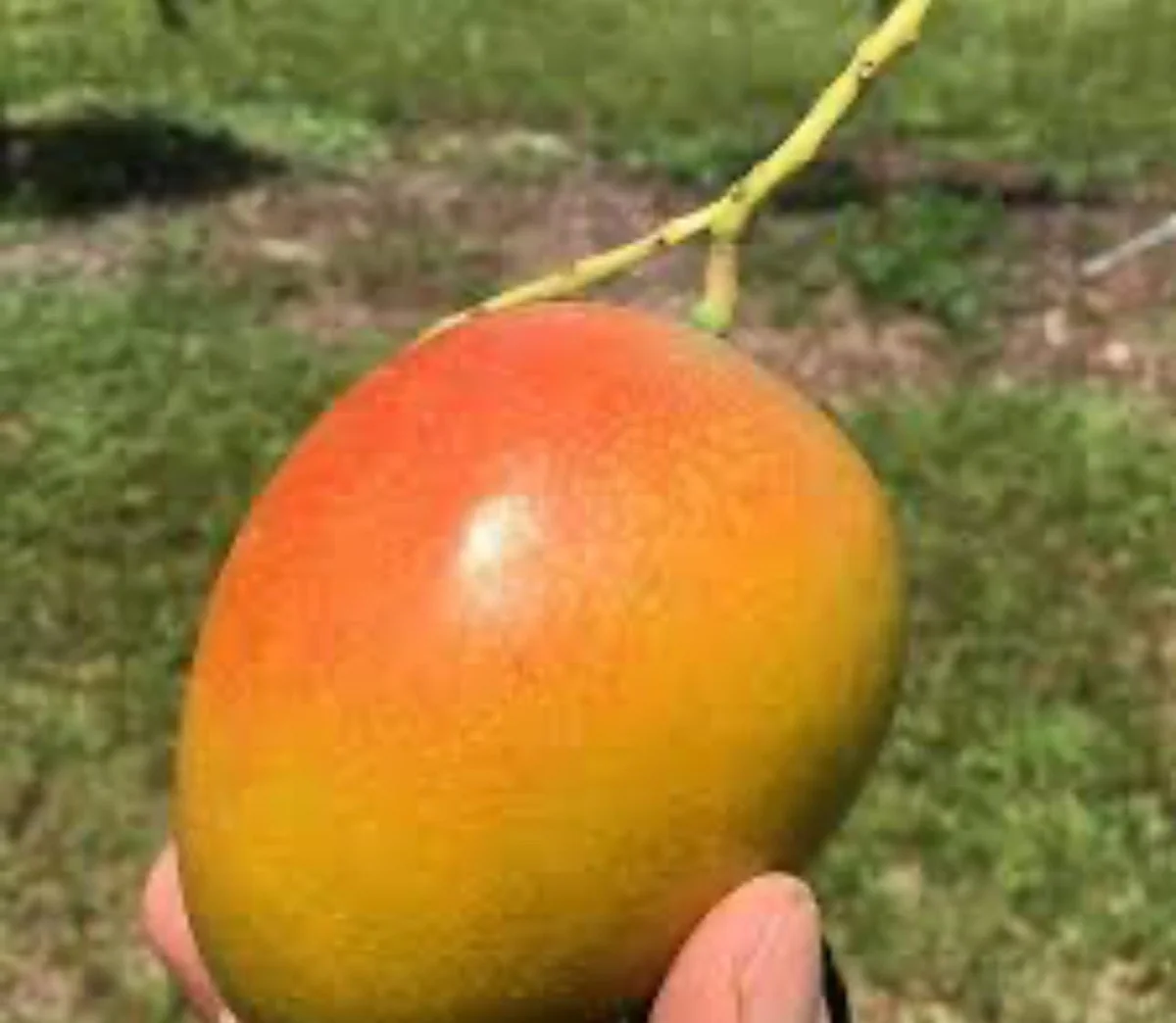
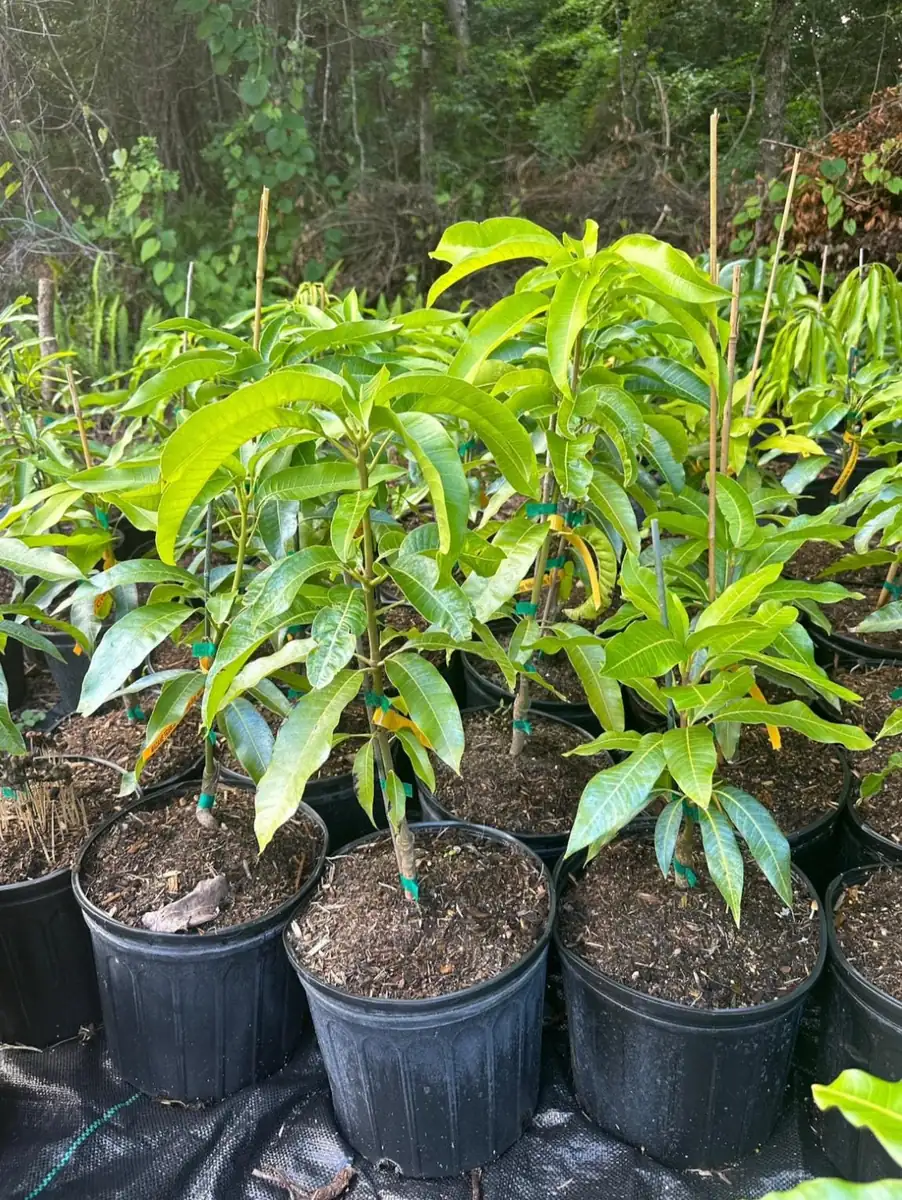
Bring the tropics to your home with a Cecilove mango tree. This grafted mango plant produces delicious, fiberless fruit with a rich, sweet-tart flavor. Its compact, dwarf mango tree habit makes it suitable for various garden spaces, offering excellent disease resistance and superb eating quality.
Original price was: $289.96.$144.98Current price is: $144.98.

With our Alive & Thrive Guarantee, we’ve got your back for the first 30 days! If you have any concerns about your plants, just reach out to us. Our team is here to help answer your questions and guide you in selecting the best plants for your garden, climate, and unique preferences. We're excited to help you create the garden of your dreams!
Estimated arrival
Apr 13
Apr 18 - Apr 20
Apr 23 - Apr 27


Product Details
-
USDA Hardiness Zone
USDA zones 9-11 (or indoors) -
Soil type
Well-draining, slightly acidic to neutral soil -
Sunlight Exposure
Full sun (6-8+ hours direct sunlight) -
Expected Planting Period
Spring to early summer (year-round indoors)
Overview
Cultivate your own tropical paradise with the exceptional Cecilove mango tree, a highly sought-after variety known for its outstanding fruit quality and manageable size. This grafted mango plant is a live specimen, typically standing 2-4 feet tall, ready to thrive in your garden or a large container. Originating from a selective breeding program, Cecilove mangoes are celebrated for their completely fiberless, yellow flesh and a complex flavor profile that hints at Indochinese mangoes with a delightful cola-like sweetness when fully ripe. Ideal for both seasoned gardeners and those new to growing tropical fruit, this tree promises a rewarding harvest of delicious, high-Brix fruit. Its compact growth habit makes it an excellent choice for smaller spaces or for those looking for a dwarf mango tree that still delivers on yield and flavor.
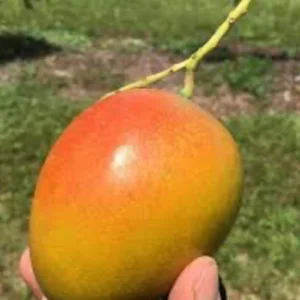
The Cecilove mango is distinguished by its ovate, medium-sized fruit that ripens to a vibrant yellow. Beyond its exquisite taste, this variety boasts excellent disease resistance, making it a robust and reliable addition to any fruit tree collection. Whether you’re in a tropical climate or looking to grow a unique tropical fruit tree in a protected environment, the Cecilove offers an unparalleled experience in home-grown mangoes.
Key Benefits
Choosing the Cecilove mango variety brings a multitude of advantages to your home garden, promising not just delicious fruit but also a resilient and aesthetically pleasing plant. The unique characteristics of this grafted mango plant make it a standout choice for any enthusiast looking to grow a dwarf mango tree.
- Exceptional Fruit Quality: Enjoy medium-sized, ovate fruit with luscious, completely fiberless yellow flesh. The flavor is a rich Indochinese hybrid, starting with a defined tartness that transitions to a syrupy sweetness with notes of ‘cola’ as it ripens.
- High Brix Levels: Brix measurements for Cecilove mangoes consistently hit in the 20s, indicating an extraordinarily sweet and flavorful fruit, comparable to premium market varieties.
- Compact Growth Habit: Known for its somewhat slow and very dense, compact growth, this tree is ideal for those with limited space, making it an excellent dwarf mango tree option. It’s perfect for container growing or smaller garden plots.
- Disease Resistance: The Cecilove variety exhibits outstanding disease resistance, contributing to easier mango plant care and a healthier tree with less intervention.
- Mid-Season Maturity: Fruit matures mid-season, providing a delightful harvest when many other mango varieties might not be available.
- Monoembryonic Seed: This means the seed will produce a single, genetically identical seedling to the parent tree, ensuring consistent fruit quality if grown from seed (though this is a grafted plant for faster fruiting).
- Aesthetic Appeal: Beyond its fruit, the dense foliage and compact form of the Cecilove mango tree add an attractive tropical element to any landscape or patio.
Plant Care & Growing Tips
Proper mango plant care is crucial for a healthy and productive Cecilove mango tree. This grafted mango plant thrives with consistent attention to its environmental needs. For sunlight, your Cecilove mango requires full sun, meaning at least 6-8 hours of direct sunlight daily to produce the best fruit. In extremely hot climates, some afternoon shade can be beneficial to prevent leaf scorch. If growing indoors, place it near a south-facing window or supplement with grow lights to ensure adequate light exposure. Maintaining proper watering is key; allow the top few inches of soil to dry out slightly between waterings, then water deeply until water drains from the bottom of the pot. Avoid overwatering, as this can lead to root rot. Good drainage is essential for this tropical fruit tree.
The ideal soil for your dwarf mango tree is a well-draining, slightly acidic to neutral soil mix (pH 6.0-7.0). A good quality potting mix amended with perlite or sand for improved drainage works well for container-grown plants. For in-ground planting, ensure your soil is not heavy clay. Mangoes are tropical plants and prefer warm temperatures, ideally between 70-90°F (21-32°C). They are sensitive to cold and should be protected when temperatures drop below 40°F (4°C). The USDA hardiness zone for mangoes is typically 9-11, but container growing allows for protection in colder regions. Fertilize your Cecilove mango tree regularly during the growing season (spring through fall) with a balanced fertilizer formulated for tropical fruit trees, following the product’s instructions. Reduce fertilization in winter when growth slows. Pruning is important for shaping the tree, encouraging fruit production, and maintaining its compact size. Remove any dead, diseased, or crossing branches, and prune to create an open canopy for better air circulation and light penetration, which is vital for optimal mango plant care.
Size & Details
This offering is for a Cecilove mango tree, a premium grafted mango plant that typically arrives 2-4 feet tall, measured from the base of the pot to the top of the plant. Grafted trees ensure faster fruiting and true-to-type fruit production compared to trees grown from seed. The tree exhibits a very compact and dense growth habit, making it an excellent choice as a dwarf mango tree. While its exact mature height can vary based on growing conditions and pruning, it generally remains smaller and more manageable than many other mango varieties, often topping out at 8-12 feet in the ground or considerably smaller in a container. It has a relatively slow growth rate, contributing to its dense form.
Your tropical fruit tree will arrive well-rooted in a nursery pot, ready for transplanting into a larger container or directly into your garden. The monoembryonic seed characteristic means that while the fruit is excellent, the grafted nature of this plant is what guarantees the swift production of the beloved Cecilove mangoes. Expect fruit maturity mid-season, typically between June and August, depending on your specific climate and growing conditions. With proper mango plant care, you can look forward to enjoying your own harvest in just a few years.
Frequently Asked Questions
- Q: How big does this Cecilove mango tree get? A: This Cecilove mango tree is a grafted mango plant that typically arrives 2-4 feet tall. It is known for its compact, dwarf mango tree habit, usually maturing to 8-12 feet in the ground, but can be kept smaller with pruning or in a container.
- Q: What size pot does it come in? A: The tree will arrive in a standard nursery pot, sized appropriately for its current height and root system, ready for you to transplant it into a larger container or your garden.
- Q: Is this an indoor or outdoor plant? A: The Cecilove mango tree is a tropical fruit tree best grown outdoors in USDA Zones 9-11. In colder climates, it can be successfully grown in a large container and moved indoors to a sunny location during winter.
- Q: How much sunlight does it need? A: For optimal growth and fruit production, your grafted mango plant requires full sun, meaning at least 6-8 hours of direct sunlight per day.
- Q: Is this plant easy to care for? A: With proper attention to its basic needs—sunlight, water, and soil—the Cecilove mango is considered relatively easy to care for, especially given its disease resistance. Following consistent mango plant care guidelines will ensure success.
- Q: What condition will it arrive in? A: Your tropical fruit tree will arrive as a healthy, live plant, carefully packaged to ensure its safety during transit and ready for planting upon arrival.
- Q: When is the best time to plant a Cecilove mango tree? A: The best time to plant is typically in the spring or early summer after the last chance of frost, allowing the plant ample time to establish itself before cooler weather.
- Q: Will it survive winter in my zone? A: If you are outside of USDA Zones 9-11, your Cecilove mango tree will need to be protected from cold temperatures and brought indoors during winter months to survive.
- Q: How long until it blooms and produces fruit? A: As a grafted mango plant, the Cecilove mango tree can produce fruit much sooner than seed-grown trees, often within 2-3 years of planting, given optimal growing conditions and good mango plant care.
- Q: What kind of flavor does the Cecilove mango have? A: The Cecilove mango is celebrated for its rich, complex Indochinese hybrid flavor, with a tart component that fades as it ripens, transitioning to a syrupy sweetness with desirable notes of ‘cola.’ It is completely fiberless.
Related products

PLANTING & CARE

Growing Glencoe Raspberry: A Complete Guide for Gardeners
If you’re looking to add something unique to your garden, look no further than the
31
Mar
Mar

The Comprehensive Guide to Growing Bay Leaf Plants for a Flavorful Garden
Imagine stepping into your garden, greeted by the earthy aroma of fresh bay leaves, their
09
Feb
Feb

How to Make Comfrey Tea: The Ultimate Organic Plant Food
Growing an organic garden can be surprisingly expensive, especially when most store-bought fertilizers come in
02
Feb
Feb

True Comfrey: 7 Essential Tips Before You Plant This Herb
A staple in permaculture practices across the US, True Comfrey easily earns its reputation as
27
Jan
Jan

7 Heart-Shaped Plants for a Lasting Valentine’s Gift
If you’ve ever bought a bouquet of roses for Valentine’s Day, you know they are
26
Jan
Jan

Best Types of Ivy Plant for Houses: How to Choose the Perfect Ones for Your Home
Are you a garden lover looking to introduce some greenery into your home? Maybe you’ve
14
Nov
Nov

When to Harvest Garlic (Especially Fall-Planted Garlic)
TIMING IS EVERYTHING, they say – and for garlic, that truth hits with surprising accuracy.
13
Nov
Nov

11 of the Best Sweet Potato Varieties to Grow for Your Garden
If you’ve ever tried growing sweet potatoes, you know that picking the right variety can
12
Nov
Nov