Cedar Bay Cherry Live Plant – Eugenia Reinwardtiana Red Fruit Tree, USDA Zone 9
-50%
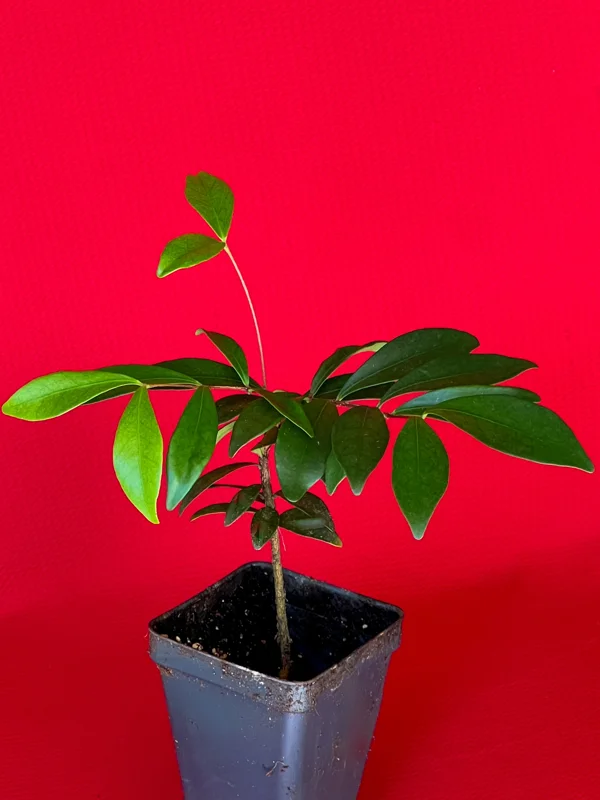
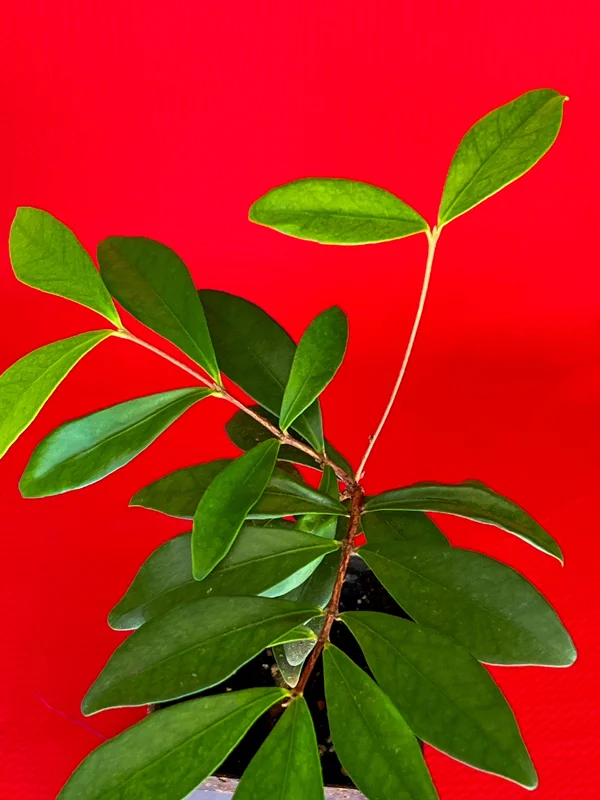
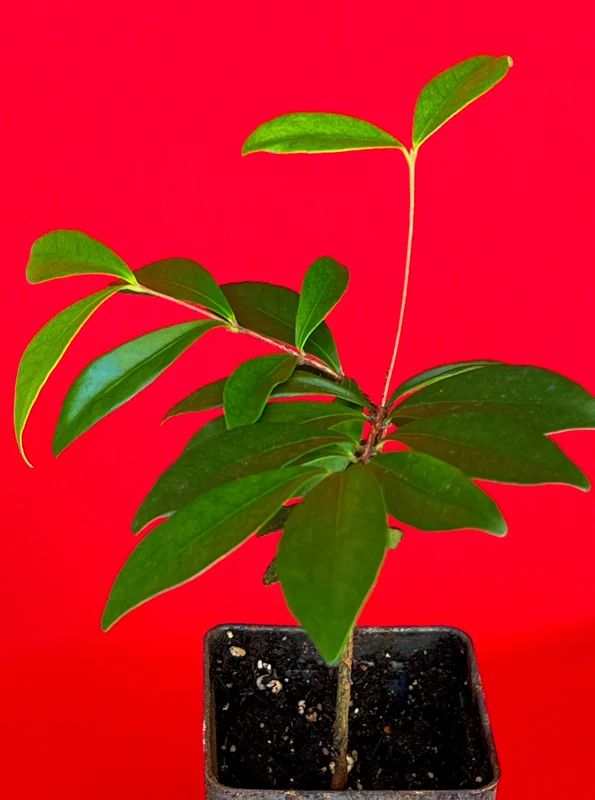
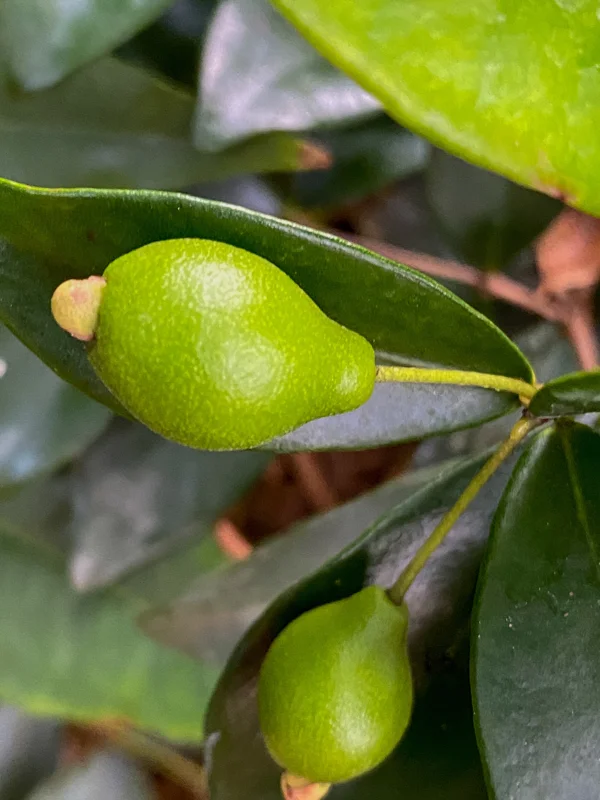
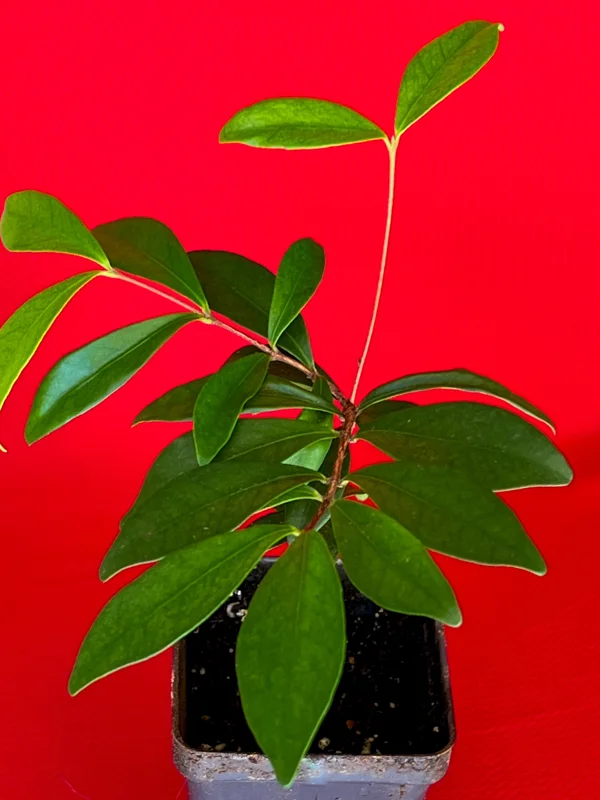
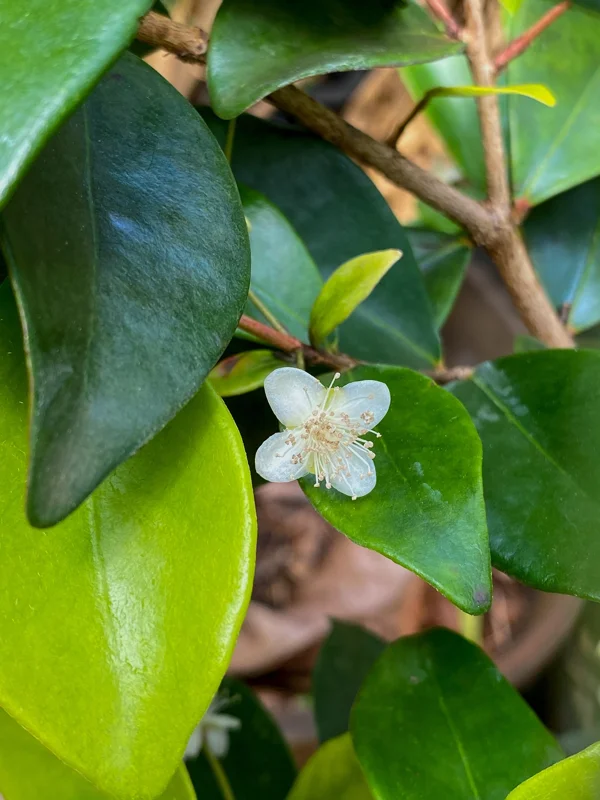
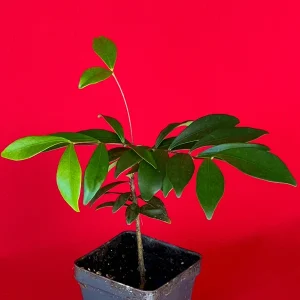
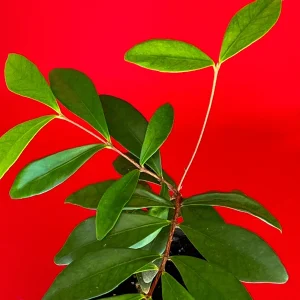
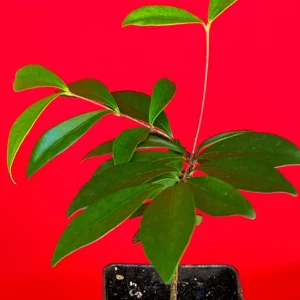
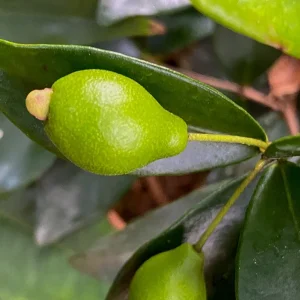
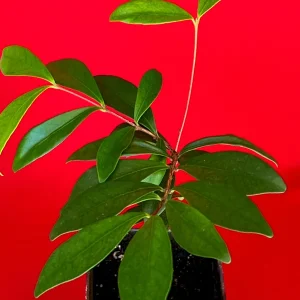
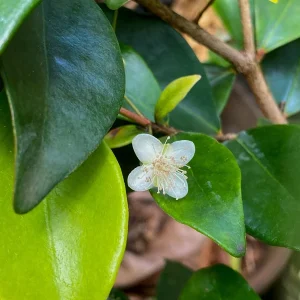
Cedar Bay Cherry Live Plant – Eugenia Reinwardtiana Red Fruit Tree, USDA Zone 9
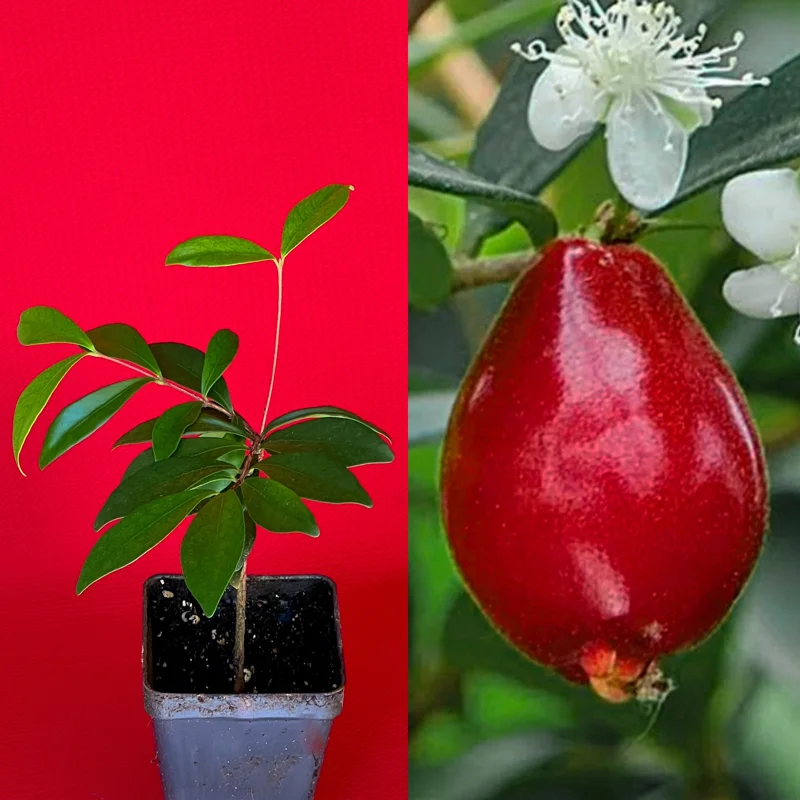
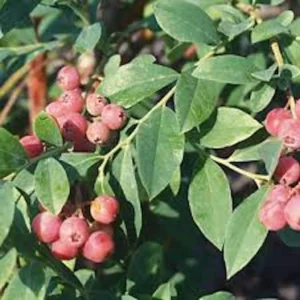
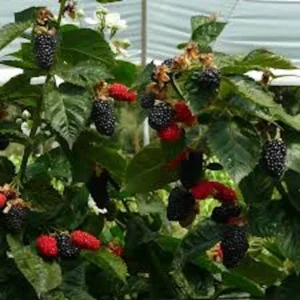
Bring the tropics to your garden with a cedar bay cherry live plant. This beautiful eugenia reinwardtiana fruit tree produces delicious edible red fruit plant and thrives in warm climates (USDA Zone 9+), offering evergreen foliage and white blooms.
Original price was: $48.42.$24.21Current price is: $24.21.

With our Alive & Thrive Guarantee, we’ve got your back for the first 30 days! If you have any concerns about your plants, just reach out to us. Our team is here to help answer your questions and guide you in selecting the best plants for your garden, climate, and unique preferences. We're excited to help you create the garden of your dreams!
Estimated arrival
Apr 13
Apr 18 - Apr 20
Apr 23 - Apr 27
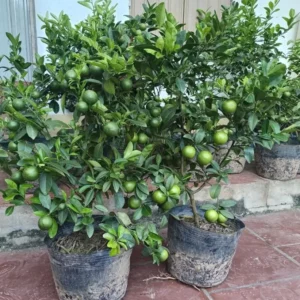
Product Details
-
USDA Hardiness Zone
USDA Zone 9 -
Soil type
Well-draining soil -
Sunlight Exposure
Full Sun - Partial Shade -
Expected Planting Period
Year-round in warm climates; spring/summer for establishment
Overview
Discover the exotic beauty and delicious fruits of the cedar bay cherry live plant (Eugenia reinwardtiana). Also known as Beach Cherry, Australian Beach Cherry, Mountain Stopper, or Nioi in Hawaiian, this versatile plant is a shrub to small tree in the Myrtaceae family, native to the lush tropical forests of northern Queensland, Indonesia, and the Pacific Islands. Our cedar bay cherry live plant offers an opportunity to cultivate a unique tropical fruit right in your own garden or patio. It’s a delightful addition for any plant enthusiast looking for an evergreen specimen that not only beautifies the landscape but also provides a sweet, edible harvest. This robust tropical plant is known for its resilience and adaptability, making it a rewarding choice for both novice and experienced gardeners.
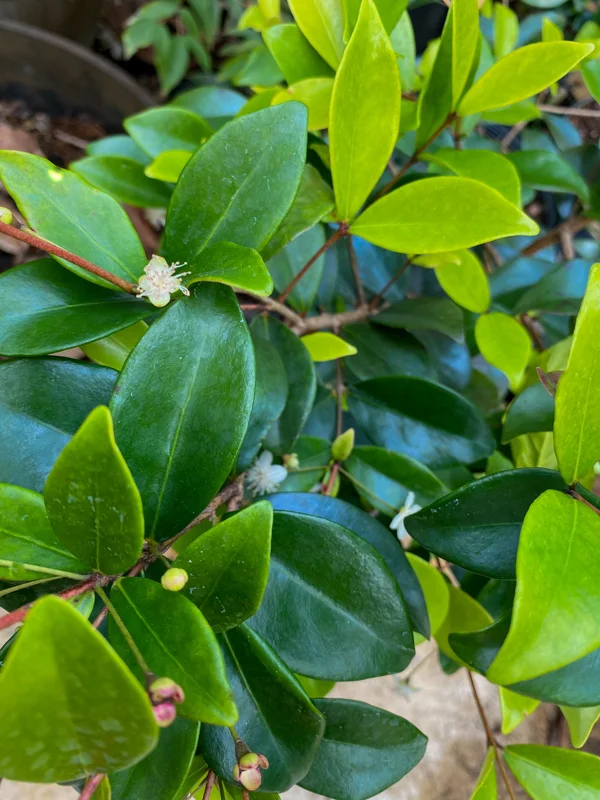
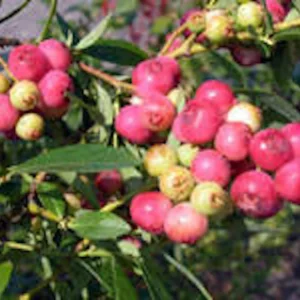
The cedar bay cherry live plant is highly prized for its vibrant red, sweetish fruits. While it can be grown as an ornamental shrub, its primary appeal lies in its delicious berries, which are excellent for eating fresh, flavoring drinks and candies, or making preserves. This tropical gem adds a touch of the exotic to any setting, with its dense, evergreen foliage and charming white blooms that appear in spring and summer. With proper care, your cedar bay cherry live plant will mature into a productive and attractive feature of your outdoor space, providing both visual interest and a delectable harvest.
Key Benefits
The cedar bay cherry live plant offers a multitude of benefits, making it an excellent choice for a variety of garden styles and purposes. From its ornamental appeal to its practical uses, this tropical shrub or small tree is a true garden asset.
- Edible & Delicious Fruit: Enjoy the sweet, red berries of the eugenia reinwardtiana fruit, perfect for snacking, desserts, drinks, or preserves. Harvest your own healthy treats directly from your garden.
- Attractive Evergreen Foliage: Maintain year-round visual interest with its lush, evergreen leaves, providing a vibrant green backdrop in your garden even during cooler months. This makes it an ideal choice for hedges or specimen planting.
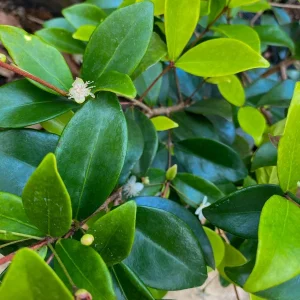
- Beautiful White Blooms: Experience delicate white flowers during spring and summer, adding a touch of elegance and attracting pollinators to your garden. These blooms precede the development of the distinctive red fruits.
- Adaptable to Various Light Conditions: Thrives in full sun to partial shade, offering flexibility in placement within your landscape. Younger plants particularly benefit from some afternoon shade to establish well.
- Drought Tolerance: Once established, the beach cherry tree exhibits good drought tolerance, making it a relatively low-maintenance option for warmer climates. This reduces the need for frequent watering.
- Compact Growth Habit: Naturally grows as a shrub or small tree, making it suitable for smaller gardens, containers, or as part of a mixed border. Its manageable size makes it a versatile landscape plant.
- Unique Tropical Appeal: Introduce an exotic flair to your outdoor living space with this distinctive tropical fruit tree, creating a unique and inviting atmosphere. It’s a conversation starter and a visual delight.
Plant Care & Growing Tips
Caring for your cedar bay cherry live plant is relatively straightforward, especially when provided with the right conditions. This tropical plant thrives in warm environments, making it suitable for USDA Zone 9 and above. It prefers a location with full sun to partial shade; young plants particularly benefit from some afternoon shade to prevent scorching. Ensure your plant receives at least 6 hours of direct sunlight daily for optimal growth and fruit production. When planting, choose a well-draining soil mix to prevent root rot, as soggy conditions are detrimental to its health. A slightly acidic to neutral pH is ideal for the eugenia reinwardtiana fruit tree.
Watering should be consistent, especially during dry spells and when the plant is young. Allow the top inch or two of soil to dry out between waterings, but avoid letting the plant become completely parched for extended periods. Once established, the beach cherry tree is moderately drought-tolerant. Fertilize sparingly with a balanced, slow-release fertilizer during the growing season (spring and summer) to encourage healthy growth and fruiting. Pruning can be done to maintain shape, size, and to remove any dead or diseased branches. While generally robust, protect young plants from temperatures below 40°F (5°C) or strong, dry winds. Gradual acclimatization to outdoor conditions is crucial if plants have been kept indoors or in a protected environment.
For those in cooler zones, the tropical fruit tree can be grown in containers and brought indoors during winter months. Ensure it receives adequate light when indoors. Keep an eye out for common garden pests, though the cedar bay cherry is generally resistant. Good air circulation and proper watering practices will help prevent fungal issues. With these care tips, your edible red fruit plant will flourish and provide you with years of enjoyment and delicious harvests.
Size & Details
The cedar bay cherry live plant is typically sold as a young, actively growing specimen, ready to be established in your garden or a larger container. This versatile plant can ultimately reach a height of 6-12 feet (2-4 meters) when mature, forming a dense shrub or a small, attractive tree. It is an evergreen species, meaning it will retain its lush foliage throughout the year, providing continuous visual interest. The plant is hardy in USDA Zone 9 and warmer climates, thriving in temperatures that do not consistently fall below freezing. We ensure our plants are healthy and well-rooted, providing a strong foundation for future growth.
Expect your eugenia reinwardtiana fruit tree to begin producing fruit within 2-3 years, given optimal growing conditions. The charming white blooms typically appear in spring and summer, followed by the development of the characteristic red berries. This plant is well-suited for a variety of landscape uses, including hedges, specimen planting, or as a container plant on a patio or deck. Its moderate growth rate allows for easy management and shaping. Each tropical fruit tree is carefully prepared for shipment, ensuring it arrives in the best possible condition, ready for its new home.
Frequently Asked Questions
- Q: How big does this plant get? A: The cedar bay cherry live plant typically grows into a shrub or small tree, reaching a mature height of 6-12 feet (2-4 meters). Its ultimate size can be managed with regular pruning to suit your garden space.
- Q: Is this an indoor or outdoor plant? A: This is primarily an outdoor tropical fruit tree, hardy in USDA Zone 9 and warmer. In colder climates, it can be grown in a container and brought indoors during the winter months to protect it from frost.
- Q: How much sunlight does it need? A: The beach cherry tree thrives in full sun to partial shade. For best fruit production, aim for at least 6 hours of direct sunlight daily. Young plants benefit from some protection from intense afternoon sun.
- Q: Is this plant easy to care for? A: Yes, the cedar bay cherry live plant is considered relatively easy to care for once established. It requires well-draining soil, consistent watering, and protection from severe cold. It’s a great choice for gardeners looking for an attractive and productive plant.
- Q: Can I eat the fruit from this plant? A: Absolutely! The eugenia reinwardtiana fruit are sweet and edible. They can be enjoyed fresh, used in drinks, candies, or made into preserves. It’s a delicious and healthy addition to your diet.
- Q: How long until it starts producing fruit? A: With good care and optimal growing conditions, you can expect your edible red fruit plant to start producing fruits within 2-3 years after planting. Fruit production usually follows the white blooms that appear in spring and summer.
- Q: What’s the minimum temperature this plant can tolerate? A: The cedar bay cherry live plant is hardy in USDA Zone 9, meaning it can tolerate temperatures down to about 20-30°F (-6 to -1°C). However, young plants and those in containers should be protected if temperatures are expected to drop below 40°F (5°C).
- Q: What kind of soil does it prefer? A: This plant prefers well-draining soil. A rich, loamy soil with a slightly acidic to neutral pH is ideal for the best growth and fruit production of your tropical fruit tree. Avoid heavy, waterlogged soils.
- Q: Will it attract wildlife to my garden? A: Yes, the flowers can attract pollinators like bees, and the ripe red fruits may attract birds, adding to the biodiversity of your garden.
- Q: How should I protect it from cold if I live in a colder zone? A: If you live in a zone colder than USDA 9, grow your cedar bay cherry live plant in a pot that can be moved indoors during the winter. Place it in a bright, protected location away from cold drafts.
Related products
-20%
Original price was: $36.00.$28.80Current price is: $28.80.
-20%
Original price was: $60.00.$48.00Current price is: $48.00.
-20%
Original price was: $32.00.$25.60Current price is: $25.60.
-10%
Original price was: $28.99.$26.09Current price is: $26.09.
-49%
Original price was: $59.38.$29.99Current price is: $29.99.
-20%
Original price was: $34.00.$27.20Current price is: $27.20.
PLANTING & CARE
Growing Glencoe Raspberry: A Complete Guide for Gardeners
If you’re looking to add something unique to your garden, look no further than the
31
Mar
Mar

The Comprehensive Guide to Growing Bay Leaf Plants for a Flavorful Garden
Imagine stepping into your garden, greeted by the earthy aroma of fresh bay leaves, their
09
Feb
Feb

How to Make Comfrey Tea: The Ultimate Organic Plant Food
Growing an organic garden can be surprisingly expensive, especially when most store-bought fertilizers come in
02
Feb
Feb

True Comfrey: 7 Essential Tips Before You Plant This Herb
A staple in permaculture practices across the US, True Comfrey easily earns its reputation as
27
Jan
Jan

7 Heart-Shaped Plants for a Lasting Valentine’s Gift
If you’ve ever bought a bouquet of roses for Valentine’s Day, you know they are
26
Jan
Jan

Best Types of Ivy Plant for Houses: How to Choose the Perfect Ones for Your Home
Are you a garden lover looking to introduce some greenery into your home? Maybe you’ve
14
Nov
Nov

When to Harvest Garlic (Especially Fall-Planted Garlic)
TIMING IS EVERYTHING, they say – and for garlic, that truth hits with surprising accuracy.
13
Nov
Nov

11 of the Best Sweet Potato Varieties to Grow for Your Garden
If you’ve ever tried growing sweet potatoes, you know that picking the right variety can
12
Nov
Nov