Cherry of the Rio Grande Live Plant – Tropical Fruit Tree – 2-4″ Tall Starter in 2.5″ Pot
-50%
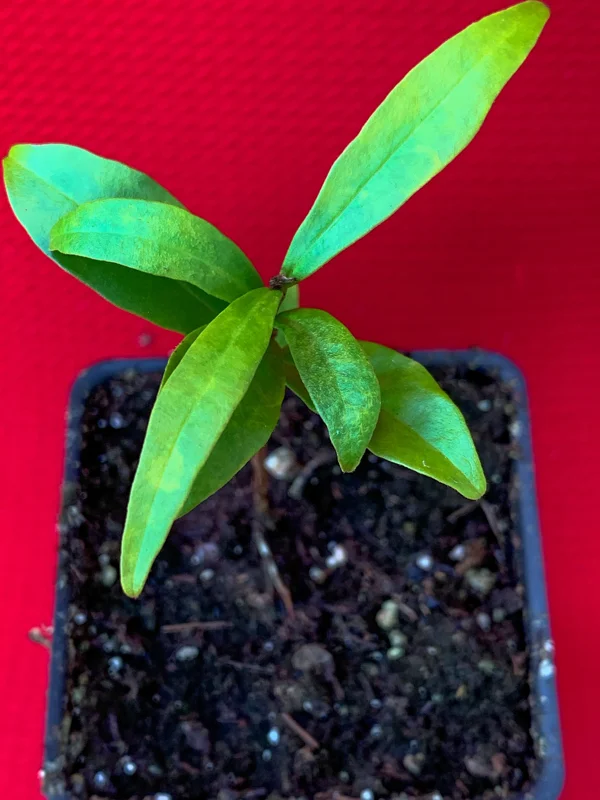
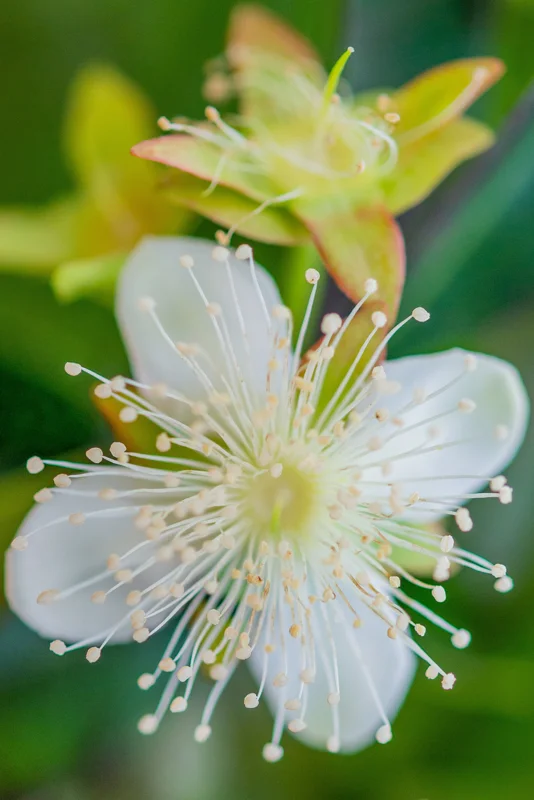
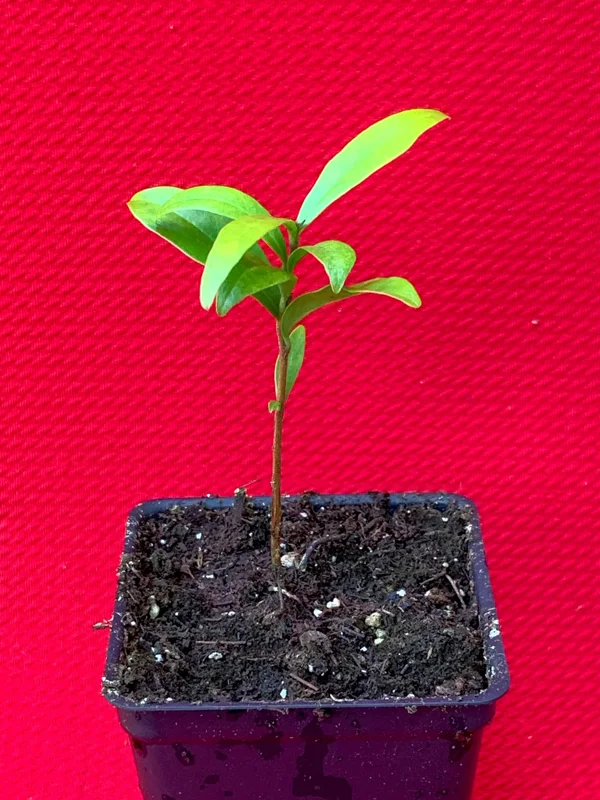
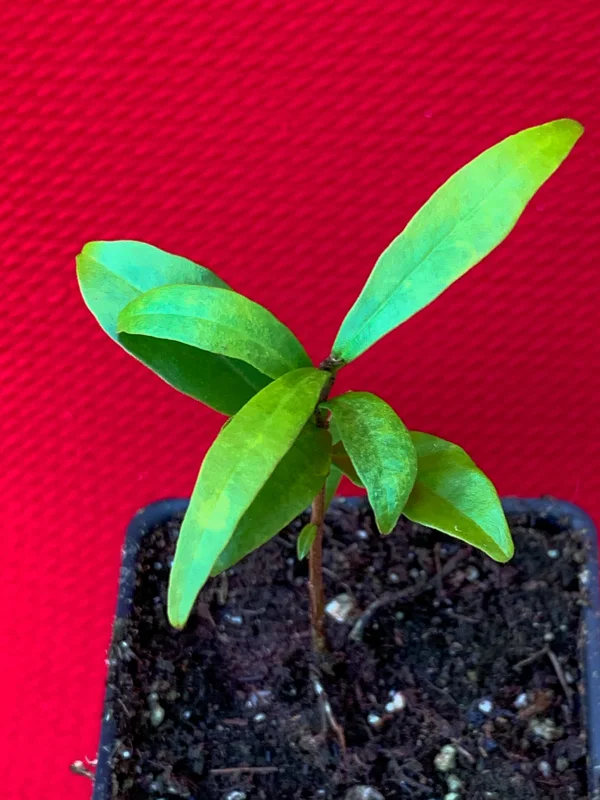
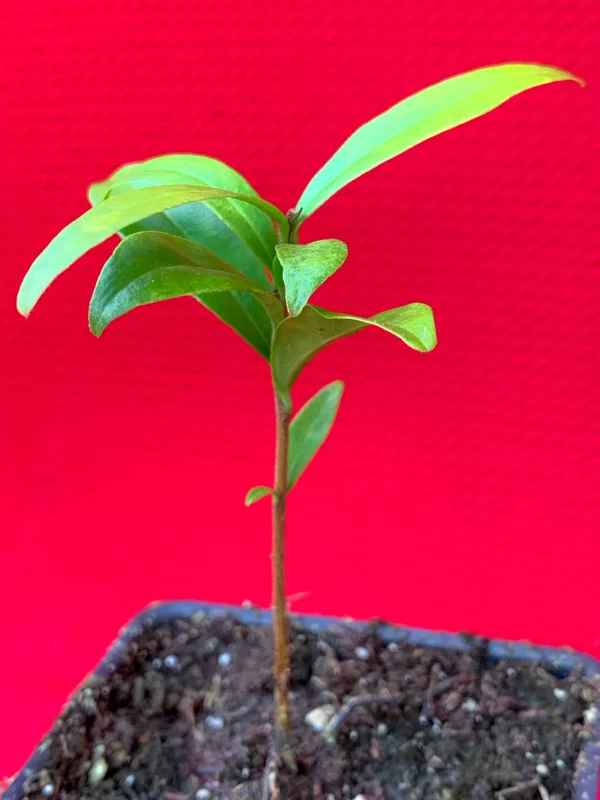
Cherry of the Rio Grande Live Plant – Tropical Fruit Tree – 2-4″ Tall Starter in 2.5″ Pot
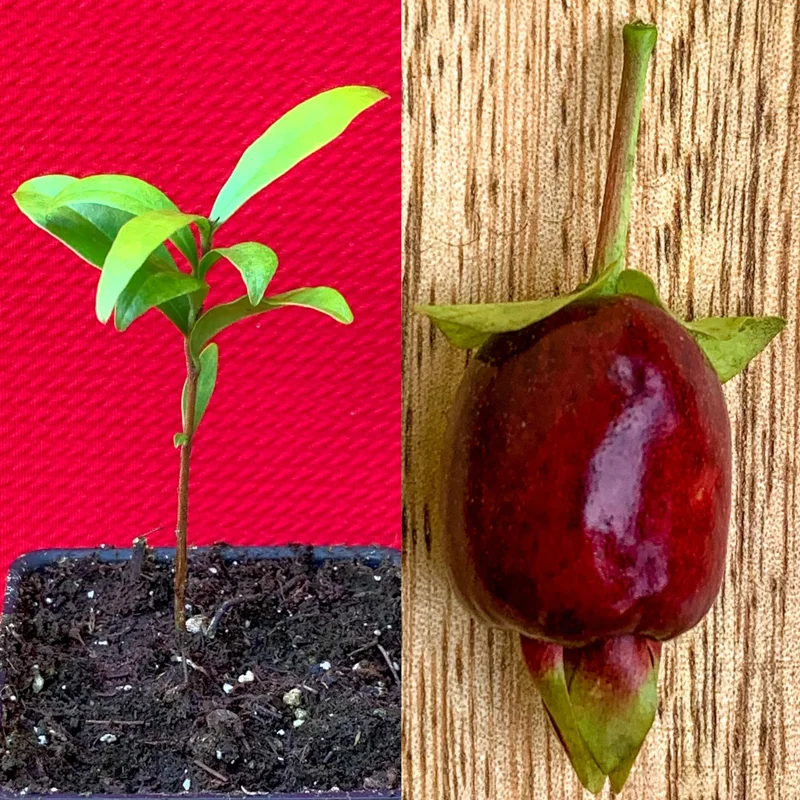
Cultivate your own delicious cherry of the rio grande live plant. This Eugenia Involucrata tree is a fantastic tropical fruit tree known for its sweet, dark-red fruits and evergreen foliage. Ideal for container growing or as part of an edible landscape plant.
Original price was: $45.86.$22.93Current price is: $22.93.

With our Alive & Thrive Guarantee, we’ve got your back for the first 30 days! If you have any concerns about your plants, just reach out to us. Our team is here to help answer your questions and guide you in selecting the best plants for your garden, climate, and unique preferences. We're excited to help you create the garden of your dreams!
Estimated arrival
Mar 23
Mar 28 - Mar 30
Apr 02 - Apr 06
Product Details
-
USDA Hardiness Zone
USDA Zones 9-11 (for mature plants) -
Soil type
Well-draining, slightly acidic soil -
Sunlight Exposure
Full sun to partial shade -
Expected Planting Period
Year-round indoors; Spring to Fall outdoors in suitable zones
Overview
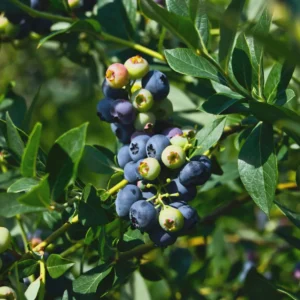
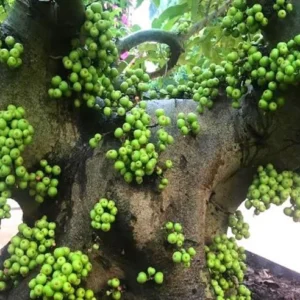
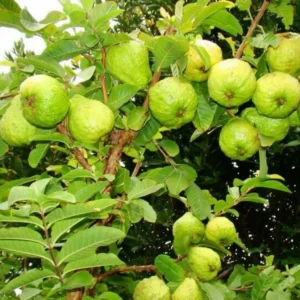
Bring the taste of the tropics to your garden with this exquisite cherry of the rio grande live plant. Also known by its botanical name, Eugenia Involucrata (formerly Eugenia aggregata), this beautiful evergreen shrub or small tree is a must-have for any fruit enthusiast. Originating from Brazil, the cherry of the rio grande live plant is celebrated for its delectable, dark-red to purple fruits that boast a sweet, cherry-like flavor with a hint of tartness. These 1-inch oblong fruits typically ripen quickly after flowering, providing a delightful harvest. This starter plant, measuring 2-4 inches tall in a 2.5-inch square pot, is ready to be nurtured into a productive and attractive addition to your home or garden. Its manageable size and appealing foliage make it an excellent choice for both experienced gardeners and those new to growing tropical fruits, promising a rewarding experience as it matures into a fruitful Eugenia Involucrata tree.
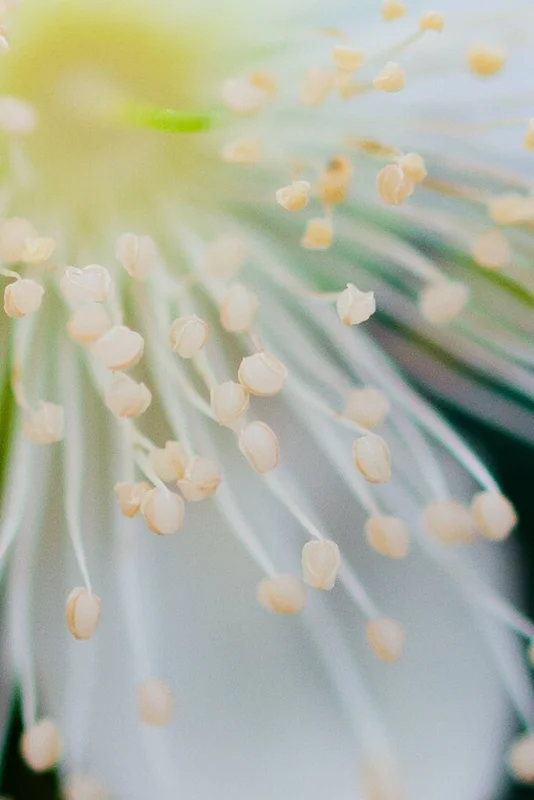
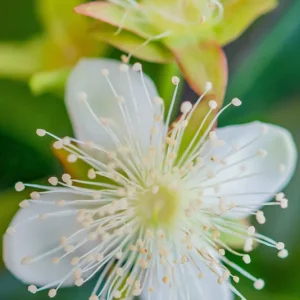
The cherry of the rio grande live plant is not only prized for its delicious fruit but also for its ornamental value. It grows as a narrow, dense evergreen, reaching heights of 10-20 feet when mature, though it can be kept smaller with pruning or grown as an excellent container specimen. Its vibrant green leaves provide year-round interest, while the delicate white flowers that appear in spring and summer add an extra layer of charm before the fruit sets. This hardy tropical fruit tree is relatively low-maintenance once established, making it a sustainable choice for your garden or patio. Discover the joy of harvesting your own sweet, homegrown fruit with this exceptional plant.
Key Benefits
Investing in a cherry of the rio grande live plant offers a multitude of benefits, from its delicious fruit to its aesthetic appeal and adaptability. This tropical fruit tree is a versatile addition to various garden settings.
- Delicious, Homegrown Fruit: Enjoy the unique, sweet-tart flavor of fresh, dark-red fruits directly from your own garden. These 1-inch fruits are perfect for eating fresh, making jams, or adding to desserts, providing a truly satisfying homegrown experience.
- Ornamental Evergreen Foliage: Beyond its fruit, the Eugenia Involucrata tree maintains attractive, dense evergreen leaves year-round, adding a lush, tropical touch to your landscape. Its narrow growth habit makes it suitable for smaller spaces or as a privacy screen.
- Adaptable Growth Habit: This plant can be grown as a shrub or a small tree, reaching 10-20 feet in height. It is also an excellent candidate for container gardening, allowing you to enjoy its benefits even in limited spaces or to move it indoors during colder months.
- Drought Tolerance: Once established, the cherry of the rio grande live plant exhibits good drought tolerance, reducing the need for frequent watering compared to many other fruit trees. This makes it a more resilient choice for diverse climates.
- Relative Cold Hardiness: Mature plants can withstand temperatures down to 20°F, making it one of the more cold-tolerant tropical fruit trees. Younger plants should be protected from frost, but its hardiness expands its potential growing zones.
- Pollinator Attractor: The spring and summer flowers of the Eugenia Involucrata tree attract beneficial pollinators, contributing to a healthier garden ecosystem and ensuring good fruit set.
- Excellent for Edible Landscapes: As an edible landscape plant, it combines beauty with productivity. Integrate it into your garden design for a functional and visually appealing outdoor space that provides fresh, healthy food.
Plant Care & Growing Tips
Caring for your cherry of the rio grande live plant is relatively straightforward, making it a rewarding experience for gardeners of all levels. Understanding its specific needs for sunlight, water, soil, and temperature will ensure a healthy and productive tropical fruit tree. Young plants, like the 2-4 inch starter you receive, require particular attention during their establishment phase.
Sunlight Requirements: The Eugenia Involucrata tree thrives in full sun to partial shade. For optimal fruit production, aim for at least 6-8 hours of direct sunlight per day. If growing indoors, place it near a bright, south-facing window or use supplemental grow lights. When transitioning a young plant from indoors to outdoors, gradually acclimate it to direct sunlight to prevent leaf burn. For the initial two weeks after arrival, keep small plants in full shade to help them adjust from shipping.
Watering Schedule and Soil Moisture: While fairly drought tolerant once mature, consistent moisture is crucial for young plants and during flowering and fruiting periods. Water thoroughly when the top inch of soil feels dry to the touch, ensuring good drainage to prevent root rot. Reduce watering slightly during cooler dormant periods. Overwatering can be detrimental, so always check soil moisture before watering again. For abundant harvests, increase watering one to two months before the expected fruiting time.
Soil Type and Drainage: This edible landscape plant is tolerant of various soil types but prefers well-draining, slightly acidic soil. A good potting mix for containers should include components like perlite or coarse sand to enhance drainage. In-ground planting benefits from soil amended with organic matter to improve structure and nutrient retention. Ensure the planting site does not retain standing water.
Temperature Range and USDA Hardiness Zone: Mature cherry of the rio grande live plant specimens are hardy down to approximately 20°F (USDA Zones 9-11). However, younger plants are more sensitive and should be protected from frosts and temperatures below 60°F. If you live in a colder zone, growing it in a container allows you to bring it indoors during winter. Ideal growing temperatures are between 70-80°F, especially for young plants adjusting to their new environment.
Fertilization: Feed your tropical fruit tree with a balanced, slow-release fertilizer formulated for fruiting plants during its active growing season (spring and summer). Follow package instructions for application rates. Avoid fertilizing immediately after transplanting or during dormant periods. Regular, light feeding is generally better than infrequent, heavy applications.
Common Problems and Solutions: Keep an eye out for common pests like aphids or scale, which can be treated with horticultural oil or insecticidal soap. Ensure good air circulation to prevent fungal issues. Yellowing leaves can indicate nutrient deficiencies or improper watering. Adjust care routines as needed to maintain a healthy Eugenia Involucrata tree. Proper cherry of the rio grande care involves vigilance and timely intervention.
Size & Details
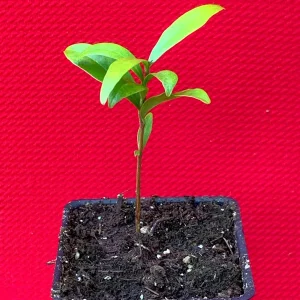
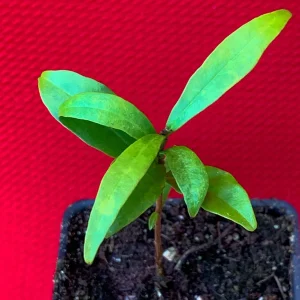
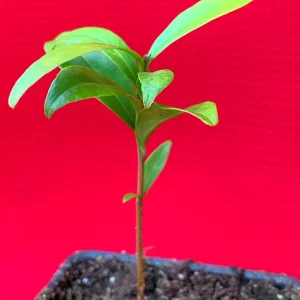
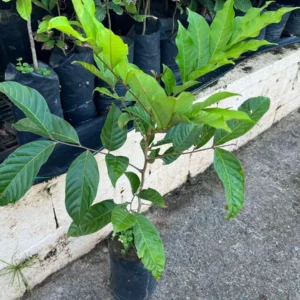
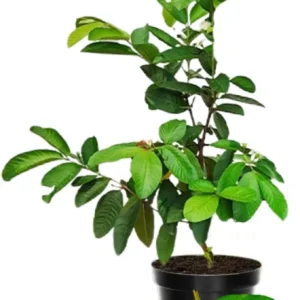
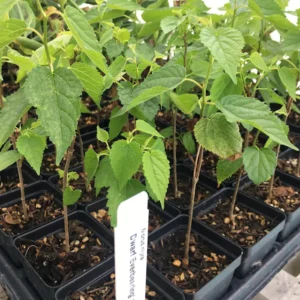
You are purchasing one cherry of the rio grande live plant starter, measuring 2-4 inches tall (pot height is not included in this measurement). This young plant comes planted in a 2.5-inch square nursery pot, providing a healthy root system for transplanting. While young, these plants are robust and ready to grow into a mature tropical fruit tree. The ultimate height of a mature Cherry of the Rio Grande tree can range from 10 to 20 feet if grown in the ground, but it can be maintained at a smaller size through pruning, making it highly adaptable for various garden sizes and container cultivation.
This Eugenia Involucrata tree starts producing fruit relatively quickly from seed, often within 2-3 years, though results may vary. The fruits are typically 1 inch in size, oblong, and ripen to a dark red or purple color. Grown organically, this edible landscape plant is shipped carefully to ensure it arrives in the best possible condition, ready for you to provide attentive cherry of the rio grande care and watch it flourish. Remember that trees grown from seeds may exhibit slight variations from the parent tree.
Frequently Asked Questions
- Q: How big does this cherry of the rio grande live plant get? A: This starter plant is 2-4 inches tall. When mature, a tropical fruit tree of this species can grow to be 10-20 feet tall, but it can be maintained at a smaller size with regular pruning, especially if grown in a container.
- Q: What size pot does it come in? A: The Eugenia Involucrata tree starter plant is shipped in a 2.5-inch square nursery pot, providing a good foundation for its initial growth.
- Q: Is this an indoor or outdoor plant? A: While it is a tropical fruit tree, it can be grown outdoors in USDA Zones 9-11. In colder climates, it can be successfully grown in containers and brought indoors during winter months, making it a versatile edible landscape plant.
- Q: How much sunlight does it need? A: For best fruit production and overall health, the cherry of the rio grande live plant prefers full sun (6-8 hours of direct sunlight daily) but can tolerate partial shade.
- Q: Is this plant easy to care for? A: Yes, once established, the cherry of the rio grande care requirements are relatively low. It is fairly drought-tolerant and adaptable to various soils, making it a good choice for many gardeners.
- Q: What condition will it arrive in? A: Your tropical fruit tree will arrive as a healthy, live starter plant, carefully packaged to minimize stress during transit. It will be in its original nursery pot.
- Q: How long until it blooms and fruits? A: From a starter plant, you can typically expect the Eugenia Involucrata tree to begin flowering and fruiting within 2-3 years, depending on growing conditions and care.
- Q: What’s the minimum temperature this plant can tolerate? A: Mature cherry of the rio grande live plant can withstand temperatures down to 20°F. However, young plants are more sensitive and should be protected from temperatures below 60°F.
- Q: Can I grow this plant in a container? A: Absolutely! The cherry of the rio grande live plant is an excellent choice for container gardening, especially in regions with colder winters, allowing you to move it indoors for protection.
- Q: Does this plant require acidic soil? A: While tolerant of various soils, the Eugenia Involucrata tree performs best in slightly acidic, well-draining soil. Amending your soil with organic matter can help achieve this.
Related products
-20%
Original price was: $31.98.$25.58Current price is: $25.58.
-20%
Original price was: $80.00.$64.00Current price is: $64.00.
-20%
Original price was: $60.00.$48.00Current price is: $48.00.
-10%
Original price was: $23.99.$21.59Current price is: $21.59.
-20%
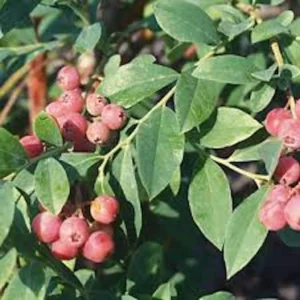
Original price was: $66.00.$52.80Current price is: $52.80.
-20%
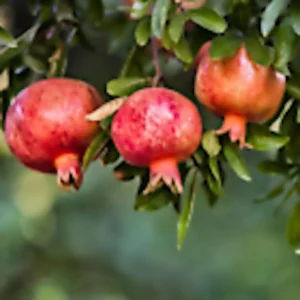
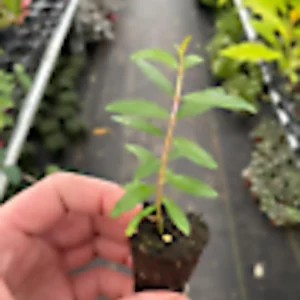
Original price was: $32.00.$25.60Current price is: $25.60.
PLANTING & CARE

The Comprehensive Guide to Growing Bay Leaf Plants for a Flavorful Garden
Imagine stepping into your garden, greeted by the earthy aroma of fresh bay leaves, their
09
Feb
Feb

How to Make Comfrey Tea: The Ultimate Organic Plant Food
Growing an organic garden can be surprisingly expensive, especially when most store-bought fertilizers come in
02
Feb
Feb

True Comfrey: 7 Essential Tips Before You Plant This Herb
A staple in permaculture practices across the US, True Comfrey easily earns its reputation as
27
Jan
Jan

7 Heart-Shaped Plants for a Lasting Valentine’s Gift
If you’ve ever bought a bouquet of roses for Valentine’s Day, you know they are
26
Jan
Jan

Best Types of Ivy Plant for Houses: How to Choose the Perfect Ones for Your Home
Are you a garden lover looking to introduce some greenery into your home? Maybe you’ve
14
Nov
Nov

When to Harvest Garlic (Especially Fall-Planted Garlic)
TIMING IS EVERYTHING, they say – and for garlic, that truth hits with surprising accuracy.
13
Nov
Nov

11 of the Best Sweet Potato Varieties to Grow for Your Garden
If you’ve ever tried growing sweet potatoes, you know that picking the right variety can
12
Nov
Nov
Pruning Bougainvillea for Winter
Bougainvillea vines are known for their dazzling display of magenta, orange, and fuchsia bracts that
05
Nov
Nov