Cherry Tree Bundle – Bing and Rainier Cherry – Live Plant – 3 ft Tall – Outdoor
Cherry Tree Bundle – Bing and Rainier Cherry – Live Plant – 3 ft Tall – Outdoor
This cherry tree bundle includes both Bing and Rainier cherry trees, each up to 3 ft tall. Ideal for outdoor gardens, these trees provide sweet, delicious cherries and vibrant blooms.
$217.94

With our Alive & Thrive Guarantee, we’ve got your back for the first 30 days! If you have any concerns about your plants, just reach out to us. Our team is here to help answer your questions and guide you in selecting the best plants for your garden, climate, and unique preferences. We're excited to help you create the garden of your dreams!
Estimated arrival
Jan 07
Jan 12 - Jan 14
Jan 17 - Jan 21


Product Details
-
USDA Hardiness Zone
5-8 -
Soil type
well-draining soil -
Sunlight Exposure
full sun -
Expected Planting Period
spring to early summer
Overview
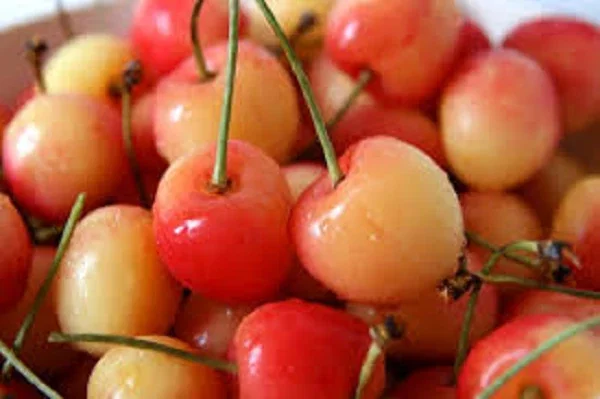
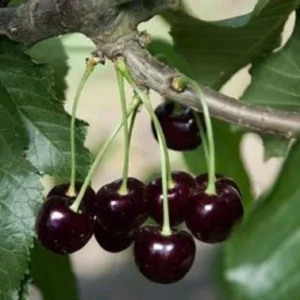
The cherry tree bundle features two popular cherry tree varieties: Bing and Rainier. These live plants are perfect for outdoor gardens and will thrive in a variety of climates. Known for their sweet fruit and beautiful blossoms, these trees not only provide delicious cherries but also enhance the aesthetic appeal of your garden. The Bing cherry is renowned for its dark red skin and rich flavor, while the Rainier cherry boasts a striking yellow/red color and exceptional sweetness. Together, they offer a delightful variety for any fruit tree enthusiast.
Key Benefits
Planting a cherry tree bundle in your garden comes with numerous benefits:
- Delicious Fruit: Enjoy fresh, sweet cherries right from your garden, perfect for snacking, baking, or preserves.
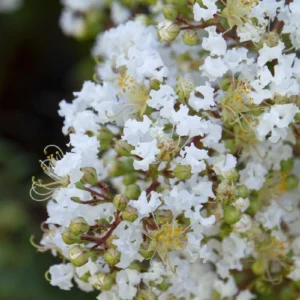
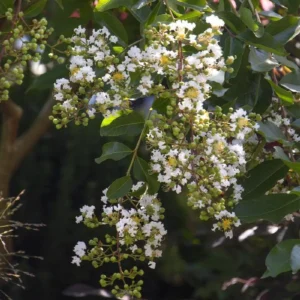
- Beautiful Blooms: Both cherry varieties produce stunning flowers in spring, making them a beautiful addition to your landscape.
- Pollinator Friendly: Attract bees and other beneficial insects to your garden, promoting biodiversity.
- Low Maintenance: Cherry trees are relatively easy to care for, making them suitable for both novice and experienced gardeners.
- Landscape Appeal: These trees add height and visual interest to your garden, enhancing its overall beauty.
- Homegrown Freshness: Grow your own cherries for a farm-to-table experience, ensuring the best flavor and quality.
- Kid-Friendly: Cherry trees are safe for children and pets, providing a fun way for kids to learn about gardening.
Plant Care & Growing Tips
Caring for your cherry tree bundle is straightforward. Here are some key tips:
- Sunlight Requirements: Cherry trees thrive in full sun, requiring at least 6-8 hours of direct sunlight per day for optimal growth and fruit production.
- Watering: Maintain medium moisture in the soil. Water regularly, especially during dry spells, ensuring the soil does not become waterlogged.
- Soil Type: These trees prefer well-draining soil with a good balance of nutrients. A loamy soil mix is ideal.
- Temperature Range: Cherry trees are typically hardy in USDA zones 5-8. They enjoy moderate temperatures and can be susceptible to extreme heat or cold.
- Fertilization: Use a balanced fertilizer in early spring to support growth and fruiting. Avoid over-fertilizing as it can lead to excessive foliage growth at the expense of fruit.
- Common Problems: Watch for pests like aphids and cherry fruit flies. Regular monitoring and appropriate pest control measures can help mitigate these issues.
Size & Details
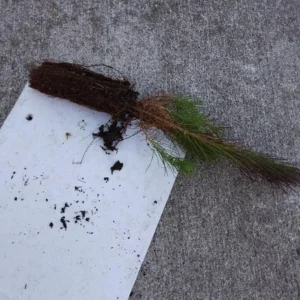
This cherry tree bundle consists of two rooted trees, each reaching a height of approximately 3 feet. They come shipped as bare root plants, ready for planting in your outdoor garden. With proper care, these trees will mature and start producing fruit within a few years, providing you with a rewarding gardening experience.
Frequently Asked Questions
- Q: How big does this plant get? A: Each cherry tree in the bundle typically grows to about 3-4 feet tall in the first few years, with the potential to reach greater heights as they mature.
- Q: Is this an indoor or outdoor plant? A: These cherry trees are best suited for outdoor planting, thriving in a garden or landscape setting.
- Q: How much sunlight does it need? A: Cherry trees require full sun, ideally receiving 6-8 hours of direct sunlight daily for optimal growth and fruiting.
- Q: Is this plant easy to care for? A: Yes, cherry trees are generally low-maintenance and suitable for both beginner and experienced gardeners.
- Q: What condition will it arrive in? A: The trees will arrive as bare root plants, ready for planting. Ensure you follow the care instructions for best results.
- Q: Can I use cherries in cooking? A: Absolutely! The cherries from these trees are perfect for various culinary uses, from fresh eating to baking and preserves.
- Q: How long until it blooms? A: Expect your cherry trees to bloom in the spring after planting, typically within the first year or two.
- Q: Will it survive winter in my zone? A: Cherry trees are hardy in USDA zones 5-8, making them suitable for most temperate climates.
- Q: What’s the minimum temperature? A: These trees thrive best in moderate temperatures but can tolerate temperatures down to about 20°F when properly established.
Related products
PLANTING & CARE

Best Types of Ivy Plant for Houses: How to Choose the Perfect Ones for Your Home
Are you a garden lover looking to introduce some greenery into your home? Maybe you’ve
14
Nov
Nov

When to Harvest Garlic (Especially Fall-Planted Garlic)
TIMING IS EVERYTHING, they say – and for garlic, that truth hits with surprising accuracy.
13
Nov
Nov

11 of the Best Sweet Potato Varieties to Grow for Your Garden
If you’ve ever tried growing sweet potatoes, you know that picking the right variety can
12
Nov
Nov

The Comprehensive Guide to Growing Bay Leaf Plants for a Flavorful Garden
Imagine stepping into your garden, greeted by the earthy aroma of fresh bay leaves, their
10
Nov
Nov
Pruning Bougainvillea for Winter
Bougainvillea vines are known for their dazzling display of magenta, orange, and fuchsia bracts that
05
Nov
Nov
The Comprehensive Guide to Growing Clerodendrum Wallichii for a Stunning Garden
Imagine walking into a garden where delicate white flowers hang from graceful branches, their petals
03
Nov
Nov
8 Mistakes to Avoid When Planting Garlic That 90% of Gardeners Make
Planting garlic can be a rewarding experience, but many gardeners, especially beginners, end up making
29
Oct
Oct
Garlic Varieties: Everything You Need to Know Before Choosing the Right Type to Grow
If you’ve ever tried growing garlic, you know that choosing the right variety can make
28
Oct
Oct