Chicago Hardy Fig Live Plant – Edible Fruit Tree – 4 inch Pot
Chicago Hardy Fig Live Plant – Edible Fruit Tree – 4 inch Pot
Cultivate your own sweet, delicious fruit with the Chicago Hardy Fig live plant. This popular and resilient fig variety is known for its exceptional cold hardiness, making it suitable for a wide range of climates. Enjoy abundant harvests of rich, purple-brown figs directly from your garden or patio.

With our Alive & Thrive Guarantee, we’ve got your back for the first 30 days! If you have any concerns about your plants, just reach out to us. Our team is here to help answer your questions and guide you in selecting the best plants for your garden, climate, and unique preferences. We're excited to help you create the garden of your dreams!
Estimated arrival
Sep 10
Sep 15 - Sep 17
Sep 20 - Sep 24
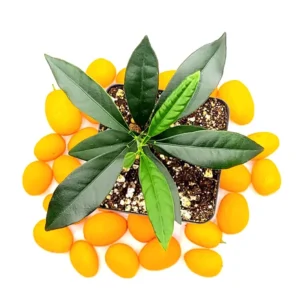
Product Details
-
USDA Hardiness Zone
USDA Zones 5-10 -
Soil type
Well-draining, fertile soil -
Sunlight Exposure
Full sun (6-8+ hours daily) -
Expected Planting Period
Spring to early summer
Overview
Introduce a taste of the Mediterranean to your garden with the remarkable Chicago Hardy Fig live plant. This highly sought-after fig tree, scientifically known as Ficus carica ‘Chicago Hardy’, is celebrated for its exceptional resilience and delicious, abundant fruit production. Unlike many other fig varieties, the Chicago Hardy Fig live plant is notably cold-tolerant, often surviving harsh winters even in northern climates with proper care, making it a fantastic choice for gardeners across the US. Originating from Sicily, this variety has adapted beautifully to diverse growing conditions, providing a reliable source of sweet, edible figs. Whether you’re an experienced gardener or just starting, this plant offers a rewarding experience, producing fruit that can be enjoyed fresh, dried, or preserved.
The Chicago Hardy Fig tree is a vigorous grower, developing into a medium-sized shrub or small tree. Its broad, deeply lobed leaves provide an attractive, tropical aesthetic, complementing any garden or patio setting. This particular offering is for a healthy, established edible fig plant, ready to be transplanted into its new home. Figs are known for their unique flavor profile and nutritional benefits, making this a valuable addition to any home orchard or edible landscape. Prepare to enjoy fresh, organic figs directly from your own backyard!
Key Benefits
The Chicago Hardy Fig live plant brings numerous advantages to your garden and your table. Its hardy nature and generous fruiting make it a top choice for edible landscaping. Here are some of the key benefits you can expect from cultivating this exceptional plant:
-
Exceptional Cold Hardiness
The primary benefit of the Chicago Hardy Fig live plant is its remarkable ability to withstand colder temperatures compared to other fig varieties. In many regions, it can survive freezing conditions, often regrowing from the roots even if the top growth is damaged, ensuring a continuous harvest year after year. This makes it a reliable choice for gardeners in USDA Zones 5-10.
-
Delicious Edible Fruit
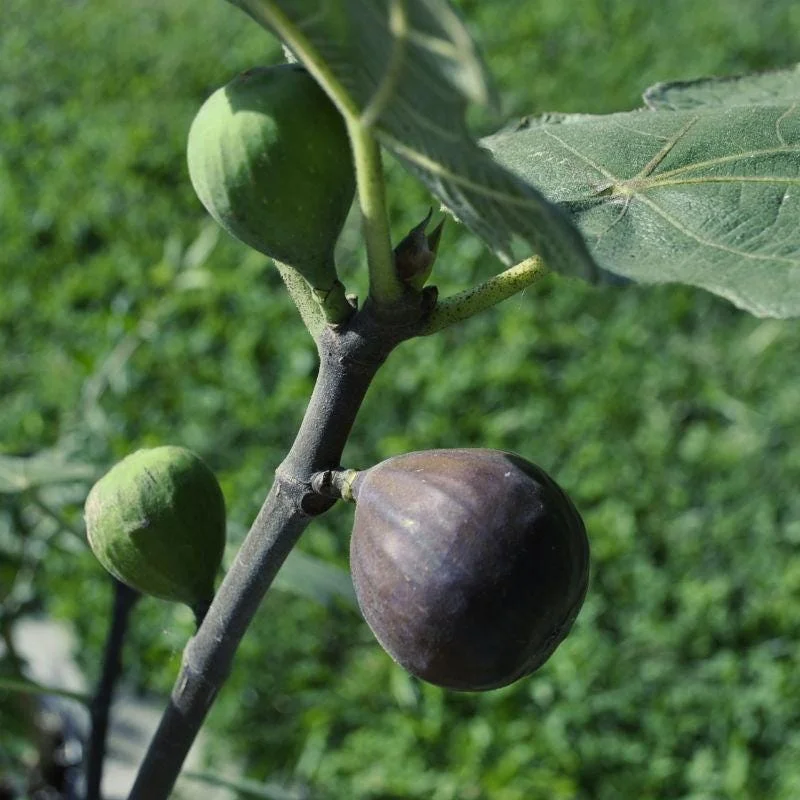
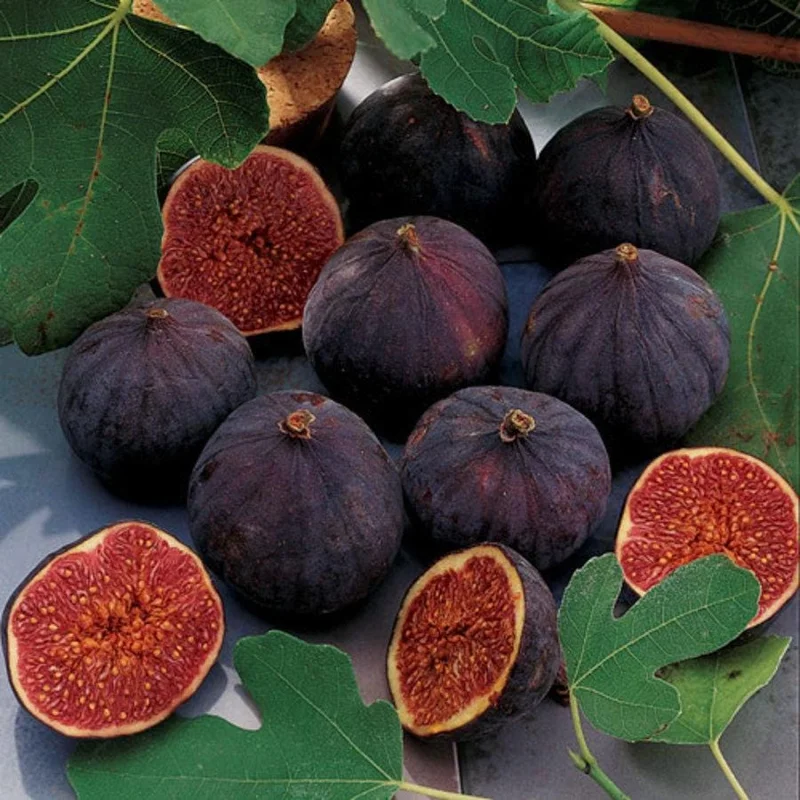
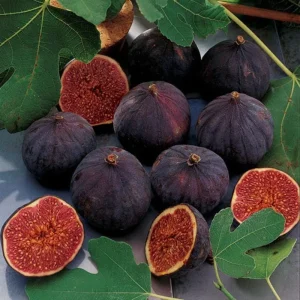
This fig tree produces small to medium-sized figs with a rich, sweet, and succulent flavor. The fruit has a lovely purple-brown skin and a reddish-pink pulp, perfect for eating fresh off the tree, adding to salads, baking, or making jams and preserves. Enjoy the unparalleled taste of homegrown figs.
-
Abundant Yields
Once established, the Chicago Hardy Fig tree is a prolific producer, often yielding two crops per year in ideal conditions. You can expect a breba crop (first crop) in early summer and a main crop in late summer to early fall, ensuring a long season of fresh fruit.
-
Low Maintenance
Despite its exotic appeal, the cold hardy fig is relatively easy to care for. It is adaptable to various soil types and is generally pest and disease resistant, requiring minimal intervention once established. This makes it a great option for both novice and experienced gardeners.
-
Attractive Ornamental Value
Beyond its fruit, the edible fig plant offers significant aesthetic appeal. Its large, deeply lobed leaves create a lush, tropical look, providing excellent shade and a beautiful backdrop in your garden or on your patio. It can be grown as a bush, a small tree, or even in a large container.
-
Versatile Growing Options
Whether you have a spacious garden, a small patio, or even a sunny balcony, the Chicago Hardy Fig live plant can thrive. It performs well when planted directly in the ground or when grown in a large pot, offering flexibility for various gardening setups. Container growing also allows for easier protection during extreme winter conditions.
Plant Care & Growing Tips
Proper care is essential to ensure your Chicago Hardy Fig live plant thrives and produces abundant fruit. Figs are relatively forgiving, but understanding their specific needs will lead to the best results. When considering fig tree care, pay close attention to sunlight, watering, soil, and winter protection.
Sunlight: The Chicago Hardy Fig live plant requires at least 6-8 hours of direct sunlight per day to produce the best fruit. Choose a location in your garden that receives full sun exposure. If growing in a container, place it in the sunniest spot available. In very hot climates, some afternoon shade can be beneficial to prevent leaf scorch, but generally, more sun equals more and sweeter fruit.
Watering: Figs prefer consistent moisture, especially during fruit development. Water deeply and regularly, ensuring the soil remains evenly moist but not waterlogged. Allow the top inch or two of soil to dry out slightly between waterings. Reduce watering frequency in cooler months or if the plant is dormant. Good drainage is crucial to prevent root rot, so avoid heavy, compacted soils.
Soil: This edible fig plant is adaptable to a variety of soil types but thrives in well-draining, fertile soil with a pH between 6.0 and 6.5. Amend heavy clay soils with organic matter like compost to improve drainage and aeration. For container-grown plants, use a high-quality potting mix specifically designed for edible plants or trees, ensuring excellent drainage.
Temperature & Hardiness: The cold hardy fig is renowned for its ability to survive in USDA Zones 5-10. In colder zones (5-7), the plant may die back to the ground in winter but will typically regrow from the roots in spring, still producing a crop. For optimal protection in cold climates, consider planting in a sheltered location, mulching heavily around the base, or growing in a container that can be moved indoors or to a protected area during winter. Protect young plants from hard frosts.
Fertilization: Fertilize your Chicago Hardy Fig tree in early spring as new growth begins, and again in mid-summer. Use a balanced, all-purpose fertilizer or one specifically formulated for fruit trees. Avoid over-fertilizing, which can lead to excessive foliage growth at the expense of fruit production. Organic options like compost or well-rotted manure are also excellent for enriching the soil.
Pruning: Prune in late winter or early spring while the plant is dormant. Remove any dead, damaged, or crossing branches. You can prune to maintain a desired shape and size, or to encourage a more open structure for better air circulation and light penetration. For container plants, root pruning every few years can help manage growth.
Size & Details
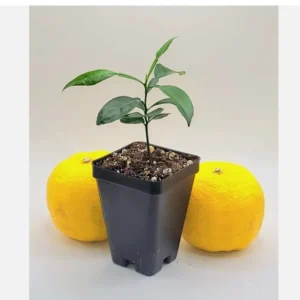
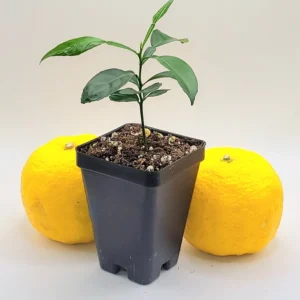
This offering is for one healthy Chicago Hardy Fig live plant, typically shipped in a 4-inch nursery pot. At the time of shipping, the plant will be well-rooted and actively growing, ready for transplanting. While exact dimensions can vary based on growing conditions and time of year, these young plants are generally established with several sets of leaves. In optimal outdoor conditions, a mature Chicago Hardy Fig tree can reach a height of 15-20 feet and a similar spread, though it can be kept smaller with regular pruning or by growing it in a container. When grown in containers, the size is more manageable, often staying between 6-10 feet tall. This variety is known for its moderate to fast growth rate, allowing you to enjoy fruit relatively quickly. Expect your first significant harvest within 1-3 years of planting, depending on care and climate. The plant is shipped securely to ensure it arrives in excellent condition, ready to thrive in your garden.
Frequently Asked Questions
- Q: How big does this plant get? A: The Chicago Hardy Fig live plant can grow up to 15-20 feet tall and wide when planted in the ground, but it can be maintained at a smaller size with pruning. When grown in a large container, it typically reaches 6-10 feet in height.
- Q: Is this an indoor or outdoor plant? A: The Chicago Hardy Fig live plant is primarily an outdoor plant, especially known for its hardiness. However, in very cold climates (below USDA Zone 5), it can be grown in a container and moved indoors to a protected, unheated space during winter.
- Q: How much sunlight does it need? A: This edible fig plant requires full sun, meaning at least 6-8 hours of direct sunlight per day, to produce the best fruit. More sun generally leads to sweeter and more abundant figs.
- Q: Is this plant easy to care for? A: Yes, the Chicago Hardy Fig tree is considered relatively easy to care for, especially once established. It’s known for its robust nature and adaptability, making it a good choice for both beginners and experienced gardeners.
- Q: What condition will it arrive in? A: Your Chicago Hardy Fig live plant will arrive as a healthy, actively growing plant in a 4-inch nursery pot, carefully packaged to ensure its safety during transit. It will be ready for immediate transplanting.
- Q: When is the best time to plant? A: The best time to plant your cold hardy fig is in spring after the last frost, allowing it ample time to establish before winter. Fall planting is also possible in milder climates.
- Q: Will it survive winter in my zone? A: The Chicago Hardy Fig live plant is hardy in USDA Zones 5-10. In Zones 5-7, it may die back to the ground in winter but typically regrows from the roots in spring. In warmer zones, it will maintain its top growth.
- Q: What kind of fruit does it produce? A: It produces sweet, medium-sized, purple-brown figs with reddish-pink flesh. These figs are excellent for fresh eating, drying, or making preserves.
- Q: How long until it produces fruit? A: You can typically expect your first significant fruit production from a Chicago Hardy Fig tree within 1-3 years of planting, depending on growing conditions and care.
- Q: What’s the recommended soil type? A: This edible fig plant prefers well-draining, fertile soil with a slightly acidic to neutral pH (6.0-6.5). Amending with organic matter is beneficial for improving soil structure and fertility.
Related products
-20%
Original price was: $80.00.$64.00Current price is: $64.00.
-20%

Original price was: $34.00.$27.20Current price is: $27.20.
-10%
Original price was: $79.90.$71.90Current price is: $71.90.
-20%
Original price was: $60.00.$48.00Current price is: $48.00.
-20%
Original price was: $66.00.$52.80Current price is: $52.80.
-20%
Original price was: $56.00.$44.80Current price is: $44.80.
-20%
Original price was: $36.00.$28.80Current price is: $28.80.
PLANTING & CARE
How to Grow and Care Pequin Peppers
If you’re a chili enthusiast who loves a fiery kick in a small package, you
17
Aug
Aug
How to Grow Persian Silk Trees Easily in Your Garden
If you’re looking for a tree that brings a soft, tropical feel to your garden,
04
Aug
Aug
How to Grow Blue Java Banana Trees: A Beginner’s Guide
Have you ever heard of the Blue Java banana tree? If not, you’re in for
28
Jun
Jun
5 Common Blue Java Banana Tree Problems and How to Fix Them
Have you ever looked at your Blue Java banana tree (aka “ice cream banana”) and
19
Jun
Jun

Top 10 Plants for Father’s Day to Honor Dad This Father’s Day
Father’s Day is a special time to show your dad just how much he means
19
Jun
Jun
The Comprehensive Guide to Growing Bougainvillea for Colorful Blooms
Have you ever wanted your garden to be filled with brilliant color and tropical energy
19
Jun
Jun
How to Successfully Plant Bare Root Strawberries in Containers
Have you ever wondered about planting strawberries in containers, but aren’t sure where to begin?
11
Jun
Jun
Top 5 Easiest Ornamental Trees to Grow for Beginners
Ever feel overwhelmed by the idea of planting a tree in your yard? You’re not
11
Jun
Jun