Chicago Hardy Fig Tree Live Plant – Cold Hardy Edible Fruit – USDA Zone 4
-50%
Chicago Hardy Fig Tree Live Plant – Cold Hardy Edible Fruit – USDA Zone 4
Cultivate your own sweet fruit with the Chicago Hardy Fig Tree, a robust and cold hardy fig plant perfect for outdoor gardens. This deciduous fruit tree thrives in various climates, offering delicious, edible figs and attractive foliage. Enjoy fresh figs straight from your garden with this resilient variety.
Original price was: $101.98.$50.99Current price is: $50.99.

With our Alive & Thrive Guarantee, we’ve got your back for the first 30 days! If you have any concerns about your plants, just reach out to us. Our team is here to help answer your questions and guide you in selecting the best plants for your garden, climate, and unique preferences. We're excited to help you create the garden of your dreams!
Estimated arrival
Apr 13
Apr 18 - Apr 20
Apr 23 - Apr 27
Product Details
-
USDA Hardiness Zone
4 (-30 to -20 °F) -
Soil type
Well-draining loamy or sandy soil -
Sunlight Exposure
Full Sun -
Expected Planting Period
Spring to early summer
Overview
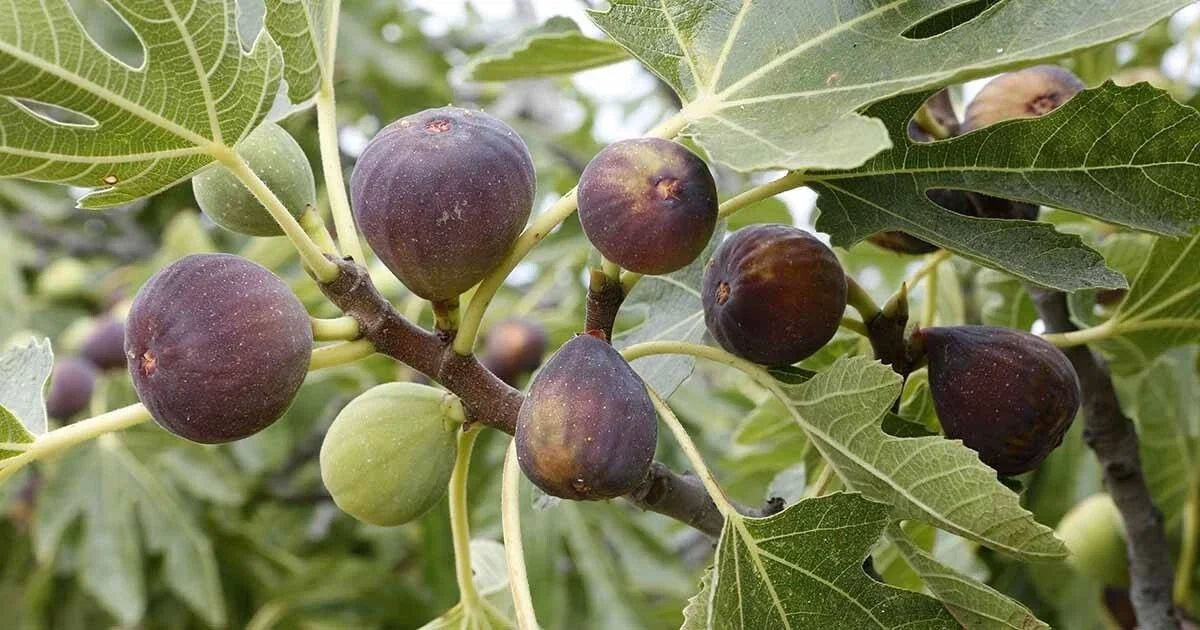
Bring the joy of home-grown fruit to your garden with the remarkable Chicago Hardy Fig Tree. This celebrated variety of Ficus carica is renowned for its exceptional resilience and ability to withstand colder temperatures than many other fig types, making it a true cold hardy fig. Originating from Sicily, this fig cultivar has adapted beautifully to diverse climates, earning its ‘Hardy’ moniker. It’s an ideal choice for gardeners in USDA Zones 4 and above, where other figs might struggle. The Chicago Hardy Fig Tree is a deciduous fruit tree that produces abundant crops of medium-sized, sweet, purplish-brown figs with a rich, reddish interior. Whether you’re a seasoned gardener or just starting, this edible fig plant offers a rewarding experience, providing delicious fresh fruit for snacking, baking, or preserves.
This live plant arrives ready to be integrated into your landscape, offering both ornamental beauty and a bountiful harvest. The lush green foliage provides a beautiful backdrop for the developing figs, and its moderate growth rate allows it to fit comfortably into various garden settings. Experience the satisfaction of harvesting your own sweet figs with this reliable and robust Chicago Hardy Fig Tree.
Key Benefits
The Chicago Hardy Fig Tree offers a wealth of advantages for any home gardener looking to add a productive and attractive fruit tree to their collection. Its unique characteristics ensure a rewarding growing experience:
- Exceptional Cold Hardiness: Unlike many fig varieties, the Chicago Hardy Fig Tree can survive winter temperatures down to -10°F (-23°C) in USDA Zone 4, making it suitable for a wider range of climates. Even if damaged by extreme cold, it often regrows from the roots.
- Prolific Fruit Production: This variety is known for its abundant harvests of delicious, sweet figs. You can expect a generous yield of fruit each season, perfect for fresh eating or culinary uses.
- Self-Pollinating: The edible fig plant is self-fertile, meaning you only need one tree to produce fruit. This simplifies the planting process and ensures a harvest without needing a second pollinator.
- Delicious, Sweet Flavor: The figs produced are medium-sized with a delightful purplish-brown skin and a sweet, juicy, reddish pulp. They are excellent for fresh consumption, jams, preserves, or drying.
- Adaptable & Easy to Grow: The Ficus carica Chicago Hardy is relatively low-maintenance once established. It tolerates various soil types and is quite vigorous, making it a good choice for both novice and experienced gardeners.
- Attractive Deciduous Foliage: Beyond its fruit, the fig tree boasts large, attractive lobed leaves that provide a lush, tropical aesthetic to your garden during the growing season.
- Versatile Planting Options: It can be grown as a large shrub, a small tree, or even in a container, offering flexibility for different garden sizes and styles. This adaptability enhances the appeal of the Chicago Hardy Fig Tree.
Plant Care & Growing Tips
Caring for your Chicago Hardy Fig Tree is straightforward, ensuring years of delicious fruit. This resilient plant thrives with proper attention to its basic needs. For optimal growth and fruiting, plant your edible fig plant in a location that receives full sun, meaning at least 6-8 hours of direct sunlight per day. While it can tolerate partial sun, full sun exposure is crucial for the best fruit development and ripening. Ensure good air circulation around the plant to prevent fungal issues, especially in humid environments.
Watering is critical, especially during the establishment phase and dry periods. Young fig trees need consistent moisture; water deeply 2-3 times per week, allowing the top inch of soil to dry out between waterings. Mature trees are more drought-tolerant but will benefit from supplemental watering during extended dry spells, particularly when fruits are developing. The Ficus carica Chicago Hardy prefers well-draining soil. A loamy or sandy loam soil with a pH between 6.0 and 6.5 is ideal. If your soil is heavy clay, amend it with organic matter like compost to improve drainage. Fertilize in early spring with a balanced slow-release fertilizer, and again in mid-summer if growth seems slow. Avoid over-fertilizing, which can promote leafy growth at the expense of fruit.
Pruning is best done in late winter or early spring while the tree is dormant. Remove any dead, damaged, or crossing branches. You can also prune to maintain a desired shape and size, or to encourage a more open structure for better air circulation and sunlight penetration. For gardeners in colder zones, providing winter protection for your cold hardy fig is advisable, especially for young plants. Mulch heavily around the base, or wrap the plant in burlap. Container-grown fig trees can be moved indoors to a cool, dormant location during the coldest months. Regularly inspect your Chicago Hardy Fig Tree for common pests like spider mites or fig rust, and address any issues promptly with appropriate organic or chemical treatments.
Size & Details
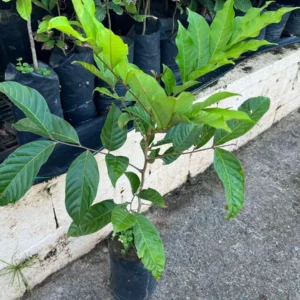
This Chicago Hardy Fig Tree is provided as a starter plant, ready for transplanting into your garden or a larger container. While specific dimensions at the time of purchase may vary, it is a well-rooted specimen prepared for vigorous growth. When mature, the edible fig plant typically reaches a height of 10-15 feet and a similar spread if grown as a tree, or can be kept smaller as a shrub. Its growth rate is considered fast, allowing you to enjoy harvests relatively quickly. The figs themselves are medium-sized, generally ripening from late summer into fall, providing a bounty of fresh fruit. This variety is known for its consistent production and the delicious quality of its fruit, making it a highly desirable addition for anyone interested in growing a Ficus carica Chicago Hardy.
Frequently Asked Questions
- Q: How big does this plant get? A: The Chicago Hardy Fig Tree can grow to be 10-15 feet tall and wide when mature, but it can be maintained at a smaller size through regular pruning or by growing it in a container.
- Q: Is this an indoor or outdoor plant? A: This is primarily an outdoor fruit tree. While young plants can be started indoors, the Chicago Hardy Fig Tree thrives best when planted in the ground or in large containers outdoors.
- Q: How much sunlight does it need? A: The edible fig plant requires full sun, meaning at least 6-8 hours of direct sunlight daily, for optimal growth and fruit production.
- Q: Is this plant easy to care for? A: Yes, the Chicago Hardy Fig Tree is considered relatively easy to care for once established. It’s known for its robust nature and adaptability, making it suitable for gardeners of various experience levels.
- Q: What condition will it arrive in? A: Your Chicago Hardy Fig Tree will arrive as a healthy, well-rooted starter plant, carefully packaged to ensure its safe journey and readiness for planting.
- Q: How long until it produces fruit? A: Many Ficus carica Chicago Hardy plants can start producing fruit within 1-2 years of planting, with more significant harvests as the tree matures.
- Q: Will it survive winter in my zone? A: The cold hardy fig is rated for USDA Hardiness Zone 4 (-30 to -20 °F) and above. In colder zones, it may die back to the ground but often regrows from the roots in spring.
- Q: What’s the best soil type for this fig tree? A: It prefers well-draining soil, ideally a loamy or sandy loam, with a slightly acidic to neutral pH (6.0-6.5). Good drainage is crucial to prevent root rot.
- Q: Can I grow the Chicago Hardy Fig Tree in a pot? A: Yes, this fig variety is an excellent choice for container growing, especially in colder climates where it can be moved indoors during winter.
- Q: Is the fruit from this tree sweet? A: Absolutely! The figs produced by the Chicago Hardy Fig Tree are known for their delicious, sweet flavor and juicy, reddish pulp, making them a gardener’s favorite.
Related products
-20%
Original price was: $36.00.$28.80Current price is: $28.80.
-20%
Original price was: $32.00.$25.60Current price is: $25.60.

-10%
Original price was: $158.00.$142.20Current price is: $142.20.
-10%
Original price was: $158.00.$142.20Current price is: $142.20.
-20%
Original price was: $34.00.$27.20Current price is: $27.20.
-10%
Original price was: $28.99.$26.09Current price is: $26.09.
-20%
Original price was: $32.00.$25.60Current price is: $25.60.
PLANTING & CARE

Growing Glencoe Raspberry: A Complete Guide for Gardeners
If you’re looking to add something unique to your garden, look no further than the
31
Mar
Mar

The Comprehensive Guide to Growing Bay Leaf Plants for a Flavorful Garden
Imagine stepping into your garden, greeted by the earthy aroma of fresh bay leaves, their
09
Feb
Feb

How to Make Comfrey Tea: The Ultimate Organic Plant Food
Growing an organic garden can be surprisingly expensive, especially when most store-bought fertilizers come in
02
Feb
Feb

True Comfrey: 7 Essential Tips Before You Plant This Herb
A staple in permaculture practices across the US, True Comfrey easily earns its reputation as
27
Jan
Jan

7 Heart-Shaped Plants for a Lasting Valentine’s Gift
If you’ve ever bought a bouquet of roses for Valentine’s Day, you know they are
26
Jan
Jan

Best Types of Ivy Plant for Houses: How to Choose the Perfect Ones for Your Home
Are you a garden lover looking to introduce some greenery into your home? Maybe you’ve
14
Nov
Nov

When to Harvest Garlic (Especially Fall-Planted Garlic)
TIMING IS EVERYTHING, they say – and for garlic, that truth hits with surprising accuracy.
13
Nov
Nov

11 of the Best Sweet Potato Varieties to Grow for Your Garden
If you’ve ever tried growing sweet potatoes, you know that picking the right variety can
12
Nov
Nov