Chojuro Asian Pear Tree


Chojuro Asian Pear Tree
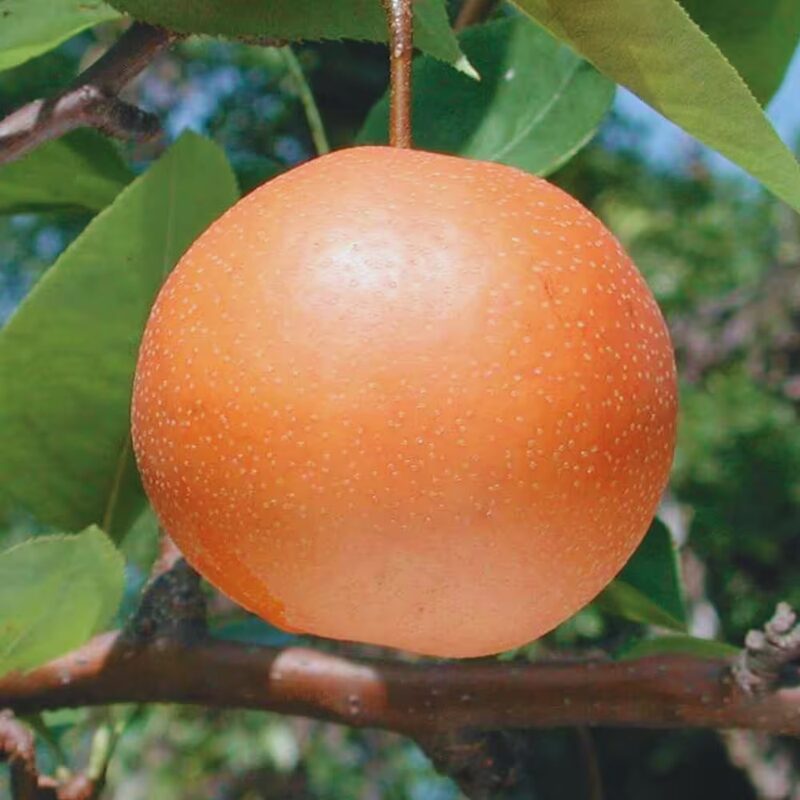
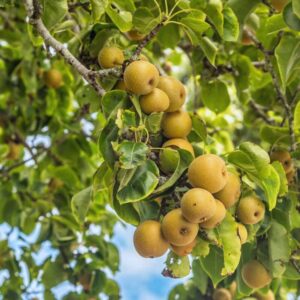
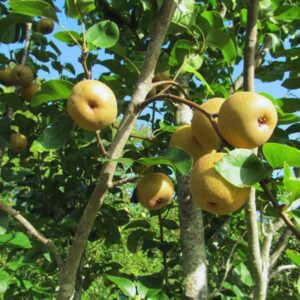
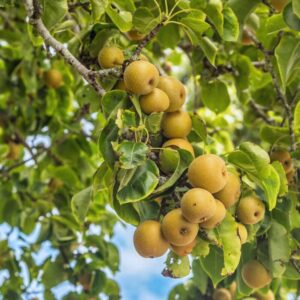
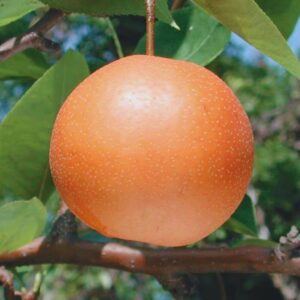
The Chojuro Asian Pear Tree is an exceptional addition to any garden, known for its stunning blooms and delicious fruit.

With our Alive & Thrive Guarantee, we’ve got your back for the first 30 days! If you have any concerns about your plants, just reach out to us. Our team is here to help answer your questions and guide you in selecting the best plants for your garden, climate, and unique preferences. We're excited to help you create the garden of your dreams!






Product Details
-
USDA Hardiness Zone
5-9 -
Soil type
Well-draining, slightly acidic to neutral -
Sunlight Exposure
Full sun (6+ hours per day) -
Expected Planting Period
Best planted in early spring or fall
Introduction to the Chojuro Asian Pear Tree
The Chojuro Asian Pear Tree is a stunning choice for your backyard or orchard. Its beautiful early spring blooms and unique fruit make it a highlight in any garden. The delightful flavor of the fruit combines the crispness of pears with a hint of sweetness, making it perfect for fresh eating or culinary uses.
Features and Specifications
This tree begins to bear fruit 1-2 years after planting, making it an early producer for home orchards. With dark green, waxy foliage, it provides a lush appearance throughout the growing season. In fall, the leaves turn a brilliant red and orange, creating a vibrant contrast with the fruit. The Chojuro is a moderate grower that thrives with proper care.
Growing Information and Requirements
Chojuro pear trees prefer well-draining soil and thrive in full sunlight. Suitable for USDA Zones 5-9, they require at least six hours of direct sunlight daily for optimal growth. Ensuring well-draining soil is crucial to prevent waterlogging and promote healthy root development.
Care Instructions and Maintenance
While relatively low-maintenance, Chojuro pear trees benefit from regular watering during dry spells. Prune in late winter or early spring to maintain shape and encourage strong growth. Watch for pests like aphids and pear slugs, which may require treatment. Annual fertilization with a balanced tree fertilizer supports growth and fruiting.
Value Proposition and Unique Benefits
The Chojuro Asian Pear Tree is not just a fruit tree; it serves as a versatile ornamental addition to any garden. Its stunning spring blooms and delicious pears provide both beauty and utility. The vibrant fall colors make it an eye-catching feature throughout changing seasons. Enhance your orchard or backyard with the Chojuro pear tree today!
FAQs
- When will my Chojuro Asian Pear Tree bear fruit? It typically starts producing fruit 1-2 years after planting.
- What is the best growing zone for Chojuro Asian Pear Trees? Chojuro trees thrive in USDA Zones 5-9.
- What type of soil is best for growing a Chojuro Pear Tree? Well-draining soil with a slightly acidic to neutral pH is ideal.
- Can I grow Chojuro Pear Trees in containers? Yes, they can be grown in large containers but need regular watering and pruning.
- How do I care for my Chojuro Asian Pear Tree during winter? Protect the tree from extreme cold by mulching around the base and avoiding heavy pruning in late fall or early winter.
| Size | 4 to 5 Feet Tall, 5 to 6 Feet Tall, 6 to 7 Feet Tall |
|---|
Related products

From $34.99


From $21.99

From $169.99
-23%

From Original price was: $51.99.$39.99Current price is: $39.99.

$74.99

From $36.99


From $23.99

PLANTING & CARE
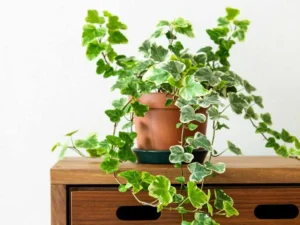
Best Types of Ivy Plant for Houses: How to Choose the Perfect Ones for Your Home
Are you a garden lover looking to introduce some greenery into your home? Maybe you’ve
14
Nov
Nov
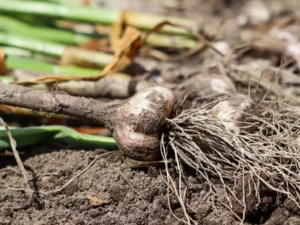
When to Harvest Garlic (Especially Fall-Planted Garlic)
TIMING IS EVERYTHING, they say – and for garlic, that truth hits with surprising accuracy.
13
Nov
Nov

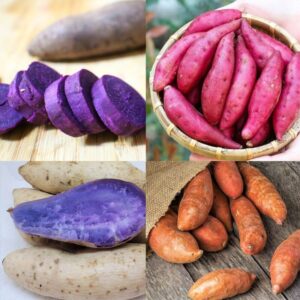
11 of the Best Sweet Potato Varieties to Grow for Your Garden
If you’ve ever tried growing sweet potatoes, you know that picking the right variety can
12
Nov
Nov

The Comprehensive Guide to Growing Bay Leaf Plants for a Flavorful Garden
Imagine stepping into your garden, greeted by the earthy aroma of fresh bay leaves, their
10
Nov
Nov

Pruning Bougainvillea for Winter
Bougainvillea vines are known for their dazzling display of magenta, orange, and fuchsia bracts that
05
Nov
Nov

The Comprehensive Guide to Growing Clerodendrum Wallichii for a Stunning Garden
Imagine walking into a garden where delicate white flowers hang from graceful branches, their petals
03
Nov
Nov

8 Mistakes to Avoid When Planting Garlic That 90% of Gardeners Make
Planting garlic can be a rewarding experience, but many gardeners, especially beginners, end up making
29
Oct
Oct
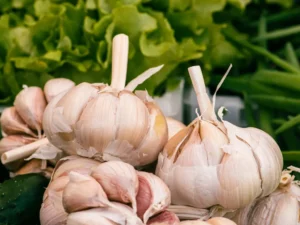
Garlic Varieties: Everything You Need to Know Before Choosing the Right Type to Grow
If you’ve ever tried growing garlic, you know that choosing the right variety can make
28
Oct
Oct