Cilantro Coriander Seeds – Leisure Variety – 25+ Seeds for Oriental & Mexican Cuisine
-50%
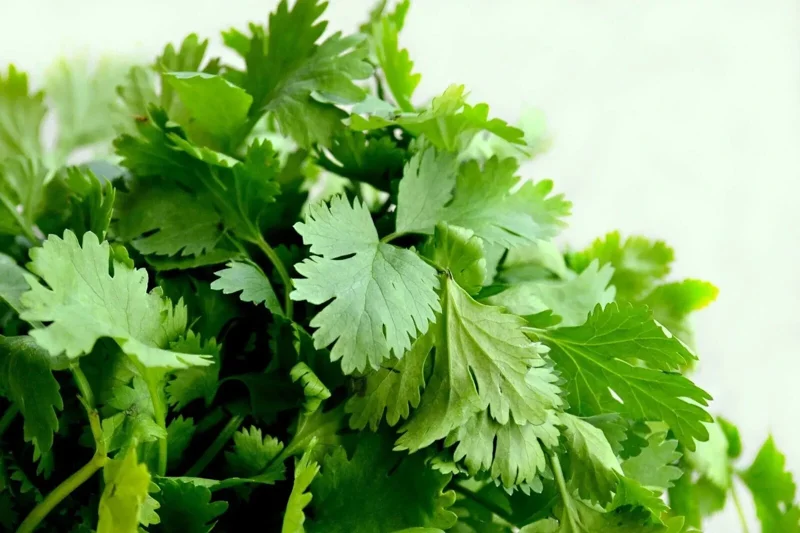
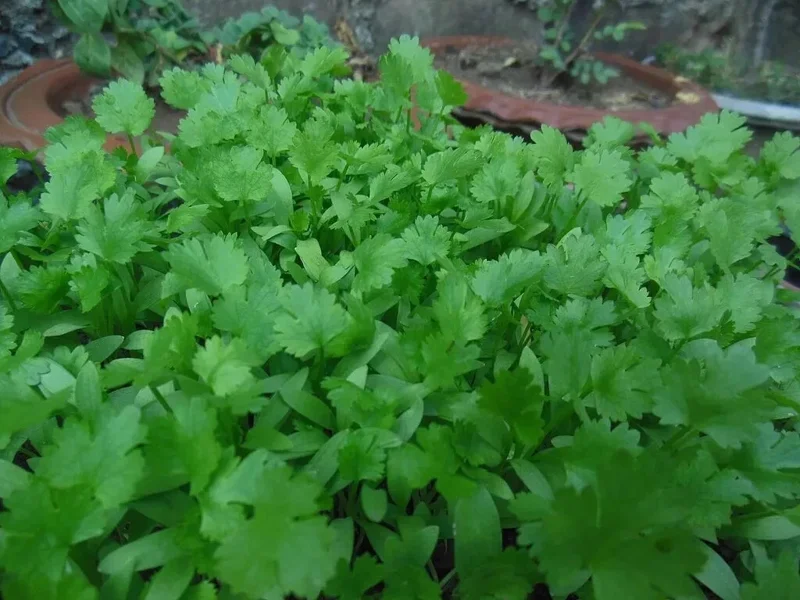
Cilantro Coriander Seeds – Leisure Variety – 25+ Seeds for Oriental & Mexican Cuisine
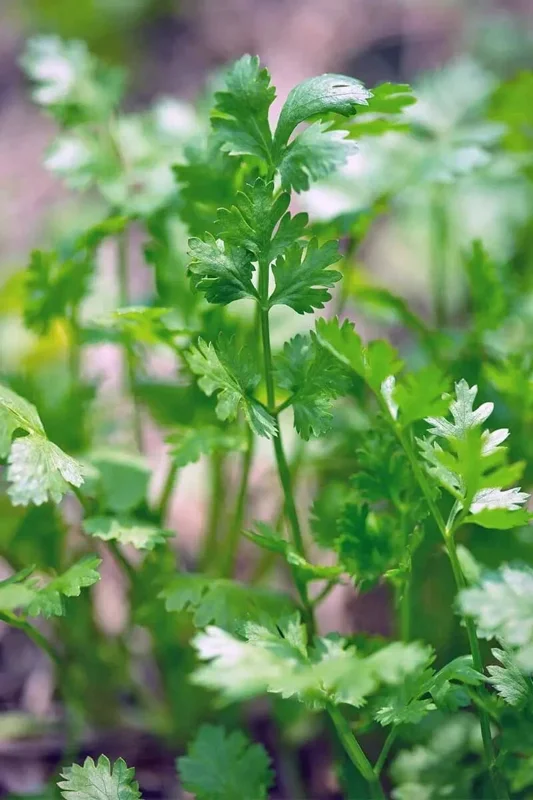
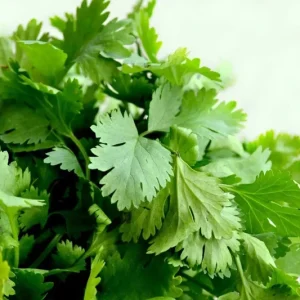
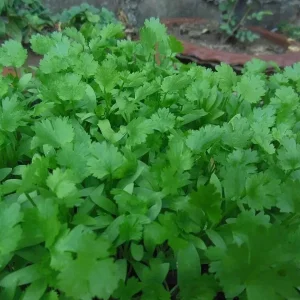
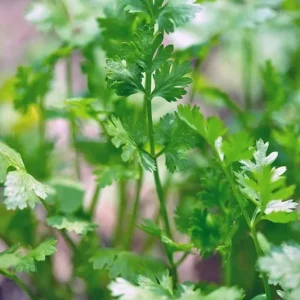
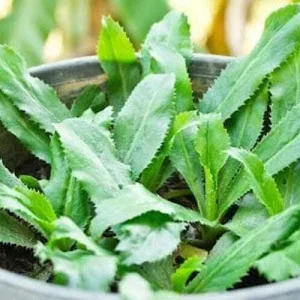
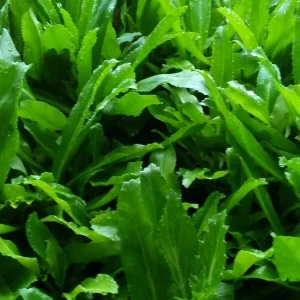
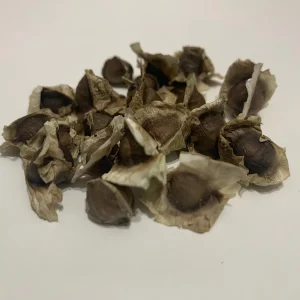
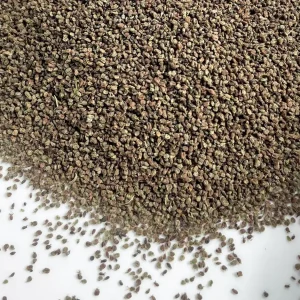
Cultivate your own fresh cilantro seeds and enjoy the vibrant flavor of this essential herb. These Leisure Coriander seeds are ideal for home gardeners and culinary enthusiasts, perfect for a variety of dishes. Each packet contains 25+ high-quality seeds for a bountiful harvest.
Original price was: $9.16.$4.58Current price is: $4.58.

With our Alive & Thrive Guarantee, we’ve got your back for the first 30 days! If you have any concerns about your plants, just reach out to us. Our team is here to help answer your questions and guide you in selecting the best plants for your garden, climate, and unique preferences. We're excited to help you create the garden of your dreams!
Estimated arrival
Apr 05
Apr 10 - Apr 12
Apr 15 - Apr 19
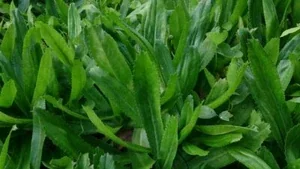
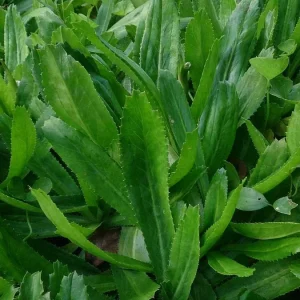
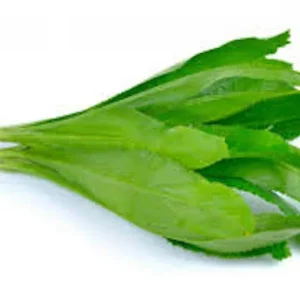
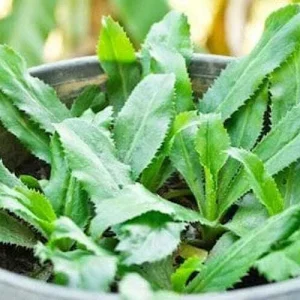

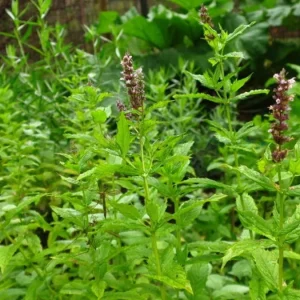
Product Details
-
USDA Hardiness Zone
Zones 3-12 -
Soil type
Loam, Sand, well-draining soil -
Sunlight Exposure
Partial Shade -
Expected Planting Period
Spring to early summer (outdoors), year-round indoors
Overview
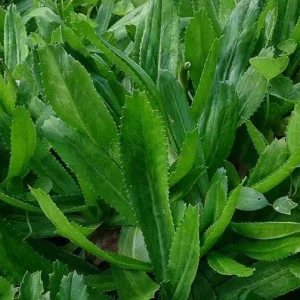
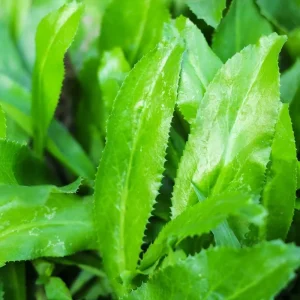
Embark on a culinary journey right from your garden with our premium cilantro seeds. Known scientifically as Coriandrum sativum, cilantro is a versatile herb cherished globally for its aromatic leaves and flavorful seeds (coriander). This particular offering features the ‘Leisure’ variety, renowned for its slow-bolting habit, which means it produces more leaves for a longer period before going to seed. Whether you’re a seasoned gardener or a beginner, growing your own fresh cilantro is a rewarding experience that adds an unparalleled zest to your cooking. These seeds are carefully selected to ensure high germination rates, providing you with a robust and healthy crop. Perfect for those who appreciate fresh, homegrown ingredients, these coriander seeds are a must-have for any herb garden.
Cilantro, also known as coriander, is a staple in many cuisines, from Mexican and Indian to Thai and Middle Eastern. The ‘Leisure’ variety is particularly suited for home cultivation due to its extended leaf production. Each packet contains 25+ viable seeds, offering ample opportunity to grow a continuous supply of this delicious herb. From vibrant salsas to fragrant curries, the fresh taste of homegrown cilantro elevates any dish. These cilantro seeds are a fantastic choice for anyone looking to add fresh, organic flavor to their kitchen.
Key Benefits
Growing your own cilantro from seed offers numerous advantages, both for your culinary endeavors and your gardening pleasure. The fresh aroma and taste are far superior to store-bought varieties, and you’ll have a constant supply at your fingertips. Here are some of the key benefits of cultivating these cilantro seeds:
- Superior Freshness and Flavor: Enjoy the intense, fresh, and slightly citrusy flavor of newly harvested cilantro, which is often lost in packaged herbs. Having fresh cilantro on hand instantly elevates the taste of your meals.
- Extended Harvest Period: The ‘Leisure’ variety is specifically chosen for its slow-bolting characteristic, meaning it will produce a longer supply of delicious leaves before flowering, giving you more time to harvest.
- Versatile Culinary Use: Fresh cilantro is indispensable in a wide array of cuisines, including Mexican, Indian, Middle Eastern, and Thai dishes. It’s perfect for salsas, guacamole, curries, soups, and garnishes.
- Easy to Grow: These coriander seeds are known for being very easy to cultivate, making them an excellent choice for both novice and experienced gardeners. Minimal effort yields a significant reward.
- Healthy and Nutritious: Cilantro is packed with vitamins K and A, and antioxidants, contributing to a healthy diet. Growing your own ensures you have access to nutrient-rich herbs free from unwanted chemicals.
- Cost-Effective: Save money by growing your own herbs. A single packet of herb seeds for cooking can provide many harvests, far surpassing the cost of repeatedly buying small bunches from the grocery store.
- Aromatic Garden Addition: Beyond its culinary uses, cilantro adds a pleasant aroma to your garden space, attracting beneficial insects and adding to the overall biodiversity.
Plant Care & Growing Tips
Cilantro (Coriandrum sativum) is a relatively easy herb to grow, but understanding its specific needs will ensure a successful and abundant harvest. These cilantro seeds thrive in specific conditions that promote lush leaf growth. The plant prefers cooler weather and can bolt (go to seed) quickly in hot temperatures, which is why the ‘Leisure’ variety is a great choice for its slow-bolting nature. For optimal growth, choose a location that receives partial shade, especially in warmer climates, or full sun in cooler regions. Aim for 4-6 hours of direct sunlight per day.
When it comes to watering, cilantro prefers consistently moist soil but dislikes being waterlogged. Water regularly, especially during dry spells, ensuring the top inch of soil feels dry before re-watering. Good drainage is crucial, so plant your coriander seeds in well-draining soil. A sandy loam soil with a pH between 6.0 and 6.7 is ideal. Avoid heavy clay soils that retain too much moisture. These plants are suitable for USDA Hardiness Zones 3-12, making them adaptable to a wide range of climates for outdoor growing. For indoor cultivation, maintain a consistent room temperature.
Fertilization is generally not heavily required for cilantro. If your soil is poor, you can amend it with some compost or a balanced, organic fertilizer at half strength once a month. Over-fertilizing can lead to excessive leaf growth at the expense of flavor. Pests are usually not a major issue, but keep an eye out for aphids. A strong spray of water or insecticidal soap can help manage them. To promote continuous harvesting of your grow cilantro, practice succession planting every few weeks. This means sowing a new batch of seeds every 2-3 weeks to ensure a steady supply of fresh leaves throughout the growing season.
Size & Details
This offering includes a packet of 25+ high-quality cilantro seeds (Coriandrum sativum ‘Leisure’ variety). Each seed is carefully selected to ensure viability and robust growth. When mature, cilantro plants typically reach a height of 12-24 inches (30-60 cm) and spread about 6-12 inches (15-30 cm) wide. The growth rate is relatively fast, with harvestable leaves often appearing within 30-45 days of planting. These seeds are easy to sow directly into your garden or containers, making them suitable for both indoor and outdoor cultivation. The ‘Leisure’ variety is particularly valued for its ability to resist bolting in warmer temperatures, leading to a longer period of leaf production. This makes it an excellent choice for a prolonged harvest of fresh herbs. Expect a bountiful yield of aromatic foliage from these Leisure Coriander seeds, perfect for adding a fresh dimension to your favorite recipes.
Frequently Asked Questions
- Q: How many cilantro seeds are included in this packet? A: Each packet contains 25+ premium cilantro seeds, providing you with ample opportunities to grow a healthy and abundant crop for your culinary needs.
- Q: Is this an indoor or outdoor plant? A: Cilantro can be successfully grown both indoors and outdoors. Outdoors, it thrives in gardens or containers. Indoors, ensure it receives adequate light and proper air circulation.
- Q: How much sunlight does cilantro need? A: Cilantro prefers partial shade, especially in hotter climates, or full sun in cooler regions. Aim for at least 4-6 hours of direct sunlight daily for optimal growth and flavor development.
- Q: Is this plant easy to care for? Is it good for beginners? A: Yes, cilantro is considered very easy to care for and is an excellent herb for beginners. Its straightforward needs make it a rewarding plant to grow cilantro in any garden.
- Q: Can I use these coriander seeds in cooking? A: While these are seeds for growing the plant, the plant itself produces both fresh leaves (cilantro) and mature seeds (coriander) which are both used extensively in various cuisines. These are specifically for planting to produce the herb.
- Q: When is the best time to plant these herb seeds for cooking? A: The best time to plant cilantro outdoors is in early spring or late summer/early fall when temperatures are cooler. For continuous harvests, sow seeds every 2-3 weeks. Indoors, you can plant year-round.
- Q: What condition will the seeds arrive in? A: The coriander seeds will arrive in a sealed packet, ensuring their freshness and viability. They are ready to be planted upon arrival.
- Q: How long until the cilantro is ready to harvest? A: You can typically start harvesting fresh cilantro leaves within 30-45 days after planting. For continued growth, harvest the outer leaves first.
- Q: Will it survive winter in my zone? A: Cilantro is an annual herb. In most climates, it will not survive harsh winters. However, in USDA Zones 9-12, it can often overwinter if protected. For colder zones, it’s best to replant each season.
- Q: What kind of soil is best for growing cilantro? A: Cilantro thrives in well-draining soil, preferably a sandy loam with a pH between 6.0 and 6.7. Good drainage is key to preventing root rot.
Related products

-50%
Original price was: $32.00.$16.00Current price is: $16.00.

PLANTING & CARE

Growing Glencoe Raspberry: A Complete Guide for Gardeners
If you’re looking to add something unique to your garden, look no further than the
31
Mar
Mar

The Comprehensive Guide to Growing Bay Leaf Plants for a Flavorful Garden
Imagine stepping into your garden, greeted by the earthy aroma of fresh bay leaves, their
09
Feb
Feb

How to Make Comfrey Tea: The Ultimate Organic Plant Food
Growing an organic garden can be surprisingly expensive, especially when most store-bought fertilizers come in
02
Feb
Feb

True Comfrey: 7 Essential Tips Before You Plant This Herb
A staple in permaculture practices across the US, True Comfrey easily earns its reputation as
27
Jan
Jan

7 Heart-Shaped Plants for a Lasting Valentine’s Gift
If you’ve ever bought a bouquet of roses for Valentine’s Day, you know they are
26
Jan
Jan

Best Types of Ivy Plant for Houses: How to Choose the Perfect Ones for Your Home
Are you a garden lover looking to introduce some greenery into your home? Maybe you’ve
14
Nov
Nov

When to Harvest Garlic (Especially Fall-Planted Garlic)
TIMING IS EVERYTHING, they say – and for garlic, that truth hits with surprising accuracy.
13
Nov
Nov

11 of the Best Sweet Potato Varieties to Grow for Your Garden
If you’ve ever tried growing sweet potatoes, you know that picking the right variety can
12
Nov
Nov