Cinnamon Tree Live Plant – 1-2 ft Tall – 3 Gallon Pot – Culinary Spice Tree
-50%

Cinnamon Tree Live Plant – 1-2 ft Tall – 3 Gallon Pot – Culinary Spice Tree
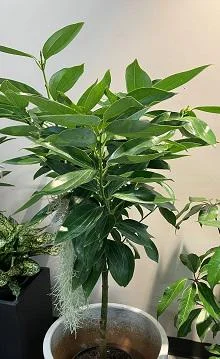
Cultivate your own spice with a cinnamon tree live plant. This evergreen shrub or small tree, 1 to 2 feet tall, arrives in a 3-gallon pot, ready to grow. Enjoy its aromatic leaves and harvest your own cinnamon bark for culinary uses and fragrant teas.
Original price was: $355.96.$177.98Current price is: $177.98.

With our Alive & Thrive Guarantee, we’ve got your back for the first 30 days! If you have any concerns about your plants, just reach out to us. Our team is here to help answer your questions and guide you in selecting the best plants for your garden, climate, and unique preferences. We're excited to help you create the garden of your dreams!
Estimated arrival
Apr 13
Apr 18 - Apr 20
Apr 23 - Apr 27

Product Details
-
USDA Hardiness Zone
USDA zones 9-11 -
Soil type
Well-draining, rich potting mix -
Sunlight Exposure
Full sun to partial shade -
Expected Planting Period
Year-round indoors; Spring to early summer outdoors
Overview
Bring the exotic aroma and flavor of fresh cinnamon into your home or garden with this beautiful cinnamon tree live plant. Known botanically as Cinnamomum zeylanicum (or Cinnamomum verum), this evergreen shrub or small tree is the source of true cinnamon. Our live plant, measuring 1 to 2 feet tall and shipped in a 3-gallon pot, is ready to be a focal point in your plant collection. The cinnamon tree is cherished not only for its valuable bark, which is harvested to produce the popular culinary spice, but also for its attractive dark, leathery, and highly aromatic leaves. This plant offers a unique opportunity to connect with your food source and enjoy the fresh, warm fragrance of cinnamon right from your own space. Growing a cinnamon tree live plant can be a rewarding experience for any plant enthusiast or home chef.
Key Benefits
A cinnamon tree live plant offers a multitude of benefits, from culinary delight to ornamental beauty, making it a versatile addition to your garden or indoor plant collection. Its unique characteristics provide both practical and aesthetic advantages.
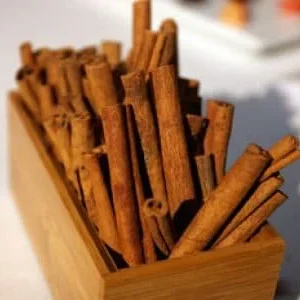
- Culinary Spice Source: The primary benefit is the ability to harvest your own true cinnamon bark. This allows for the freshest possible spice for baking, cooking, and beverages, offering a superior flavor profile compared to store-bought varieties.
- Aromatic Foliage and Bark: Beyond the spice, the leaves and bark of the cinnamon tree live plant release a delightful, warm, and spicy aroma. This natural fragrance can enhance your living space, whether the plant is indoors or out.
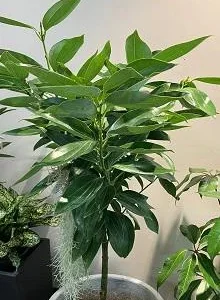
- Attractive Evergreen Specimen: With its glossy, dark green leaves, the cinnamon tree is an appealing evergreen plant that adds a touch of tropical elegance to any setting. It maintains its beauty year-round, unlike deciduous plants.
- Tea Ingredient: The aromatic leaves of the cinnamon tree can be used to brew a fragrant and flavorful tea, offering a natural and refreshing beverage option with potential health benefits.
- Versatile Use: Besides culinary applications, the plant’s aromatic properties make its leaves and bark suitable for use in potpourri, incense, and other natural fragrance products, allowing you to explore various creative uses for your harvest.
- Educational Experience: Growing a cinnamon tree live plant provides a hands-on learning experience about where spices come from, fostering a deeper appreciation for natural products and sustainable living.
- Potential Air Purification: Like many plants, the cinnamon tree can contribute to a healthier indoor environment by potentially improving air quality, though its primary benefits are aromatic and culinary.
Plant Care & Growing Tips
Caring for your cinnamon tree live plant involves understanding its tropical origins to provide optimal growing conditions. This plant thrives in warm, humid environments and requires consistent care to flourish. For best results, ensure it receives ample sunlight and is protected from cold temperatures.
Your cinnamon tree live plant prefers a location with full sun to partial shade. If growing indoors, place it near a bright window where it can receive at least 6 hours of direct sunlight daily. Outdoors, choose a spot that gets morning sun and some afternoon shade, especially in hotter climates, to prevent leaf scorch. The soil should be consistently moist but well-draining. Water thoroughly when the top inch of soil feels dry to the touch, and reduce watering slightly during cooler months. Avoid letting the plant sit in standing water, as this can lead to root rot. A rich, well-draining potting mix is ideal, preferably one amended with organic matter to retain moisture while allowing excess water to escape. The plant is sensitive to cold and should be protected from frost. It thrives in temperatures between 60-85°F (15-30°C). If you want to grow cinnamon at home, consider bringing it indoors during winter in colder climates.
Fertilize your culinary cinnamon plant every 2-4 weeks during the growing season (spring and summer) with a balanced liquid fertilizer diluted to half strength. Reduce fertilization in fall and winter. Common problems include yellowing leaves, which can indicate overwatering or nutrient deficiency, and pest issues like spider mites or mealybugs, which can be treated with insecticidal soap. Ensure good air circulation to prevent fungal diseases. Pruning is essential for encouraging new growth and making the bark easier to harvest. Young trees are typically cut back twice a year to encourage sucker shoots from the roots, which furnish the commercial bark. This practice helps maintain a manageable size and promotes a healthy, productive cinnamon bark tree.
Size & Details
This offering is for a vibrant cinnamon tree live plant, typically measuring between 1 to 2 feet tall from the base of the plant to the tip of its tallest leaves. It is shipped securely in a 3-gallon nursery pot, providing a healthy root system for immediate growth upon arrival. The plant’s mature size can vary depending on growing conditions and pruning. When grown in the ground in suitable climates, a cinnamon tree can reach heights of 20-30 feet, though regular pruning for bark harvesting usually keeps it much smaller, often as a large shrub or small multi-stemmed tree. If kept in a container, its size will be naturally restricted, making it suitable for patios or indoor environments. Expect a moderate growth rate, with visible new foliage appearing throughout the warmer months. This plant is a fantastic way to grow cinnamon at home, offering both an ornamental presence and a practical yield.
Frequently Asked Questions
- Q: How big does this plant get? A: This cinnamon tree live plant is currently 1 to 2 feet tall and is shipped in a 3-gallon pot. With regular pruning for bark harvest, it can be maintained as a large shrub or small tree, typically 6-10 feet tall in containers, or larger if planted in the ground in tropical climates.
- Q: Is this an indoor or outdoor plant? A: The cinnamon tree can be grown both indoors and outdoors. It thrives outdoors in USDA Zones 9-11. In colder climates, it is best grown in a container and brought indoors during the cooler months to protect it from frost.
- Q: How much sunlight does it need? A: A culinary cinnamon plant requires full sun to partial shade. Indoors, aim for at least 6 hours of bright, direct sunlight daily. Outdoors, morning sun with some afternoon shade is ideal, especially in hot regions.
- Q: What condition will it arrive in? A: Your cinnamon tree live plant will arrive well-packaged in its 3-gallon nursery pot, with its root ball intact and protected, ready for planting or continued growth in its container. We take great care to ensure safe transit.
- Q: Can I use the leaves and bark for cooking? A: Yes, both the bark and leaves of the cinnamon bark tree are aromatic and can be used in culinary applications. The bark is the primary source of the spice, while the leaves can be used to flavor teas or dishes.
- Q: When is the best time to plant? A: If planting outdoors in suitable zones, spring or early summer is ideal. If growing in a container, it can be planted year-round, allowing it to establish itself before seasonal temperature changes.
- Q: Is this plant easy to care for? A: While not extremely difficult, the Cinnamomum zeylanicum requires consistent attention to its light, water, and temperature needs, especially if you want to successfully grow cinnamon at home. It’s a rewarding plant for those willing to provide its specific care requirements.
- Q: What is the ideal soil type for this cinnamon tree? A: The cinnamon tree prefers a rich, well-draining soil mix. A good quality potting mix amended with compost or other organic matter works well for container growing.
- Q: How often should I water my cinnamon plant? A: Water your cinnamon tree live plant when the top inch of soil feels dry. Keep the soil consistently moist but never soggy. Reduce watering slightly during its dormant period in winter.
- Q: Will it survive winter in my zone if I live outside USDA 9-11? A: Outside of USDA Zones 9-11, the cinnamon tree is not winter hardy and must be protected from frost. It should be grown in a pot and brought indoors when temperatures drop below 50°F (10°C).
Related products


PLANTING & CARE

Growing Glencoe Raspberry: A Complete Guide for Gardeners
If you’re looking to add something unique to your garden, look no further than the
31
Mar
Mar

The Comprehensive Guide to Growing Bay Leaf Plants for a Flavorful Garden
Imagine stepping into your garden, greeted by the earthy aroma of fresh bay leaves, their
09
Feb
Feb

How to Make Comfrey Tea: The Ultimate Organic Plant Food
Growing an organic garden can be surprisingly expensive, especially when most store-bought fertilizers come in
02
Feb
Feb

True Comfrey: 7 Essential Tips Before You Plant This Herb
A staple in permaculture practices across the US, True Comfrey easily earns its reputation as
27
Jan
Jan

7 Heart-Shaped Plants for a Lasting Valentine’s Gift
If you’ve ever bought a bouquet of roses for Valentine’s Day, you know they are
26
Jan
Jan

Best Types of Ivy Plant for Houses: How to Choose the Perfect Ones for Your Home
Are you a garden lover looking to introduce some greenery into your home? Maybe you’ve
14
Nov
Nov

When to Harvest Garlic (Especially Fall-Planted Garlic)
TIMING IS EVERYTHING, they say – and for garlic, that truth hits with surprising accuracy.
13
Nov
Nov

11 of the Best Sweet Potato Varieties to Grow for Your Garden
If you’ve ever tried growing sweet potatoes, you know that picking the right variety can
12
Nov
Nov