Collard Seeds – Georgia Southern, Morris Heading, Vates Mix – Vegetable Seeds
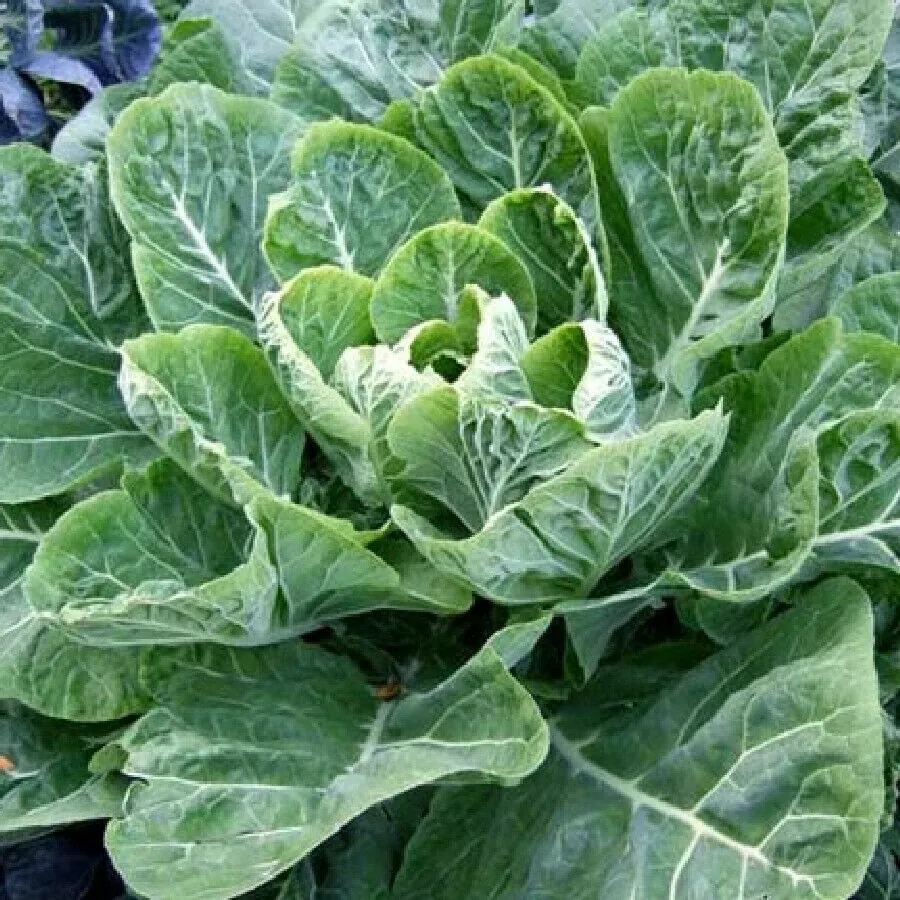
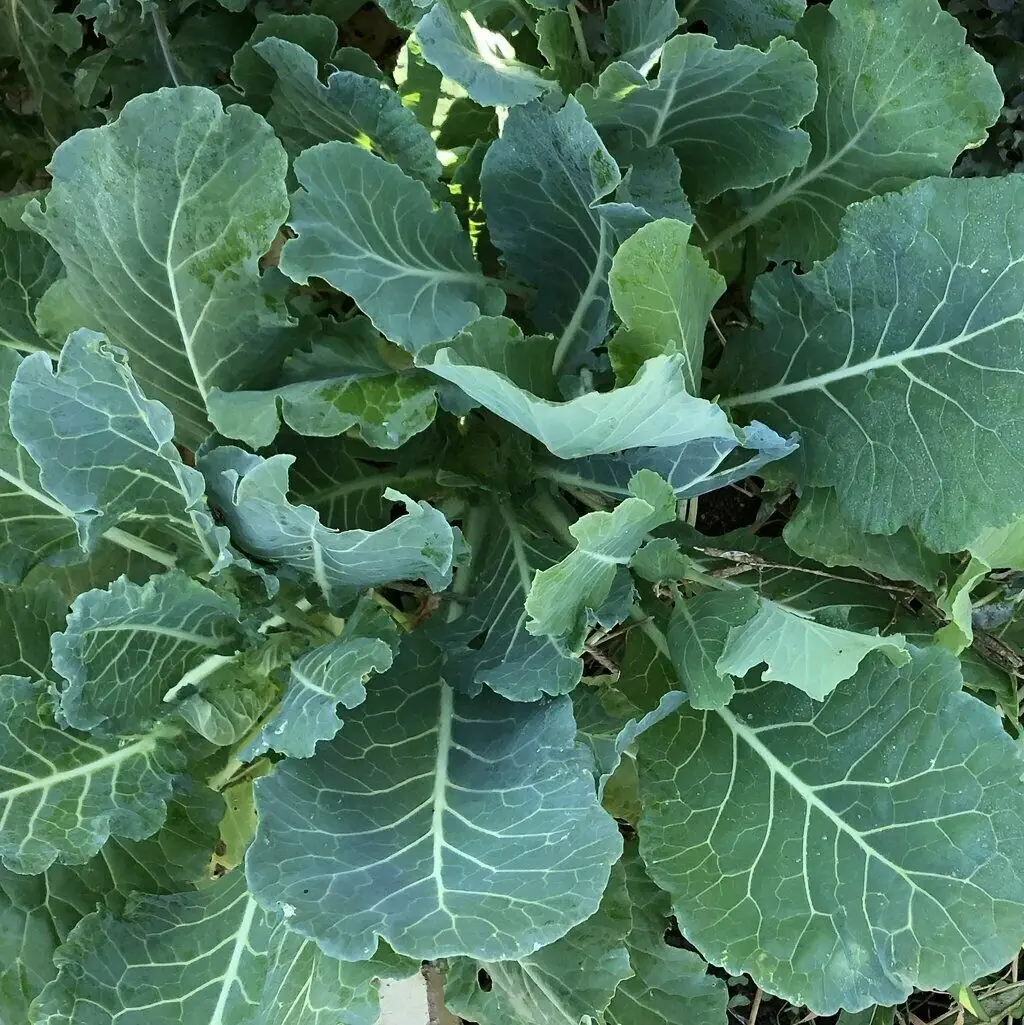
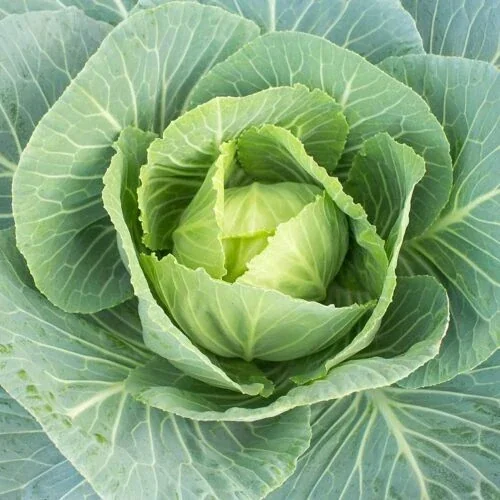

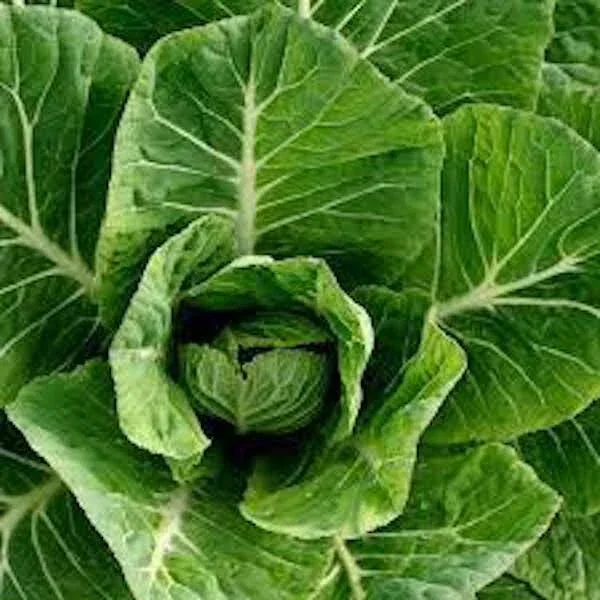
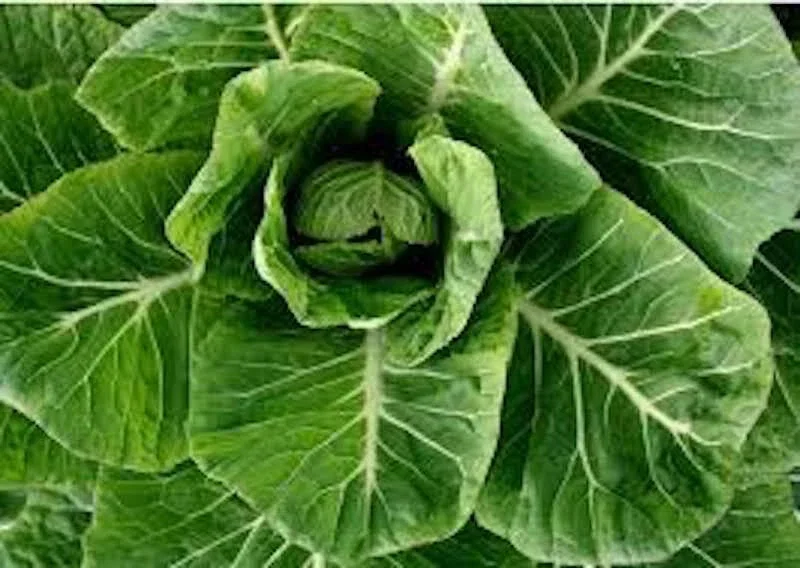
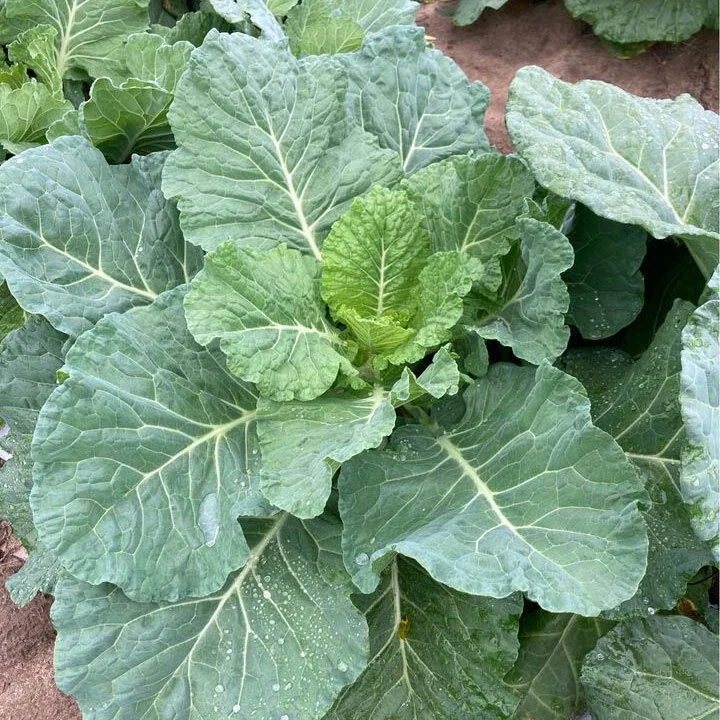
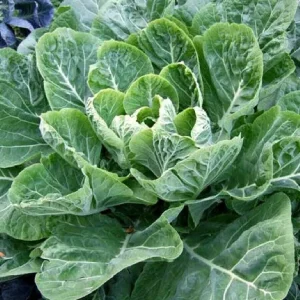
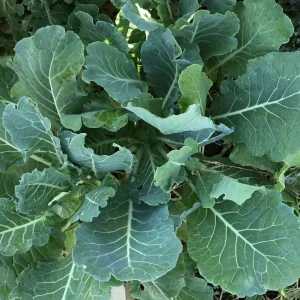
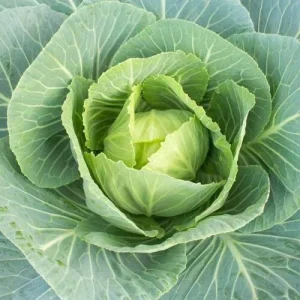
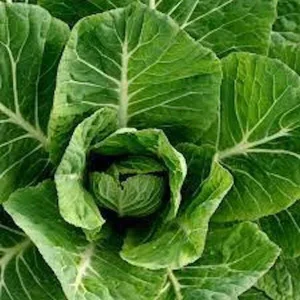
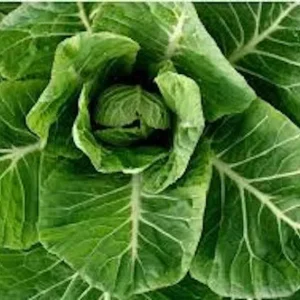
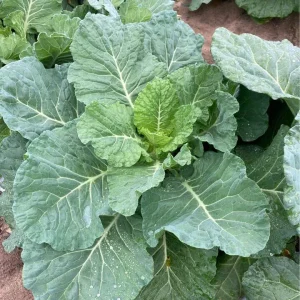
Collard Seeds – Georgia Southern, Morris Heading, Vates Mix – Vegetable Seeds
Cultivate a bountiful harvest of nutritious collards with our premium selection of collard seeds. This mix includes popular varieties like Georgia Southern collards, Morris Heading collards, and Vates collards, offering diversity in your garden. Ideal for both indoor and outdoor growing, these fresh seeds promise a rewarding gardening experience.
$11.56

With our Alive & Thrive Guarantee, we’ve got your back for the first 30 days! If you have any concerns about your plants, just reach out to us. Our team is here to help answer your questions and guide you in selecting the best plants for your garden, climate, and unique preferences. We're excited to help you create the garden of your dreams!
Estimated arrival
Mar 31
Apr 05 - Apr 07
Apr 10 - Apr 14

Product Details
-
USDA Hardiness Zone
USDA zones 7-10 (as annual or overwintering) -
Soil type
Rich, well-draining soil -
Sunlight Exposure
Full sun to partial shade -
Expected Planting Period
Early spring or late summer to early fall
Overview
Embark on a rewarding gardening journey with our premium selection of collard seeds. This comprehensive assortment provides fresh, high-quality seeds for three popular collard varieties: Georgia Southern, Morris Heading, and Vates. Perfect for home gardeners looking to cultivate their own nutritious greens, these collard seeds are easy to plant and grow, promising a bountiful harvest. Collard greens are a staple in many cuisines, known for their robust flavor and versatility in cooking. With this mix, you can enjoy a diverse range of textures and tastes right from your backyard or container garden. Our new season seeds are selected for their viability and vigor, ensuring a strong start for your plants.
Whether you are an experienced gardener or just starting, growing collards from seed is a fulfilling process. These leafy greens are adaptable and can thrive in various climates, making them a reliable choice for many regions across the United States. The inclusion of Georgia Southern collards, Morris Heading collards, and Vates collards ensures you receive a blend of time-tested favorites, each with unique characteristics. Prepare to enjoy crisp, fresh collard greens that are far superior to store-bought options, packed with vitamins and minerals. These vegetable seeds are an excellent addition to any edible garden.
Key Benefits
Growing your own collard greens from our high-quality seed selection offers numerous advantages, from fresh produce to a satisfying gardening experience. Here are some key benefits you can expect:
- Fresh, Nutritious Harvest: Enjoy the freshest possible collard greens, picked directly from your garden. Collards are packed with vitamins A, C, and K, as well as calcium and iron, contributing to a healthy diet. Growing your own ensures you have access to nutrient-dense food without pesticides or preservatives found in some commercial produce.
- Variety for Culinary Delights: This mix includes Georgia Southern collards, Morris Heading collards, and Vates collards, offering a diverse array of flavors and textures. Georgia Southern is known for its large, tender leaves, Morris Heading for its cold hardiness, and Vates for its compact growth and excellent taste. This variety allows for culinary experimentation and ensures a continuous harvest of different collard types.
- Easy to Grow: Collard greens are remarkably resilient and relatively easy to cultivate, making them an excellent choice for gardeners of all skill levels. These collard seeds germinate reliably and the plants require minimal fuss once established, ideal for those seeking low-maintenance vegetables.
- Year-Round Potential: Depending on your climate, collards can be grown for multiple seasons, often tolerating light frosts which can even enhance their flavor. This extended growing period means a longer supply of fresh greens for your kitchen.
- Cost-Effective: Planting seeds is an economical way to produce a large quantity of vegetables. A single packet of collard seeds can yield many plants, providing a continuous supply of greens at a fraction of the cost of buying them from the grocery store.
- Supports Local Ecosystem: Growing your own garden, even with common vegetables like collards, contributes to local biodiversity and can attract beneficial insects, creating a healthier micro-environment around your home.
- Satisfaction of Homegrown Food: There’s immense satisfaction in preparing meals with ingredients you’ve grown yourself. The taste and freshness of homegrown collards are unparalleled, providing a truly farm-to-table experience.
Plant Care & Growing Tips
Successfully growing collard seeds into thriving plants requires attention to a few key environmental factors. Collard greens are generally hardy and forgiving, but providing optimal conditions will lead to the best yields. They prefer full sun, meaning at least 6 hours of direct sunlight per day, but can tolerate partial shade, especially in hotter climates where some afternoon shade can prevent bolting. When growing collard seeds, ensure your chosen location receives adequate light.
Watering is crucial for lush collard growth. Keep the soil consistently moist but not waterlogged. Collards need about 1-1.5 inches of water per week, either from rainfall or irrigation. During dry spells, increase watering frequency. Good drainage is essential to prevent root rot, so avoid heavy, compacted soils. For soil, collards thrive in rich, well-draining soil with a pH between 6.0 and 7.0. Amend heavy clay soils with organic matter like compost to improve drainage and fertility. A good quality potting mix works well for container growing. Fertilize collards every 3-4 weeks with a balanced organic fertilizer or a fertilizer rich in nitrogen to promote leafy growth. Common problems include pest infestations like aphids, cabbage worms, and flea beetles. Regularly inspect your plants and use organic pest control methods like neem oil or insecticidal soap if needed. Ensure proper spacing between plants to allow for good air circulation, which helps prevent fungal diseases. The Morris Heading collards variety is particularly known for its cold hardiness, making it a great choice for late-season planting.
Collards are cool-season crops, ideally planted in early spring for a summer harvest or late summer for a fall/winter harvest. They can tolerate light frosts, which can even sweeten their flavor. The ideal temperature range for growing collards is between 60-70°F (15-21°C). When temperatures consistently exceed 80°F (27°C), collards may start to bolt, producing flower stalks and bitter leaves. Protecting them with shade cloth during peak summer heat can help extend the harvest. The Vates collards variety is a compact option, suitable for smaller gardens or containers. To grow collards successfully, consistent care is key.
Size & Details
This offering includes a generous quantity of collard seeds, providing ample opportunity to establish a thriving collard patch in your garden. Each seed packet contains a mix of three distinct varieties: Georgia Southern, Morris Heading, and Vates. While specific seed counts can vary, you will receive enough seeds to plant a substantial area or to allow for successional planting throughout the growing season. Collard plants typically grow to a mature height of 1 to 3 feet, with a spread of similar dimensions, depending on the variety and growing conditions. The leaves can be quite large, especially those of the Georgia Southern collards, making them excellent for cooking.
These seeds are fresh from the new season, ensuring high germination rates and vigorous plant growth. Collards have a relatively fast growth rate, with leaves often ready for harvest within 60-75 days from planting. They are typically shipped as dry seeds in a protective packet, ready for immediate planting or storage until the optimal planting window. Expect continuous harvests throughout their growing season, as collards are often cut-and-come-again vegetables. The plants are robust and can produce fresh greens for several months under ideal conditions, allowing you to grow collards for an extended period.
Frequently Asked Questions
- Q: How big do collard plants get? A: Collard plants typically reach a height of 1 to 3 feet and can spread about 1 to 2 feet wide. The exact size depends on the specific variety, growing conditions, and how often you harvest the leaves.
- Q: Is this an indoor or outdoor plant? A: Collard greens are primarily outdoor plants, thriving in garden beds or large containers on a patio. While you could start collard seeds indoors to get a head start on the season, they require significant space and light to mature.
- Q: How much sunlight do collard seeds need to grow? A: Collards perform best with full sun, meaning at least 6 hours of direct sunlight per day. In very hot climates, they can benefit from some afternoon shade to prevent bolting and keep leaves tender.
- Q: Are these collard seeds good for beginners? A: Yes, collard greens are an excellent choice for beginner gardeners. They are relatively forgiving, easy to germinate, and require straightforward care, making it simple to grow collards successfully.
- Q: What condition will the seeds arrive in? A: The seeds will arrive as dry, fresh seeds in a sealed packet, ready for planting. They are carefully packaged to ensure their viability and quality upon arrival.
- Q: Can I use collard greens in cooking? A: Absolutely! Collard greens are a popular staple in many cuisines, especially Southern cooking. They can be steamed, sautéed, braised, or added to soups and stews. The fresh taste of homegrown Georgia Southern collards, Morris Heading collards, and Vates collards is exceptional.
- Q: When is the best time to plant collard seeds? A: The best time to plant collard seeds is in early spring for a summer harvest, or in late summer to early fall for a fall and winter harvest. Collards are cool-season crops and can tolerate light frosts.
- Q: What is the ideal soil type for growing collards? A: Collards prefer rich, well-draining soil with a pH between 6.0 and 7.0. Amending the soil with plenty of organic matter like compost will significantly improve growth and yield.
- Q: Will collard plants survive winter in my zone? A: Collards are hardy and can often tolerate light frosts. In USDA Zones 8 and warmer, they can often overwinter and produce into the spring. In colder zones, they are typically grown as an annual.
- Q: How long until I can harvest collard greens from seeds? A: You can typically start harvesting collard leaves in about 60-75 days after planting the seeds. For a continuous harvest, pick the outer leaves first, allowing the inner leaves to continue growing.
| 3 Varieties | 400+ Collards Georgia Southern, 400+ Collards Morris Heading, 400+ Collards Vates |
|---|
Related products
-50%
Original price was: $51.96.$25.98Current price is: $25.98.
-50%
Original price was: $15.96.$7.98Current price is: $7.98.
-50%

Original price was: $15.96.$7.98Current price is: $7.98.
-50%
Original price was: $39.96.$19.98Current price is: $19.98.
-50%
Original price was: $15.96.$7.98Current price is: $7.98.
-50%
Original price was: $15.96.$7.98Current price is: $7.98.
-50%
Original price was: $15.00.$7.50Current price is: $7.50.
-50%

Original price was: $11.00.$5.50Current price is: $5.50.
PLANTING & CARE
Growing Glencoe Raspberry: A Complete Guide for Gardeners
If you’re looking to add something unique to your garden, look no further than the
31
Mar
Mar

The Comprehensive Guide to Growing Bay Leaf Plants for a Flavorful Garden
Imagine stepping into your garden, greeted by the earthy aroma of fresh bay leaves, their
09
Feb
Feb

How to Make Comfrey Tea: The Ultimate Organic Plant Food
Growing an organic garden can be surprisingly expensive, especially when most store-bought fertilizers come in
02
Feb
Feb

True Comfrey: 7 Essential Tips Before You Plant This Herb
A staple in permaculture practices across the US, True Comfrey easily earns its reputation as
27
Jan
Jan

7 Heart-Shaped Plants for a Lasting Valentine’s Gift
If you’ve ever bought a bouquet of roses for Valentine’s Day, you know they are
26
Jan
Jan

Best Types of Ivy Plant for Houses: How to Choose the Perfect Ones for Your Home
Are you a garden lover looking to introduce some greenery into your home? Maybe you’ve
14
Nov
Nov

When to Harvest Garlic (Especially Fall-Planted Garlic)
TIMING IS EVERYTHING, they say – and for garlic, that truth hits with surprising accuracy.
13
Nov
Nov

11 of the Best Sweet Potato Varieties to Grow for Your Garden
If you’ve ever tried growing sweet potatoes, you know that picking the right variety can
12
Nov
Nov