Colocasia Esculenta Bulbs – Elephant Ear Taro Gabi – 2 Root Bulbs for Planting
-50%
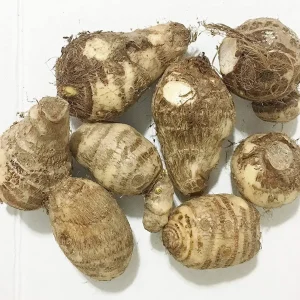
Colocasia Esculenta Bulbs – Elephant Ear Taro Gabi – 2 Root Bulbs for Planting
Cultivate stunning tropical foliage with these colocasia root bulbs. Each order includes 2 viable root bulbs of Colocasia Esculenta, also known as Elephant Ear or Taro. Ideal for creating a lush, exotic garden display or for growing edible tubers.
Original price was: $56.00.$28.00Current price is: $28.00.

With our Alive & Thrive Guarantee, we’ve got your back for the first 30 days! If you have any concerns about your plants, just reach out to us. Our team is here to help answer your questions and guide you in selecting the best plants for your garden, climate, and unique preferences. We're excited to help you create the garden of your dreams!
Estimated arrival
Mar 22
Mar 27 - Mar 29
Apr 01 - Apr 05

Product Details
-
USDA Hardiness Zone
USDA zones 8-11 (perennial), Zones 3-7 (annual or dug for winter) -
Soil type
Rich, consistently moist, well-draining soil -
Sunlight Exposure
Full sun to partial shade -
Expected Planting Period
Spring, after last frost
Overview
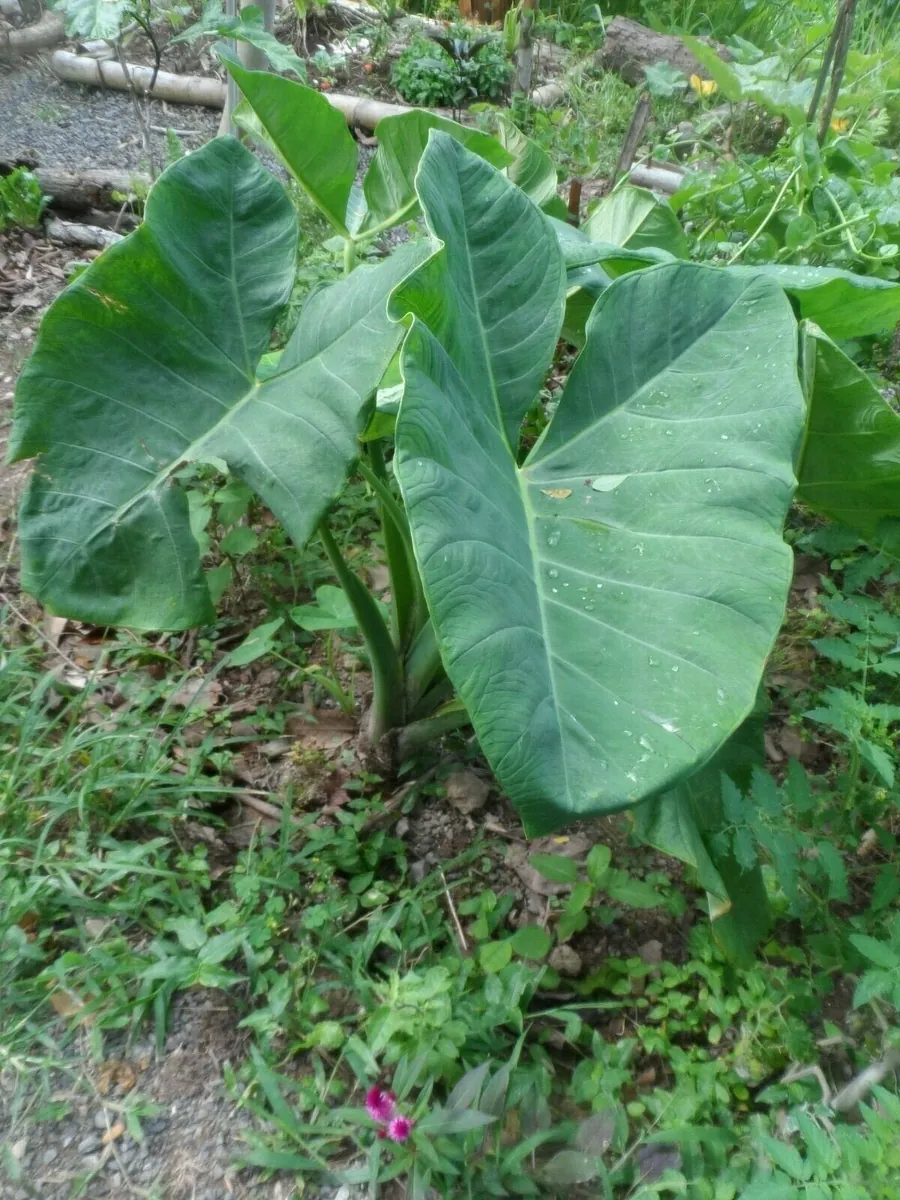
Introduce a touch of the tropics to your garden with these premium colocasia root bulbs. Each purchase includes 2 robust root bulbs of Colocasia Esculenta, renowned for its dramatic, heart-shaped leaves that can grow impressively large, resembling an elephant’s ear. This versatile plant goes by many common names, including Elephant Ear, Taro, Gabi, Kalo, and Eddo, reflecting its widespread cultivation and cultural significance. Beyond its ornamental appeal, Colocasia Esculenta is also celebrated for its edible tubers, a staple food in many parts of the world. These bulbs are an excellent choice for gardeners looking to add a bold statement to their landscape or cultivate their own nutritious food source.
Our colocasia root bulbs are sourced to ensure vigor and healthy growth, providing you with the foundation for a thriving plant. Whether you’re an experienced gardener or just starting, these easy-to-grow bulbs offer a rewarding experience. Watch as they transform into magnificent plants, perfect for ponds, borders, or large containers. The lush green foliage provides excellent shade and a vibrant backdrop for other plants, making them a fantastic addition to various garden designs.
Key Benefits
Growing Colocasia Esculenta offers a multitude of benefits, from enhancing your garden’s aesthetic to providing a unique culinary experience. These plants are truly exceptional in their versatility and visual impact.
- Dramatic Foliage: The most striking feature of the elephant ear plant is its enormous, heart-shaped leaves, which can create an instant tropical ambiance in any setting. They add significant visual interest and texture to garden beds or patio containers.
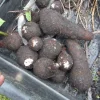
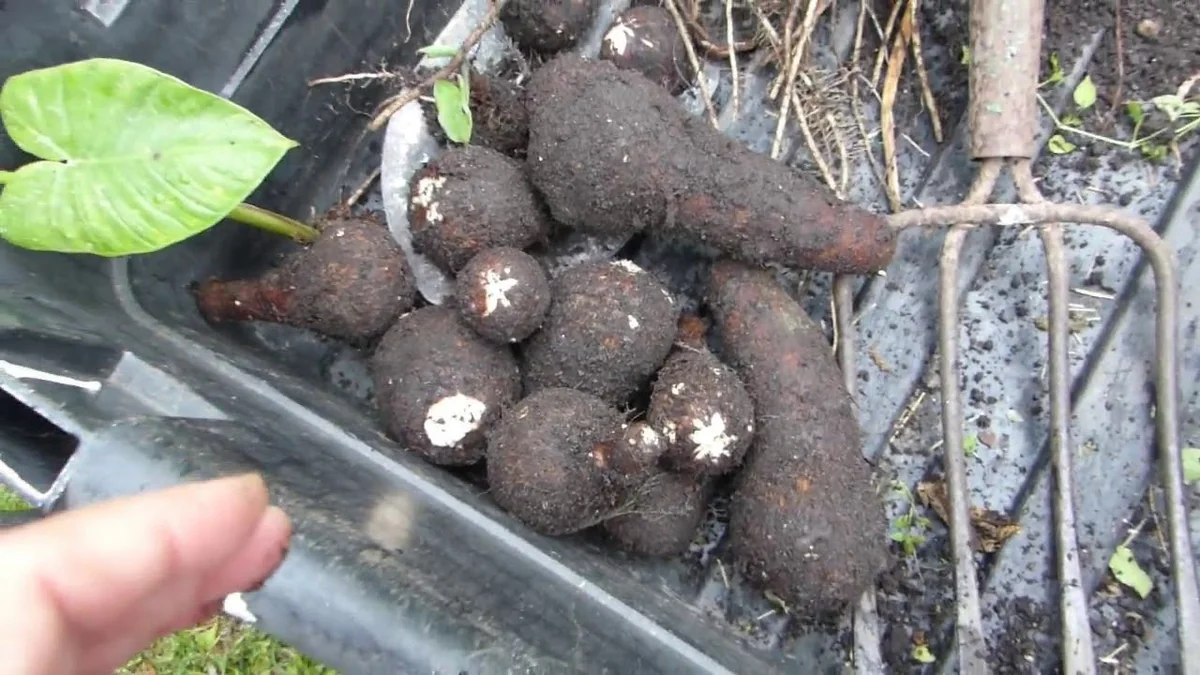
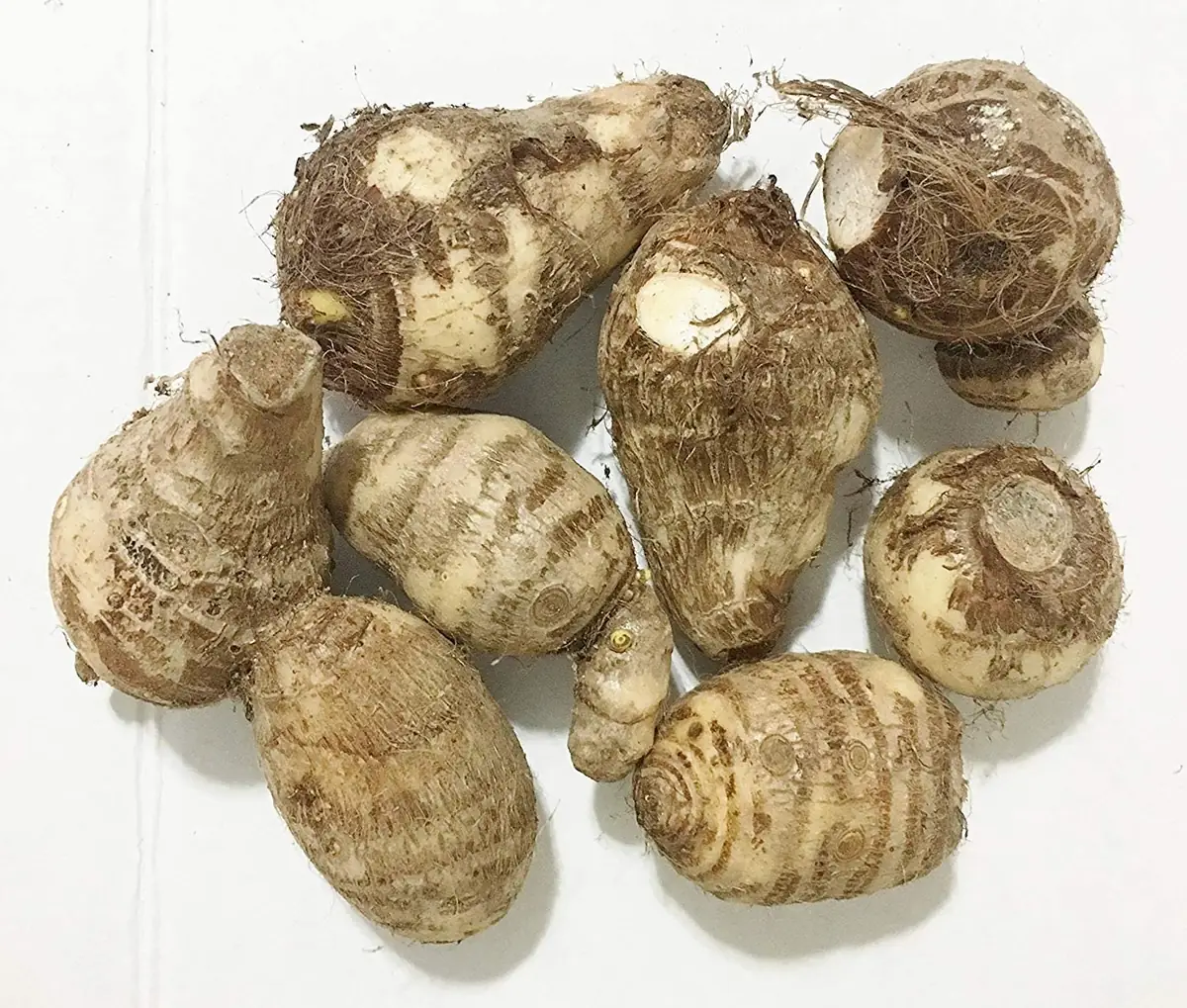
- Edible Tubers: Beyond their ornamental value, the tubers (corms) of edible colocasia are a nutritious food source, similar to potatoes. They can be cooked in various ways, offering a unique flavor and texture to your meals.
- Fast Growth: Under optimal conditions, these plants grow rapidly, quickly filling out spaces and providing a lush, full look to your garden within a single growing season.
- Versatile Planting: Ideal for a variety of garden applications, including bog gardens, pond edges, containers, or as a bold centerpiece in mixed borders. Their adaptability makes them a favorite among landscapers.
- Low Maintenance: Once established, taro plant care is relatively straightforward. They require consistent moisture and warm temperatures but are generally resilient and not prone to many pests or diseases.
- Natural Pest Repellent: While not a primary benefit, their large leaves can sometimes deter certain garden pests from smaller, more delicate plants nearby, offering a natural layer of protection.
- Air Purification: Like many large-leaved plants, colocasia contributes to improving air quality by absorbing carbon dioxide and releasing oxygen, making your garden a healthier environment.
Plant Care & Growing Tips
Caring for your colocasia root bulbs is a rewarding experience, leading to impressive foliage and potentially edible harvests. These plants thrive in warm, humid conditions and require consistent attention to moisture and light.
For optimal growth, plant your Colocasia Esculenta in a location that receives full sun to partial shade. In hotter climates, some afternoon shade is beneficial to prevent leaf scorch. They prefer rich, consistently moist soil, making them excellent choices for boggy areas or near water features. If planting in containers, ensure the pot is large enough to accommodate their rapid growth and has good drainage, though they tolerate standing water better than many plants. The ideal planting time is in spring, once all danger of frost has passed and soil temperatures have warmed sufficiently. Dig a hole twice as wide as the bulb and just deep enough so the top of the bulb is at or slightly below the soil surface.
Watering is crucial for these moisture-loving plants. Keep the soil consistently damp, especially during hot, dry periods. Never allow the soil to dry out completely. Regular fertilization with a balanced liquid fertilizer every 2-4 weeks during the growing season will encourage lush growth. Protect your elephant ear plant from cold temperatures; in USDA zones below 8, the bulbs should be dug up before the first frost and stored indoors in a cool, dry place over winter, then replanted in spring. This ensures the longevity of your gabi plant growing efforts. Monitor for common pests like spider mites or aphids, and treat with organic insecticidal soap if necessary.
Size & Details
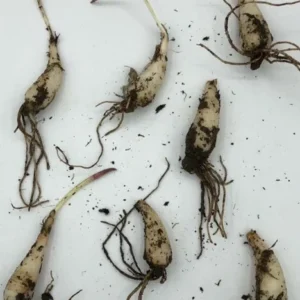
This offering includes 2 Colocasia Esculenta root bulbs, ready for planting. Each bulb is carefully selected to ensure viability and robust growth potential. While the exact size of the bulbs can vary slightly, they are typically large enough to produce vigorous plants in their first growing season. Once established, these plants can reach impressive heights, often growing 3-5 feet tall with an equally wide spread, depending on growing conditions and climate. The leaves alone can measure up to 2 feet long, creating a truly spectacular display.
The growth rate of Colocasia Esculenta is relatively fast, allowing you to enjoy substantial foliage within a few weeks of planting. While primarily grown for their ornamental leaves, the edible tubers (corms) will develop underground over the growing season, typically ready for harvest in late summer or early fall. These bulbs are shipped dormant and are best planted in spring for summer growth. They are perfect for creating a tropical oasis or for those interested in cultivating their own unique food crop.
Frequently Asked Questions
- Q: How big will my elephant ear plant get? A: Your elephant ear plant can typically grow between 3 to 5 feet tall and equally wide, with leaves reaching up to 2 feet in length under ideal growing conditions. The size can vary based on climate, soil quality, and care.
- Q: Is this an indoor or outdoor plant? A: While primarily grown outdoors in warm climates (USDA zones 8-11), Colocasia Esculenta can be grown indoors in large containers in cooler regions, provided it receives ample light and humidity.
- Q: How much sunlight do these colocasia root bulbs need? A: These bulbs thrive in full sun to partial shade. In areas with intense summer heat, some afternoon shade is beneficial to protect the large leaves from scorching.
- Q: What condition will the bulbs arrive in? A: The colocasia root bulbs will arrive in a dormant state, ready for planting. They may appear dry or have some remnants of soil, which is normal for dormant bulbs.
- Q: Can I eat the tubers from these plants? A: Yes, the tubers of edible colocasia are indeed edible. They must be cooked thoroughly before consumption, as raw taro contains calcium oxalate crystals that can cause irritation.
- Q: When is the best time to plant these bulbs? A: The best time to plant your colocasia root bulbs is in the spring, after all danger of frost has passed and the soil has warmed up, typically when temperatures are consistently above 60°F (15°C).
- Q: Is this plant easy to care for? A: Yes, taro plant care is generally considered easy, especially once established. Their primary needs are consistent moisture, warm temperatures, and rich soil.
- Q: Will these plants survive winter in my region? A: In USDA zones 8-11, they can often overwinter outdoors. In colder zones, the bulbs should be dug up before the first frost, allowed to dry, and stored in a cool, dark, dry place until spring.
- Q: What kind of soil is best for gabi plant growing? A: Gabi plant growing is best in rich, fertile, consistently moist soil with good drainage. They can tolerate heavy clay soils and even thrive in boggy conditions.
- Q: How often should I water my elephant ear plant? A: Keep the soil consistently moist, but not waterlogged. During hot, dry periods, you may need to water daily, especially if grown in containers.
Related products
-50%

Original price was: $121.98.$60.99Current price is: $60.99.
-43%
Original price was: $69.99.$39.99Current price is: $39.99.
-35%
Original price was: $19.90.$12.94Current price is: $12.94.
-50%
Original price was: $59.00.$29.50Current price is: $29.50.
-50%
Original price was: $75.96.$37.98Current price is: $37.98.
-50%
Original price was: $55.96.$27.98Current price is: $27.98.
PLANTING & CARE

The Comprehensive Guide to Growing Bay Leaf Plants for a Flavorful Garden
Imagine stepping into your garden, greeted by the earthy aroma of fresh bay leaves, their
09
Feb
Feb

How to Make Comfrey Tea: The Ultimate Organic Plant Food
Growing an organic garden can be surprisingly expensive, especially when most store-bought fertilizers come in
02
Feb
Feb

True Comfrey: 7 Essential Tips Before You Plant This Herb
A staple in permaculture practices across the US, True Comfrey easily earns its reputation as
27
Jan
Jan

7 Heart-Shaped Plants for a Lasting Valentine’s Gift
If you’ve ever bought a bouquet of roses for Valentine’s Day, you know they are
26
Jan
Jan

Best Types of Ivy Plant for Houses: How to Choose the Perfect Ones for Your Home
Are you a garden lover looking to introduce some greenery into your home? Maybe you’ve
14
Nov
Nov

When to Harvest Garlic (Especially Fall-Planted Garlic)
TIMING IS EVERYTHING, they say – and for garlic, that truth hits with surprising accuracy.
13
Nov
Nov

11 of the Best Sweet Potato Varieties to Grow for Your Garden
If you’ve ever tried growing sweet potatoes, you know that picking the right variety can
12
Nov
Nov
Pruning Bougainvillea for Winter
Bougainvillea vines are known for their dazzling display of magenta, orange, and fuchsia bracts that
05
Nov
Nov