Colocasia Pharaoh’s Mask Live Starter Plant – Unique Aroid Foliage (ALL STARTER PLANTS require you to purchase 2 plants!)
-35%
Colocasia Pharaoh’s Mask Live Starter Plant – Unique Aroid Foliage (ALL STARTER PLANTS require you to purchase 2 plants!)
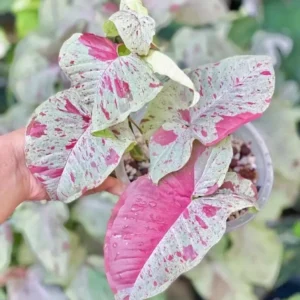
Bring home a captivating Colocasia Pharaoh’s Mask live plant, known for its dramatic dark foliage and contrasting veins. This unique aroid makes an excellent statement piece for both indoor spaces and shaded outdoor areas, offering exotic beauty and relatively easy care.
Original price was: $39.10.$25.42Current price is: $25.42.

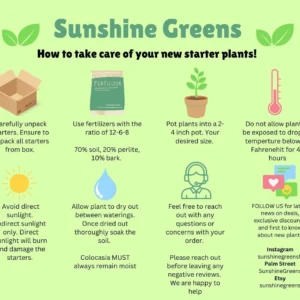
With our Alive & Thrive Guarantee, we’ve got your back for the first 30 days! If you have any concerns about your plants, just reach out to us. Our team is here to help answer your questions and guide you in selecting the best plants for your garden, climate, and unique preferences. We're excited to help you create the garden of your dreams!
Estimated arrival
Apr 01
Apr 06 - Apr 08
Apr 11 - Apr 15

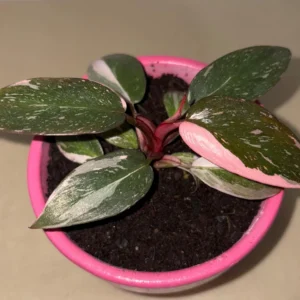
Product Details
-
USDA Hardiness Zone
USDA zones 8-11 (outdoors), suitable for all zones indoors -
Soil type
Rich, well-draining potting mix -
Sunlight Exposure
Bright indirect light -
Expected Planting Period
Year-round indoors, spring to early summer outdoors
Overview
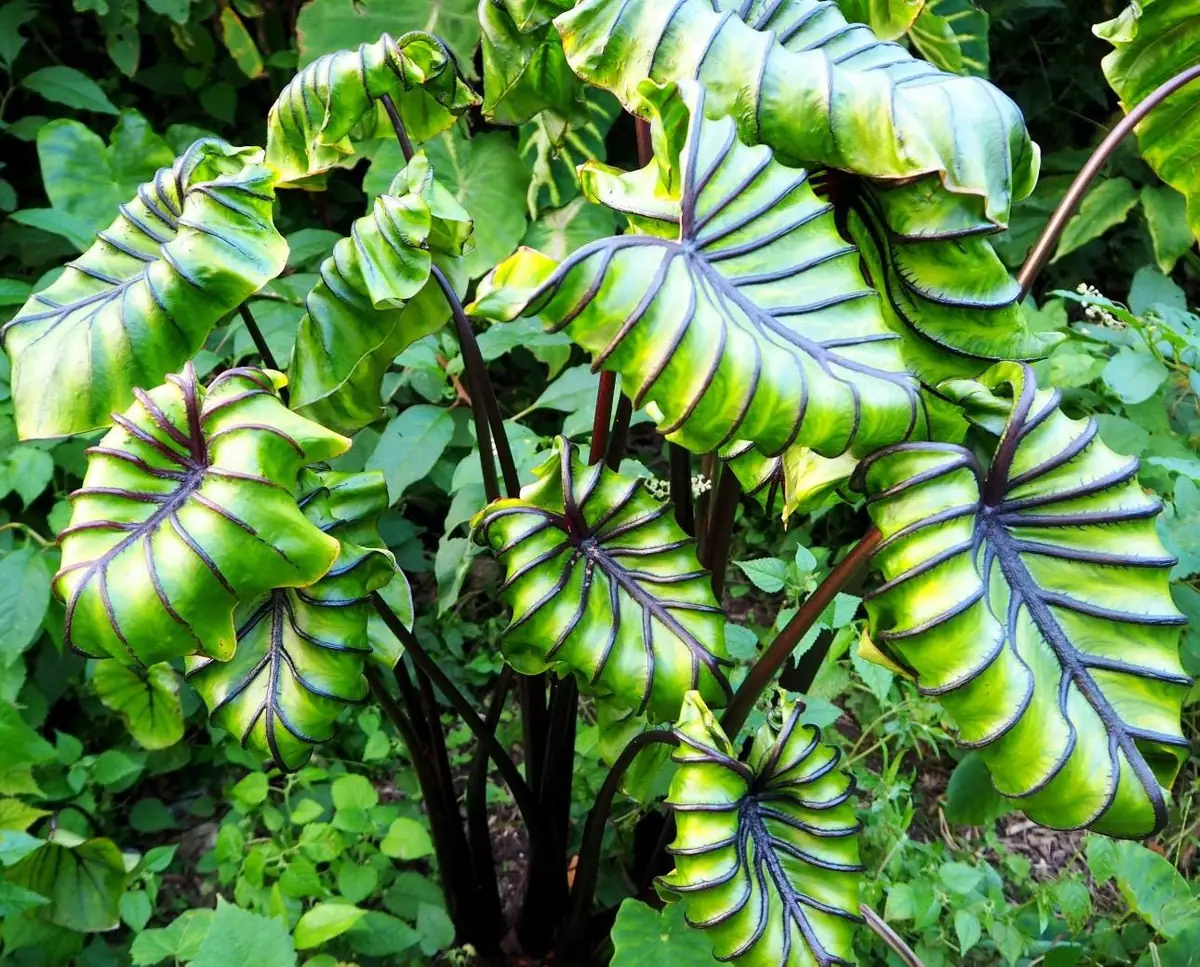
Introduce an exotic touch to your plant collection with the stunning Colocasia Pharaoh’s Mask live plant. This highly sought-after aroid, also known as Elephant Ear ‘Pharaoh’s Mask’, is celebrated for its distinctive foliage. Each leaf boasts a rich, dark green hue dramatically offset by prominent, almost black, raised veins that create a striking skeletal appearance. Originating from tropical regions, this plant thrives in warm, humid environments, making it a perfect addition to a bright indoor spot or a shaded outdoor garden during warmer months. Its unique aesthetic makes it a conversation starter and a favorite among collectors of unusual houseplants and tropical garden enthusiasts. The Pharaoh’s Mask Colocasia care is straightforward, rewarding gardeners with vigorous growth and impressive visual appeal.
The ‘Pharaoh’s Mask’ cultivar stands out from other Colocasia varieties due to its deeply ridged and contrasting venation, giving it a truly regal and ancient Egyptian-inspired look. As a live starter plant, it provides an exciting opportunity to nurture this magnificent specimen from its early stages, allowing you to witness its captivating development. Whether you’re an experienced gardener or just beginning your journey with exotic plants, the Colocasia Pharaoh’s Mask live plant offers a rewarding and visually spectacular experience.
Key Benefits
Adding a Colocasia Pharaoh’s Mask live plant to your home or garden brings a host of aesthetic and environmental advantages. Its striking appearance and relatively simple care requirements make it an excellent choice for various settings. Here are some of the key benefits:
- Dramatic Visual Appeal: The deep green leaves with prominent, dark veins create a stunning, almost sculptural effect, making it a unique aroid plant that instantly draws attention.
- Exotic Ambiance: Its tropical origin lends an exotic and lush feel to any space, transforming ordinary rooms or garden corners into vibrant, jungle-like retreats.
- Versatile Placement: Suitable for both indoor container growing and outdoor garden beds in appropriate climates, offering flexibility in how you display its beauty.
- Air Purification: Like many large-leaved plants, the Colocasia Pharaoh’s Mask live plant contributes to improving indoor air quality by absorbing toxins and releasing oxygen.
- Relatively Easy Care: Despite its exotic appearance, this plant is not overly demanding, making it accessible for gardeners of various skill levels.
- Fast Growth Rate: Under optimal conditions, Colocasia can grow quite rapidly, quickly filling out a space with its impressive foliage.
- Collector’s Item: Its distinctive look makes it a prized possession for plant enthusiasts and collectors seeking rare and visually interesting specimens.
Plant Care & Growing Tips
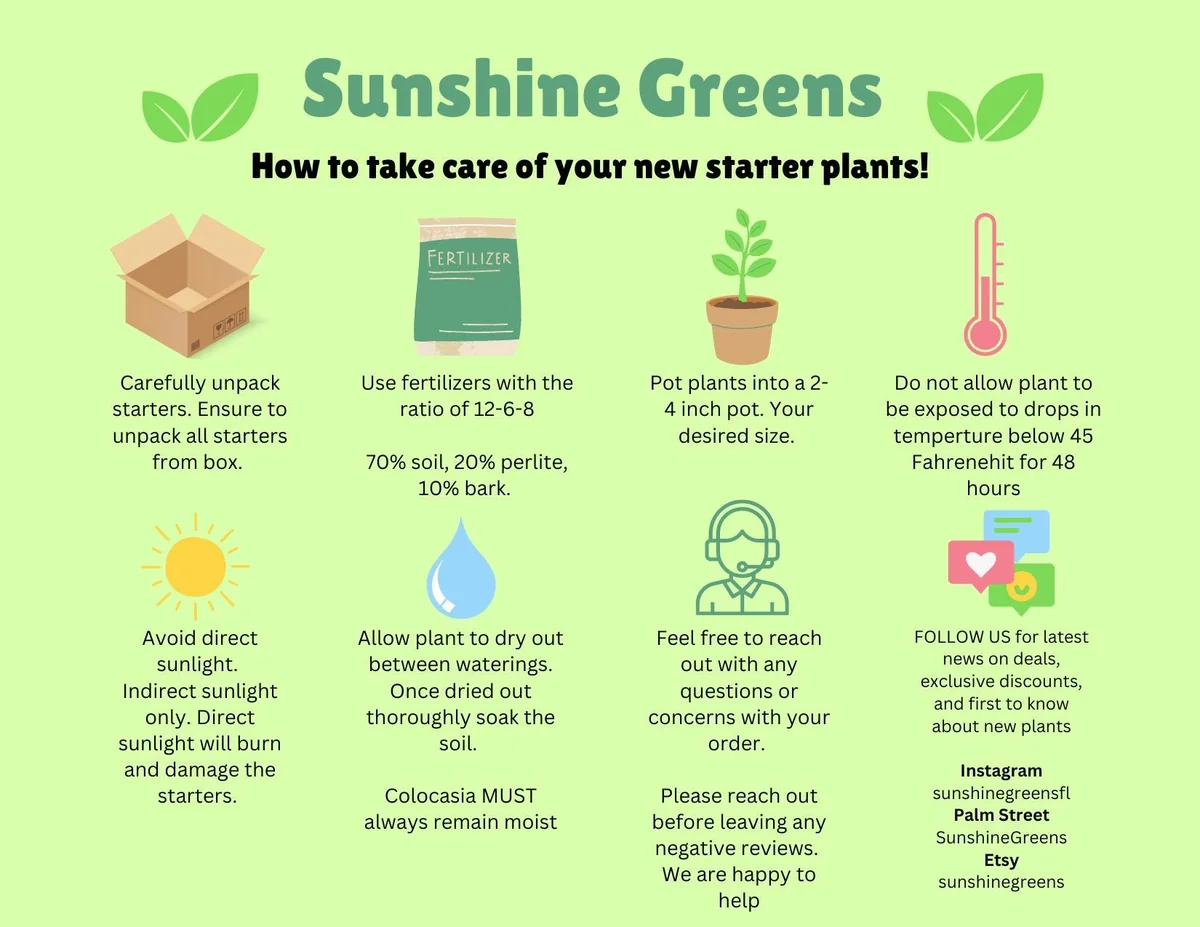
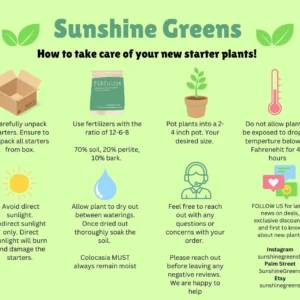
Caring for your Colocasia Pharaoh’s Mask live plant involves understanding its tropical needs to ensure robust growth and vibrant foliage. This plant thrives in conditions that mimic its natural habitat. For sunlight, it prefers bright, indirect light. Indoors, place it near a window where it receives ample light but is shielded from harsh, direct afternoon sun, which can scorch its leaves. If growing outdoors, choose a location with dappled shade or morning sun and afternoon shade. Too much direct sun can fade the leaf color and cause leaf burn, while too little light can lead to leggy growth and less pronounced venation.
Watering is crucial for Colocasia. They are thirsty plants and prefer consistently moist, but not waterlogged, soil. Check the top inch of soil; if it feels dry, it’s time to water thoroughly until water drains from the bottom of the pot. Reduce watering slightly during cooler months when growth slows. High humidity is also beneficial for this unique aroid plant. Indoors, you can increase humidity by misting regularly, using a pebble tray, or placing it near a humidifier. For soil, a rich, well-draining potting mix is ideal. A mix containing peat moss, perlite, and compost will provide good drainage while retaining sufficient moisture and nutrients. Ensure your pot has drainage holes to prevent root rot.
The ideal temperature range for Colocasia Pharaoh’s Mask is between 65-85°F (18-29°C). It is not frost-tolerant, so if you live in a cold region (below USDA Zone 8), it’s best to grow it in containers and bring it indoors before temperatures drop. Fertilize every 2-4 weeks during the growing season (spring through summer) with a balanced liquid fertilizer diluted to half strength. Common problems include yellowing leaves (often due to over or under-watering), spider mites, and mealybugs. Regular inspection and prompt treatment with insecticidal soap can keep pests at bay. Understanding these care requirements will help your elephant ear plant indoor flourish.
Size & Details
The Colocasia Pharaoh’s Mask live plant is typically shipped as a healthy starter plant, ready for transplanting into a larger pot or garden bed upon arrival. While exact dimensions can vary, starter plants are generally well-rooted specimens, usually 4-6 inches tall, ensuring they establish quickly in their new environment. This variety is known for its impressive growth potential; with proper care, mature plants can reach heights of 3-5 feet and spreads of 2-4 feet, making a significant statement.
The leaves themselves can grow quite large, often reaching 12-18 inches in length, showcasing their distinctive dark green and black venation. The plant’s growth rate is considered moderate to fast in optimal conditions, meaning you can expect to see noticeable development relatively quickly. It is typically grown as an annual in colder climates or as a perennial in warmer USDA zones. When planting, consider its mature size to provide adequate space for its impressive foliage to unfurl. This Colocasia plant for sale will arrive carefully packaged to ensure its health during transit.
Frequently Asked Questions
- Q: How big does this plant get? A: With proper care, the Colocasia Pharaoh’s Mask live plant can reach an impressive height of 3-5 feet and spread 2-4 feet, making it a substantial and striking presence in your garden or home.
- Q: Is this an indoor or outdoor plant? A: This Colocasia can thrive both indoors as a houseplant in bright, indirect light, and outdoors in shaded or partially shaded areas, especially in warmer climates. In colder zones, it should be brought indoors during winter.
- Q: How much sunlight does it need? A: The Pharaoh’s Mask Colocasia care requires bright, indirect light. Avoid direct afternoon sun, which can scorch its leaves. Morning sun or dappled shade is ideal for outdoor placement.
- Q: Is this plant easy to care for? A: While it has specific requirements for moisture and humidity, it is generally considered moderately easy to care for, making it suitable for both experienced and enthusiastic beginner gardeners.
- Q: What condition will it arrive in? A: Your Colocasia Pharaoh’s Mask live plant will arrive as a healthy starter plant, carefully packaged to minimize stress during transit. Some minor yellowing of leaves can occur but the plant will quickly recover.
- Q: Can I grow this unique aroid plant in a pot? A: Yes, it is an excellent candidate for container growing, which allows for easy relocation indoors during colder months or to optimize lighting conditions. Choose a pot with good drainage.
- Q: When is the best time to plant? A: For outdoor planting, wait until all danger of frost has passed in spring. Indoor planting can be done year-round, ensuring consistent warmth and light.
- Q: What’s the minimum temperature this plant can tolerate? A: The Colocasia Pharaoh’s Mask prefers temperatures above 60°F (15°C). It is not frost-tolerant and should be protected from temperatures below 50°F (10°C) to ensure its survival.
- Q: How often should I water my Colocasia plant for sale? A: This plant enjoys consistently moist soil. Water thoroughly when the top inch of soil feels dry to the touch, ensuring good drainage to prevent root rot.
- Q: Is this elephant ear plant indoor pet-safe? A: Like many plants in the aroid family, Colocasia contains calcium oxalate crystals, which can be irritating if ingested. It is best to keep it out of reach of pets and children.
Related products
-25%
Original price was: $33.90.$25.42Current price is: $25.42.
-30%
Original price was: $129.98.$90.98Current price is: $90.98.
-25%
Original price was: $30.00.$22.50Current price is: $22.50.
-35%
Original price was: $29.80.$19.36Current price is: $19.36.
PLANTING & CARE

Growing Glencoe Raspberry: A Complete Guide for Gardeners
If you’re looking to add something unique to your garden, look no further than the
31
Mar
Mar

The Comprehensive Guide to Growing Bay Leaf Plants for a Flavorful Garden
Imagine stepping into your garden, greeted by the earthy aroma of fresh bay leaves, their
09
Feb
Feb

How to Make Comfrey Tea: The Ultimate Organic Plant Food
Growing an organic garden can be surprisingly expensive, especially when most store-bought fertilizers come in
02
Feb
Feb

True Comfrey: 7 Essential Tips Before You Plant This Herb
A staple in permaculture practices across the US, True Comfrey easily earns its reputation as
27
Jan
Jan

7 Heart-Shaped Plants for a Lasting Valentine’s Gift
If you’ve ever bought a bouquet of roses for Valentine’s Day, you know they are
26
Jan
Jan

Best Types of Ivy Plant for Houses: How to Choose the Perfect Ones for Your Home
Are you a garden lover looking to introduce some greenery into your home? Maybe you’ve
14
Nov
Nov

When to Harvest Garlic (Especially Fall-Planted Garlic)
TIMING IS EVERYTHING, they say – and for garlic, that truth hits with surprising accuracy.
13
Nov
Nov

11 of the Best Sweet Potato Varieties to Grow for Your Garden
If you’ve ever tried growing sweet potatoes, you know that picking the right variety can
12
Nov
Nov