Colorful Water Lily & Lotus Seeds – Easy Grow Aquatic Pond Plant
-50%
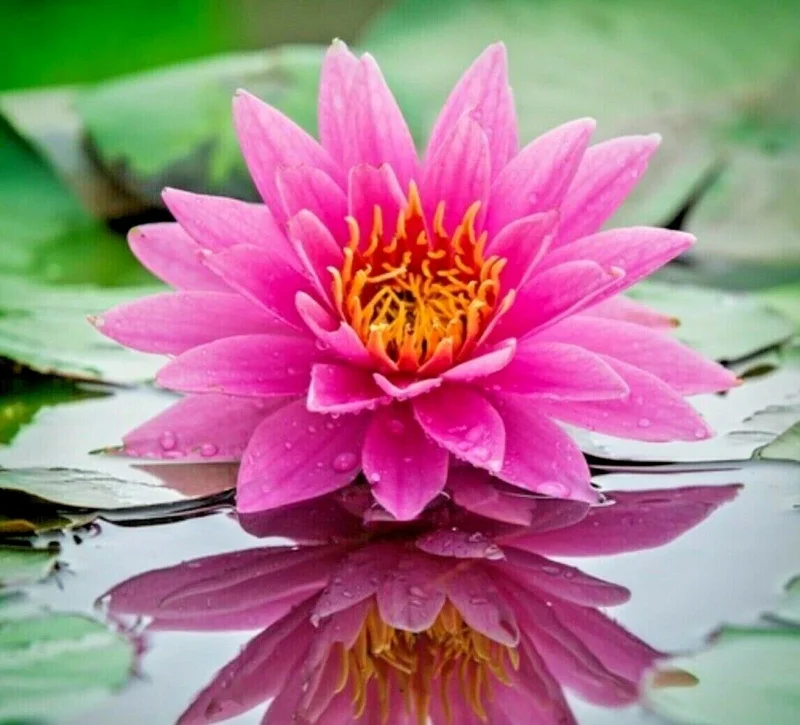
Colorful Water Lily & Lotus Seeds – Easy Grow Aquatic Pond Plant
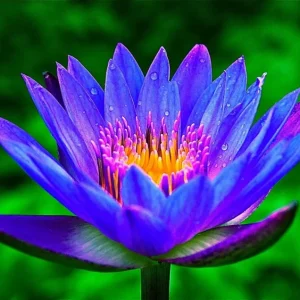
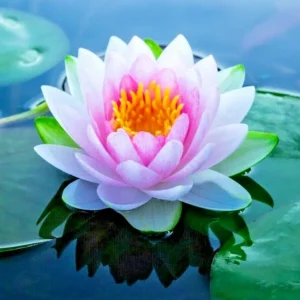
Cultivate stunning aquatic beauty with these water lily and lotus seeds, perfect for beginners and experienced gardeners alike. These colorful seeds promise to transform your pond or aquarium into a serene oasis, offering vibrant blooms and lush foliage. Enjoy the simplicity of growing these magnificent easy grow lotus seeds both indoors and outdoors.
Original price was: $22.76.$11.38Current price is: $11.38.

With our Alive & Thrive Guarantee, we’ve got your back for the first 30 days! If you have any concerns about your plants, just reach out to us. Our team is here to help answer your questions and guide you in selecting the best plants for your garden, climate, and unique preferences. We're excited to help you create the garden of your dreams!
Estimated arrival
Mar 31
Apr 05 - Apr 07
Apr 10 - Apr 14




Product Details
-
USDA Hardiness Zone
unknown -
Soil type
Heavy clay soil or aquatic potting mix -
Sunlight Exposure
Full sun (6-8 hours direct light) -
Expected Planting Period
Spring to early summer
Overview
Embark on a captivating journey into aquatic gardening with our premium water lily and lotus seeds. These seeds are carefully selected to ensure high germination rates, allowing you to easily cultivate beautiful, vibrant aquatic plants. Ideal for enhancing the aesthetic appeal of your home aquarium, outdoor pond, or water garden, these colorful specimens will bring a touch of tranquility and exotic beauty to any setting. Whether you’re a seasoned aquatic gardener or just starting, these seeds provide an accessible way to grow magnificent water lilies and lotus flowers.
The product includes a selection of aquatic plant seeds, offering the potential for a variety of hues and forms to emerge. Each seed holds the promise of a spectacular bloom, transforming still water into a dynamic display of nature’s artistry. These particular seeds are noted for being easy grow lotus seeds, making the cultivation process straightforward and rewarding for gardeners of all skill levels.
Key Benefits
Integrating these exquisite water lily and lotus seeds into your aquatic environment offers numerous advantages, from aesthetic enhancement to ecological well-being. They are not merely plants but living sculptures that contribute significantly to the health and beauty of their surroundings.
- Vibrant Aquatic Display: These seeds mature into stunning water lilies and lotus plants, showcasing a spectrum of rich, colorful blooms that will captivate and delight. The visual impact is immediate and enduring, creating a focal point in any water feature.
- Easy to Cultivate: Designed for simplicity, these are easy grow lotus seeds, making them perfect for beginners. Detailed instructions ensure a smooth and successful planting experience, yielding impressive results with minimal effort.
- Natural Water Filtration: Water lilies and lotus plants naturally help to purify water, absorbing excess nutrients and reducing algae growth, thereby contributing to a healthier aquatic ecosystem.
- Habitat for Aquatic Life: The broad leaves and intricate root systems provide shelter and breeding grounds for small fish, amphibians, and other beneficial aquatic organisms, enriching biodiversity.
- Versatile Use: Suitable for a wide range of aquatic settings, from small indoor aquariums to large outdoor ponds and water gardens. Their adaptability makes them a perfect choice for diverse landscaping projects.
- Stress Reduction: The serene beauty and gentle movement of water lily and lotus seeds flowering can create a calming atmosphere, promoting relaxation and well-being.
- Long Blooming Season: Enjoy extended periods of bloom throughout the warmer months, providing continuous color and elegance in your water feature.
Plant Care & Growing Tips
Proper care is essential for ensuring your water lily and lotus seeds thrive and produce their magnificent blooms. While these are considered easy grow lotus seeds, understanding their specific needs will lead to the best results. Start by scarifying the hard outer shell of the lotus seeds gently with sandpaper or a file until you see a lighter inner layer, being careful not to damage the embryo. For water lily seeds, no scarification is typically needed.
For germination, place the prepared seeds in a container of lukewarm, dechlorinated water, changing the water daily to prevent mold. Germination usually occurs within a few days to a couple of weeks. Once sprouts develop a few leaves and roots, they can be transferred to a larger pot filled with heavy clay soil or aquatic potting mix. Submerge the potted plant in your pond or aquarium, ensuring the leaves can reach the water surface. These aquatic plant seeds require consistent warmth, ideally water temperatures between 70-85°F (21-29°C), and prefer heavy watering conditions, as they are fully aquatic plants.
Sunlight requirements are crucial; both water lilies and lotus plants flourish in full sun, needing at least 6-8 hours of direct sunlight per day. If growing indoors in an aquarium, ensure strong grow lights are provided. For outdoor ponds, choose a location that receives ample morning and afternoon sun. The genus Nymphaea (water lily) and Nelumbo (lotus) thrive in these conditions. Fertilize sparingly with aquatic plant tabs pushed into the soil around the plant roots, typically once a month during the growing season. Watch out for common issues like aphids on leaves or yellowing leaves, which can indicate nutrient deficiency or insufficient light. Maintaining good water quality and providing adequate light are key to preventing most problems and ensuring a healthy, flourishing aquatic display from your colorful water lily seeds.
Size & Details
These water lily and lotus seeds are designed for gardeners eager to grow their own aquatic plants from scratch. The seeds themselves are small, varying slightly in size depending on the specific variety of water lily or lotus. Upon successful germination and growth, these plants can reach impressive sizes, with leaves spanning several inches to over a foot in diameter and flower stalks rising above the water surface for lotus varieties. The growth stage begins at budding, eventually leading to mature, flowering plants. The exact mature size will depend on the specific species, growing conditions, and container size, if applicable. These aquarium plant seeds are suitable for both indoor aquariums, where they will maintain a more compact size, and outdoor ponds, where they can grow larger and more robustly. Expect initial growth within weeks and flowering typically within the first growing season under optimal conditions.
Frequently Asked Questions
- Q: How big do these water lily and lotus plants get? A: The mature size of your water lily and lotus seeds will vary depending on the specific variety and growing conditions. In larger outdoor ponds, they can spread significantly, while in smaller indoor aquariums, their growth will be more constrained, typically adapting to the available space.
- Q: What is the ideal water temperature for germinating these aquatic plant seeds? A: For optimal germination, keep the water temperature between 70-85°F (21-29°C). Consistent warmth is key to encouraging the seeds to sprout effectively.
- Q: Is this plant easy to care for, especially for beginners? A: Yes, these are considered easy grow lotus seeds and water lily seeds. With proper scarification (for lotus) and consistent water changes during germination, followed by adequate sunlight and warm water, even beginners can achieve success with these beautiful aquatic plants.
- Q: What condition will the seeds arrive in? A: The seeds will arrive in a dormant state, ready for you to begin the germination process. They are typically dry and require soaking to initiate growth.
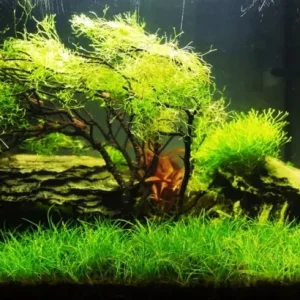
- Q: Can I grow these seeds in a small indoor aquarium? A: Yes, many varieties of water lilies and lotus can be grown in adequately sized indoor aquariums. Ensure you provide sufficient light and a suitable substrate for the best results from your aquarium plant seeds.
- Q: How long until these seeds bloom? A: Under ideal conditions, you can expect to see blooms from your colorful water lily seeds or lotus seeds within the first growing season, typically a few months after successful germination and establishment.
- Q: Do these plants require a specific type of soil? A: Yes, aquatic plants like water lilies and lotus prefer a heavy clay soil or a specialized aquatic potting mix. Avoid light, airy potting mixes as they tend to float away in water.
- Q: How much sunlight do these plants need? A: Both water lilies and lotus are sun-loving plants and require at least 6-8 hours of direct sunlight daily to thrive and flower abundantly.
- Q: Are these plants suitable for outdoor ponds in all USDA zones? A: While they can be grown in various climates, their hardiness varies by species. Most are best suited for warmer USDA zones or require winter protection in colder regions.
- Q: What does ‘heavy watering’ mean for these aquatic plants? A: ‘Heavy watering’ for aquatic plants means they are submerged in water, as opposed to terrestrial plants that are watered in soil. They live directly in water and require their roots to be constantly wet.
Related products
-50%
Original price was: $18.76.$9.38Current price is: $9.38.
-50%

Original price was: $22.76.$11.38Current price is: $11.38.
-50%
Original price was: $26.76.$13.38Current price is: $13.38.
-50%
Original price was: $22.76.$11.38Current price is: $11.38.
-50%
Original price was: $42.76.$21.38Current price is: $21.38.
-50%

From Original price was: $8.52.$4.26Current price is: $4.26.
-50%

Original price was: $18.76.$9.38Current price is: $9.38.
-50%
Original price was: $22.76.$11.38Current price is: $11.38.
PLANTING & CARE

Growing Glencoe Raspberry: A Complete Guide for Gardeners
If you’re looking to add something unique to your garden, look no further than the
31
Mar
Mar

The Comprehensive Guide to Growing Bay Leaf Plants for a Flavorful Garden
Imagine stepping into your garden, greeted by the earthy aroma of fresh bay leaves, their
09
Feb
Feb

How to Make Comfrey Tea: The Ultimate Organic Plant Food
Growing an organic garden can be surprisingly expensive, especially when most store-bought fertilizers come in
02
Feb
Feb

True Comfrey: 7 Essential Tips Before You Plant This Herb
A staple in permaculture practices across the US, True Comfrey easily earns its reputation as
27
Jan
Jan

7 Heart-Shaped Plants for a Lasting Valentine’s Gift
If you’ve ever bought a bouquet of roses for Valentine’s Day, you know they are
26
Jan
Jan

Best Types of Ivy Plant for Houses: How to Choose the Perfect Ones for Your Home
Are you a garden lover looking to introduce some greenery into your home? Maybe you’ve
14
Nov
Nov

When to Harvest Garlic (Especially Fall-Planted Garlic)
TIMING IS EVERYTHING, they say – and for garlic, that truth hits with surprising accuracy.
13
Nov
Nov

11 of the Best Sweet Potato Varieties to Grow for Your Garden
If you’ve ever tried growing sweet potatoes, you know that picking the right variety can
12
Nov
Nov