Contender Peach Tree Live Plant – Cold Hardy Grafted Bare Root Fruit Tree
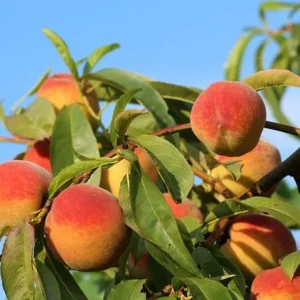
Contender Peach Tree Live Plant – Cold Hardy Grafted Bare Root Fruit Tree
Cultivate your own delicious fruit with the contender peach tree. This cold hardy peach is a grafted peach tree, known for its excellent disease resistance and consistent production of sweet, juicy, freestone peaches. Perfect for regions with colder winters.
From $107.96

With our Alive & Thrive Guarantee, we’ve got your back for the first 30 days! If you have any concerns about your plants, just reach out to us. Our team is here to help answer your questions and guide you in selecting the best plants for your garden, climate, and unique preferences. We're excited to help you create the garden of your dreams!
Estimated arrival
Apr 03
Apr 08 - Apr 10
Apr 13 - Apr 17
Product Details
-
USDA Hardiness Zone
USDA Zones 4-8 -
Soil type
Well-draining loamy soil -
Sunlight Exposure
Full sun (6-8 hours daily) -
Expected Planting Period
Late winter to early spring
Overview
Welcome to the world of homegrown fruit with the remarkable contender peach tree. This exceptional variety, scientifically known as Prunus persica ‘Contender’, is a live plant offering both beauty and abundant harvests. Developed to thrive in challenging climates, the Contender peach is celebrated for its unparalleled cold hardiness and robust disease resistance, making it an ideal choice for gardeners in northern regions. As a grafted peach tree, it ensures reliable fruiting and maintains the desirable characteristics of the Contender variety. This bare root peach specimen is ready to establish itself in your garden, promising years of sweet, juicy fruit. Whether you’re an experienced orchardist or a budding home gardener, the Contender peach offers a rewarding and delicious cultivation experience.
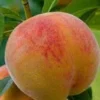
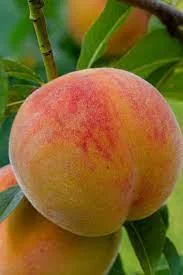
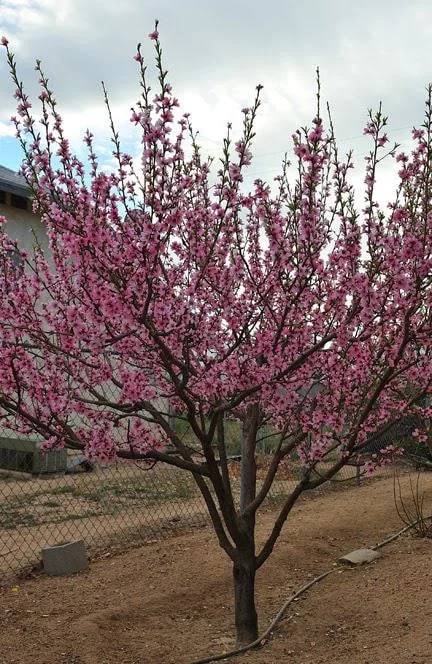
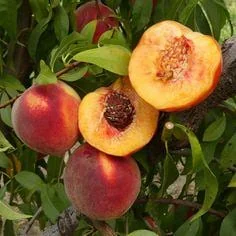
The Contender peach was introduced in 1988, quickly gaining popularity for its ability to produce high-quality fruit even when temperatures dip significantly. It consistently yields large crops of medium-to-large sized fruit with vibrant yellow flesh, perfect for fresh eating, canning, or freezing. Its freestone nature, also known as a melting peach, means the flesh separates easily from the pit, enhancing its appeal for culinary uses. Beyond its fruit, the tree provides a stunning display of pink blossoms in the spring, adding ornamental value to any landscape. This specific variety is a self-pollinating peach, simplifying the growing process, though planting another peach tree nearby can often boost yields. For those seeking a reliable and delicious peach, the contender peach tree is an outstanding selection.
Key Benefits
The contender peach tree offers a multitude of benefits for the home gardener and fruit enthusiast alike. Its unique qualities make it a standout choice among peach varieties:
- Exceptional Cold Hardiness: This peach variety is renowned for its ability to withstand severely cold winter temperatures, making it suitable for regions where other peach trees might struggle. It requires approximately 1000 chill hours, ensuring proper dormancy and fruit set in colder climates.
- Outstanding Disease Resistance: The Contender peach boasts excellent resistance to common issues like bacterial leaf spot. This natural resilience means less need for chemical treatments and a healthier, more vigorous tree.
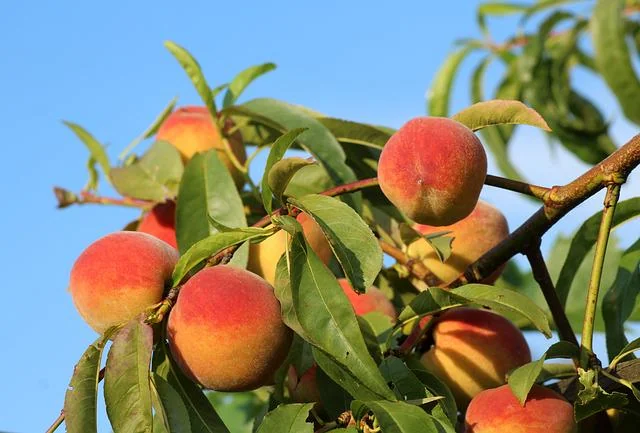
- Abundant & Consistent Yields: Gardeners can anticipate generous crops of medium-to-large, sweet, and juicy peaches year after year. This consistent productivity ensures a plentiful supply for fresh consumption and preservation.
- Versatile Fruit Quality: The yellow-fleshed peaches are freestone, meaning the pit easily separates from the flesh. This characteristic makes them ideal for a wide range of culinary applications, including eating fresh, canning, baking, and freezing.
- Beautiful Spring Blossoms: Beyond its fruit, the grafted peach tree provides significant ornamental value. In spring, it bursts forth with a profusion of showy pink blossoms, creating a stunning visual display in your garden.
- Self-Pollinating Nature: While yields may increase with an additional pollinator, the Contender peach is self-fertile, meaning a single tree can produce fruit on its own. This simplifies planting requirements for smaller gardens.
- Adaptable to Various Climates: While exceptionally cold-hardy, this bare root peach is also adaptable to a range of temperate climates, provided its chill hour requirements are met. It’s a robust and reliable choice for many home orchards.
Plant Care & Growing Tips
Caring for your contender peach tree is a rewarding experience that will lead to delicious fruit. Proper care begins with selecting the right location. Peach trees thrive in full sun, requiring at least 6-8 hours of direct sunlight per day to produce the best fruit. Choose a site with well-draining soil, as peach trees do not tolerate soggy roots. A slightly acidic to neutral soil pH (6.0-7.0) is ideal. When planting your bare root peach, dig a hole wide enough to accommodate the roots spread out, and deep enough so the graft union (the swollen area on the trunk) is a few inches above the soil line. Backfill with soil, gently tamping down to remove air pockets, and water thoroughly.
Watering is crucial, especially during the first few years after planting and during dry spells. Deep watering once or twice a week is generally sufficient, ensuring the soil remains consistently moist but not waterlogged. Once established, the tree will be more tolerant of drier conditions but will still benefit from irrigation during extended droughts. Fertilize your grafted peach tree in early spring before new growth begins, using a balanced fruit tree fertilizer or an organic amendment. Follow product instructions carefully to avoid over-fertilization. Pruning is essential for fruit production and tree health. Annually, prune in late winter or early spring to remove dead, diseased, or crossing branches, and to maintain an open canopy for good air circulation and sunlight penetration. This helps to encourage new fruiting wood and manage the size of your contender peach tree.
Pest and disease management are also important for any prunus persica contender. While the Contender peach offers excellent resistance to bacterial leaf spot, keep an eye out for other common issues like peach leaf curl or brown rot. Good sanitation practices, such as clearing fallen leaves and fruit, can help prevent disease. For insect pests like peach tree borers, cultural practices and appropriate treatments can be employed. This variety requires about 1000 chill hours (temperatures between 32°F and 45°F) during dormancy for optimal fruit set. Ensure your climate meets this requirement for a successful harvest. Providing consistent care will ensure a healthy, productive cold hardy peach tree.
Size & Details
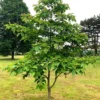
This offering is for a contender peach tree provided as a bare-root specimen. Bare-root trees are dormant plants shipped without soil around their roots, which is an economical and efficient way to transport them. Upon arrival, the roots should be kept moist until planting. The initial height of the bare-root tree will vary but typically ranges from 3-5 feet tall, ready for immediate planting in your garden. Once established, a mature grafted peach tree can reach heights of 15-20 feet with a similar spread, though its size can be managed through regular pruning. The growth rate is considered moderate, allowing it to establish and begin producing fruit within 2-4 years after planting, depending on care and climate. The tree is self-pollinating, making it suitable for single-tree planting, but for maximum yields of this delicious cold hardy peach, consider planting another peach variety nearby.
The Contender peach produces medium-to-large fruit, typically ripening in mid-summer. These freestone peaches have bright yellow flesh, making them highly desirable for various culinary applications. This prunus persica contender is known for its consistent production, ensuring a reliable harvest season after season. The tree’s robust nature and disease resistance contribute to its longevity in the home orchard. Ensure you have adequate space for its mature size, or plan for regular pruning to keep it more compact. The bare root peach form allows for easy planting and establishment, setting the stage for years of homegrown sweetness.
Frequently Asked Questions
- Q: How big does this contender peach tree get? A: A mature Contender peach tree typically reaches a height and spread of 15-20 feet if left unpruned. With proper annual pruning, you can maintain a more manageable size for easier harvesting and care.
- Q: Is this an indoor or outdoor plant? A: The contender peach tree is an outdoor fruit tree. It requires specific chill hours during winter and full sun exposure to thrive and produce fruit, making it unsuitable for indoor cultivation.
- Q: How much sunlight does it need? A: For optimal growth and fruit production, your cold hardy peach tree needs at least 6-8 hours of direct sunlight per day. Choose a sunny location in your garden.
- Q: Is this plant easy to care for? Is it good for beginners? A: While peach trees require consistent care including watering, fertilizing, and annual pruning, the Contender variety’s cold hardiness and disease resistance make it a relatively forgiving option for dedicated beginners willing to learn.
- Q: What condition will the bare root peach arrive in? A: Your peach tree will arrive as a dormant bare-root specimen, meaning it will not have leaves or soil around its roots. This is a normal and healthy state for winter shipping, ensuring it establishes well once planted.
- Q: When is the best time to plant a grafted peach tree? A: The ideal time to plant a bare-root peach tree is in late winter or early spring, after the danger of severe frost has passed but before the tree breaks dormancy.
- Q: Will it survive winter in my zone? What’s the minimum temperature? A: The Contender peach tree is exceptionally cold-hardy and is suitable for USDA Zones 4-8. It can withstand temperatures well below zero, provided it receives its required chill hours.
- Q: How long until it blooms and produces fruit? A: Your prunus persica contender will typically begin to bloom and produce fruit within 2-4 years after planting, depending on growing conditions and care. Full production usually begins around 5 years.
- Q: Does this peach tree need another tree to pollinate? A: While the Contender peach is self-pollinating and can produce fruit on its own, planting another peach variety nearby can often increase overall fruit yield and size.
| Size Chose | 18-24'', 2-3', 3-4' |
|---|
Related products
-20%
Original price was: $36.00.$28.80Current price is: $28.80.
PLANTING & CARE

Growing Glencoe Raspberry: A Complete Guide for Gardeners
If you’re looking to add something unique to your garden, look no further than the
31
Mar
Mar

The Comprehensive Guide to Growing Bay Leaf Plants for a Flavorful Garden
Imagine stepping into your garden, greeted by the earthy aroma of fresh bay leaves, their
09
Feb
Feb

How to Make Comfrey Tea: The Ultimate Organic Plant Food
Growing an organic garden can be surprisingly expensive, especially when most store-bought fertilizers come in
02
Feb
Feb

True Comfrey: 7 Essential Tips Before You Plant This Herb
A staple in permaculture practices across the US, True Comfrey easily earns its reputation as
27
Jan
Jan

7 Heart-Shaped Plants for a Lasting Valentine’s Gift
If you’ve ever bought a bouquet of roses for Valentine’s Day, you know they are
26
Jan
Jan

Best Types of Ivy Plant for Houses: How to Choose the Perfect Ones for Your Home
Are you a garden lover looking to introduce some greenery into your home? Maybe you’ve
14
Nov
Nov

When to Harvest Garlic (Especially Fall-Planted Garlic)
TIMING IS EVERYTHING, they say – and for garlic, that truth hits with surprising accuracy.
13
Nov
Nov

11 of the Best Sweet Potato Varieties to Grow for Your Garden
If you’ve ever tried growing sweet potatoes, you know that picking the right variety can
12
Nov
Nov