Coral Honeysuckle Live Plant – Red Climbing Vine, 5-8 Inch Tall, Fragrant
-50%
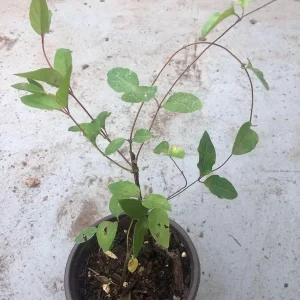
Coral Honeysuckle Live Plant – Red Climbing Vine, 5-8 Inch Tall, Fragrant
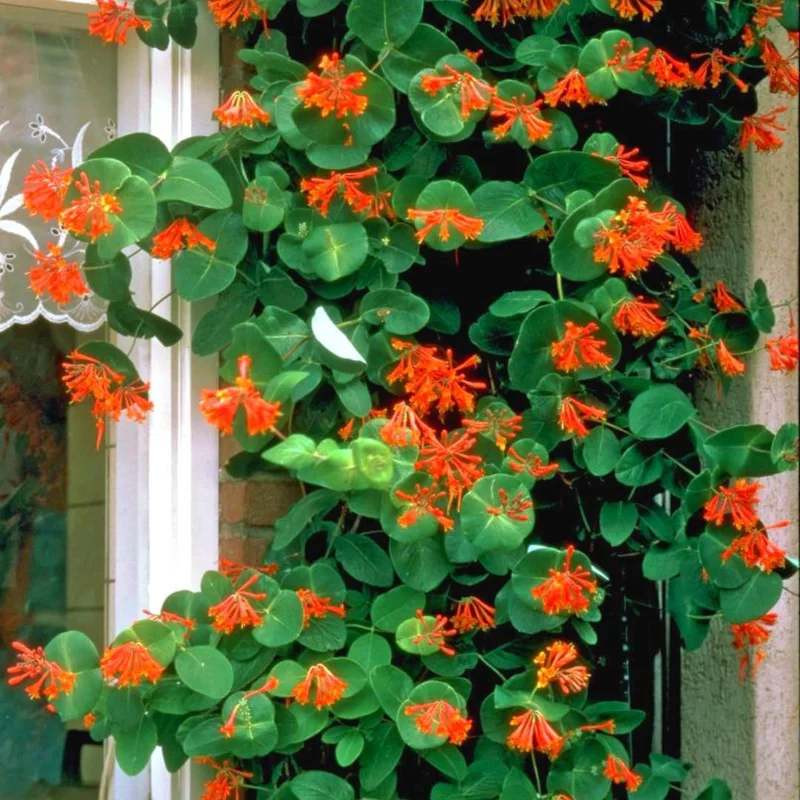
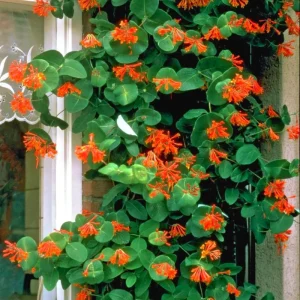
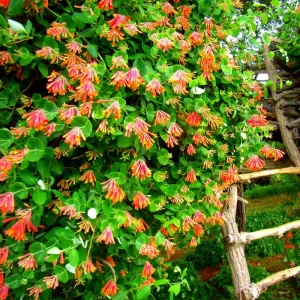
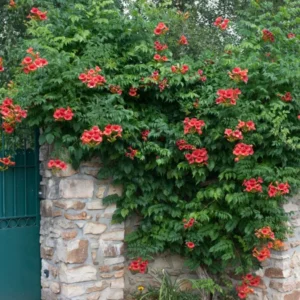
Bring vibrant color and sweet fragrance to your garden with this coral honeysuckle live plant. A beautiful 5-8 inch tall red honeysuckle vine, perfect for climbing and attracting pollinators. Enjoy year-round greenery and low-maintenance beauty with this naturally robust plant.
Original price was: $35.98.$17.99Current price is: $17.99.

With our Alive & Thrive Guarantee, we’ve got your back for the first 30 days! If you have any concerns about your plants, just reach out to us. Our team is here to help answer your questions and guide you in selecting the best plants for your garden, climate, and unique preferences. We're excited to help you create the garden of your dreams!
Estimated arrival
Mar 22
Mar 27 - Mar 29
Apr 01 - Apr 05
Product Details
-
USDA Hardiness Zone
USDA Zones 4-9 -
Soil type
Well-draining soil -
Sunlight Exposure
Full sun to partial shade -
Expected Planting Period
Early spring to fall
Overview
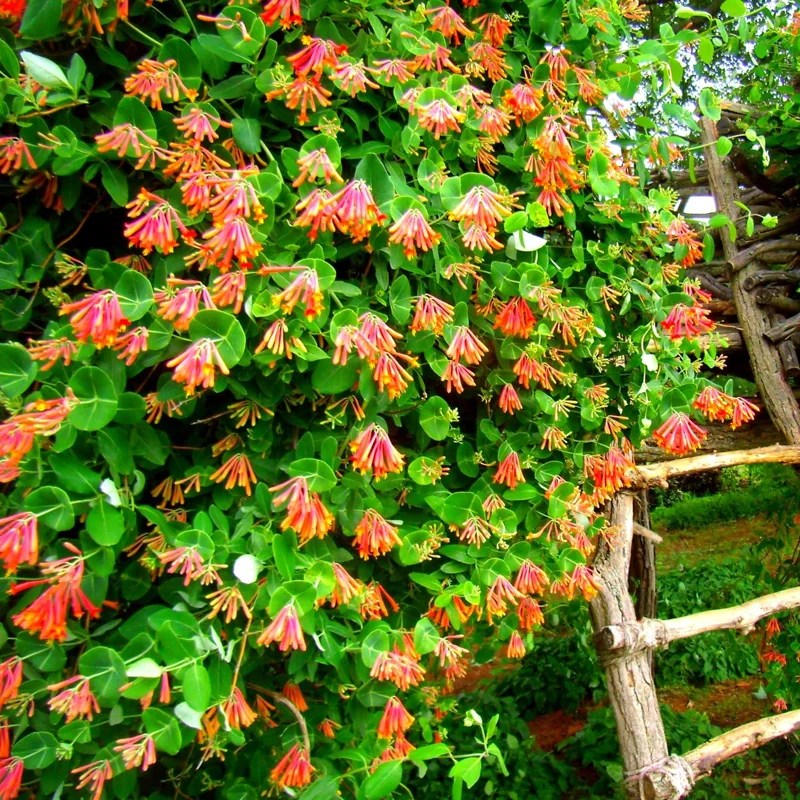
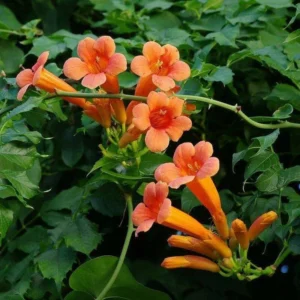
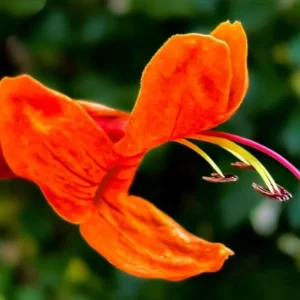
Introduce a splash of vibrant color and a delightful fragrance to your outdoor space with our stunning coral honeysuckle live plant. This robust and beautiful climbing vine, also known as Lonicera sempervirens, is a fantastic choice for gardeners seeking a low-maintenance yet visually striking addition. Growing to an impressive 5-8 inches tall upon arrival, this honeysuckle is ready to establish itself and begin its journey up trellises, fences, or arbors. Unlike some other honeysuckle varieties, coral honeysuckle is native to North America, making it an excellent choice for supporting local wildlife and thriving in various climates. Its distinctive red, trumpet-shaped flowers are a magnet for hummingbirds and butterflies, providing endless natural entertainment throughout its long blooming season. This particular offering is for a bare-root plant, allowing for optimal transplanting and establishment in your garden.
The red honeysuckle vine is celebrated for its non-invasive nature, ensuring it won’t take over your garden like some other types of honeysuckle. Its glossy, dark green leaves provide a lush backdrop for the brilliant red blooms, which often appear from spring through fall, and sometimes even into winter in milder climates. This makes it an ideal plant for year-round interest and continuous appeal. Whether you’re a seasoned gardener or just starting, the resilience and beauty of this plant make it a rewarding choice. Prepare to transform your garden into a haven for wildlife and a feast for the senses with this exquisite climbing plant.
Key Benefits
The coral honeysuckle live plant offers a multitude of advantages for any garden, combining aesthetic appeal with ecological benefits and ease of care. Its many benefits make it a top choice for gardeners.
- Attracts Pollinators: The vibrant red, trumpet-shaped flowers are irresistible to hummingbirds and butterflies, bringing your garden to life with beneficial wildlife. This makes it an ecological asset.
- Long Blooming Season: Enjoy continuous blooms from spring through fall, and often into winter in warmer zones, providing extended visual interest and a consistent food source for pollinators.
- Low Maintenance: Once established, the red honeysuckle vine requires minimal care, making it an excellent choice for busy gardeners or those new to plant care. It’s truly a plant-it-and-forget-it type.
- Fragrant Blooms: While not as intensely perfumed as some Asian honeysuckles, the coral honeysuckle still offers a delicate, sweet fragrance, especially noticeable in the evening.
- Non-Invasive Growth: Unlike some other honeysuckle species, Lonicera sempervirens is well-behaved and won’t aggressively spread, making it a responsible choice for your landscape. It’s a great climbing honeysuckle bush that stays where you want it.
- Year-Round Greenery: In many climates, this vine maintains its attractive foliage throughout the colder months, ensuring your garden remains vibrant and beautiful even when other plants are dormant.
- Versatile Landscaping: Perfect for growing on trellises, fences, pergolas, or as a ground cover, adding vertical interest and beauty to various garden designs.
Plant Care & Growing Tips
Caring for your coral honeysuckle live plant is relatively straightforward, ensuring it flourishes and provides years of beauty. This resilient vine prefers a location with full sun to partial shade, meaning at least 6 hours of direct sunlight per day for optimal flowering. While it can tolerate some shade, fewer blooms will be produced. Well-draining soil is crucial; honeysuckle doesn’t like to sit in soggy conditions. Amend heavy clay soils with compost or other organic matter to improve drainage. The ideal pH for coral honeysuckle is slightly acidic to neutral.
Water your new red honeysuckle vine regularly during its first growing season to help it establish a strong root system. Once established, it is fairly drought-tolerant but will benefit from occasional watering during prolonged dry spells. During active growth, a deep watering once a week is usually sufficient. Fertilize in early spring with a balanced, slow-release granular fertilizer, or a liquid feed every few weeks during the growing season. Pruning is best done in late winter or early spring before new growth appears. Remove any dead or damaged branches and thin out overcrowded areas to promote good air circulation. You can also prune to control its size and shape, encouraging it to grow as a compact climbing honeysuckle bush.
This plant is generally hardy in USDA Zones 4-9, making it suitable for a wide range of climates. While generally pest and disease resistant, keep an eye out for aphids or powdery mildew, which can be treated with organic insecticides or fungicides if necessary. Providing a sturdy support structure is essential as it grows, as this vine will naturally twine around anything it can grasp. For optimal health and a vibrant display, ensuring proper light, water, and soil conditions will lead to a thriving and beautiful fragrant honeysuckle plant.
Size & Details
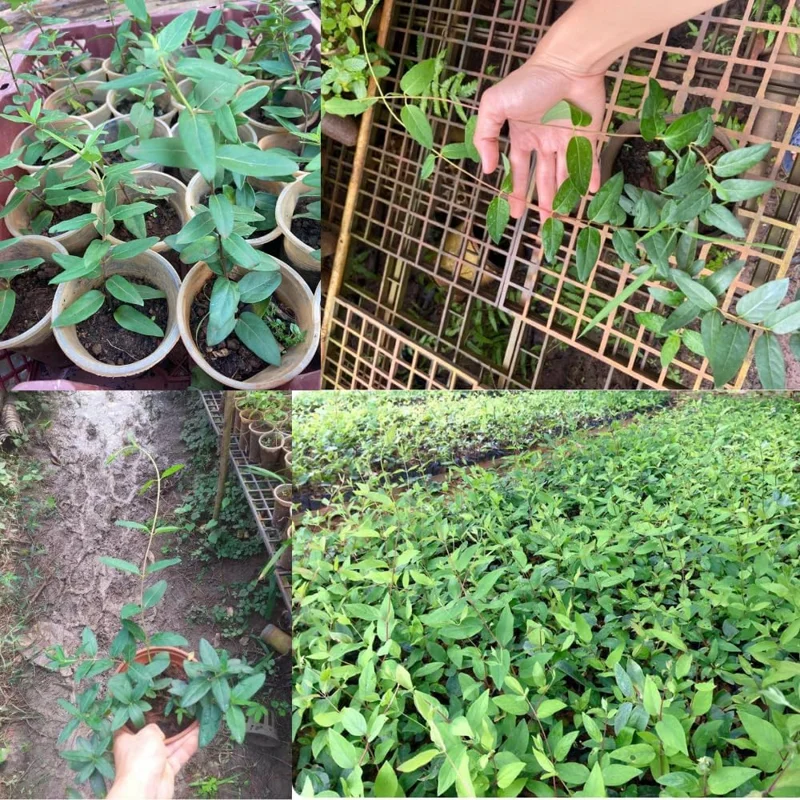
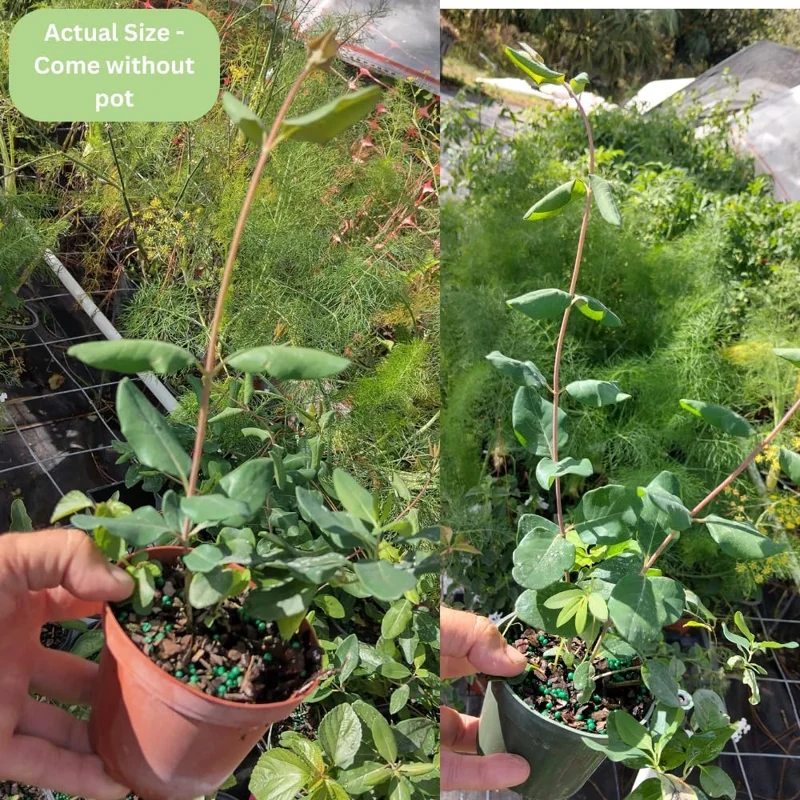
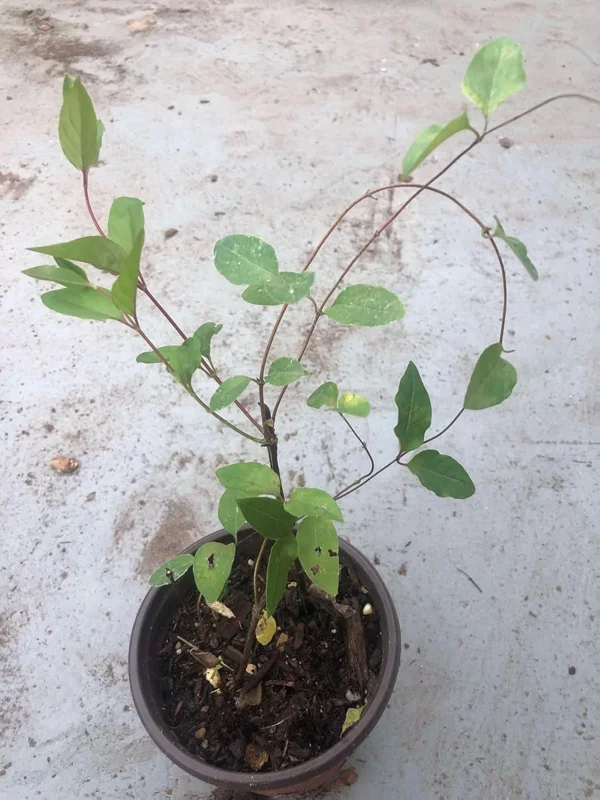
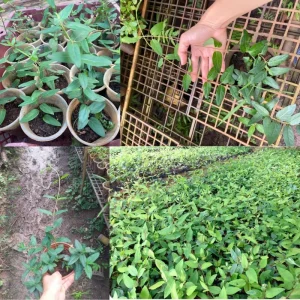
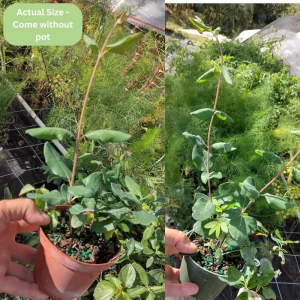
This offering includes a coral honeysuckle live plant, typically measuring 5-8 inches tall upon arrival. It is shipped as a bare-root specimen, which is an excellent method for transplanting and ensures the plant’s roots are ready to establish quickly in its new environment. The plant is a vigorous grower, and with proper care, it can reach mature lengths of 10 to 20 feet, making it an impressive climbing feature. It has a moderate to fast growth rate, quickly covering trellises, fences, or arbors within a few seasons. The mature spread can be anywhere from 3 to 6 feet, depending on how it is trained and pruned.
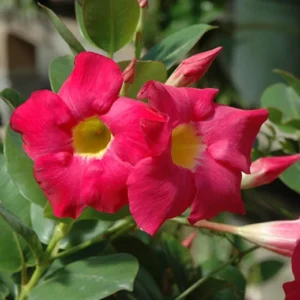
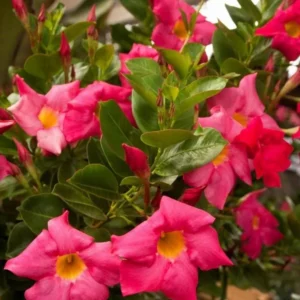
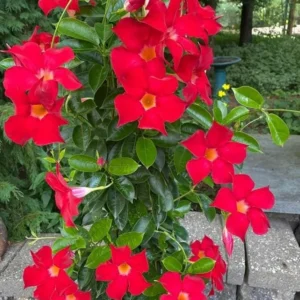
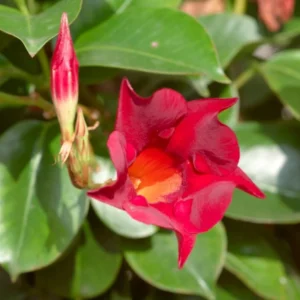
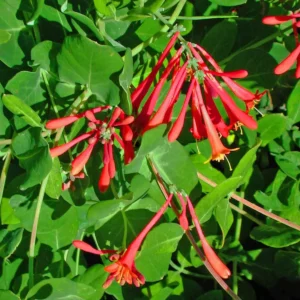
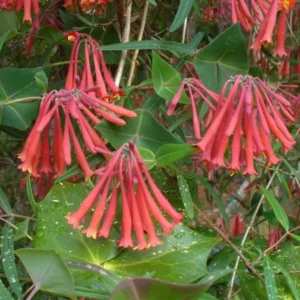
The trumpet-shaped flowers are typically 1-2 inches long and a striking red color, often with yellowish interiors. The foliage is a beautiful deep green, providing a lush backdrop for the vibrant blooms. This particular variety is known for its hardiness and ability to adapt to various soil conditions as long as they are well-draining. Expect the first blooms to appear in the spring following establishment, with continuous flowering throughout the warmer months. This red honeysuckle vine is a long-lived perennial, promising many years of beauty and ecological benefits to your garden.
Frequently Asked Questions
- Q: How big does this coral honeysuckle live plant get? A: Upon arrival, the plant is typically 5-8 inches tall. With proper care, it can reach a mature length of 10 to 20 feet, making it a substantial climbing vine for your garden.
- Q: Is this an indoor or outdoor plant? A: This red honeysuckle vine is primarily an outdoor plant, thriving in garden settings where it can climb and receive ample sunlight. It is not generally suitable for long-term indoor cultivation.
- Q: How much sunlight does it need? A: For the best flowering and overall health, coral honeysuckle prefers full sun (at least 6 hours of direct sunlight) to partial shade. More sun generally means more blooms.
- Q: Is this plant easy to care for? A: Yes, once established, this climbing honeysuckle bush is considered low-maintenance. It’s drought-tolerant and generally resistant to pests and diseases, making it a good choice for beginners.
- Q: What condition will it arrive in? A: The plant will arrive as a bare-root specimen, which means it will not be in a pot with soil. This method is ideal for healthy transplanting and establishment.
- Q: When is the best time to plant this honeysuckle? A: The best time to plant bare-root honeysuckle is in early spring or fall, allowing the roots to establish before extreme summer heat or winter cold.
- Q: Will it survive winter in my zone? A: Coral honeysuckle live plant is hardy in USDA Zones 4-9, meaning it can tolerate a wide range of winter temperatures and will typically survive and return year after year in these zones.
- Q: Does this fragrant honeysuckle attract pollinators? A: Absolutely! The red, trumpet-shaped flowers are a favorite of hummingbirds and butterflies, making it an excellent plant for attracting beneficial wildlife to your garden.
- Q: What kind of soil does this plant prefer? A: It thrives in well-draining soil. While adaptable, amending heavy clay soils with organic matter will ensure optimal growth and prevent root rot.
- Q: How often should I water my new honeysuckle plant? A: Water regularly during the first growing season to help establish roots. Once established, it’s fairly drought-tolerant but benefits from deep watering during dry periods.
| Size | Coral |
|---|
Related products
-10%
Original price was: $19.99.$17.99Current price is: $17.99.
-45%

Original price was: $170.00.$93.50Current price is: $93.50.
-75%
From Original price was: $79.96.$19.99Current price is: $19.99.
-50%

Original price was: $59.00.$29.50Current price is: $29.50.
-67%
Original price was: $59.97.$19.99Current price is: $19.99.
-67%
Original price was: $59.97.$19.99Current price is: $19.99.
-20%
Original price was: $70.00.$56.00Current price is: $56.00.
-50%


Original price was: $81.98.$40.99Current price is: $40.99.
PLANTING & CARE

The Comprehensive Guide to Growing Bay Leaf Plants for a Flavorful Garden
Imagine stepping into your garden, greeted by the earthy aroma of fresh bay leaves, their
09
Feb
Feb

How to Make Comfrey Tea: The Ultimate Organic Plant Food
Growing an organic garden can be surprisingly expensive, especially when most store-bought fertilizers come in
02
Feb
Feb

True Comfrey: 7 Essential Tips Before You Plant This Herb
A staple in permaculture practices across the US, True Comfrey easily earns its reputation as
27
Jan
Jan

7 Heart-Shaped Plants for a Lasting Valentine’s Gift
If you’ve ever bought a bouquet of roses for Valentine’s Day, you know they are
26
Jan
Jan

Best Types of Ivy Plant for Houses: How to Choose the Perfect Ones for Your Home
Are you a garden lover looking to introduce some greenery into your home? Maybe you’ve
14
Nov
Nov

When to Harvest Garlic (Especially Fall-Planted Garlic)
TIMING IS EVERYTHING, they say – and for garlic, that truth hits with surprising accuracy.
13
Nov
Nov

11 of the Best Sweet Potato Varieties to Grow for Your Garden
If you’ve ever tried growing sweet potatoes, you know that picking the right variety can
12
Nov
Nov
Pruning Bougainvillea for Winter
Bougainvillea vines are known for their dazzling display of magenta, orange, and fuchsia bracts that
05
Nov
Nov