Coral Honeysuckle Live Plant Vine – 5-10 Inches Tall, Red Flowers, Fragrant, Outdoor Climbing Shrub
-50%
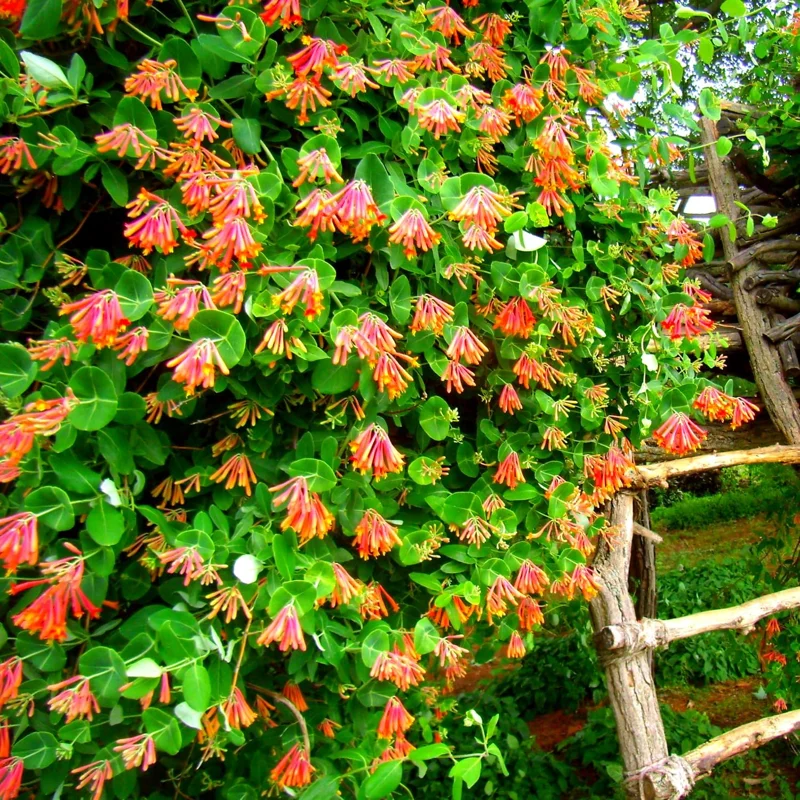
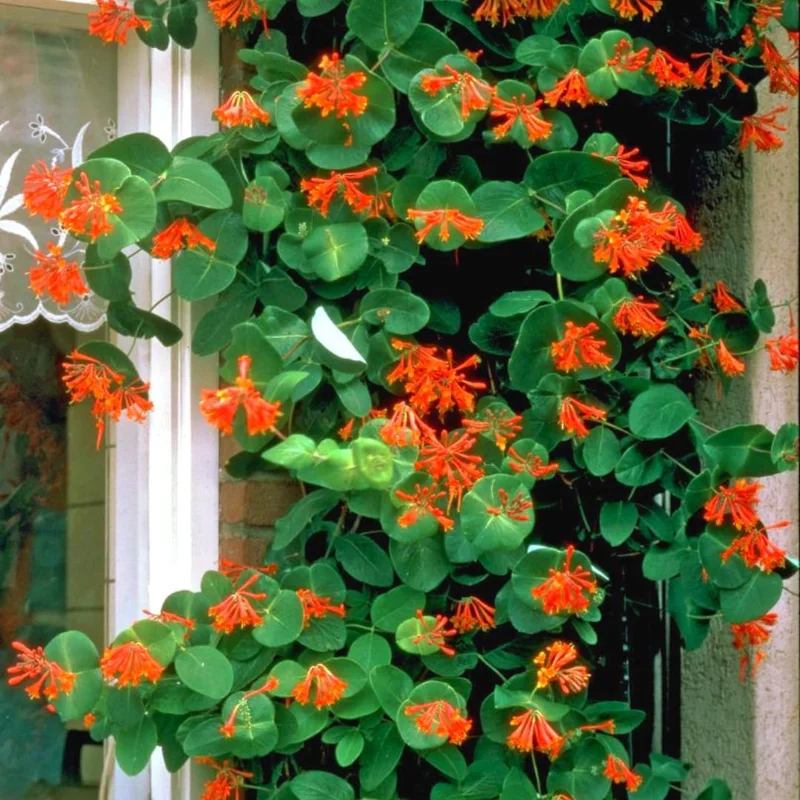
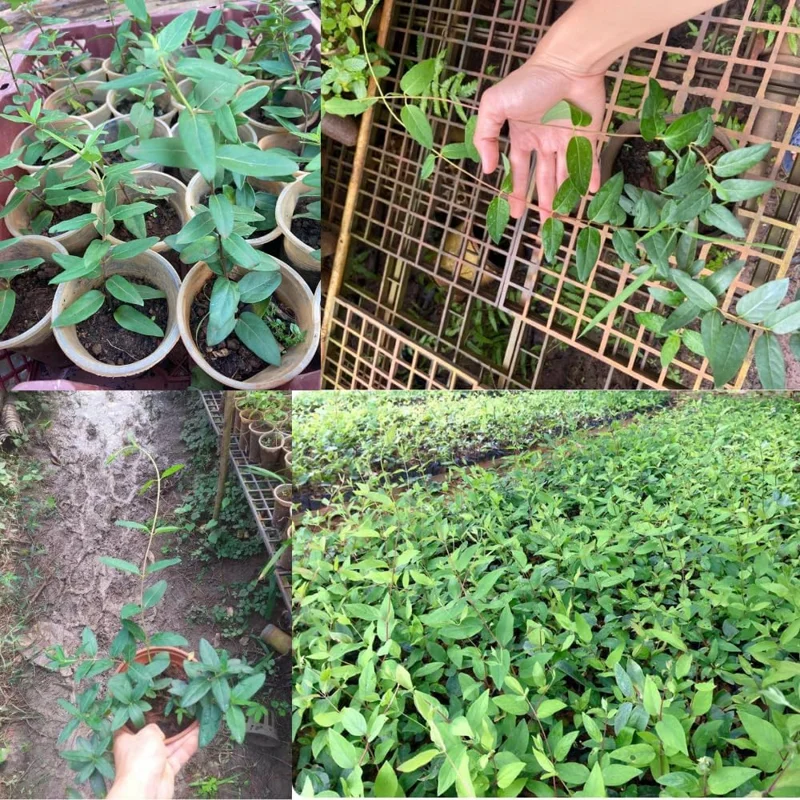
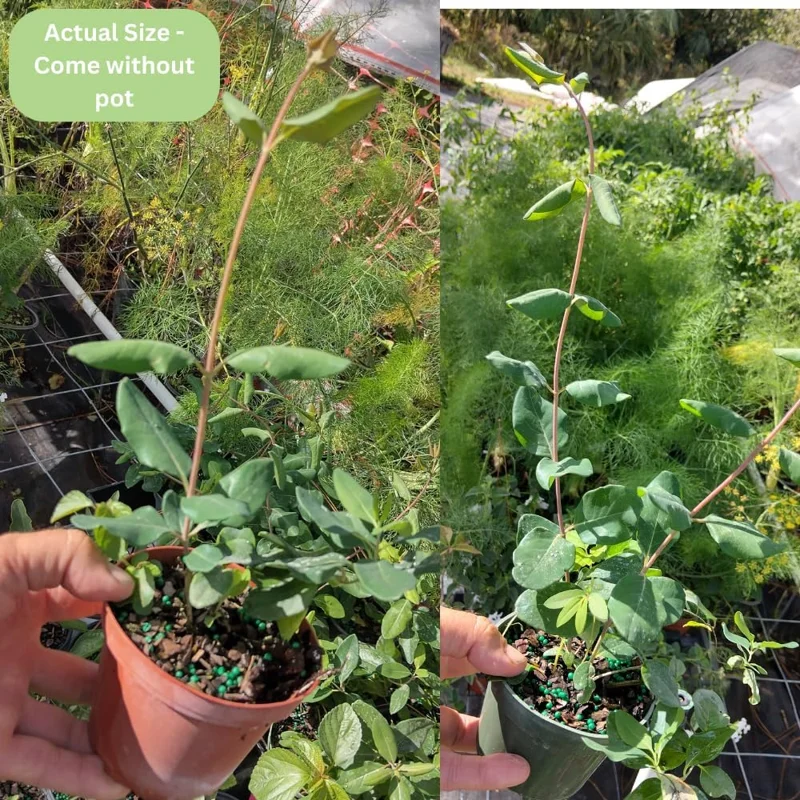
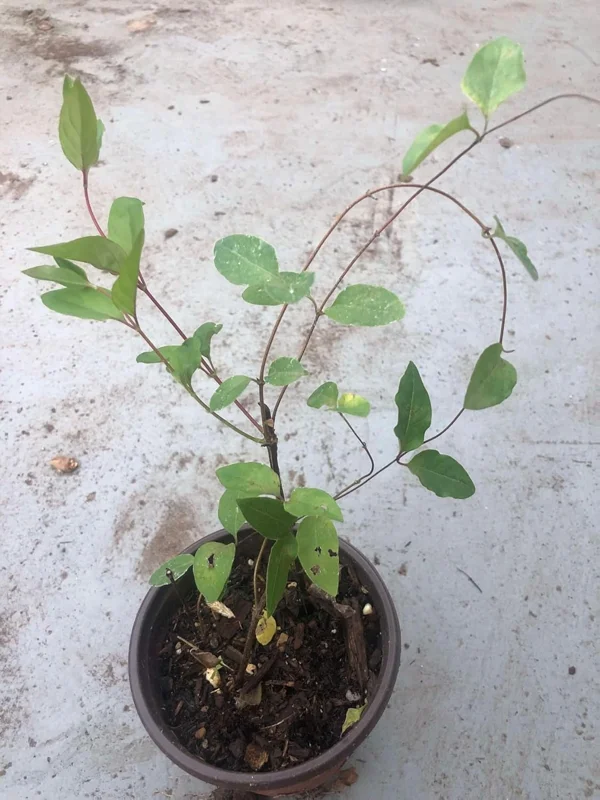
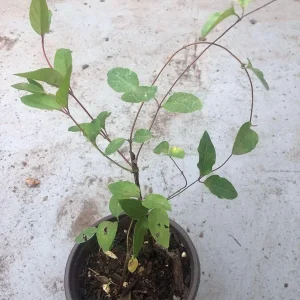
Coral Honeysuckle Live Plant Vine – 5-10 Inches Tall, Red Flowers, Fragrant, Outdoor Climbing Shrub
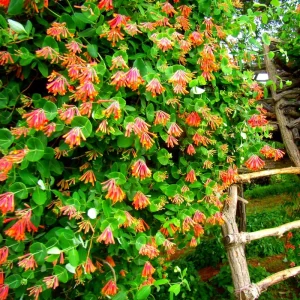
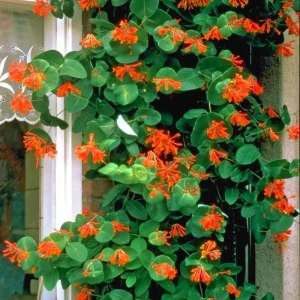
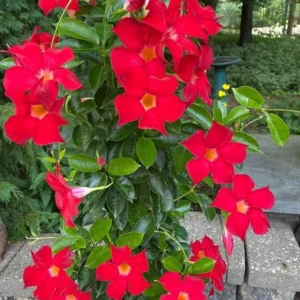
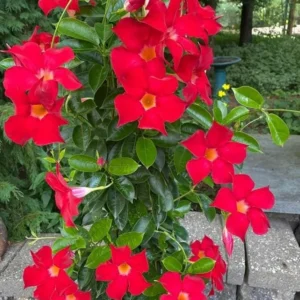
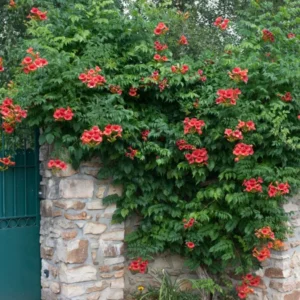
Bring vibrant color and a sweet fragrance to your garden with this coral honeysuckle live plant. This beautiful climbing vine features stunning red flowers and is perfect for trellises, fences, or arbors. Enjoy its low-maintenance nature and year-round appeal.
Original price was: $34.98.$17.49Current price is: $17.49.

With our Alive & Thrive Guarantee, we’ve got your back for the first 30 days! If you have any concerns about your plants, just reach out to us. Our team is here to help answer your questions and guide you in selecting the best plants for your garden, climate, and unique preferences. We're excited to help you create the garden of your dreams!
Estimated arrival
Mar 23
Mar 28 - Mar 30
Apr 02 - Apr 06


Product Details
-
USDA Hardiness Zone
USDA zones 4-9 -
Soil type
Well-draining, moderately fertile soil -
Sunlight Exposure
Full sun to partial shade -
Expected Planting Period
Spring to early fall
Overview
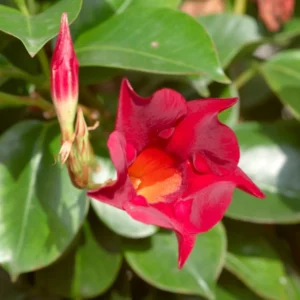
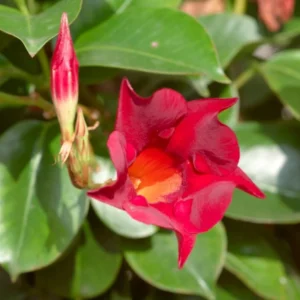
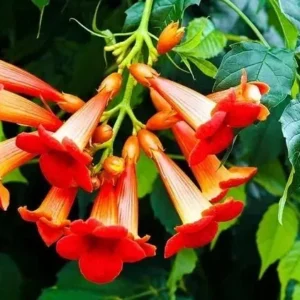
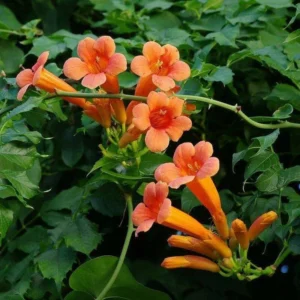
Transform your outdoor space with the captivating beauty of a coral honeysuckle live plant. This stunning climbing vine, scientifically known as Lonicera sempervirens, is cherished for its vibrant red-orange trumpet-shaped flowers and pleasant, mild fragrance. Unlike some other honeysuckle varieties, coral honeysuckle is native to North America, making it an excellent choice for attracting local pollinators like hummingbirds and butterflies to your garden. This live plant arrives ready to be integrated into your landscape, offering a dynamic and colorful addition that thrives in various conditions. Its vigorous growth habit and attractive foliage provide year-round interest, ensuring your garden remains vivid and beautiful.
The red honeysuckle vine is an exceptional choice for gardeners seeking a plant that combines aesthetic appeal with ecological benefits. It’s a fantastic option for creating natural privacy screens, covering unsightly fences, or adding vertical interest to pergolas and arbors. With its impressive blooming period and relatively easy care, this fragrant vine is a rewarding addition to any garden, bringing life and color from spring through fall.
Key Benefits
Choosing a coral honeysuckle live plant offers a multitude of advantages for both your garden and the local ecosystem. Its unique attributes make it a standout choice for gardeners:
- Attracts Pollinators: The vibrant red flowers of the coral honeysuckle are a magnet for hummingbirds, butterflies, and other beneficial pollinators, boosting your garden’s biodiversity.
- Year-Round Visual Appeal: As a semi-evergreen to evergreen vine in many climates, it provides greenery and structure even during colder months, keeping your garden lively when other plants are dormant.
- Low Maintenance: Once established, this climbing honeysuckle plant requires minimal care, making it an ideal choice for busy gardeners. It’s relatively drought-tolerant and disease-resistant.
- Fragrant Blooms: While not as intensely fragrant as some non-native honeysuckles, the coral honeysuckle offers a delicate, sweet scent that is particularly noticeable on warm evenings.
- Versatile Landscaping: Its climbing habit makes it perfect for a variety of uses, including covering fences, trellises, arbors, pergolas, or even as a ground cover on slopes.
- Native Plant Benefits: Being native to North America, this honeysuckle variety supports local wildlife and ecosystems, requiring less intervention than non-native species.
- Erosion Control: Its extensive root system can help stabilize soil on slopes, preventing erosion in your garden.
Plant Care & Growing Tips
Caring for your coral honeysuckle live plant is relatively straightforward, ensuring a beautiful and thriving vine for years to come. This robust plant prefers a location with full sun to partial shade. For optimal flowering, aim for at least 6 hours of direct sunlight per day. While it tolerates some shade, too much shade can result in fewer blooms and a leggier growth habit. Ensure good air circulation around the plant to prevent fungal issues.
When it comes to watering, coral honeysuckle prefers consistently moist soil when young. Once established, it becomes quite drought-tolerant, requiring less frequent watering. Water deeply once or twice a week during dry spells, allowing the top inch or two of soil to dry out between waterings. Avoid overwatering, as this can lead to root rot. The ideal soil type is well-draining, moderately fertile soil. It can adapt to a range of soil pH levels but generally prefers slightly acidic to neutral conditions. Amending heavy clay soils with organic matter can improve drainage.
The fragrant honeysuckle is hardy in USDA zones 4-9, making it suitable for a wide range of climates. In colder zones, it may be deciduous, losing its leaves in winter, while in warmer zones, it remains evergreen. Fertilization is generally not heavily required. A balanced, slow-release fertilizer applied in early spring can promote vigorous growth and abundant blooms, but avoid over-fertilizing, which can lead to excessive foliage at the expense of flowers. Pruning is best done after the main flowering period to shape the plant, control its size, and remove any dead or damaged wood. This helps maintain a healthy and aesthetically pleasing climbing honeysuckle plant. Watch out for common pests like aphids, which can usually be managed with a strong spray of water or insecticidal soap.
Size & Details
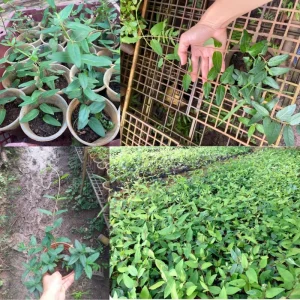
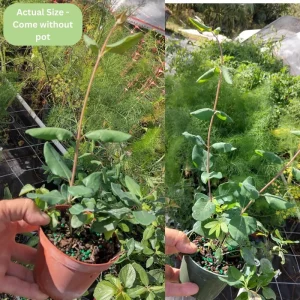
This coral honeysuckle live plant is typically shipped at a height of 5-10 inches tall. It arrives as a live honeysuckle vine, ready for planting in your garden. As a vigorous climber, its mature size can reach 10-20 feet in length, with a spread of 3-6 feet, depending on the support structure and growing conditions. It exhibits a moderate to fast growth rate, quickly establishing itself and beginning to flower within its first few seasons. This plant is provided without a pot, meaning it is a bare-root or minimal soil offering, which is ideal for immediate transplanting into your desired garden location or a larger container if preferred. Expect beautiful red flowers from spring through summer, often continuing into fall in warmer climates.
Frequently Asked Questions
- Q: How big does this coral honeysuckle live plant get? A: This climbing vine can reach lengths of 10-20 feet, with a spread of 3-6 feet, depending on its growing conditions and the support it’s given. It’s a vigorous grower once established.
- Q: Is this an indoor or outdoor plant? A: The coral honeysuckle live plant is primarily an outdoor plant, thriving in garden settings where it can climb. While it could be grown in a large pot indoors temporarily with sufficient light, it performs best outdoors.
- Q: How much sunlight does it need? A: For the best flowering performance, this plant needs at least 6 hours of direct sunlight per day. It tolerates partial shade but may produce fewer blooms.
- Q: Is this plant easy to care for? A: Yes, it is considered a low-maintenance honeysuckle once established. It’s relatively drought-tolerant and pest-resistant, making it a good choice for both experienced and novice gardeners.
- Q: What condition will it arrive in? A: Your red honeysuckle vine will arrive as a live plant, typically 5-10 inches tall, ready for planting. It may be a bare-root specimen or with minimal soil, requiring prompt planting.
- Q: When is the best time to plant coral honeysuckle? A: The best time to plant is in spring or early fall, allowing the plant to establish its root system before extreme summer heat or winter cold.
- Q: Will it survive winter in my zone? A: Coral honeysuckle is hardy in USDA Zones 4-9. In colder zones (4-6), it may be deciduous, losing its leaves in winter, while in warmer zones (7-9), it often remains evergreen.
- Q: Does this fragrant honeysuckle attract hummingbirds? A: Absolutely! The trumpet-shaped red flowers of the coral honeysuckle are a favorite food source for hummingbirds, making it an excellent choice for attracting them to your garden.
- Q: Can I grow this climbing honeysuckle plant in a container? A: Yes, it can be grown in a large container with adequate drainage and a sturdy trellis or support structure. Ensure the container is large enough to accommodate its extensive root system.
- Q: What kind of support does it need? A: As a climbing honeysuckle, it will need a trellis, arbor, fence, or other sturdy structure to climb on. Guide its initial growth to the support, and it will twine its way up.
| Size | Coral |
|---|
Related products
-67%
Original price was: $59.97.$19.99Current price is: $19.99.
-67%
Original price was: $50.97.$16.99Current price is: $16.99.
-50%
Original price was: $267.00.$133.50Current price is: $133.50.
-67%
Original price was: $66.72.$22.24Current price is: $22.24.
-30%
Original price was: $39.99.$27.99Current price is: $27.99.
-45%

Original price was: $170.00.$93.50Current price is: $93.50.
PLANTING & CARE

The Comprehensive Guide to Growing Bay Leaf Plants for a Flavorful Garden
Imagine stepping into your garden, greeted by the earthy aroma of fresh bay leaves, their
09
Feb
Feb

How to Make Comfrey Tea: The Ultimate Organic Plant Food
Growing an organic garden can be surprisingly expensive, especially when most store-bought fertilizers come in
02
Feb
Feb

True Comfrey: 7 Essential Tips Before You Plant This Herb
A staple in permaculture practices across the US, True Comfrey easily earns its reputation as
27
Jan
Jan

7 Heart-Shaped Plants for a Lasting Valentine’s Gift
If you’ve ever bought a bouquet of roses for Valentine’s Day, you know they are
26
Jan
Jan

Best Types of Ivy Plant for Houses: How to Choose the Perfect Ones for Your Home
Are you a garden lover looking to introduce some greenery into your home? Maybe you’ve
14
Nov
Nov

When to Harvest Garlic (Especially Fall-Planted Garlic)
TIMING IS EVERYTHING, they say – and for garlic, that truth hits with surprising accuracy.
13
Nov
Nov

11 of the Best Sweet Potato Varieties to Grow for Your Garden
If you’ve ever tried growing sweet potatoes, you know that picking the right variety can
12
Nov
Nov
Pruning Bougainvillea for Winter
Bougainvillea vines are known for their dazzling display of magenta, orange, and fuchsia bracts that
05
Nov
Nov