Corkscrew Rush Live Plant – Juncus Spiralis, 2in & 4in Pot, Indoor/Outdoor
-50%
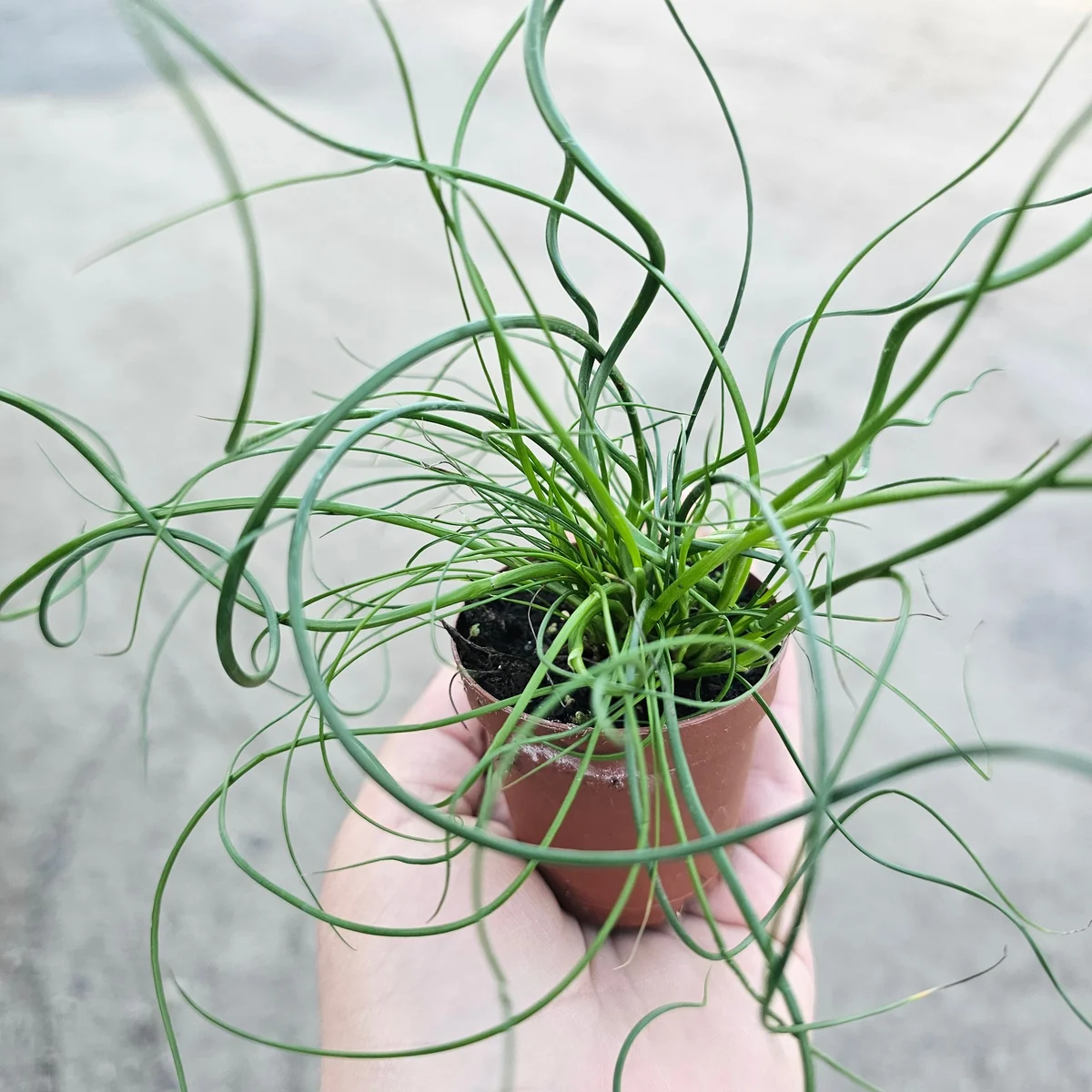
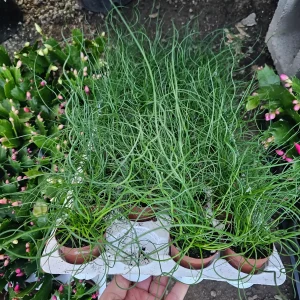
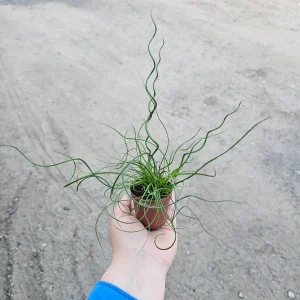
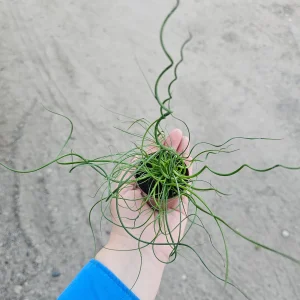
Corkscrew Rush Live Plant – Juncus Spiralis, 2in & 4in Pot, Indoor/Outdoor
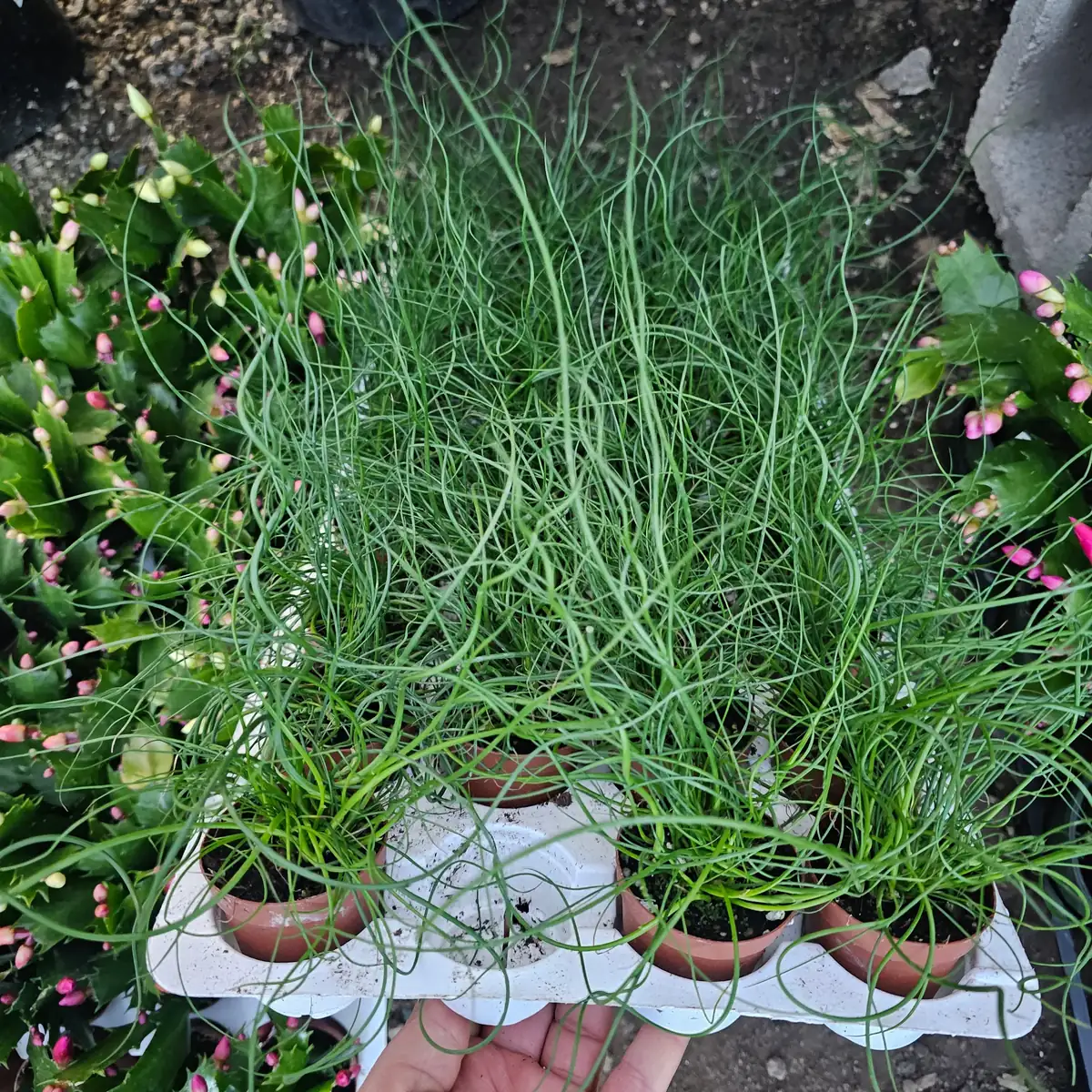
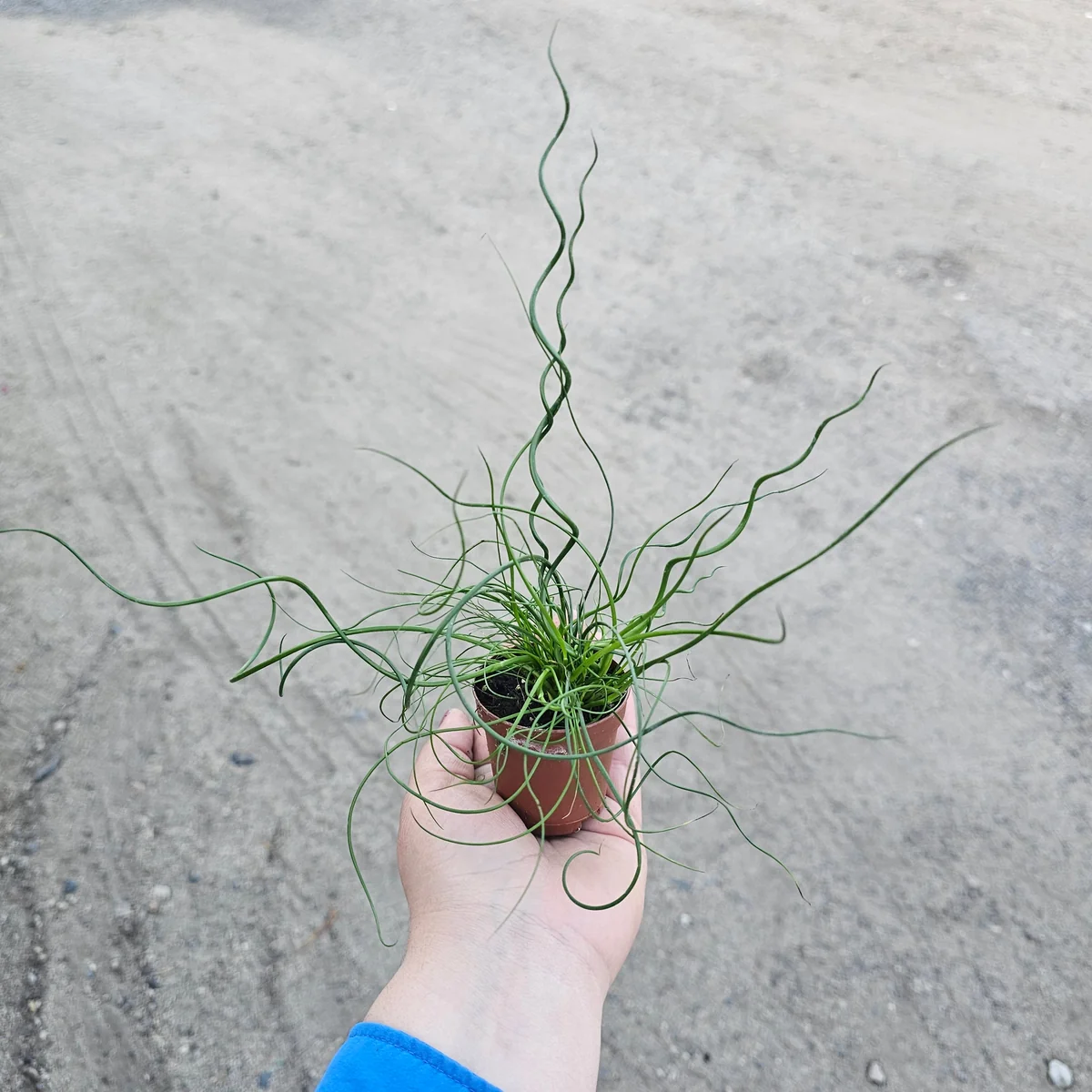
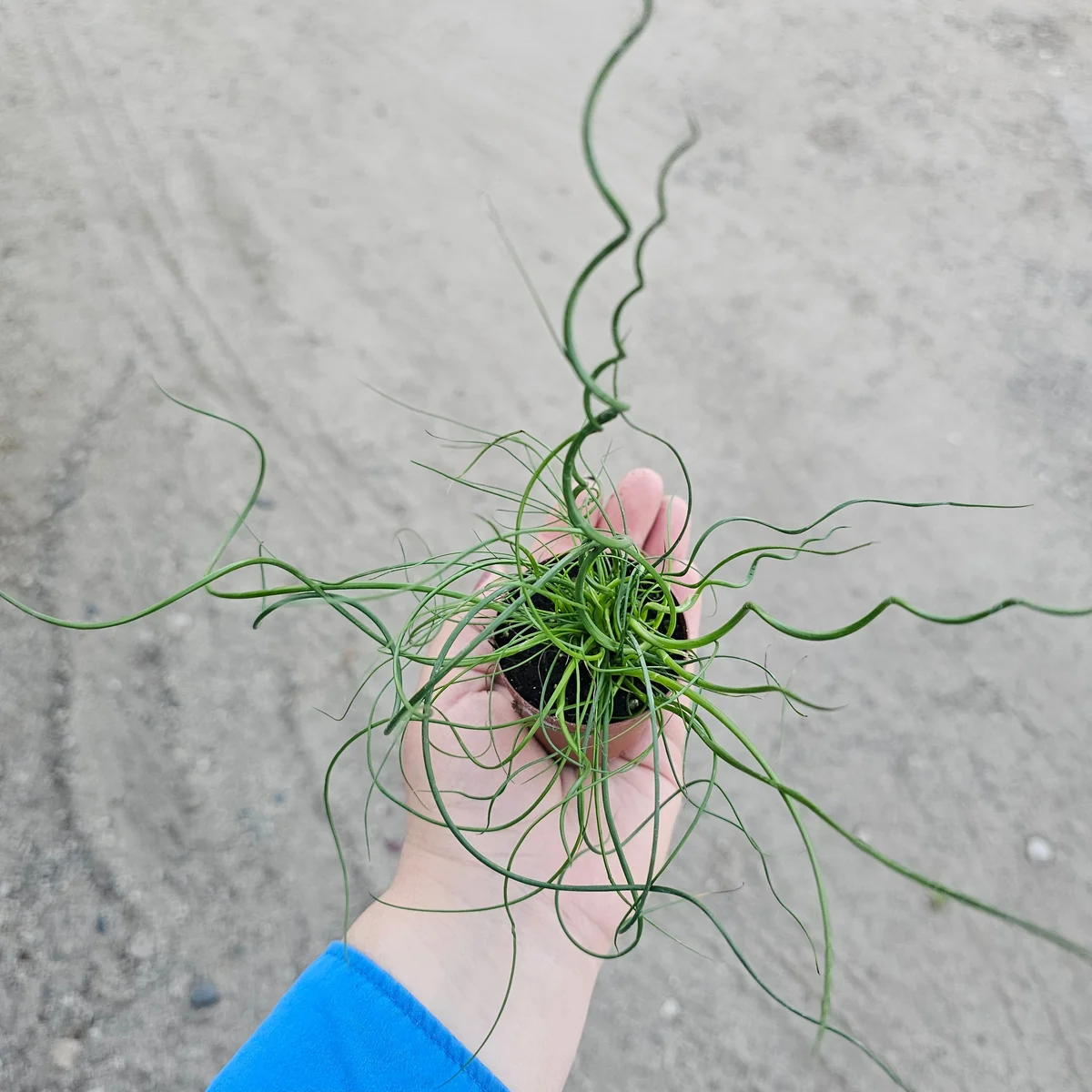
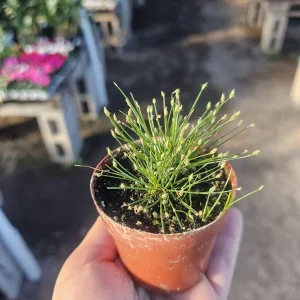
Add a fascinating architectural element to your home or garden with the corkscrew rush live plant. This unique Juncus Spiralis plant features distinctive twisted, corkscrew-like stems, perfect for ponds, water features, or as a striking potted accent. Easy to grow and maintain, it thrives in consistently moist conditions.
From Original price was: $29.96.$14.98Current price is: $14.98.

With our Alive & Thrive Guarantee, we’ve got your back for the first 30 days! If you have any concerns about your plants, just reach out to us. Our team is here to help answer your questions and guide you in selecting the best plants for your garden, climate, and unique preferences. We're excited to help you create the garden of your dreams!
Estimated arrival
Apr 05
Apr 10 - Apr 12
Apr 15 - Apr 19
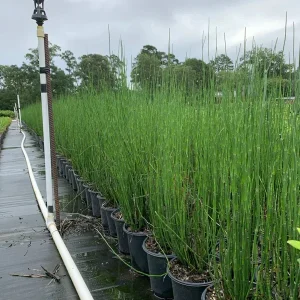
Product Details
-
USDA Hardiness Zone
USDA Zones 5-9 -
Soil type
Well-draining, consistently moist soil -
Sunlight Exposure
Full sun to partial sun -
Expected Planting Period
Year-round indoors; spring to early summer outdoors
Overview
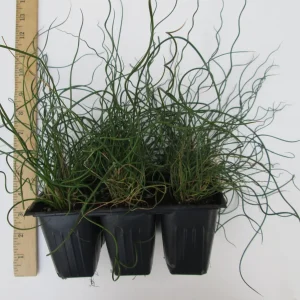
Introduce an intriguing dimension to your plant collection with the corkscrew rush live plant, scientifically known as Juncus effusus ‘Spiralis’ or Juncus Spiralis plant. This remarkable perennial is celebrated for its distinctive, tightly coiled, dark green stems that resemble corkscrews, providing a captivating visual texture unlike any other plant. Originating from marshy areas, this unique rush is surprisingly versatile, thriving both as an aquatic or bog plant and as an ornamental specimen in consistently moist garden beds or containers. Its architectural form makes it a favorite among landscapers and plant enthusiasts looking to add a touch of modern artistry to their indoor or outdoor spaces. Whether placed by a pond, integrated into a rain garden, or featured as a standalone potted plant, the corkscrew rush live plant effortlessly draws the eye and sparks conversation. This live plant offers an instant way to enhance the aesthetic appeal of any environment with its whimsical, sculptural presence.
Key Benefits
The corkscrew rush live plant offers a multitude of benefits, making it an excellent choice for a variety of settings. Its unique characteristics contribute both to aesthetic appeal and ease of care, ensuring a rewarding gardening experience.
- Exceptional Visual Interest: The most striking feature of the Juncus Spiralis plant is its tightly curled, twisted stems. These provide an unparalleled sculptural quality, adding a dynamic and modern touch to any plant display, container arrangement, or water garden. Its unique form stands out from traditional foliage.
- Versatile Placement: This resilient plant can adapt to various environments. It excels as a marginal plant around ponds and water features, but also thrives in consistently moist garden beds, rain gardens, or as a distinctive potted houseplant, bringing its charm indoors.
- Low Maintenance Care: Once established, the corkscrew rush live plant requires minimal attention. It’s not prone to many pests or diseases and primarily needs consistent moisture and adequate light to flourish, making it suitable for both novice and experienced gardeners.
- Architectural Accent: The upright, spiraling stems serve as a fantastic architectural element in design. They can be used to create focal points, add vertical interest, or provide a contrasting texture to plants with broader leaves, enhancing the overall composition of your garden.
- Drought Tolerance (Relative): While preferring consistently moist conditions, established Juncus Spiralis plant can tolerate short periods of drier soil than many other aquatic or bog plants, offering a degree of flexibility in care.
- Enhances Water Features: As a natural bog plant, it is perfectly suited for softening the edges of ponds, streams, or water gardens. Its roots help stabilize soil and provide habitat, while the stems add a lovely, naturalistic touch to aquatic environments.
- Pet-Friendly Foliage: The twisted rush plant is generally considered non-toxic to pets, making it a safer choice for households with curious cats or dogs who might be tempted to nibble on plants.
Plant Care & Growing Tips
Caring for your corkscrew rush live plant is straightforward, provided you understand its preference for moisture. This Juncus spiralis plant thrives in consistently damp to wet soil, making it an excellent candidate for water gardens, bog areas, or simply a pot with good water retention. For placement, it prefers full sun to partial shade, ideally receiving at least 4-6 hours of direct sunlight daily to maintain its vibrant green color and tight spirals. If grown indoors, position it near a bright, south-facing window to ensure it receives adequate light throughout the day, preventing the stems from becoming leggy.
When it comes to soil, a well-draining yet moisture-retentive mix is essential. A blend of potting soil with some perlite or sand works well for potted plants, ensuring that while the soil stays moist, it doesn’t become waterlogged and suffocating to the roots. The key to successful cultivation of this spiral grass plant is consistent watering. Never let the soil dry out completely, especially during the growing season in spring and summer. You can water when the top inch of soil feels slightly dry to the touch, or, for an aquatic setup, keep the pot submerged in shallow water. Humidity is generally not a major concern; average room humidity is sufficient, but in very dry climates, occasional misting can be beneficial. Fertilize sparingly during the growing season with a balanced liquid fertilizer diluted to half strength, every 2-4 weeks. Pruning is minimal, mainly to remove any yellowing or dead stems to maintain a tidy appearance.
Size & Details
This corkscrew rush live plant is typically offered in 2-inch and 4-inch nursery pots, providing a healthy starter plant ready for transplanting. While exact growth can vary based on environmental conditions, mature Juncus spiralis plant can reach heights of 12 to 24 inches with a similar spread, forming dense clumps of upright, spiraling stems. The growth rate is moderate, allowing it to establish itself well within a season. It ships as a healthy, actively growing live plant, carefully packaged to minimize stress during transit. Expect a vibrant green color and the characteristic twisted form that makes this plant so appealing. This plant is a fantastic choice for adding a unique texture to containers, pond edges, or moist garden beds, and its captivating form is sure to become a talking point.
Frequently Asked Questions
- Q: How big does this plant get and what size pot does it come in? A: The corkscrew rush live plant typically grows 12 to 24 inches tall and wide. It is offered in both 2-inch and 4-inch nursery pots, providing a good starting size for your garden or container.
- Q: Is this an indoor or outdoor plant, and how much sunlight does it need? A: The Juncus Spiralis plant is versatile and can be grown both indoors and outdoors. It thrives in full sun to partial shade, requiring at least 4-6 hours of direct sunlight daily for optimal growth and stem vigor.
- Q: Is this plant easy to care for? Is it good for beginners? A: Yes, the corkscrew rush live plant is relatively easy to care for, especially if its need for consistent moisture is met. It’s a great option for beginners looking for a unique and forgiving plant.
- Q: What condition will the Juncus Spiralis plant arrive in? A: Your plant will arrive as a healthy, actively growing specimen in its nursery pot, carefully packed to ensure minimal disturbance during shipping. While some soil shifting may occur, the plant itself should be in good condition.
- Q: Is the twisted rush plant considered pet-safe? A: Yes, the corkscrew rush is generally considered non-toxic to pets, making it a safe choice for homes with animals. However, it’s always best to discourage pets from ingesting any plant material.
- Q: When is the best time to plant the spiral grass plant? A: This plant can be planted year-round indoors. Outdoors, the best time to plant is in spring or early summer after the last frost, allowing it ample time to establish before cooler weather.
- Q: Will the corkscrew rush live plant survive winter in my zone? What’s the minimum temperature? A: The corkscrew rush is hardy in USDA Zones 5-9. In colder zones, it can be grown as an annual or brought indoors during winter to protect it from freezing temperatures.
- Q: How often should I water my Juncus Spiralis plant? A: This plant prefers consistently moist to wet soil. Water when the top inch of soil feels slightly dry, or keep its pot submerged in shallow water if growing it as an aquatic plant. Avoid letting the soil dry out completely.
- Q: Does the unique aquatic plant need special soil? A: A well-draining soil mix that retains moisture is ideal. For potted plants, a standard potting mix blended with perlite or sand works well. For aquatic settings, a heavier loam or aquatic soil is suitable.
- Q: How often should I fertilize my Juncus Spiralis plant? A: During the growing season (spring and summer), you can fertilize every 2-4 weeks with a balanced liquid fertilizer diluted to half strength. Reduce or stop fertilizing in fall and winter.
| Amount | 1, 4In Pot, Bundle Of 3, Bundle Of 5 |
|---|
Related products
-50%
Original price was: $147.16.$73.58Current price is: $73.58.
-50%
Original price was: $147.16.$73.58Current price is: $73.58.
-50%
From Original price was: $135.92.$67.96Current price is: $67.96.
-50%
Original price was: $30.76.$15.38Current price is: $15.38.
-50%
Original price was: $28.48.$14.24Current price is: $14.24.
PLANTING & CARE

Growing Glencoe Raspberry: A Complete Guide for Gardeners
If you’re looking to add something unique to your garden, look no further than the
31
Mar
Mar

The Comprehensive Guide to Growing Bay Leaf Plants for a Flavorful Garden
Imagine stepping into your garden, greeted by the earthy aroma of fresh bay leaves, their
09
Feb
Feb

How to Make Comfrey Tea: The Ultimate Organic Plant Food
Growing an organic garden can be surprisingly expensive, especially when most store-bought fertilizers come in
02
Feb
Feb

True Comfrey: 7 Essential Tips Before You Plant This Herb
A staple in permaculture practices across the US, True Comfrey easily earns its reputation as
27
Jan
Jan

7 Heart-Shaped Plants for a Lasting Valentine’s Gift
If you’ve ever bought a bouquet of roses for Valentine’s Day, you know they are
26
Jan
Jan

Best Types of Ivy Plant for Houses: How to Choose the Perfect Ones for Your Home
Are you a garden lover looking to introduce some greenery into your home? Maybe you’ve
14
Nov
Nov

When to Harvest Garlic (Especially Fall-Planted Garlic)
TIMING IS EVERYTHING, they say – and for garlic, that truth hits with surprising accuracy.
13
Nov
Nov

11 of the Best Sweet Potato Varieties to Grow for Your Garden
If you’ve ever tried growing sweet potatoes, you know that picking the right variety can
12
Nov
Nov