Red Mohagany Hibiscus 8-12in – Mahogany Splendor, False Roselle
-29%
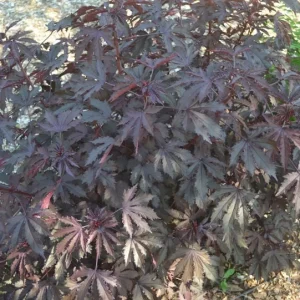
Red Mohagany Hibiscus 8-12in – Mahogany Splendor, False Roselle
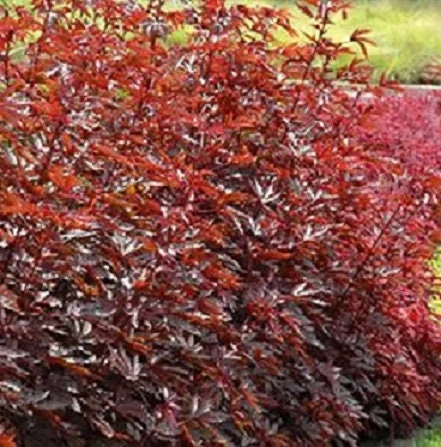
Bring vibrant color and edible foliage to your garden with a cranberry hibiscus live plant. Known for its deep red leaves and unique flavor, this mahogany splendor plant is perfect for culinary and ornamental use. Easy to grow and visually striking.
Original price was: $33.99.$23.99Current price is: $23.99.

With our Alive & Thrive Guarantee, we’ve got your back for the first 30 days! If you have any concerns about your plants, just reach out to us. Our team is here to help answer your questions and guide you in selecting the best plants for your garden, climate, and unique preferences. We're excited to help you create the garden of your dreams!
Estimated arrival
Mar 31
Apr 05 - Apr 07
Apr 10 - Apr 14
Product Details
-
USDA Hardiness Zone
USDA zones 9-11 (perennial), Zones 3-8 (annual) -
Soil type
Rich, well-draining soil -
Sunlight Exposure
Full sun -
Expected Planting Period
Spring to early summer
Overview
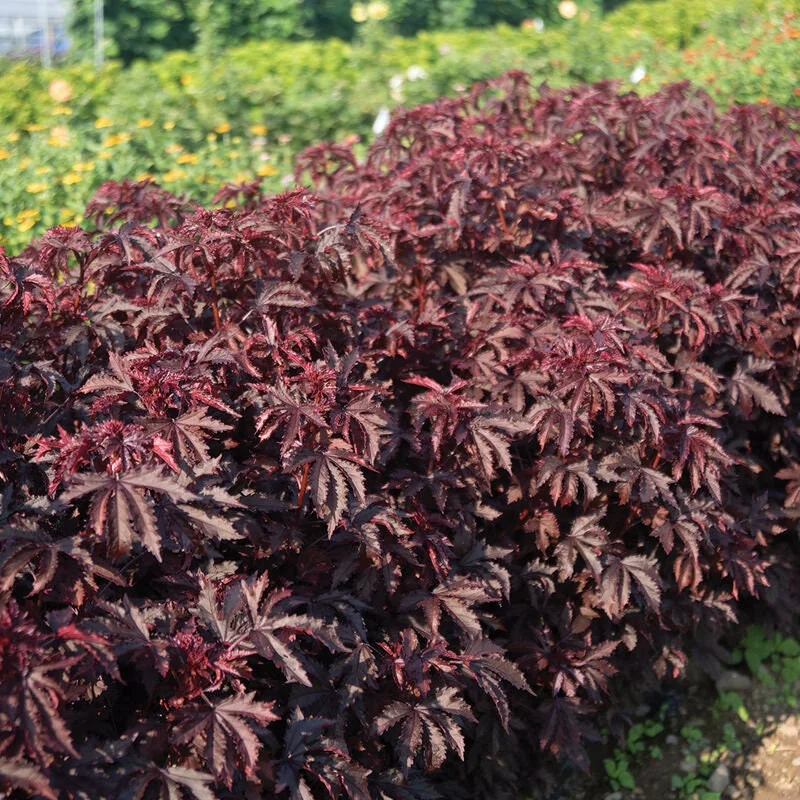
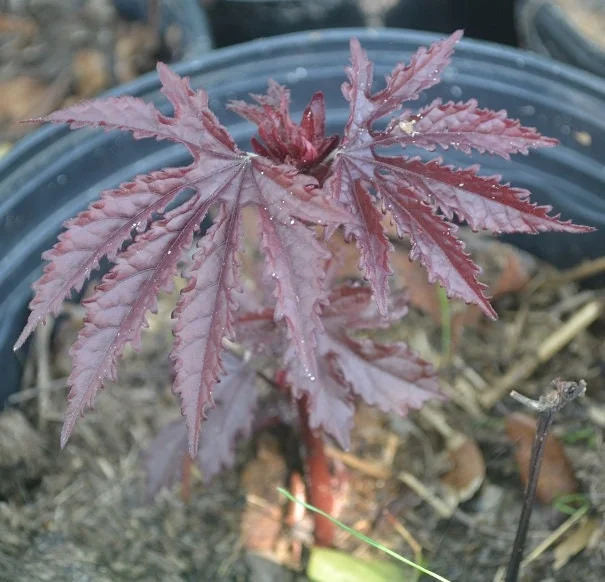
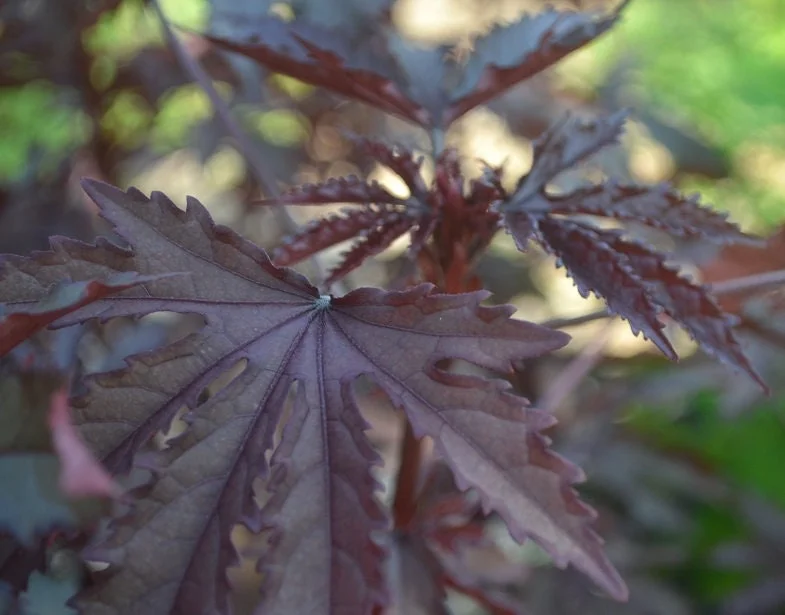
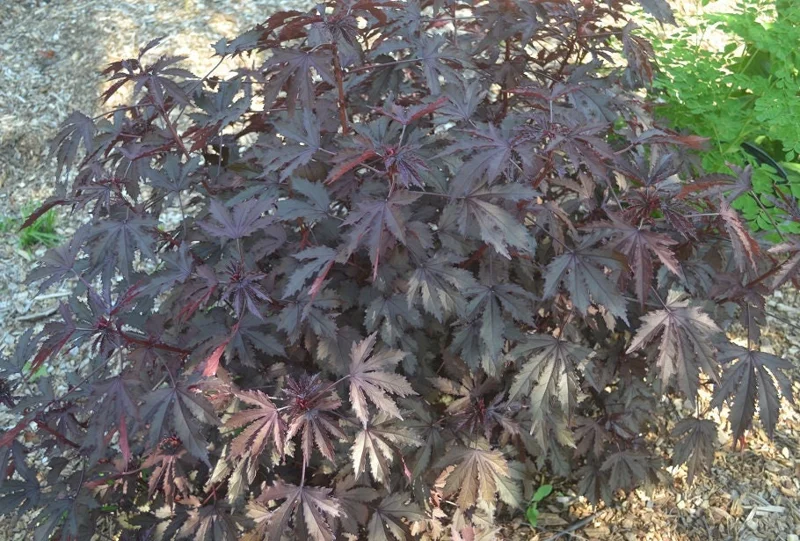
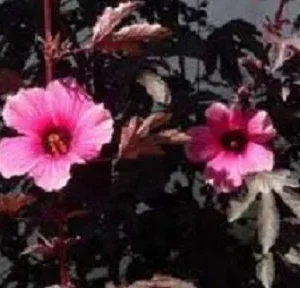
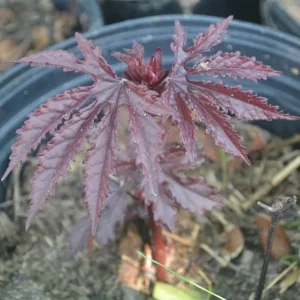
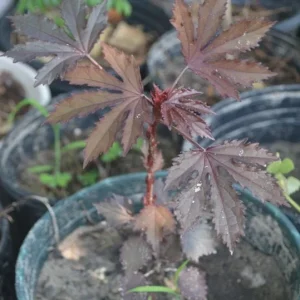
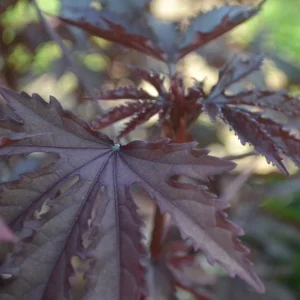
Experience the stunning beauty and culinary versatility of the cranberry hibiscus live plant. Also known as Mahogany Splendor, False Roselle, or African Rose Mallow, this unique plant is a true garden gem. Its deeply lobed leaves boast an intense burgundy-red color, making it a spectacular focal point in any garden bed or container. Beyond its ornamental appeal, the leaves and young shoots of the cranberry hibiscus live plant are entirely edible, offering a tart, cranberry-like flavor that can be enjoyed fresh in salads, stir-fries, or as a vibrant garnish. Whether you’re a seasoned gardener or a curious culinary enthusiast, this plant promises to add both visual drama and delicious possibilities to your home.
Originating from Africa, the mahogany splendor plant thrives in warm climates and is known for its fast growth rate. It can be grown as an annual in cooler regions or a perennial in tropical and sub-tropical areas. The deep coloration of its foliage intensifies with more sunlight, ensuring a brilliant display throughout the growing season. This resilient plant is relatively low-maintenance, making it an excellent choice for gardeners seeking both beauty and utility.
Key Benefits
The cranberry hibiscus live plant offers a multitude of benefits, from its striking appearance to its practical uses. It’s a plant that truly gives back, enhancing your garden and your plate.
- Stunning Ornamental Appeal: The rich, deep red to burgundy foliage of the mahogany splendor plant provides a dramatic contrast in any garden, drawing the eye and adding a touch of exotic elegance.
- Edible Leaves & Shoots: Enjoy the tart, slightly acidic flavor of its leaves, reminiscent of cranberries. They are delicious fresh in salads, cooked as a leafy green, or used to make refreshing beverages. A healthy and flavorful addition to your diet.
- Fast Growing & Vigorous: This plant grows quickly, reaching an impressive size within a single growing season, making it ideal for filling spaces or creating a lush backdrop.
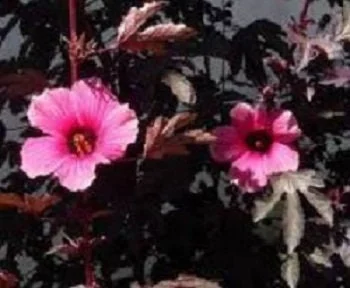
- Attracts Pollinators: While grown primarily for its foliage, the small, delicate flowers can attract beneficial pollinators to your garden, supporting local ecosystems.
- Low Maintenance: Once established, the false roselle plant requires minimal care, tolerating a range of conditions and proving to be quite hardy.
- Container Friendly: Despite its potential size, it adapts well to container growing, making it suitable for patios, balconies, or smaller garden spaces.
- Versatile Culinary Use: Beyond salads, the leaves can be used in teas, jams, and even as a natural food coloring, offering endless creative cooking possibilities.
Plant Care & Growing Tips
Caring for your cranberry hibiscus live plant is straightforward, ensuring a bountiful display of vibrant foliage. This plant generally prefers warm conditions and ample sunlight to achieve its best color and growth. For optimal health, aim to replicate its natural tropical environment as closely as possible.
Sunlight Requirements: The african rose mallow thrives in full sun, meaning at least 6-8 hours of direct sunlight per day. More sun will intensify the deep red and burgundy hues of its leaves. While it can tolerate partial shade, the foliage color may be less vibrant. If growing indoors, place it near a south-facing window or use supplemental grow lights to ensure it receives adequate light.
Watering Schedule & Soil Moisture: Keep the soil consistently moist, but not waterlogged. Water thoroughly when the top inch of soil feels dry to the touch. During hot, dry periods, it may require daily watering. Reduce watering in cooler months or if grown as an annual. Good drainage is crucial to prevent root rot.
Soil Type & Drainage: A rich, well-draining soil mix is ideal for the edible hibiscus plant. A blend of good quality potting soil with compost or well-rotted manure will provide the necessary nutrients and structure. Ensure pots have drainage holes to allow excess water to escape. In garden beds, amend heavy clay soils with organic matter to improve drainage.
Temperature Range & USDA Hardiness Zone: This plant is sensitive to frost. It is best grown as an annual in USDA Zones 8 and below, and as a perennial in Zones 9-11. It prefers temperatures between 65°F and 90°F (18°C-32°C). Protect from cold drafts if growing indoors during winter.
Fertilization Schedule & Type: Feed your cranberry hibiscus live plant every 2-4 weeks during the growing season (spring and summer) with a balanced liquid fertilizer. A fertilizer high in nitrogen can encourage lush foliage growth. Reduce or cease fertilization during fall and winter when growth slows.
Common Problems & Solutions: While relatively pest-resistant, watch out for common garden pests like aphids or spider mites. Treat with insecticidal soap or neem oil if infestations occur. Yellowing leaves can indicate overwatering or nutrient deficiency, so check your watering habits and fertilization schedule.
Size & Details
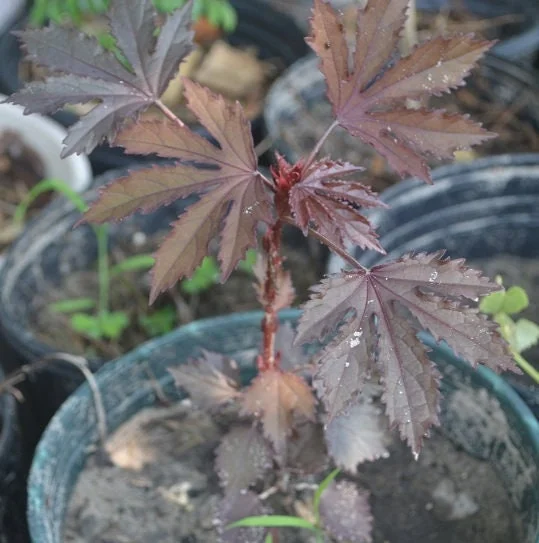
The cranberry hibiscus live plant is a vigorous grower, capable of reaching impressive sizes within a single season. When grown as an annual, it typically grows 3-5 feet tall and 2-3 feet wide, forming a bushy, upright shrub. In ideal perennial conditions, it can become much larger, sometimes reaching 6-8 feet in height. Your plant will arrive as a young, healthy live plant, ready to be transplanted into a larger pot or directly into your garden. Expect rapid growth and a stunning display of color within weeks of planting. The plant ships securely to ensure minimal stress during transit, arriving in prime condition to thrive in its new home. It typically begins to produce edible leaves soon after establishment, offering a continuous harvest throughout the warm months.
Frequently Asked Questions
- Q: How big does this plant get? A: The cranberry hibiscus live plant can grow 3-5 feet tall and 2-3 feet wide in one growing season as an annual. In warmer climates where it’s perennial, it can reach 6-8 feet or more.
- Q: Is this an indoor or outdoor plant? A: It can be grown both indoors and outdoors. It thrives outdoors in full sun during warm months and can be brought indoors as a houseplant during winter in colder regions.
- Q: How much sunlight does it need? A: For the best color and growth, the mahogany splendor plant requires full sun, which means at least 6-8 hours of direct sunlight daily.
- Q: Is this plant easy to care for? A: Yes, the false roselle plant is considered relatively easy to care for. It primarily needs consistent watering, plenty of sunlight, and well-draining soil to flourish.
- Q: What condition will it arrive in? A: Your cranberry hibiscus live plant will arrive as a healthy, well-rooted young plant, carefully packaged to ensure its safety and vitality during shipping.
- Q: Can I use the leaves for cooking? A: Absolutely! The leaves of the edible hibiscus plant have a tart, cranberry-like flavor and can be used fresh in salads, cooked, or brewed into teas.
- Q: When is the best time to plant? A: The best time to plant is in spring after all danger of frost has passed, once soil temperatures have warmed up.
- Q: Will it survive winter in my zone? A: It is perennial in USDA Zones 9-11. In colder zones, it should be treated as an annual or brought indoors for winter protection.
- Q: What’s the minimum temperature it can tolerate? A: This plant is sensitive to frost and generally prefers temperatures above 50°F (10°C). Prolonged exposure to temperatures below this can cause damage.
- Q: How often should I fertilize my cranberry hibiscus? A: During the active growing season (spring and summer), fertilize every 2-4 weeks with a balanced liquid fertilizer to support vigorous growth.
Related products
-58%
Original price was: $39.99.$16.99Current price is: $16.99.
-67%
Original price was: $39.72.$13.24Current price is: $13.24.
-67%
Original price was: $75.72.$25.24Current price is: $25.24.
-50%
Original price was: $53.98.$26.99Current price is: $26.99.
-50%
Original price was: $79.96.$39.98Current price is: $39.98.
-67%
Original price was: $75.72.$25.24Current price is: $25.24.
-30%
Original price was: $67.98.$47.58Current price is: $47.58.
-10%
Original price was: $65.00.$58.50Current price is: $58.50.
PLANTING & CARE
Growing Glencoe Raspberry: A Complete Guide for Gardeners
If you’re looking to add something unique to your garden, look no further than the
31
Mar
Mar

The Comprehensive Guide to Growing Bay Leaf Plants for a Flavorful Garden
Imagine stepping into your garden, greeted by the earthy aroma of fresh bay leaves, their
09
Feb
Feb

How to Make Comfrey Tea: The Ultimate Organic Plant Food
Growing an organic garden can be surprisingly expensive, especially when most store-bought fertilizers come in
02
Feb
Feb

True Comfrey: 7 Essential Tips Before You Plant This Herb
A staple in permaculture practices across the US, True Comfrey easily earns its reputation as
27
Jan
Jan

7 Heart-Shaped Plants for a Lasting Valentine’s Gift
If you’ve ever bought a bouquet of roses for Valentine’s Day, you know they are
26
Jan
Jan

Best Types of Ivy Plant for Houses: How to Choose the Perfect Ones for Your Home
Are you a garden lover looking to introduce some greenery into your home? Maybe you’ve
14
Nov
Nov

When to Harvest Garlic (Especially Fall-Planted Garlic)
TIMING IS EVERYTHING, they say – and for garlic, that truth hits with surprising accuracy.
13
Nov
Nov

11 of the Best Sweet Potato Varieties to Grow for Your Garden
If you’ve ever tried growing sweet potatoes, you know that picking the right variety can
12
Nov
Nov