-
×
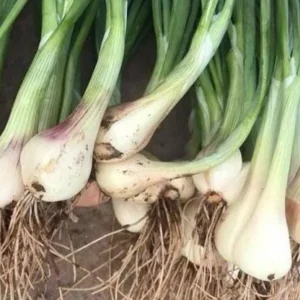 Allium Chinense Bulbs - Rakkyo Japanese Scallion - 3 Roots Herbal Plant
1 × $9.98
Allium Chinense Bulbs - Rakkyo Japanese Scallion - 3 Roots Herbal Plant
1 × $9.98 -
×
 Tiger Lily Live Starter Plant - Double Orange, 2-Pack, 4 Inch Pot, 4-6 Inch Tall
4 × $21.59
Tiger Lily Live Starter Plant - Double Orange, 2-Pack, 4 Inch Pot, 4-6 Inch Tall
4 × $21.59 -
×
White Giant Spider Lily Crinum Seeds - 12 Bulbs - Fragrant, Deer Resistant
1 × $47.98
-
×
Black Tartarian Sweet Cherry Scion Wood Cuttings - 6 Organic Prunus Avium
1 × $29.98
-
×
5 American Persimmon Tree Seeds - Diospyros Virginiana - Organic Heirloom Fruit Seeds
1 × $12.00
-
×
Vigoro Replacement Liners – Garden Accessory – 2 Pack – Indoor/Outdoor
1 × $31.50
-
×
Tuscan Blue Rosemary Live Plants - 6 Starter Plants, 5-8" Tall - Culinary & Ornamental Herb
1 × $25.24
-
×
Sweet Autumn Clematis Live Plant – 4" Pot, Well Rooted – Climbing Vine
1 × $42.99
-
×
Camellia Red Live Starter Plant - Japonica Red Flower, 10-12 Inch Tall, 4 Inch Pot
1 × $21.59
-
×
Black Cherry Tree – Prunus serotina – Live Plant – Up to 2 ft Tall – Outdoor
2 × $70.00
-
×
Red Milkweed Live Starter Plants - Set of 2, 4-8" Tall, Perennial, Attracts Monarch Butterflies
2 × $19.99
-
×
Unique Hexagonal Pattern Cactus Live Plant – Rare Succulent – 2 Inch Diameter – Indoor
1 × $24.50
-
×
Lemongrass Seeds - 200+ Fresh Non-GMO Lemon Grass Seeds for Indoor & Outdoor Planting
1 × $5.38
-
×
Live Sage Herb Plant - 8-inch Height - 4.5-inch Pot - Indoor/Outdoor Culinary Herb
2 × $47.58
-
×
Philodendron Brasil Vining Live Plant - Indoor Houseplant Starter
2 × $22.50
-
×
Mini Rose Red Live Plant – 6-inch Height – 3-inch Pot – Indoor/Outdoor
1 × $44.78
-
×
Granny Smith Apple Tree – Live Plant – 2.5 ft Tall – Outdoor
1 × $70.00
-
×
Red Milkweed Live Starter Plants - Set of 2, 4-8" Tall, Perennial, Attracts Monarch Butterflies
1 × $19.99
-
×
Pink Thanksgiving Cactus Live Plant – Zygocactus – 4 inch Pot – Indoor
1 × $55.98
-
×
White Thanksgiving Cactus Live Plant – Zygocactus – 4 inch Pot – Indoor Houseplant
1 × $55.98
-
×
Lisianthus Rosanne Brown Plant Plug - 2-3" Tall Starter Plant - Brown Flower
1 × $10.34
-
×
Navaho Thornless Blackberry Starter Plug - Live Plant - Sweet Fruit
1 × $28.80
-
×
Mixed Apple Trees – Live plant – 2.5 ft tall – Outdoor
1 × $524.00
-
×
Hosta Starter Plant - Live Green Hosta up to 5 inches in 4 inch Pot - Well Rooted
1 × $11.99
-
×
Natchez Crape Myrtle Live Plant – 1 Gallon Pot – White Flowers – Outdoor Shrub/Tree
2 × $77.90
-
×
Grenada Seasoning Heirloom Pepper Seeds – 10 Premium Seed Packet – Caribbean Flavor
1 × $7.98
-
×
Lemongrass Seeds - 1000+ Fresh Non-GMO Herb Seeds - Indoor & Outdoor
1 × $21.38
-
×
Red Orchid Cactus Live Plant – 8-inch Height – 4-inch Pot – Indoor/Outdoor
1 × $60.18
-
×
Variegated Banana Tree – Live Plant – Outdoor – Yellow Green Leaves
1 × $100.00
-
×
Dioscorea Alata Aerial Tubers - Edible Yam for Planting - Grow Your Own
1 × $10.00
-
×
Pink Thanksgiving Cactus Live Plant – Zygocactus – 4 inch Pot – Indoor Succulent
1 × $55.98
-
×
Red Mini Rose Live Plant – 6-inch Height, 3-inch Pot – Indoor/Outdoor
1 × $44.78
-
×
Boba Tea Plant Trellis Pick - 3D Printed Plant Support for Houseplants, Silk Purple, 7.8 Inches Tall
1 × $33.90
-
×
White Thanksgiving Cactus Live Plant - 7" Tall, 6" Pot - Indoor/Outdoor Zygocactus
1 × $90.98
-
×
3 Red Hot Poker Perennial Plants - Bareroot, Full Sun, Pollinator
1 × $24.00
-
×
10 Wild Ramps Bulbs - Bare Roots Wild Leeks (Allium tricoccum)
1 × $23.18
-
×
Ranunculus Flower Bulbs 15 Pastel Corms - Buttercup Peony Rose Type
1 × $31.98
-
×
 2 Dwarf Green Malayan Coconut Seeds - Rare Costa Rican Certified
1 × $71.98
2 Dwarf Green Malayan Coconut Seeds - Rare Costa Rican Certified
1 × $71.98 -
×
Red Beauty Lottringa Tomato Seeds - Organic Heirloom for Gourmet Sauce (25 Seeds)
1 × $9.98
-
×
Sambac Jasmine Live Plant – Fragrant Flowering Plant – 8-inch Tall – 3-inch Pot – Indoor/Outdoor
1 × $46.18
-
×
Thanksgiving Cactus Live Plant – White Zygocactus – 4in Pot – Indoor Houseplant
1 × $55.98
-
×
Orange Milkweed Live Starter Plant (2-Pack) - 4-8" Tall - Attracts Monarch Butterflies
1 × $19.99
-
×
Sweet Autumn Clematis – Live plant – Vines – 4 Inch Pot – Outdoor
1 × $42.00
-
×
Crested Aeonium Maybach Live Plant – Rare Colorful Succulent – 4.5 inch – Indoor Gift
1 × $82.00
-
×
Scheherazade Rose Live Plant - Fragrant Pink Ruffled Shrub, 6 inch Ownroot
1 × $58.00
-
×
20 Pawpaw Tree Seeds - Organic Heirloom Asimina triloba Native Fruit Seeds, Stratified
1 × $30.40
-
×
Dwarf Cavendish Banana Tree – Live plant – Indoor/Outdoor – 1 plant
1 × $35.50
-
×
Macodes Petola Jewel Orchid Starter Plant - Live Houseplant for Indoor Display
1 × $19.36
-
×
1 Mysore Black Raspberry Plant – Tropical Fruiting Bush – Rooted Starter – 8-12in Tall
1 × $27.20
-
×
Pansy Viola Atlas Black Live Plant Plug – Fragrant Pollinator Flower
1 × $10.79
-
×
5 Osage Blackberry Starter Plug - Thornless Berry Live Plant - Early Ripening
1 × $64.00
-
×
Metrosideros excelsa Variegata Live Plant - New Zealand Christmas Tree - 1 Gallon Pot
2 × $90.00
-
×
White Guava Live Plant – Sweet Edible Fruit Tree, 10 Inches Tall, for Tropical Landscaping
1 × $29.99
-
×
1 Violette de Bordeaux Fig Tree Starter Plug - Dwarf, Sweet Fruit
1 × $28.80
-
×
20 Northern Hardy Pecan Tree Seeds - Carya illinoinensis - Grow Your Own Nuts
1 × $32.00
-
×
Yellow Christmas Cactus Live Plant – Zygocactus – 4 inch Pot – Indoor Houseplant
1 × $87.38
-
×
3 Lobelia speciosa Starship Rose Perennial Plants - Attracts Pollinators
1 × $15.00
-
×
Red/White Crinum Lily Bulbs – Crinum asiaticum – Bulbs – 1 Count – Indoor/Outdoor
1 × $60.00
-
×
Egyptian Walking Onions - 5 Large Organic Bulbs - Multiplier Tree Onion - Perennial Heirloom
1 × $29.98
-
×
Brandywine Pink Heirloom Tomato Seeds - 25 Organic Seeds for Large Tomatoes
1 × $7.98
-
×
Joshua Tree Seeds (Yucca brevifolia) - 5 Seed Pack for Desert Gardens
1 × $25.90
-
×
20 Hay Scented Fern Bare Roots - Dennstaedtia punctilobula Perennial, Outdoor Groundcover
1 × $60.80
-
×
Snow Chaser Blueberry Live Plant - Southern Highbush - Early Ripening - Low Chill
1 × $28.80
-
×
Shampoo Ginger Rhizomes - 2 Fresh Zingiber Zerumbet Roots - Live Plant
1 × $7.98
-
×
Pothos Marble Queen Live Plant – Variegated Indoor Houseplant Starter
1 × $17.84
-
×
50 Christmas Fern Bare Root Plants - Polystichum Acrostichoides - Perennial
1 × $80.00
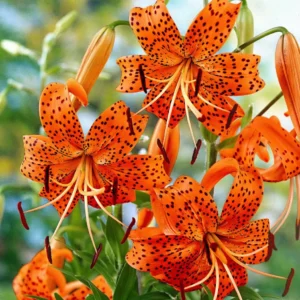 Tiger Lily Live Starter Plant - Double Orange, 2-Pack, 4 Inch Pot, 4-6 Inch Tall
 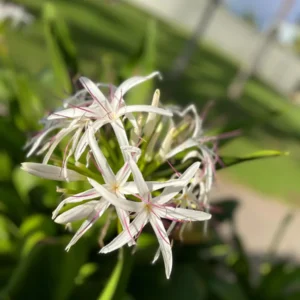 White Giant Spider Lily Crinum Seeds - 12 Bulbs - Fragrant, Deer Resistant
 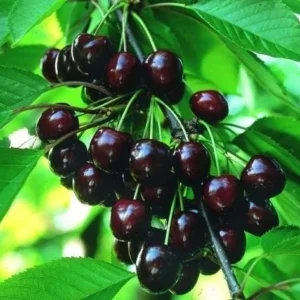 Black Tartarian Sweet Cherry Scion Wood Cuttings - 6 Organic Prunus Avium
 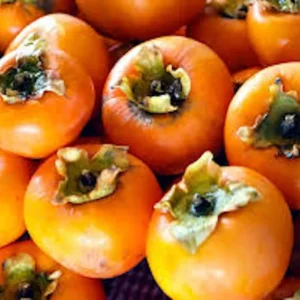 5 American Persimmon Tree Seeds - Diospyros Virginiana - Organic Heirloom Fruit Seeds
 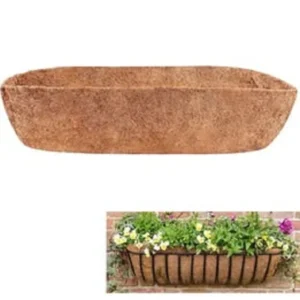 Vigoro Replacement Liners – Garden Accessory – 2 Pack – Indoor/Outdoor
 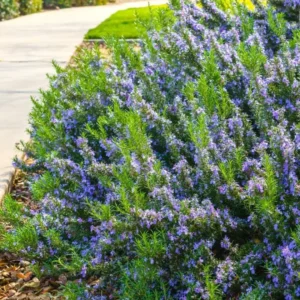 Tuscan Blue Rosemary Live Plants - 6 Starter Plants, 5-8" Tall - Culinary & Ornamental Herb
 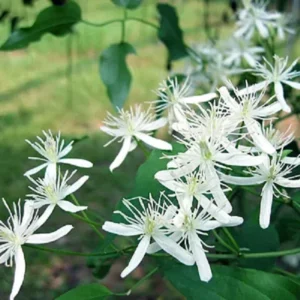 Sweet Autumn Clematis Live Plant – 4" Pot, Well Rooted – Climbing Vine
 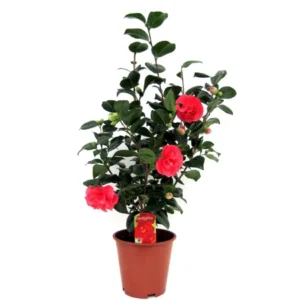 Camellia Red Live Starter Plant - Japonica Red Flower, 10-12 Inch Tall, 4 Inch Pot
 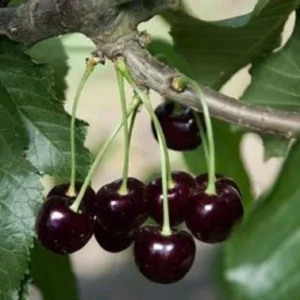 Black Cherry Tree – Prunus serotina – Live Plant – Up to 2 ft Tall – Outdoor
 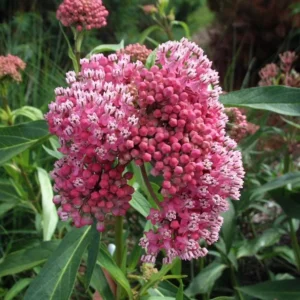 Red Milkweed Live Starter Plants - Set of 2, 4-8" Tall, Perennial, Attracts Monarch Butterflies
 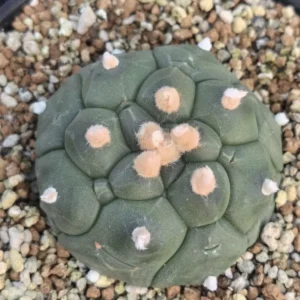 Unique Hexagonal Pattern Cactus Live Plant – Rare Succulent – 2 Inch Diameter – Indoor
 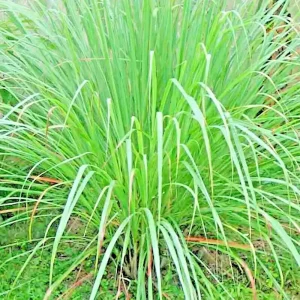 Lemongrass Seeds - 200+ Fresh Non-GMO Lemon Grass Seeds for Indoor & Outdoor Planting
 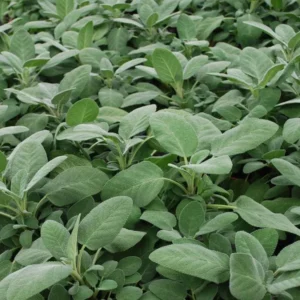 Live Sage Herb Plant - 8-inch Height - 4.5-inch Pot - Indoor/Outdoor Culinary Herb
 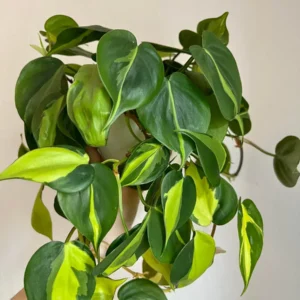 Philodendron Brasil Vining Live Plant - Indoor Houseplant Starter
 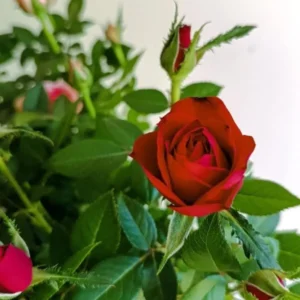 Mini Rose Red Live Plant – 6-inch Height – 3-inch Pot – Indoor/Outdoor
 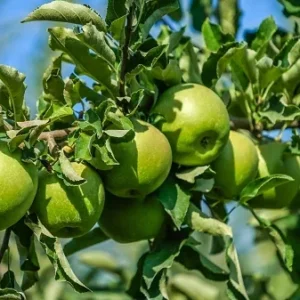 Granny Smith Apple Tree – Live Plant – 2.5 ft Tall – Outdoor
 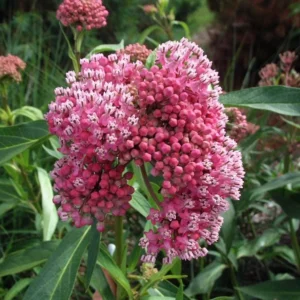 Red Milkweed Live Starter Plants - Set of 2, 4-8" Tall, Perennial, Attracts Monarch Butterflies
 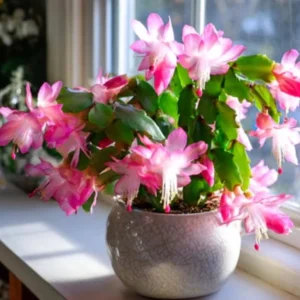 Pink Thanksgiving Cactus Live Plant – Zygocactus – 4 inch Pot – Indoor
 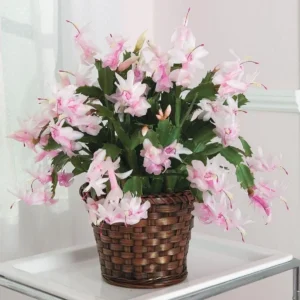 White Thanksgiving Cactus Live Plant – Zygocactus – 4 inch Pot – Indoor Houseplant
 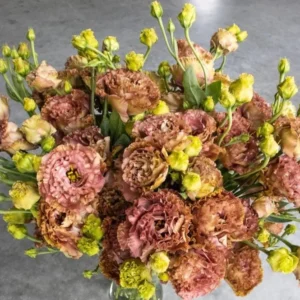 Lisianthus Rosanne Brown Plant Plug - 2-3" Tall Starter Plant - Brown Flower
 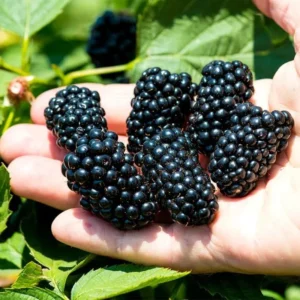 Navaho Thornless Blackberry Starter Plug - Live Plant - Sweet Fruit
 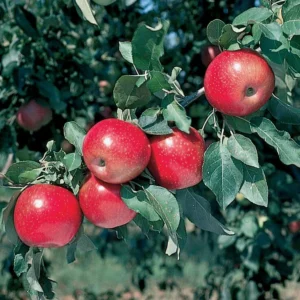 Mixed Apple Trees – Live plant – 2.5 ft tall – Outdoor
 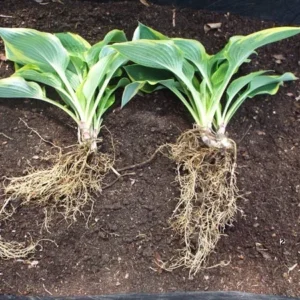 Hosta Starter Plant - Live Green Hosta up to 5 inches in 4 inch Pot - Well Rooted
 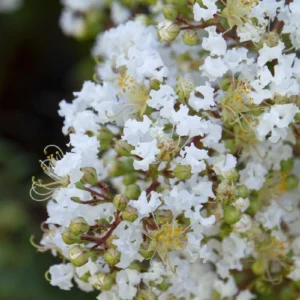 Natchez Crape Myrtle Live Plant – 1 Gallon Pot – White Flowers – Outdoor Shrub/Tree
 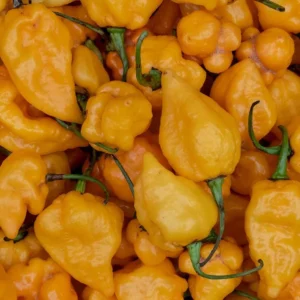 Grenada Seasoning Heirloom Pepper Seeds – 10 Premium Seed Packet – Caribbean Flavor
 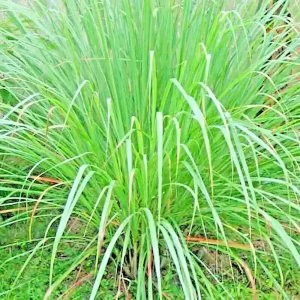 Lemongrass Seeds - 1000+ Fresh Non-GMO Herb Seeds - Indoor & Outdoor
 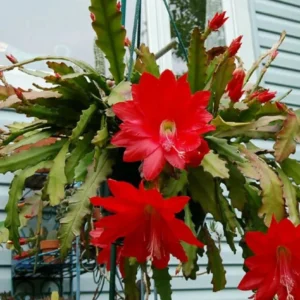 Red Orchid Cactus Live Plant – 8-inch Height – 4-inch Pot – Indoor/Outdoor
 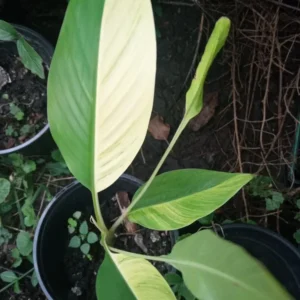 Variegated Banana Tree – Live Plant – Outdoor – Yellow Green Leaves
 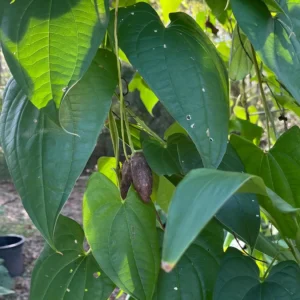 Dioscorea Alata Aerial Tubers - Edible Yam for Planting - Grow Your Own
 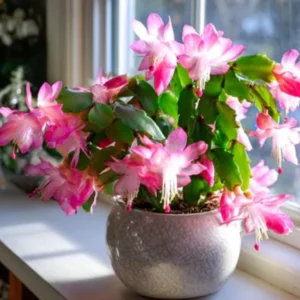 Pink Thanksgiving Cactus Live Plant – Zygocactus – 4 inch Pot – Indoor Succulent
 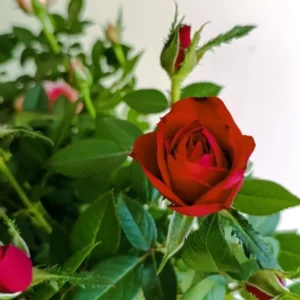 Red Mini Rose Live Plant – 6-inch Height, 3-inch Pot – Indoor/Outdoor
  Boba Tea Plant Trellis Pick - 3D Printed Plant Support for Houseplants, Silk Purple, 7.8 Inches Tall
 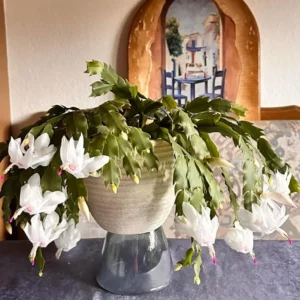 White Thanksgiving Cactus Live Plant - 7" Tall, 6" Pot - Indoor/Outdoor Zygocactus
 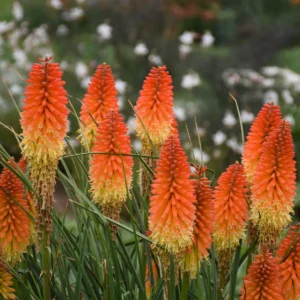 3 Red Hot Poker Perennial Plants - Bareroot, Full Sun, Pollinator
 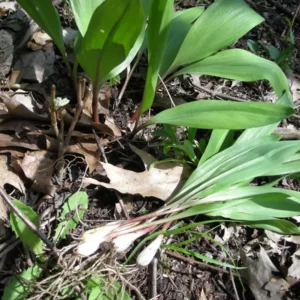 10 Wild Ramps Bulbs - Bare Roots Wild Leeks (Allium tricoccum)
 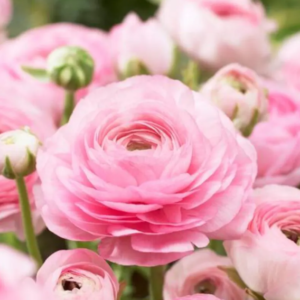 Ranunculus Flower Bulbs 15 Pastel Corms - Buttercup Peony Rose Type
  2 Dwarf Green Malayan Coconut Seeds - Rare Costa Rican Certified
 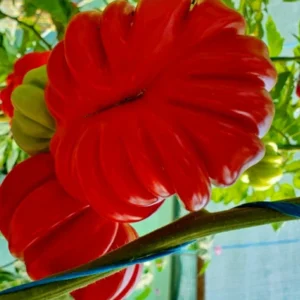 Red Beauty Lottringa Tomato Seeds - Organic Heirloom for Gourmet Sauce (25 Seeds)
 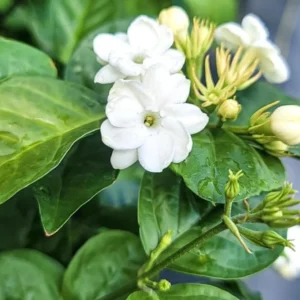 Sambac Jasmine Live Plant – Fragrant Flowering Plant – 8-inch Tall – 3-inch Pot – Indoor/Outdoor
 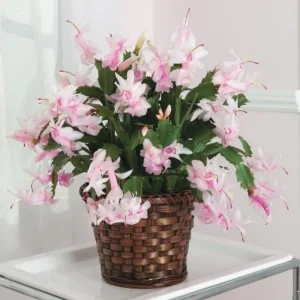 Thanksgiving Cactus Live Plant – White Zygocactus – 4in Pot – Indoor Houseplant
 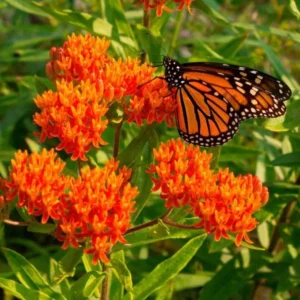 Orange Milkweed Live Starter Plant (2-Pack) - 4-8" Tall - Attracts Monarch Butterflies
 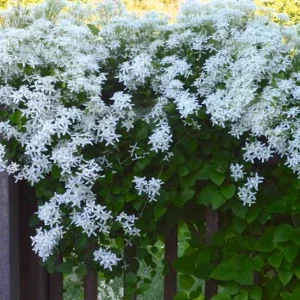 Sweet Autumn Clematis – Live plant – Vines – 4 Inch Pot – Outdoor
 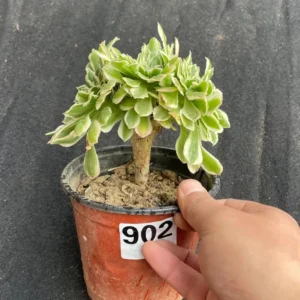 Crested Aeonium Maybach Live Plant – Rare Colorful Succulent – 4.5 inch – Indoor Gift
 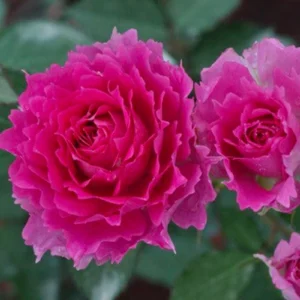 Scheherazade Rose Live Plant - Fragrant Pink Ruffled Shrub, 6 inch Ownroot
 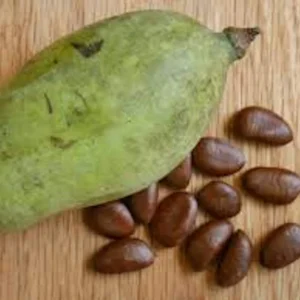 20 Pawpaw Tree Seeds - Organic Heirloom Asimina triloba Native Fruit Seeds, Stratified
 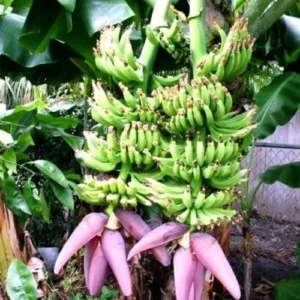 Dwarf Cavendish Banana Tree – Live plant – Indoor/Outdoor – 1 plant
 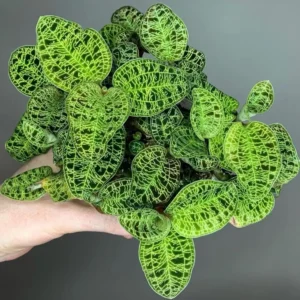 Macodes Petola Jewel Orchid Starter Plant - Live Houseplant for Indoor Display
 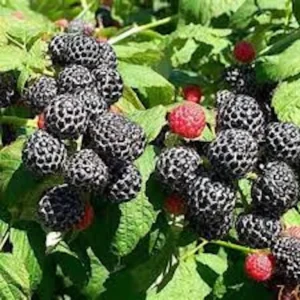 1 Mysore Black Raspberry Plant – Tropical Fruiting Bush – Rooted Starter – 8-12in Tall
 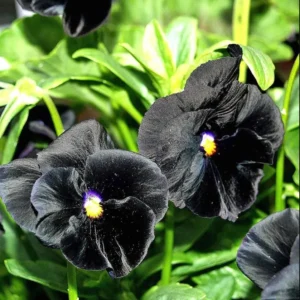 Pansy Viola Atlas Black Live Plant Plug – Fragrant Pollinator Flower
 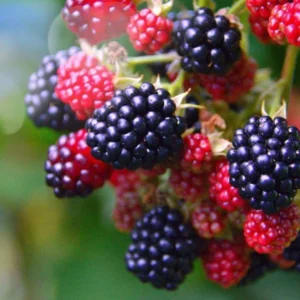 5 Osage Blackberry Starter Plug - Thornless Berry Live Plant - Early Ripening
 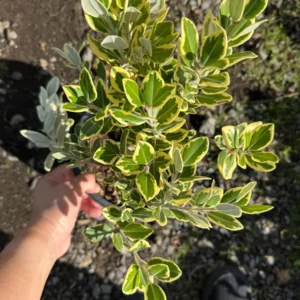 Metrosideros excelsa Variegata Live Plant - New Zealand Christmas Tree - 1 Gallon Pot
 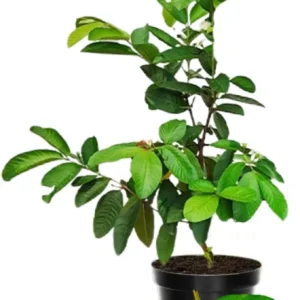 White Guava Live Plant – Sweet Edible Fruit Tree, 10 Inches Tall, for Tropical Landscaping
 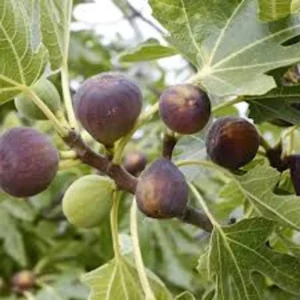 1 Violette de Bordeaux Fig Tree Starter Plug - Dwarf, Sweet Fruit
 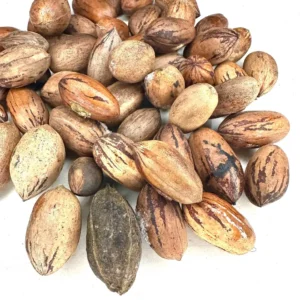 20 Northern Hardy Pecan Tree Seeds - Carya illinoinensis - Grow Your Own Nuts
 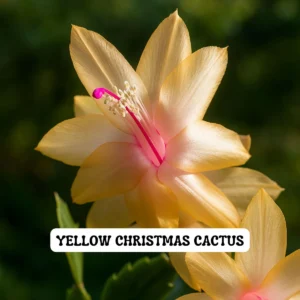 Yellow Christmas Cactus Live Plant – Zygocactus – 4 inch Pot – Indoor Houseplant
 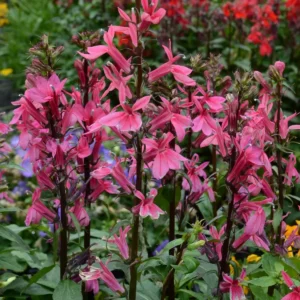 3 Lobelia speciosa Starship Rose Perennial Plants - Attracts Pollinators
 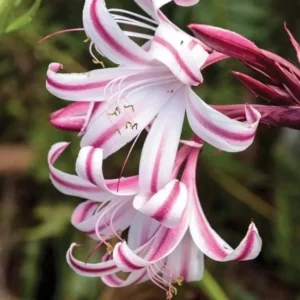 Red/White Crinum Lily Bulbs – Crinum asiaticum – Bulbs – 1 Count – Indoor/Outdoor
 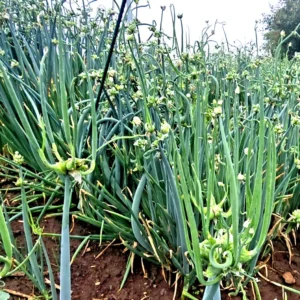 Egyptian Walking Onions - 5 Large Organic Bulbs - Multiplier Tree Onion - Perennial Heirloom
 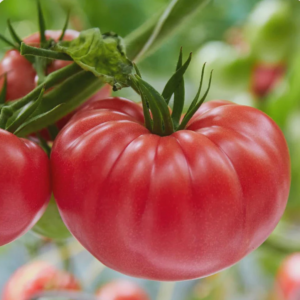 Brandywine Pink Heirloom Tomato Seeds - 25 Organic Seeds for Large Tomatoes
  Joshua Tree Seeds (Yucca brevifolia) - 5 Seed Pack for Desert Gardens
 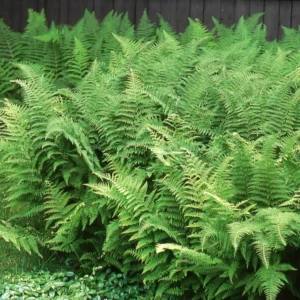 20 Hay Scented Fern Bare Roots - Dennstaedtia punctilobula Perennial, Outdoor Groundcover
 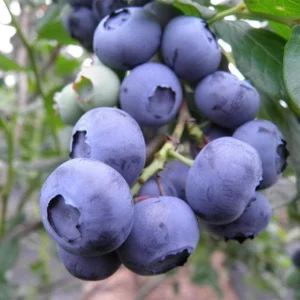 Snow Chaser Blueberry Live Plant - Southern Highbush - Early Ripening - Low Chill
 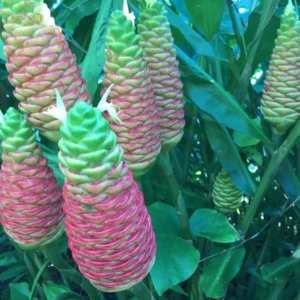 Shampoo Ginger Rhizomes - 2 Fresh Zingiber Zerumbet Roots - Live Plant
 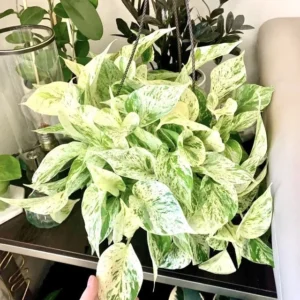 Pothos Marble Queen Live Plant – Variegated Indoor Houseplant Starter
 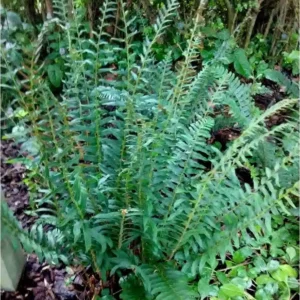 50 Christmas Fern Bare Root Plants - Polystichum Acrostichoides - Perennial
 Creeping Thyme Seeds – Purple Groundcover Lawn Herb, Drought Perennial, 400+ Seeds
-50%
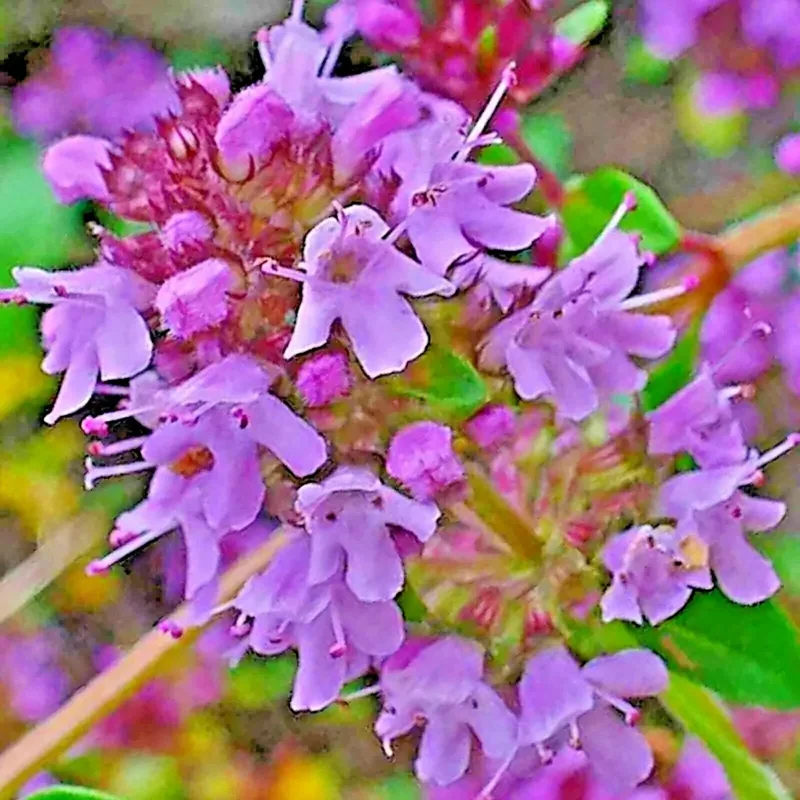
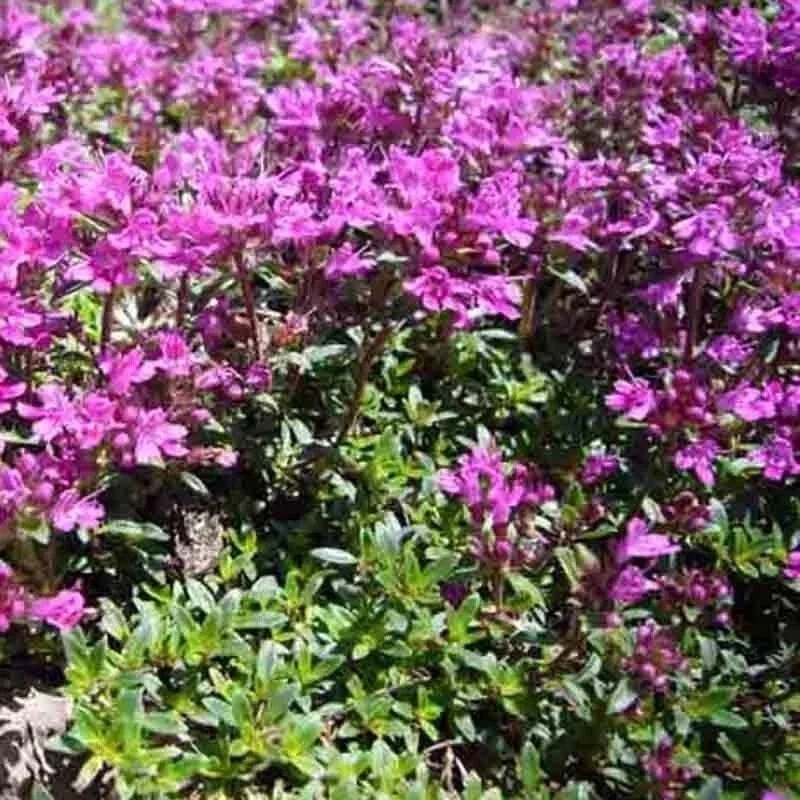


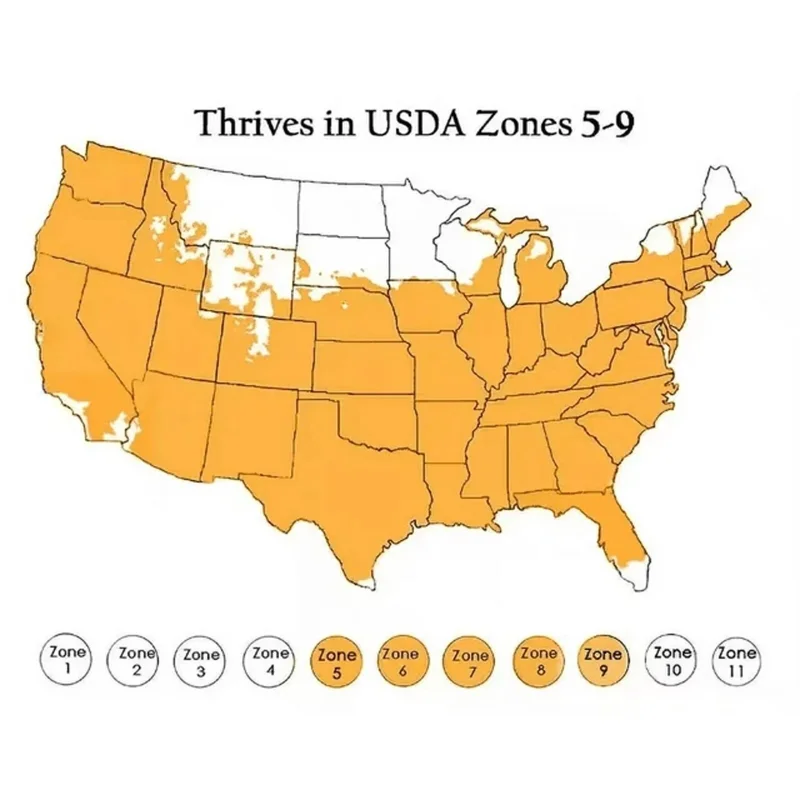
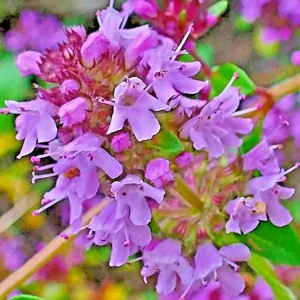
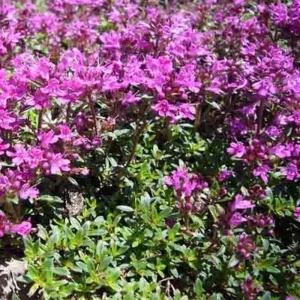


Creeping Thyme Seeds – Purple Groundcover Lawn Herb, Drought Perennial, 400+ Seeds
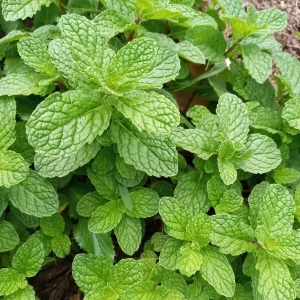
Cultivate a vibrant, low-maintenance landscape with these creeping thyme seeds. Producing beautiful purple flowers, this drought-tolerant perennial is ideal for groundcover, lawn alternatives, and herb gardens. Each pack contains 400+ seeds for ample planting.
Original price was: $18.76.$9.38Current price is: $9.38.

With our Alive & Thrive Guarantee, we’ve got your back for the first 30 days! If you have any concerns about your plants, just reach out to us. Our team is here to help answer your questions and guide you in selecting the best plants for your garden, climate, and unique preferences. We're excited to help you create the garden of your dreams!
Estimated arrival
Apr 03
Apr 08 - Apr 10
Apr 13 - Apr 17
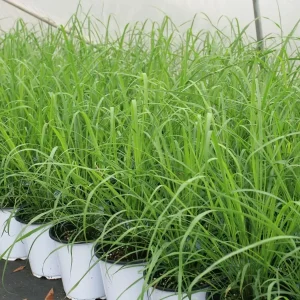

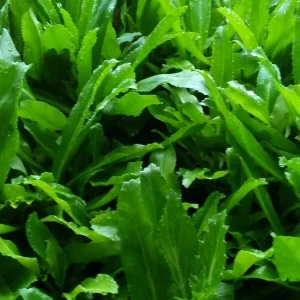
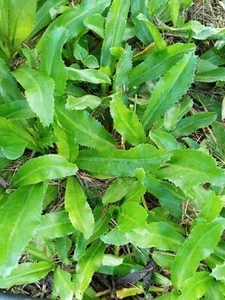
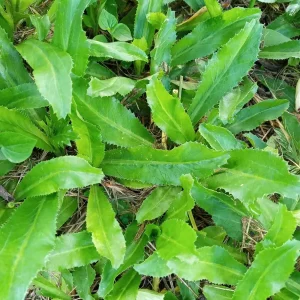


Product Details
-
USDA Hardiness Zone
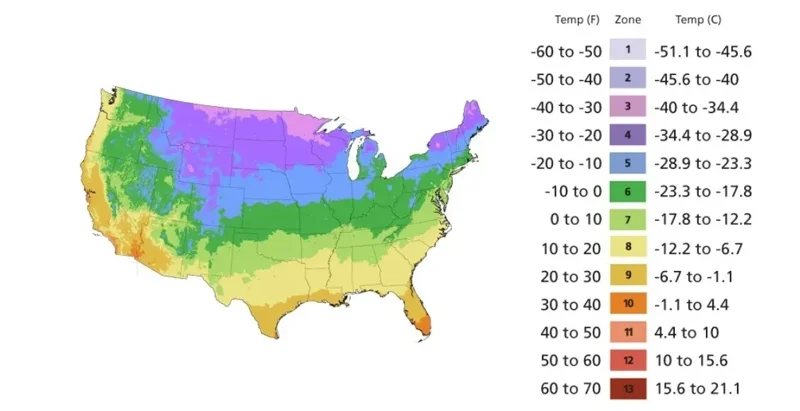
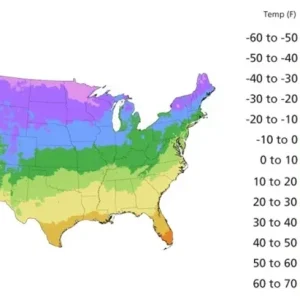
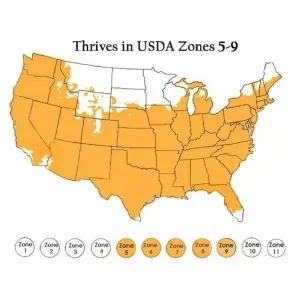
USDA zones 4-9 -
Soil type
Well-draining (Clay, Loam, Peat, Sand, Silt) -
Sunlight Exposure
Full Sun, Medium Sun -
Expected Planting Period
Fall, Spring, Summer
Overview
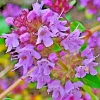
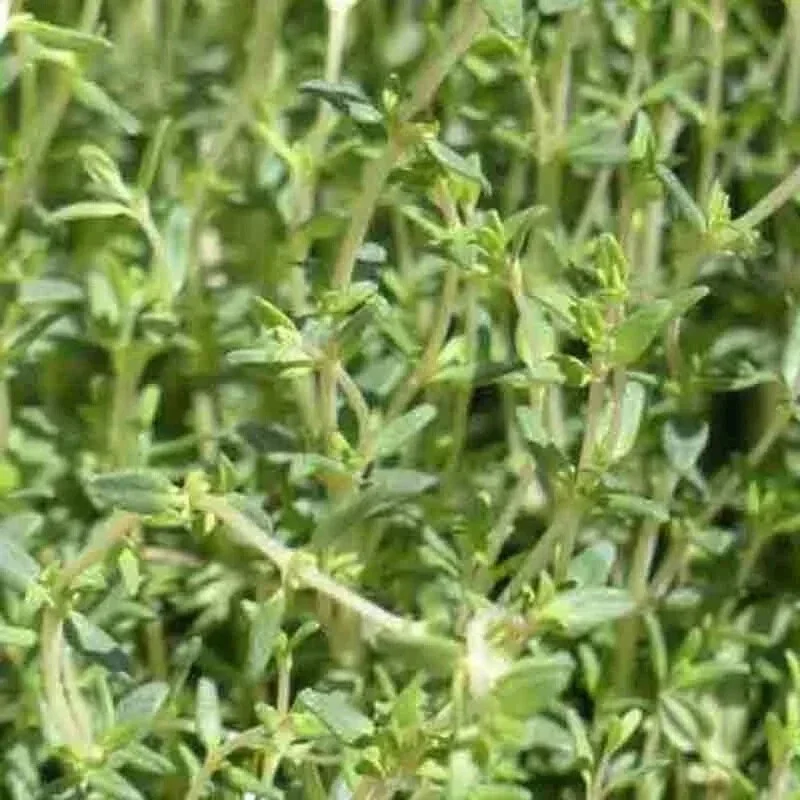
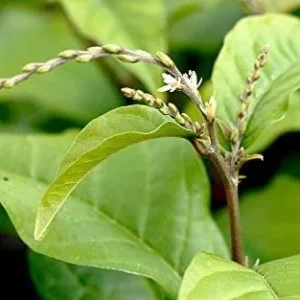
Transform your garden into a fragrant, colorful haven with our premium creeping thyme seeds. This versatile and robust plant (Thymus serpyllum) is celebrated for its dense, mat-forming growth habit and charming purple blossoms, making it an excellent choice for groundcover, rock gardens, and even as a lawn substitute. Known for its resilience and aromatic foliage, creeping thyme offers both aesthetic appeal and practical benefits. These seeds provide an abundant opportunity to establish a beautiful and beneficial plant that thrives with minimal fuss, providing a lush carpet of greenery and blooms throughout the seasons.
Creeping thyme is an incredibly adaptable plant, flourishing in various climates and soil conditions. It’s not just a pretty face; its leaves are edible and can be used to add a subtle, earthy flavor to culinary dishes. As a perennial, it returns year after year, offering continuous beauty and utility without the need for replanting. Whether you’re looking to fill in bare spots, create an inviting pathway, or simply enjoy its delightful scent, starting with quality creeping thyme seeds is the first step towards a flourishing garden.
Key Benefits
Choosing creeping thyme seeds for your garden offers a multitude of advantages, enhancing both the beauty and sustainability of your outdoor space. This plant is a true garden workhorse, providing numerous benefits with relatively little effort.
- Excellent Groundcover: Forms a dense, mat-forming carpet that suppresses weeds and reduces soil erosion, making it perfect for difficult-to-grow areas or as a lawn alternative. The compact growth of thyme groundcover seeds ensures a neat and tidy appearance.
- Drought-Tolerant: Once established, creeping thyme requires minimal watering, making it an ideal choice for xeriscaping and water-wise gardens. This characteristic makes it a highly desirable drought tolerant thyme option.
- Attractive Purple Blooms: Produces a profusion of small, vibrant purple flowers that attract beneficial pollinators like bees and butterflies, contributing to a healthier ecosystem. Our purple creeping thyme variety is particularly striking.
- Aromatic Foliage: Releases a delightful, herbaceous fragrance when walked upon or brushed, adding a sensory dimension to pathways and seating areas.
- Culinary & Medicinal Uses: The leaves are edible and can be used fresh or dried in various dishes, adding a unique flavor. Thyme also has traditional medicinal properties. This makes it a great choice among perennial herb seeds.
- Low Maintenance: Requires very little care once established, thriving with minimal fertilization and pruning.
- Perennial Life Cycle: Returns year after year, eliminating the need for annual replanting and providing long-lasting beauty.
Plant Care & Growing Tips
Growing creeping thyme seeds is a rewarding experience, especially given its low-maintenance nature. To ensure successful germination and robust growth, provide the right conditions from the start. Creeping thyme thrives in full sun, ideally receiving at least 6 hours of direct sunlight per day. It can tolerate partial sun, particularly in hotter climates where some afternoon shade can prevent scorching. For best results, sow seeds directly outdoors in spring after the last frost, or start them indoors 6-8 weeks before the last frost date.
When it comes to soil, creeping thyme prefers well-draining soil. It can adapt to various soil types including clay, loam, peat, sand, and silt, but excellent drainage is crucial to prevent root rot. A neutral soil pH is generally preferred. Water newly sown seeds regularly to keep the soil consistently moist until germination occurs and seedlings are established. Once mature, creeping thyme is incredibly drought-tolerant and will only need occasional watering, especially during prolonged dry spells. Overwatering is more detrimental than underwatering for this resilient plant.
Fertilization is rarely necessary for thyme groundcover seeds, as creeping thyme generally thrives in lean soil. If your soil is particularly poor, a light application of balanced, slow-release fertilizer in early spring can be beneficial. Creeping thyme is cold resistant and hardy in a wide range of USDA zones. It’s also known for being easy to cultivate, making it suitable for beginner gardeners seeking a beautiful and functional groundcover. Minor pruning can be done after flowering to maintain shape and encourage denser growth.
Size & Details
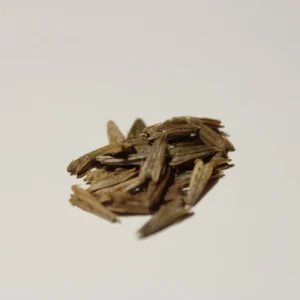
Each packet contains a generous supply of 400+ creeping thyme seeds, providing ample opportunity to establish a substantial area of this attractive groundcover. Creeping thyme develops into a mat-forming plant, typically reaching a height of 2-6 inches and spreading up to 12-18 inches wide, creating a dense, low-profile carpet. These particular purple creeping thyme seeds will produce plants with vibrant purple flowers, adding a splash of color to your landscape. The seeds are suitable for outdoor planting and are sourced from the United States, ensuring quality and adaptability to various climates including arid, highland, humid continental, humid subtropical, marine west coast, and semiarid regions. Expect fast growth and flowering, with plants maturing throughout the fall, spring, and summer seasons.
Frequently Asked Questions
- Q: How big does this plant get? A: Creeping thyme typically forms a dense mat, growing about 2-6 inches tall and spreading 12-18 inches wide. It’s perfect for covering larger areas or filling in gaps between stepping stones.
- Q: What growing conditions does creeping thyme need? A: This plant thrives in full sun (at least 6 hours daily) and prefers well-draining soil. It is very adaptable and can tolerate a range of climates, making it a versatile choice for many gardens.
- Q: Is this plant easy to care for? A: Yes, creeping thyme is known for its easy cultivating difficulty. Once established, it is drought-tolerant and requires minimal watering and fertilization, making it great for beginners.
- Q: What condition will the creeping thyme seeds arrive in? A: Your creeping thyme seeds will arrive as a packet of fresh, high-quality seeds ready for planting. We ensure careful packaging to protect them during transit.
- Q: Can I use creeping thyme in cooking? A: Absolutely! The leaves of creeping thyme are edible and can be used fresh or dried to flavor a variety of dishes, much like common thyme. It’s a fantastic perennial herb seed to grow.
- Q: When is the best time to plant these thyme groundcover seeds? A: The best time to plant creeping thyme seeds is in the spring after the last frost. You can also start them indoors 6-8 weeks before the last expected frost for an earlier start.
- Q: Will this drought tolerant thyme survive winter in my zone? A: Creeping thyme is a perennial, meaning it comes back year after year. It is cold resistant and generally hardy in USDA zones 4-9, making it suitable for many regions across the United States.
- Q: What color flowers can I expect from these seeds? A: These creeping thyme seeds are specifically for a variety that produces beautiful purple flowers, adding a vibrant touch to your garden landscape.
- Q: Is creeping thyme good for attracting pollinators? A: Yes, the small purple flowers of creeping thyme are highly attractive to bees, butterflies, and other beneficial pollinators, making it an excellent choice for supporting local ecosystems.
- Q: What kind of soil is best for purple creeping thyme? A: While adaptable, creeping thyme performs best in well-draining soil. It can grow in clay, loam, peat, sand, or silt, as long as drainage is adequate to prevent waterlogging.
Related products
PLANTING & CARE
Growing Glencoe Raspberry: A Complete Guide for Gardeners
If you’re looking to add something unique to your garden, look no further than the
31
Mar
Mar

The Comprehensive Guide to Growing Bay Leaf Plants for a Flavorful Garden
Imagine stepping into your garden, greeted by the earthy aroma of fresh bay leaves, their
09
Feb
Feb

How to Make Comfrey Tea: The Ultimate Organic Plant Food
Growing an organic garden can be surprisingly expensive, especially when most store-bought fertilizers come in
02
Feb
Feb

True Comfrey: 7 Essential Tips Before You Plant This Herb
A staple in permaculture practices across the US, True Comfrey easily earns its reputation as
27
Jan
Jan

7 Heart-Shaped Plants for a Lasting Valentine’s Gift
If you’ve ever bought a bouquet of roses for Valentine’s Day, you know they are
26
Jan
Jan

Best Types of Ivy Plant for Houses: How to Choose the Perfect Ones for Your Home
Are you a garden lover looking to introduce some greenery into your home? Maybe you’ve
14
Nov
Nov

When to Harvest Garlic (Especially Fall-Planted Garlic)
TIMING IS EVERYTHING, they say – and for garlic, that truth hits with surprising accuracy.
13
Nov
Nov

11 of the Best Sweet Potato Varieties to Grow for Your Garden
If you’ve ever tried growing sweet potatoes, you know that picking the right variety can
12
Nov
Nov