Culantro Seeds – Recao Sawtooth Mexican Coriander Ngò gai – Herb Seeds

Culantro Seeds – Recao Sawtooth Mexican Coriander Ngò gai – Herb Seeds
Cultivate your own flavorful culantro seeds, also known as Recao or Sawtooth Mexican Coriander. These herb seeds are perfect for gardeners looking to add a distinct, robust flavor to their culinary creations. Easy to grow outdoors, they thrive in full to medium sun and well-draining soil, offering a continuous harvest of aromatic leaves.
From $14.60

With our Alive & Thrive Guarantee, we’ve got your back for the first 30 days! If you have any concerns about your plants, just reach out to us. Our team is here to help answer your questions and guide you in selecting the best plants for your garden, climate, and unique preferences. We're excited to help you create the garden of your dreams!
Estimated arrival
Mar 31
Apr 05 - Apr 07
Apr 10 - Apr 14




Product Details
-
USDA Hardiness Zone
USDA zones 9-11 (as an annual in colder zones) -
Soil type
Loam, well-draining -
Sunlight Exposure
Full Sun, Medium Sun -
Expected Planting Period
Spring to Summer outdoors, year-round indoors
Overview
Embark on a culinary adventure by growing your own culantro seeds. This highly aromatic herb, scientifically known as Eryngium foetidum, is a staple in many Caribbean, Latin American, and Asian cuisines. Often referred to as Recao, Sawtooth Coriander, or Mexican Coriander (Ngò gai in Vietnamese), culantro offers a much stronger and more pungent flavor than its cousin, cilantro. These culantro seeds provide the perfect starting point for cultivating this versatile herb in your home garden. Whether you’re an experienced gardener or just beginning, the rewarding process of growing and harvesting your own fresh culantro will elevate your cooking to new heights. Its unique taste profile makes it an indispensable ingredient for stews, soups, and marinades, providing depth and authenticity to your dishes.
Key Benefits
Growing recao seeds offers a multitude of benefits, from enhancing your culinary skills to providing fresh, healthy ingredients right from your garden. Here are some of the standout advantages:
- Distinct Culinary Flavor: Culantro provides a robust, intense flavor often described as a stronger version of cilantro, essential for authentic ethnic dishes. This makes it a must-have for those who love to experiment with diverse cuisines.
- Easy to Grow: These sawtooth coriander seeds are known for their relatively easy cultivation, making them suitable for gardeners of all experience levels. With proper care, they yield abundant harvests.
- Year-Round Harvest Potential: In warmer climates or when grown indoors, culantro can provide fresh leaves throughout the year, ensuring a continuous supply for your kitchen.
- Nutrient-Rich Herb: Culantro is packed with vitamins and minerals, offering a healthy addition to your diet. It’s a flavorful way to boost your daily nutrient intake.
- Aromatic Garden Addition: The distinctive aroma of culantro can add an interesting sensory dimension to your herb garden, attracting beneficial insects while deterring some pests.
- Versatile Ingredient: Use fresh culantro in salsas, marinades, soups, stews, and stir-fries. Its strong flavor holds up well to cooking, unlike cilantro.
- Cultural Significance: For many, growing eryngium foetidum seeds connects them to heritage and traditional recipes, allowing them to recreate authentic flavors from around the world.
Plant Care & Growing Tips
Cultivating culantro seeds successfully requires attention to a few key environmental factors. Culantro thrives in conditions similar to its native tropical and subtropical regions. For optimal growth, provide your plants with full to medium sun exposure. This means at least 4-6 hours of direct sunlight per day, though in very hot climates, some afternoon shade can prevent scorching. When it comes to watering, culantro prefers consistently moist but not waterlogged soil. Water regularly, especially during dry spells, ensuring the top inch of soil doesn’t completely dry out between waterings. Overwatering can lead to root rot, so good drainage is crucial.
The ideal soil for growing grow culantro is a rich, well-draining loam with a neutral pH. Amend heavy clay soils with organic matter like compost to improve drainage and fertility. For container planting, use a high-quality potting mix. Culantro is an annual herb, meaning it completes its life cycle within one growing season. It generally performs best in warm temperatures, typically between 70-85°F (21-29°C). While it can tolerate a range of climates, it is sensitive to frost. Fertilize sparingly with a balanced liquid fertilizer every 4-6 weeks during the growing season to encourage lush leaf production. Watch out for common pests like aphids, and address them with organic insecticides or horticultural soap if necessary. With proper care, your culantro seeds will yield a bountiful harvest of flavorful leaves.
Size & Details
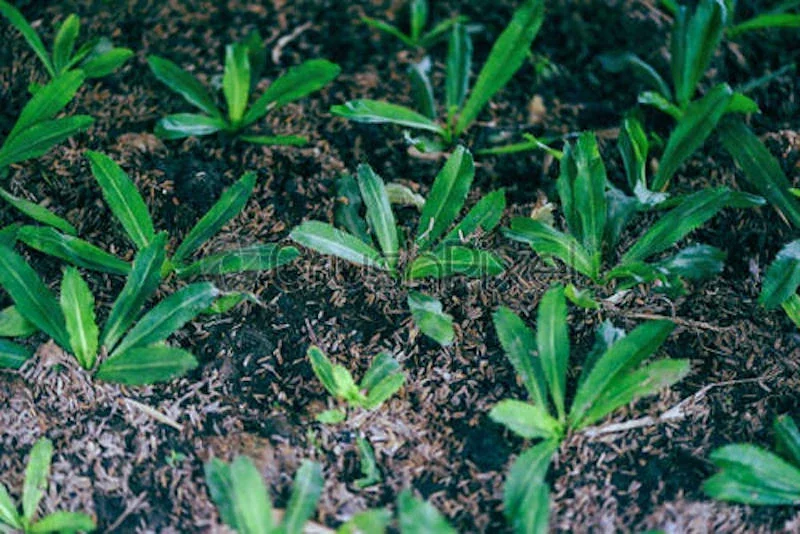
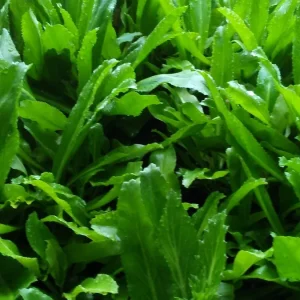
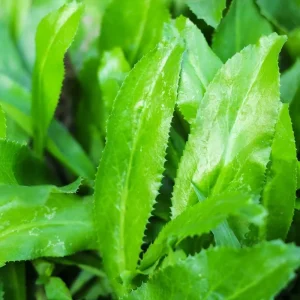
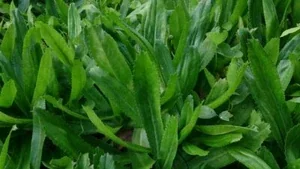
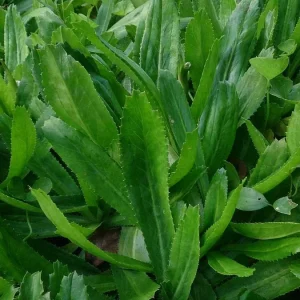
These culantro seeds are ready for planting to establish robust, green plants. Culantro plants typically grow to a height of 6-12 inches (15-30 cm) with a spread of similar dimensions, forming a compact, leafy rosette. The leaves are long, narrow, and serrated, giving the plant its ‘sawtooth’ common name. The plants exhibit a running growth habit, forming new plants from their base over time. Each packet contains a quantity of seeds selected for freshness and viability, ensuring a successful start to your garden. Culantro is an annual herb, completing its life cycle within one warm growing season. Expect to begin harvesting leaves within 8-10 weeks of planting, with continuous production throughout the summer and into fall in suitable climates. These recao seeds are ideal for both in-ground gardening and container planting.
Frequently Asked Questions
- Q: How big does this plant get? A: Culantro plants typically reach a height of 6-12 inches (15-30 cm) and have a similar spread, forming a compact, leafy rosette. Its running growth habit means it can spread horizontally over time.
- Q: Is this an indoor or outdoor plant? A: While primarily grown outdoors in warm climates, culantro can also be successfully grown indoors in a pot near a sunny window, providing fresh leaves year-round. It thrives outdoors in full to medium sun.
- Q: How much sunlight does it need? A: Culantro prefers full to medium sun, meaning at least 4-6 hours of direct sunlight daily. In very hot climates, some afternoon shade can prevent leaf scorching.
- Q: Is this plant easy to care for? A: Yes, grow culantro is considered very easy to cultivate. It requires consistent moisture, well-draining soil, and adequate sunlight, making it suitable for beginner gardeners.
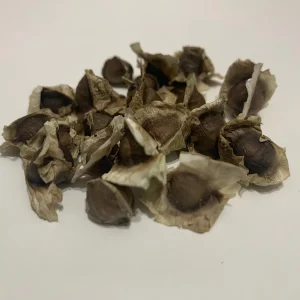
- Q: What condition will the culantro seeds arrive in? A: Your sawtooth coriander seeds will arrive fresh and ready for planting, carefully packaged to ensure viability and successful germination.
- Q: Can I use culantro in cooking? A: Absolutely! Culantro is a culinary herb known for its strong, distinct flavor, often used in Caribbean, Latin American, and Asian dishes like stews, soups, and salsas. Its flavor holds up well to cooking.
- Q: When is the best time to plant eryngium foetidum seeds? A: The best time to plant culantro seeds is in spring after the last frost, or anytime indoors. It thrives in warm temperatures and needs about 10 weeks to establish well.
- Q: What type of soil is best for culantro? A: Culantro prefers well-draining, fertile loam soil with a neutral pH. Ensure good drainage to prevent waterlogging and root issues.
- Q: How often should I water my culantro plant? A: Water your culantro plant regularly to keep the soil consistently moist but not soggy. Allow the top inch of soil to dry slightly between waterings.
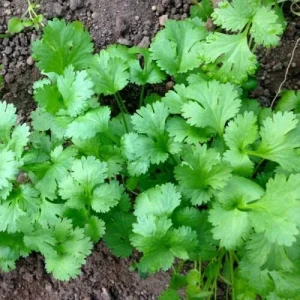
- Q: Is culantro the same as cilantro? A: While related, culantro (Mexican coriander) has a much stronger, more pungent flavor and a different leaf shape than cilantro. They are distinct herbs.
| culantro seeds | 1000+ Seeds, 200+ Seeds |
|---|
Related products

-50%
Original price was: $32.00.$16.00Current price is: $16.00.
-50%
From Original price was: $64.00.$32.00Current price is: $32.00.
PLANTING & CARE

Growing Glencoe Raspberry: A Complete Guide for Gardeners
If you’re looking to add something unique to your garden, look no further than the
31
Mar
Mar

The Comprehensive Guide to Growing Bay Leaf Plants for a Flavorful Garden
Imagine stepping into your garden, greeted by the earthy aroma of fresh bay leaves, their
09
Feb
Feb

How to Make Comfrey Tea: The Ultimate Organic Plant Food
Growing an organic garden can be surprisingly expensive, especially when most store-bought fertilizers come in
02
Feb
Feb

True Comfrey: 7 Essential Tips Before You Plant This Herb
A staple in permaculture practices across the US, True Comfrey easily earns its reputation as
27
Jan
Jan

7 Heart-Shaped Plants for a Lasting Valentine’s Gift
If you’ve ever bought a bouquet of roses for Valentine’s Day, you know they are
26
Jan
Jan

Best Types of Ivy Plant for Houses: How to Choose the Perfect Ones for Your Home
Are you a garden lover looking to introduce some greenery into your home? Maybe you’ve
14
Nov
Nov

When to Harvest Garlic (Especially Fall-Planted Garlic)
TIMING IS EVERYTHING, they say – and for garlic, that truth hits with surprising accuracy.
13
Nov
Nov

11 of the Best Sweet Potato Varieties to Grow for Your Garden
If you’ve ever tried growing sweet potatoes, you know that picking the right variety can
12
Nov
Nov