Curry Leaf Live Plant – Aromatic Herb – 4 inch Pot – Indoor/Outdoor

Curry Leaf Live Plant – Aromatic Herb – 4 inch Pot – Indoor/Outdoor
Bring the authentic taste of South Indian cuisine to your kitchen with a vibrant curry leaf live plant. This aromatic herb is easy to grow and provides fresh leaves for cooking. Ideal for both indoor and outdoor cultivation, it’s a must-have for any culinary enthusiast.
$0.00

With our Alive & Thrive Guarantee, we’ve got your back for the first 30 days! If you have any concerns about your plants, just reach out to us. Our team is here to help answer your questions and guide you in selecting the best plants for your garden, climate, and unique preferences. We're excited to help you create the garden of your dreams!
Estimated arrival
Sep 05
Sep 10 - Sep 12
Sep 15 - Sep 19
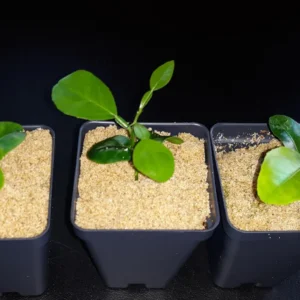
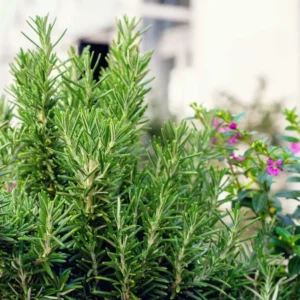
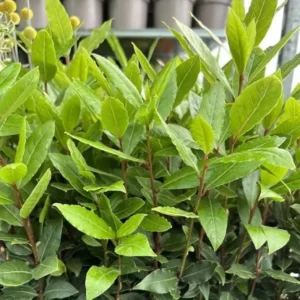
Product Details
-
USDA Hardiness Zone
USDA zones 9-11 (outdoors) or indoors year-round -
Soil type
Well-draining potting mix -
Sunlight Exposure
Full sun to bright indirect light -
Expected Planting Period
Year-round indoors; spring to summer outdoors
Overview
Discover the joy of growing your own curry leaf live plant, a staple in many South Asian cuisines. Known botanically as Murraya koenigii, this plant is cherished for its highly aromatic leaves, which impart a distinct, slightly nutty, and citrusy flavor to dishes. Our curry leaf live plant arrives healthy and ready to thrive in your home or garden, providing an endless supply of fresh leaves. Whether you’re an experienced gardener or just starting, cultivating a curry leaf live plant is a rewarding experience that connects you directly to the source of incredible flavors. This plant is not only functional but also possesses attractive foliage, making it a wonderful addition to any plant collection. Enjoy the convenience and superior taste of freshly picked curry leaves in your cooking.
Key Benefits
Growing a curry leaf live plant offers numerous advantages beyond just culinary use. It’s a versatile and beneficial addition to your home or garden:
- Culinary Excellence: Provides an immediate source of fresh, aromatic curry leaves, essential for authentic South Indian, Sri Lankan, and Southeast Asian dishes. The flavor of fresh leaves far surpasses dried versions.
- Aromatic Ambiance: The leaves release a delightful, unique aroma when brushed or crushed, naturally freshening your living space or garden with its distinctive fragrance.
- Ornamental Appeal: With its glossy, dark green foliage, the curry leaf live plant is an attractive addition to patios, balconies, or indoor plant displays, offering both beauty and utility.
- Low Maintenance: Once established, the plant is relatively easy to care for, requiring consistent watering and adequate sunlight. It’s a resilient choice for various gardening skill levels.
- Pest Repellent: The strong aroma of curry leaves can help deter certain common garden pests, contributing to a healthier environment for your other plants.
- Health Benefits: Traditionally, curry leaves have been recognized for various wellness properties, including aiding digestion and possessing antioxidant qualities.
- Sustainable Sourcing: Growing your own ensures you have organic, pesticide-free leaves readily available, reducing reliance on store-bought options and supporting sustainable living.
Plant Care & Growing Tips
Caring for your curry leaf live plant is straightforward, ensuring a bountiful supply of fragrant leaves. For optimal growth, it thrives in warm, humid conditions. When growing indoors, place your plant near a south-facing window where it can receive at least 6-8 hours of bright, direct sunlight daily. If natural light is insufficient, consider supplementing with a grow light. Outdoors, choose a spot that receives full sun, ideally with some afternoon shade in extremely hot climates to prevent leaf scorch. The karivepaku plant prefers temperatures between 65-95°F (18-35°C) and should be protected from frost.
Water your curry leaf live plant regularly, especially during warmer months. The soil should be kept consistently moist but not waterlogged. Allow the top inch of soil to dry out slightly between waterings. Good drainage is crucial to prevent root rot. Use a well-draining potting mix, ideally one formulated for citrus or tropical plants. Fertilize every 2-4 weeks during the growing season (spring through fall) with a balanced liquid fertilizer or an organic option like fish emulsion. Reduce fertilization in winter when growth slows. Pruning can be done to encourage bushier growth and to harvest leaves. Regularly inspect your plant for common pests like spider mites or scale insects and treat them promptly with organic insecticidal soap if necessary. Understanding curry leaf plant care is key to a thriving plant.
Size & Details
This curry leaf live plant is typically shipped in a 4-inch nursery pot, standing approximately 6-10 inches tall from the base of the pot. It is a young, healthy specimen, ready to establish itself in its new environment. The plant is carefully packaged to ensure safe arrival. With proper care, the curry tree indoor can grow into a substantial shrub, reaching heights of 6-15 feet in ideal outdoor conditions, though it can be kept smaller through pruning when grown in containers. Its growth rate is moderate, allowing you to enjoy fresh leaves relatively quickly. Expect your plant to produce a steady supply of leaves for culinary use within a few months of planting. The plant will continue to grow and produce leaves for many years with consistent care.
Frequently Asked Questions
- Q: How big does this plant get? A: When grown in a pot, the curry leaf live plant can be maintained at a manageable size, typically 2-5 feet tall with regular pruning. In optimal outdoor conditions, it can grow much larger, up to 15 feet.
- Q: What size pot does it come in? A: This curry leaf live plant is shipped in a 4-inch nursery pot, providing a good foundation for transplanting into a larger container or directly into your garden.
- Q: Is this an indoor or outdoor plant? A: The curry leaf live plant can thrive both indoors and outdoors. It prefers warm climates and can be grown outdoors year-round in USDA zones 9-11. In cooler climates, it should be brought indoors during winter.
- Q: How much sunlight does it need? A: It requires at least 6-8 hours of bright, direct sunlight daily. Indoors, a sunny south-facing window is ideal. Outdoors, full sun is best, with some afternoon shade in very hot regions.
- Q: Is this plant easy to care for? A: Yes, with consistent watering and adequate sunlight, the curry leaf live plant is relatively easy to care for. It’s a great choice for both novice and experienced gardeners.
- Q: What condition will it arrive in? A: Your karivepaku plant will arrive healthy and carefully packaged, ready to be transplanted. We take great care to ensure its safe journey to your home.
- Q: Can I use curry leaf in cooking? A: Absolutely! The leaves from this murraya koenigii plant are perfect for adding authentic flavor to curries, stews, chutneys, and other South Asian dishes.
- Q: How long until it blooms? A: While primarily grown for its leaves, mature curry leaf plants can produce small, fragrant white flowers, typically in late spring or early summer, followed by small, edible berries.
- Q: What’s the minimum temperature it can tolerate? A: The curry leaf live plant is sensitive to cold and should be protected when temperatures drop below 40°F (4°C). It is not frost-tolerant.
- Q: What kind of soil does it prefer? A: It prefers well-draining, slightly acidic to neutral soil. A good quality potting mix amended with perlite or sand for drainage works well.
Related products
-30%
Original price was: $59.98.$41.98Current price is: $41.98.
-48%
Original price was: $39.99.$20.99Current price is: $20.99.
-10%
Original price was: $65.00.$58.50Current price is: $58.50.
-50%
Original price was: $59.96.$29.98Current price is: $29.98.
-49%
Original price was: $60.99.$30.99Current price is: $30.99.
-50%
Original price was: $107.96.$53.98Current price is: $53.98.
-10%
Original price was: $75.00.$67.50Current price is: $67.50.
-67%
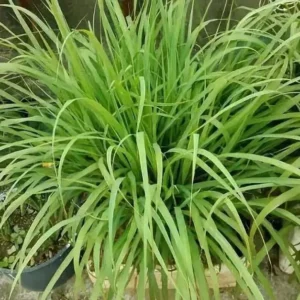
From Original price was: $35.22.$11.74Current price is: $11.74.
PLANTING & CARE
How to Grow and Care Pequin Peppers
If you’re a chili enthusiast who loves a fiery kick in a small package, you
17
Aug
Aug
How to Grow Persian Silk Trees Easily in Your Garden
If you’re looking for a tree that brings a soft, tropical feel to your garden,
04
Aug
Aug
How to Grow Blue Java Banana Trees: A Beginner’s Guide
Have you ever heard of the Blue Java banana tree? If not, you’re in for
28
Jun
Jun
5 Common Blue Java Banana Tree Problems and How to Fix Them
Have you ever looked at your Blue Java banana tree (aka “ice cream banana”) and
19
Jun
Jun
Top 10 Plants for Father’s Day to Honor Dad This Father’s Day
Father’s Day is a special time to show your dad just how much he means
19
Jun
Jun
The Comprehensive Guide to Growing Bougainvillea for Colorful Blooms
Have you ever wanted your garden to be filled with brilliant color and tropical energy
19
Jun
Jun
How to Successfully Plant Bare Root Strawberries in Containers
Have you ever wondered about planting strawberries in containers, but aren’t sure where to begin?
11
Jun
Jun
Top 5 Easiest Ornamental Trees to Grow for Beginners
Ever feel overwhelmed by the idea of planting a tree in your yard? You’re not
11
Jun
Jun