Curry Leaf Live Plant – Aromatic, Potted Herb for Cooking, 4-6 inch

Curry Leaf Live Plant – Aromatic, Potted Herb for Cooking, 4-6 inch
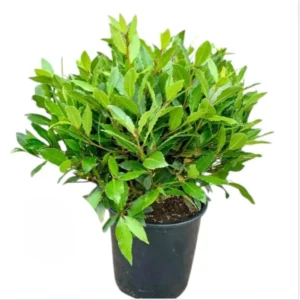
Enhance your kitchen with a vibrant curry leaf live plant. This aromatic herb is essential for authentic Indian and Sri Lankan cuisine, bringing fresh, distinctive flavor to your cooking. Easy to grow indoors or outdoors in suitable climates, it’s a must-have for any culinary enthusiast.
$0.00

With our Alive & Thrive Guarantee, we’ve got your back for the first 30 days! If you have any concerns about your plants, just reach out to us. Our team is here to help answer your questions and guide you in selecting the best plants for your garden, climate, and unique preferences. We're excited to help you create the garden of your dreams!
Estimated arrival
Apr 13
Apr 18 - Apr 20
Apr 23 - Apr 27
Product Details
-
USDA Hardiness Zone
USDA zones 9-11 (outdoors); year-round indoors -
Soil type
Well-draining potting mix -
Sunlight Exposure
Full sun to bright indirect light -
Expected Planting Period
Year-round indoors; spring to summer outdoors
Overview
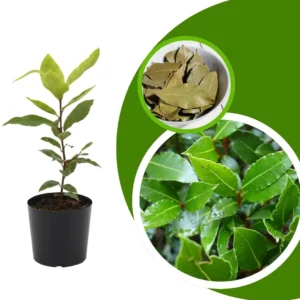
Welcome the authentic flavors of South Asian cuisine into your home with a vibrant curry leaf live plant. Known botanically as Murraya koenigii, this enchanting shrub is celebrated for its highly aromatic leaves, which are a staple ingredient in many traditional dishes. Unlike dried curry powder, fresh curry leaf live plant leaves offer a unique, pungent, and slightly nutty flavor that is simply irreplaceable. Our healthy, potted curry leaf live plant arrives ready to thrive, bringing both beauty and utility to your garden or kitchen. Whether you’re an experienced gardener or just starting, growing your own karivepaku plant is a rewarding experience, providing a continuous supply of fresh leaves for your culinary adventures. This plant is not only a fantastic culinary asset but also a beautiful addition to any plant collection, with its glossy, dark green foliage.
The curry leaf live plant is a member of the citrus family (Rutaceae) and is native to India and Sri Lanka. It’s also sometimes referred to as the curry tree indoor plant due to its ability to adapt well to indoor environments when given proper care. Its compact size and attractive appearance make it suitable for various settings, from a sunny kitchen window to a patio container. Beyond its culinary uses, the curry leaf live plant is also cherished in traditional practices for its potential health benefits. Cultivating this plant allows you to enjoy fresh, organic curry leaves, ensuring the highest quality for your cooking and well-being.
Key Benefits
Growing a curry leaf live plant offers a multitude of benefits, from elevating your cooking to enhancing your living space. Here are some of the prime advantages:
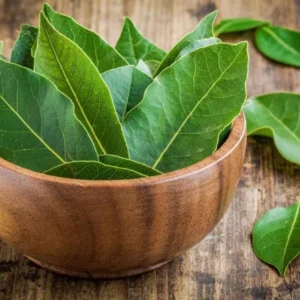
- Authentic Culinary Flavor: Fresh curry leaf live plant leaves provide an unparalleled depth of flavor to curries, stews, and other dishes that dried alternatives cannot match. They release their aromatic oils when sautéed, infusing your food with a distinctive, warm, and slightly citrusy aroma.
- Continuous Supply of Fresh Leaves: With your own curry leaf live plant, you’ll have an endless supply of fresh, organic leaves right at your fingertips, eliminating the need to search for them at specialty stores. Simply pluck what you need, when you need it.
- Aromatic and Decorative Appeal: The glossy, dark green foliage of the murraya koenigii is visually appealing, making it a beautiful ornamental plant for your home or garden. Its subtle, pleasant aroma can also naturally freshen your indoor environment.
- Potential Health Benefits: In traditional medicine, curry leaves are known for their various properties, including antioxidant, anti-inflammatory, and antimicrobial effects. Incorporating them into your diet can contribute to overall well-being.
- Easy to Grow: This resilient plant is relatively low-maintenance, making it suitable for both beginner and experienced gardeners. With the right conditions, your curry leaf live plant will thrive and provide years of delicious leaves.
- Versatile Growing Options: The curry leaf live plant can be successfully grown both indoors in a pot, especially in cooler climates, or outdoors in warmer, tropical environments. This adaptability makes it accessible to a wide range of gardeners.
- Educational and Rewarding: Nurturing a plant from a small start to a flourishing herb provides a deeply satisfying and educational experience, connecting you more closely with the food you eat.
Plant Care & Growing Tips
To ensure your curry leaf live plant thrives, understanding its specific care requirements is key. This tropical plant enjoys warmth and plenty of light. For indoor cultivation, place your curry tree indoor in a location where it receives at least 6-8 hours of bright, direct sunlight daily. A south-facing window is often ideal. If natural light is insufficient, consider supplementing with a grow light. Outdoors, choose a spot with full sun exposure. In very hot climates, some afternoon shade can prevent leaf scorch, but generally, more sun equals more vigorous growth and aromatic leaves for your karivepaku plant.
Watering is crucial for a healthy curry leaf live plant. The soil should be kept consistently moist but never waterlogged. Allow the top inch or two of soil to dry out before watering again. Overwatering can lead to root rot, while underwatering can cause leaves to wilt and drop. Proper drainage is essential, so ensure your pot has drainage holes. A well-draining potting mix, ideally one formulated for citrus or herbs, is recommended. During its active growing season (spring and summer), fertilize your murraya koenigii every 2-4 weeks with a balanced liquid fertilizer diluted to half strength. Reduce fertilization in fall and winter when growth slows. The ideal temperature range for this plant is between 65°F and 85°F (18°C-29°C). It is not frost-tolerant, so bring it indoors if temperatures are expected to drop below 40°F (4°C). Regular pruning helps maintain a bushy shape and encourages new leaf growth, which is perfect for harvesting.
Common problems for the curry leaf live plant include yellowing leaves, which can indicate overwatering or nutrient deficiency, and pest infestations like spider mites or mealybugs. Regularly inspect your plant for any signs of trouble. If pests are detected, treat with an organic insecticidal soap. Providing adequate humidity, especially indoors during dry winter months, can also help prevent pests and promote healthier leaves. With consistent attention to these details, your curry leaf plant care routine will result in a flourishing and productive herb.
Size & Details
Our curry leaf live plant typically arrives in a 4-inch nursery pot, standing approximately 4-6 inches tall from the soil line. This young plant is well-rooted and ready to be transplanted into a slightly larger pot or directly into your garden if you reside in a suitable climate. The growth rate of the curry leaf live plant is moderate; it can reach heights of 6-15 feet in its native tropical environment, but when grown in a pot, its size can be easily managed through pruning. Expect your plant to gradually increase in size, developing more branches and leaves suitable for harvesting.
This murraya koenigii is shipped as a healthy, actively growing plant, carefully packaged to ensure its safe arrival. It’s an excellent choice for those looking to cultivate a continuous supply of fresh curry leaves. While the plant may take some time to establish and produce abundant leaves, with proper curry leaf plant care, you can expect regular harvests. The leaves are best used fresh, picked directly from the plant just before cooking to maximize their aromatic impact.
Frequently Asked Questions
- Q: How big does this plant get? A: When grown in a pot, the curry leaf live plant typically reaches 2-5 feet tall, depending on pot size and pruning. In ideal outdoor conditions, it can grow much larger, up to 15 feet.
- Q: What size pot does it come in? A: Our curry leaf live plant typically ships in a 4-inch nursery pot, providing a good starting point for its growth.
- Q: Is this an indoor or outdoor plant? A: The curry leaf live plant can be grown both indoors and outdoors. It thrives outdoors in USDA Zones 9-11 but should be brought indoors or protected from frost in cooler climates, making it an excellent curry tree indoor option.
- Q: How much sunlight does it need? A: This plant requires at least 6-8 hours of bright, direct sunlight daily to flourish. A south-facing window or a full-sun outdoor spot is ideal for your karivepaku plant.
- Q: Is this plant easy to care for? A: Yes, with proper attention to sunlight, watering, and occasional feeding, the curry leaf live plant is considered relatively easy to care for, even for beginners.
- Q: What condition will it arrive in? A: We carefully package our plants to ensure they arrive healthy and ready to thrive. You can expect a well-rooted, vibrant curry leaf live plant.
- Q: Can I use curry leaf in cooking? A: Absolutely! The leaves of the murraya koenigii are a primary ingredient in many South Asian dishes, used fresh to impart a unique, aromatic flavor to curries, dals, and stir-fries.
- Q: How long until it produces leaves for harvesting? A: Your young curry leaf live plant will already have leaves for harvesting. As it grows and establishes, it will produce more abundant foliage, typically within a few weeks of transplanting and settling into its new environment.
- Q: What’s the minimum temperature it can tolerate? A: The curry leaf live plant is sensitive to cold. It should not be exposed to temperatures below 40°F (4°C) for extended periods to prevent damage.
- Q: What is the best soil for a curry leaf plant? A: A well-draining potting mix is crucial. Many growers find success with a mix designed for citrus plants or a general-purpose potting mix amended with perlite or sand for improved drainage for their curry leaf plant care.
Related products
-50%
Original price was: $53.98.$26.99Current price is: $26.99.
-10%
Original price was: $75.00.$67.50Current price is: $67.50.
-50%
Original price was: $59.96.$29.98Current price is: $29.98.
-10%
Original price was: $65.00.$58.50Current price is: $58.50.
-67%
Original price was: $75.72.$25.24Current price is: $25.24.
-30%
Original price was: $67.98.$47.58Current price is: $47.58.
-50%
Original price was: $15.96.$7.98Current price is: $7.98.
-20%
From Original price was: $22.00.$17.60Current price is: $17.60.
PLANTING & CARE
Growing Glencoe Raspberry: A Complete Guide for Gardeners
If you’re looking to add something unique to your garden, look no further than the
31
Mar
Mar

The Comprehensive Guide to Growing Bay Leaf Plants for a Flavorful Garden
Imagine stepping into your garden, greeted by the earthy aroma of fresh bay leaves, their
09
Feb
Feb

How to Make Comfrey Tea: The Ultimate Organic Plant Food
Growing an organic garden can be surprisingly expensive, especially when most store-bought fertilizers come in
02
Feb
Feb

True Comfrey: 7 Essential Tips Before You Plant This Herb
A staple in permaculture practices across the US, True Comfrey easily earns its reputation as
27
Jan
Jan

7 Heart-Shaped Plants for a Lasting Valentine’s Gift
If you’ve ever bought a bouquet of roses for Valentine’s Day, you know they are
26
Jan
Jan

Best Types of Ivy Plant for Houses: How to Choose the Perfect Ones for Your Home
Are you a garden lover looking to introduce some greenery into your home? Maybe you’ve
14
Nov
Nov

When to Harvest Garlic (Especially Fall-Planted Garlic)
TIMING IS EVERYTHING, they say – and for garlic, that truth hits with surprising accuracy.
13
Nov
Nov

11 of the Best Sweet Potato Varieties to Grow for Your Garden
If you’ve ever tried growing sweet potatoes, you know that picking the right variety can
12
Nov
Nov