Dark Orange Daylily Bulbs – 3 Bare Roots for Planting – Outdoor Flowers
-60%
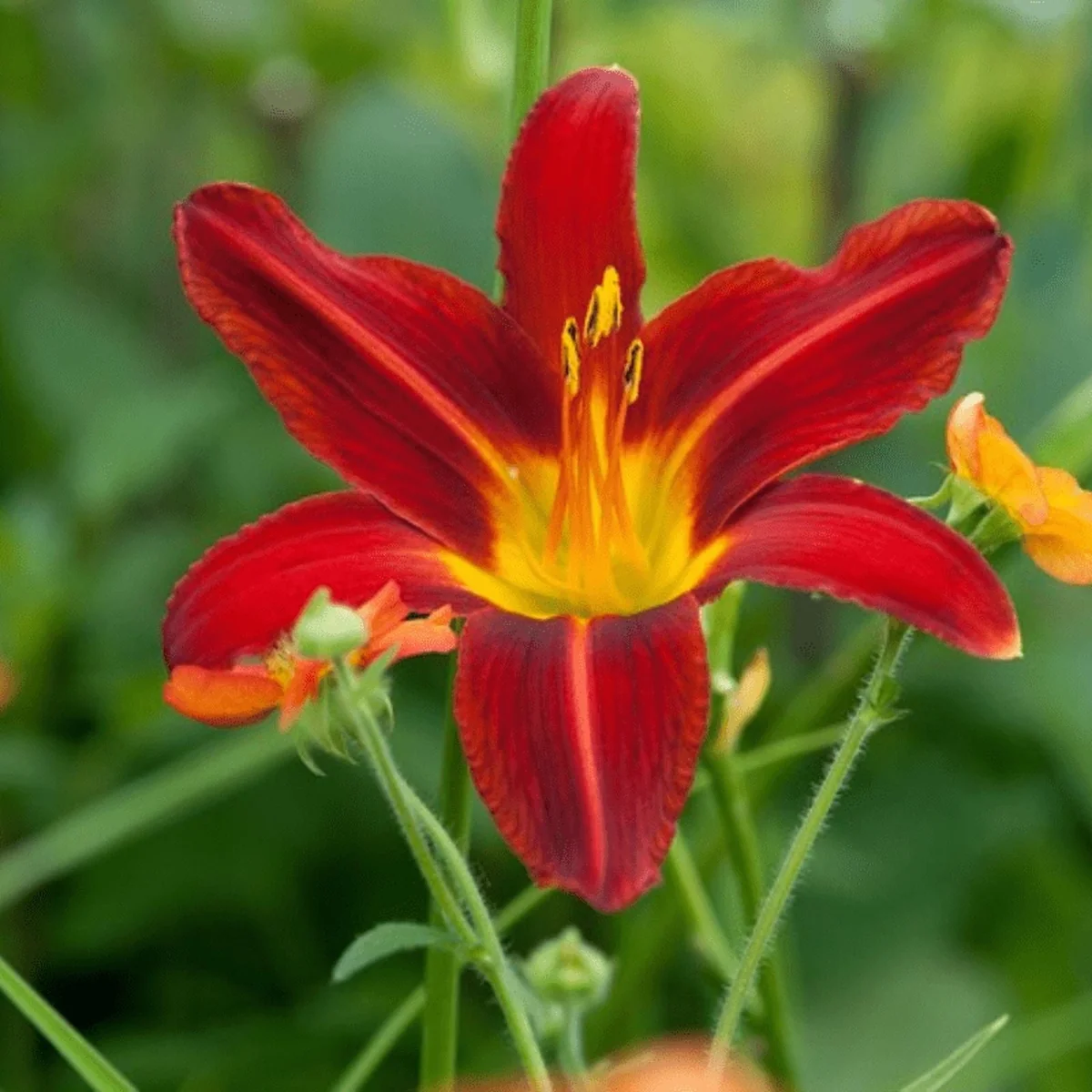
Dark Orange Daylily Bulbs – 3 Bare Roots for Planting – Outdoor Flowers
Transform your garden with a vibrant splash of color. These dark orange daylily bulbs arrive as bare roots, ready for planting to produce spectacular, resilient blooms. Ideal for gardeners seeking low-maintenance yet stunning floral displays outdoors.
Original price was: $69.99.$27.99Current price is: $27.99.

With our Alive & Thrive Guarantee, we’ve got your back for the first 30 days! If you have any concerns about your plants, just reach out to us. Our team is here to help answer your questions and guide you in selecting the best plants for your garden, climate, and unique preferences. We're excited to help you create the garden of your dreams!
Estimated arrival
Mar 30
Apr 04 - Apr 06
Apr 09 - Apr 13
Product Details
-
USDA Hardiness Zone
USDA zones 3-9 -
Soil type
Well-draining, loamy soil -
Sunlight Exposure
Full sun to partial shade -
Expected Planting Period
Early spring or late summer to early fall
Overview
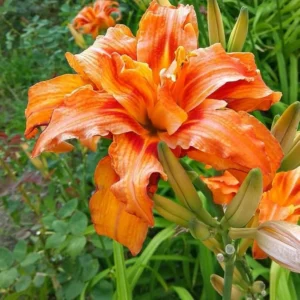
Introduce a burst of sunshine to your landscape with these magnificent dark orange daylily bulbs. Known for their robust nature and striking beauty, daylilies (Hemerocallis) are a favorite among gardeners for their ability to thrive in various conditions while requiring minimal attention. This offering includes 3 high-quality daylily bare roots, carefully prepared for optimal growth and flowering. Each bare root promises to develop into a vigorous plant, producing abundant, trumpet-shaped blooms in a rich, fiery orange hue. Perfect for borders, mass plantings, or as vibrant accents, these daylilies will provide a continuous display of color throughout the summer months. Their common name, ‘daylily,’ refers to the fact that each flower typically lasts only one day, but a mature plant produces many buds, ensuring a long season of successive blooms.
Cultivating these dark orange daylily bulbs is a rewarding experience, suitable for both novice and experienced gardeners. They are celebrated for their resilience and adaptability, making them an excellent choice for creating a beautiful and enduring garden. Prepare to be captivated by the vivid shades and the graceful form of these stunning daylily flowers, which will undoubtedly become a focal point in your outdoor space.
Key Benefits
Choosing to plant these dark orange daylily bulbs brings a multitude of advantages to your garden, enhancing its beauty and simplifying its maintenance. These benefits make them a top choice for gardeners aiming for both visual impact and practicality.
- Stunning Visual Impact: The vibrant, deep orange flowers provide a dramatic and eye-catching display, creating a focal point in any garden design. Their rich color can complement a wide range of other plants and garden aesthetics.
- Exceptional Hardiness: Daylilies are renowned for their incredible resilience. They can withstand a variety of challenging conditions, including heat, drought, and poor soil, making them a reliable choice for diverse climates.
- Long Blooming Season: While individual flowers last a day, the plants produce a continuous succession of blooms from early summer through fall, ensuring a prolonged period of color in your garden. This extended bloom time contributes significantly to garden vibrancy.
- Low Maintenance: Once established, easy care daylilies require very little attention. They are largely pest and disease resistant and do not demand frequent watering or fertilizing, making them ideal for busy gardeners.
- Versatile Landscaping Use: These daylilies are perfect for various garden applications, including perennial borders, mass plantings, ground cover on slopes, or alongside pathways. Their adaptability allows for creative landscaping solutions.
- Erosion Control: Their strong root systems can help stabilize soil on sloped areas, making them an excellent choice for erosion control while simultaneously beautifying the landscape.
- Attracts Pollinators: The bright, open blooms are attractive to beneficial pollinators like bees and butterflies, contributing to the ecological health of your garden.
Plant Care & Growing Tips
Caring for your dark orange daylily bulbs is straightforward, ensuring a beautiful display with minimal effort. Daylilies are incredibly forgiving plants, making them suitable for gardeners of all experience levels. When preparing to plant your daylily bare roots, choose a location that receives ample sunlight. Daylilies thrive in full sun, meaning at least 6 hours of direct sunlight per day, but they can also tolerate partial shade, especially in hotter climates where some afternoon shade can protect the blooms from scorching. The more sun they receive, the more abundant their blooms will be.
For soil, daylilies are not particularly fussy but prefer well-draining soil. A rich, loamy soil with a neutral to slightly acidic pH (6.0-7.0) is ideal. If your soil is heavy clay, amend it with organic matter like compost or peat moss to improve drainage. When planting, dig a hole large enough to accommodate the roots without bending them. Create a small mound of soil in the center of the hole, spread the roots over it, and ensure the crown (where the roots meet the leaves) is about an inch below the soil surface. Backfill with soil, gently firming it around the roots, and water thoroughly. Consistent moisture is crucial during the establishment phase. Once established, daylilies are quite drought-tolerant, but regular watering during dry spells will promote better flowering. Fertilize in early spring with a balanced granular fertilizer to encourage vigorous growth and more daylily flowers. Deadhead spent blooms to encourage new flower production and maintain a tidy appearance. Division every 3-5 years can rejuvenate older clumps and prevent overcrowding.
Size & Details
This offering includes 3 daylily bare roots, ready for planting. These bare roots are mature divisions, ensuring a strong start and robust growth in your garden. Each root has been carefully selected to provide you with healthy, viable planting material. Daylilies typically grow to a height of about 2-3 feet (60-90 cm) with a spread of 18-24 inches (45-60 cm) once fully mature, forming dense clumps of arching foliage. The stunning dark orange daylily bulbs will produce flowers that are approximately 4-6 inches (10-15 cm) in diameter. While individual flowers last only a day, a well-established plant can produce dozens of buds, providing continuous blooms from late spring through late summer or early fall, depending on your climate and specific variety. Expect the first blooms within the first growing season after planting, with more prolific flowering in subsequent years as the plant establishes itself. The bare root form allows for easy shipping and planting, making it a convenient option for gardeners looking to expand their perennial beds with beautiful and easy care daylilies.
Frequently Asked Questions
- Q: How big do these daylilies get? A: These daylilies typically grow to be about 2-3 feet tall with a spread of 18-24 inches, forming a substantial clump of foliage and numerous flower stalks.
- Q: Are these an indoor or outdoor plant? A: These dark orange daylily bulbs are specifically outdoor plants, ideally suited for garden beds, borders, and landscape beautification. They are not recommended for indoor cultivation.
- Q: How much sunlight do these daylilies need? A: Daylilies perform best in full sun, receiving at least 6 hours of direct sunlight daily. They can tolerate partial shade, especially in hot climates, but full sun encourages the most abundant daylily flowers.
- Q: Are these daylily bare roots easy to care for? A: Yes, daylilies are famously low-maintenance and are considered very easy to care for, making them an excellent choice for beginners and experienced gardeners alike. They are truly easy care daylilies.
- Q: What condition will the daylily bare roots arrive in? A: Your order will include 3 daylily bare roots, carefully packaged to ensure they arrive dormant and healthy, ready for immediate planting in your garden.
- Q: When is the best time to plant daylily bare roots? A: The best time to plant daylily bare roots is in early spring after the last frost, or in late summer to early fall, giving them time to establish before winter.
- Q: Will these daylilies survive winter in my zone? A: Daylilies are very hardy perennials and are generally suitable for USDA Zones 3-9. They are excellent at returning year after year, even in colder climates.
- Q: How long until these daylily bulbs bloom? A: You can typically expect your dark orange daylily bulbs to produce their first blooms within the first growing season after planting, with more prolific displays in subsequent years.
- Q: What kind of soil is best for planting daylilies? A: Daylilies prefer well-draining soil that is rich in organic matter. They can tolerate a range of soil types but perform best in loamy soil with a neutral to slightly acidic pH.
- Q: Do I need to divide daylilies? A: While not strictly necessary every year, dividing your daylilies every 3-5 years can help rejuvenate the plants, improve flowering, and prevent overcrowding.
Related products
-50%
Original price was: $63.96.$31.98Current price is: $31.98.
-50%
Original price was: $87.96.$43.98Current price is: $43.98.
-50%

Original price was: $55.96.$27.98Current price is: $27.98.
-50%
Original price was: $19.96.$9.98Current price is: $9.98.
-50%
Original price was: $59.00.$29.50Current price is: $29.50.
PLANTING & CARE

The Comprehensive Guide to Growing Bay Leaf Plants for a Flavorful Garden
Imagine stepping into your garden, greeted by the earthy aroma of fresh bay leaves, their
09
Feb
Feb

How to Make Comfrey Tea: The Ultimate Organic Plant Food
Growing an organic garden can be surprisingly expensive, especially when most store-bought fertilizers come in
02
Feb
Feb

True Comfrey: 7 Essential Tips Before You Plant This Herb
A staple in permaculture practices across the US, True Comfrey easily earns its reputation as
27
Jan
Jan

7 Heart-Shaped Plants for a Lasting Valentine’s Gift
If you’ve ever bought a bouquet of roses for Valentine’s Day, you know they are
26
Jan
Jan

Best Types of Ivy Plant for Houses: How to Choose the Perfect Ones for Your Home
Are you a garden lover looking to introduce some greenery into your home? Maybe you’ve
14
Nov
Nov

When to Harvest Garlic (Especially Fall-Planted Garlic)
TIMING IS EVERYTHING, they say – and for garlic, that truth hits with surprising accuracy.
13
Nov
Nov

11 of the Best Sweet Potato Varieties to Grow for Your Garden
If you’ve ever tried growing sweet potatoes, you know that picking the right variety can
12
Nov
Nov
Pruning Bougainvillea for Winter
Bougainvillea vines are known for their dazzling display of magenta, orange, and fuchsia bracts that
05
Nov
Nov