Dioscorea Alata Aerial Tubers – Edible Yam for Planting – Grow Your Own
Dioscorea Alata Aerial Tubers – Edible Yam for Planting – Grow Your Own
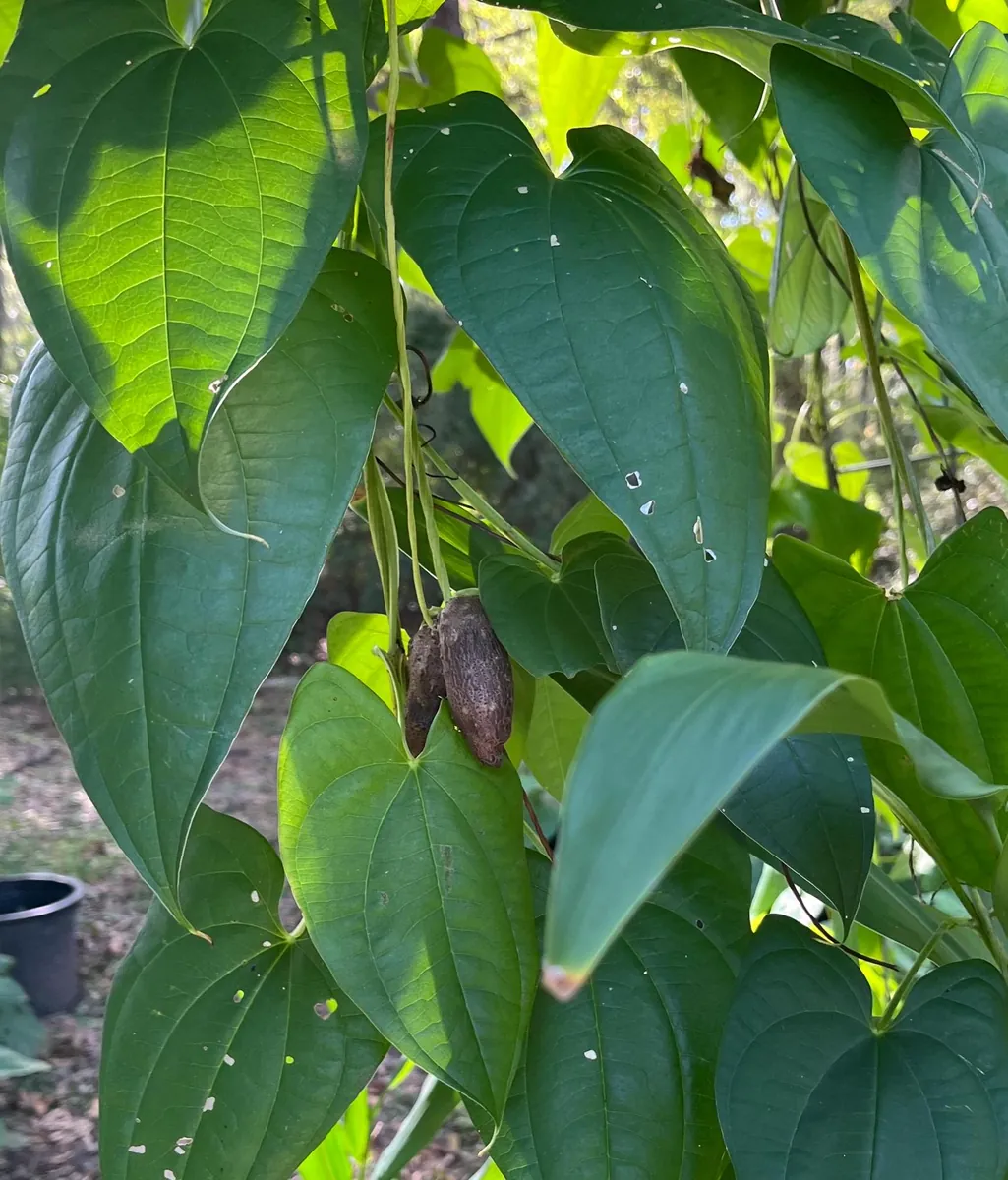
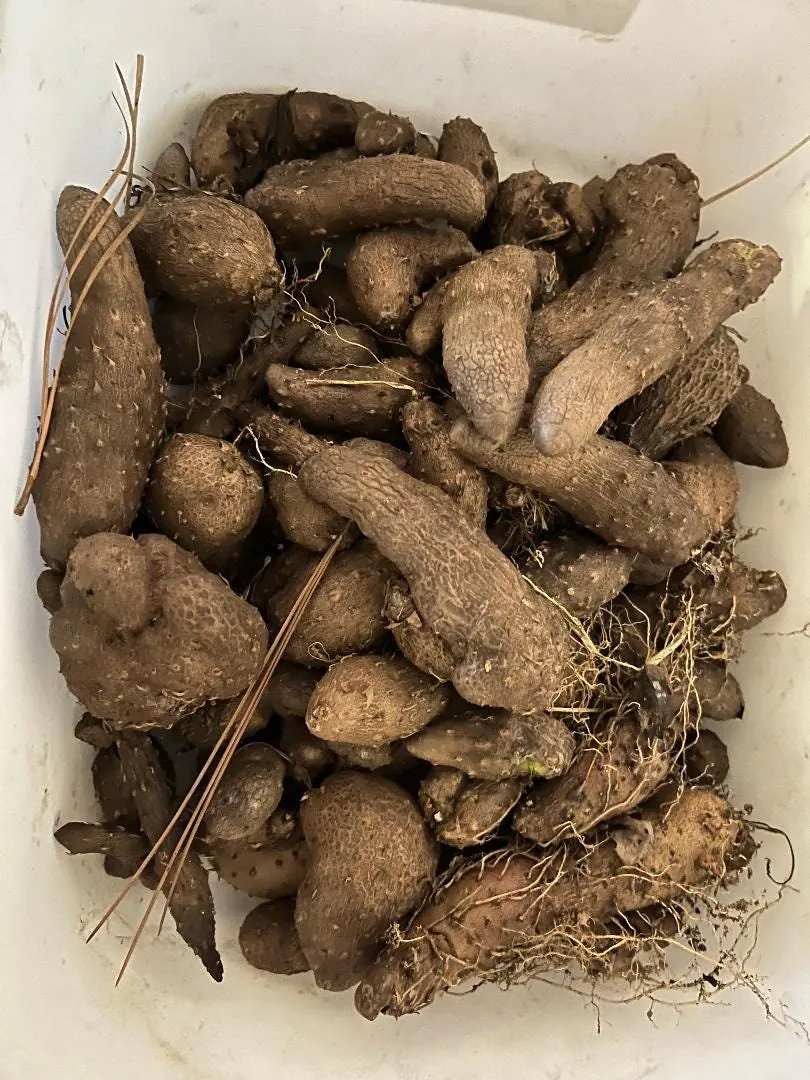
Cultivate your own delicious yams with these fresh Dioscorea alata aerial tubers. Perfect for planting, these tubers grow into large, edible yams. Enjoy a rewarding harvest of this versatile root vegetable.
$10.00

With our Alive & Thrive Guarantee, we’ve got your back for the first 30 days! If you have any concerns about your plants, just reach out to us. Our team is here to help answer your questions and guide you in selecting the best plants for your garden, climate, and unique preferences. We're excited to help you create the garden of your dreams!
Estimated arrival
Mar 31
Apr 05 - Apr 07
Apr 10 - Apr 14
Product Details
-
USDA Hardiness Zone
USDA zones 8-11 -
Soil type
Well-draining, loose, rich in organic matter -
Sunlight Exposure
Full sun (6-8 hours direct light) -
Expected Planting Period
Year-round in warm climates; Spring in cooler zones
Overview
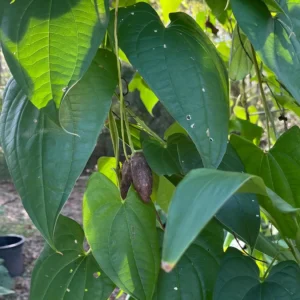
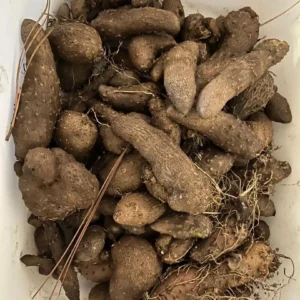
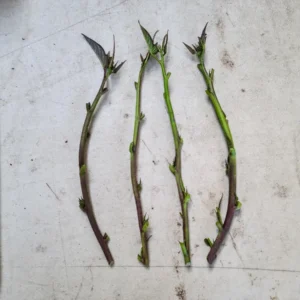
Embark on a rewarding gardening journey with these fresh Dioscorea alata aerial tubers, ready for planting and cultivation. Also commonly known as winged yam or purple yam, Dioscorea alata is a species of yam that produces delicious, starchy tubers both underground and as ‘aerial tubers’ or ‘bulbils’ on the vine. These aerial tubers are a fascinating and efficient way to propagate and grow your own yam plants. Each tuber holds the potential for a substantial harvest, offering a sustainable source of this nutritious root vegetable. Planting these tubers allows you to experience the full growth cycle, from vine development to the eventual digging of large, flavorful yams, making it an excellent project for gardeners of all skill levels.
This year’s harvest of Dioscorea alata aerial tubers provides a prime opportunity to establish your own yam patch. When you receive your aerial tubers, they are ready to be planted, beginning their journey to becoming robust yam plants. The longer the yam is left in the ground, the larger the underground tuber will be at harvest. For example, a one-year growth cycle (December to December) can yield yams weighing approximately 8 to 12 lbs, while a two-year cycle can produce impressive yams of 25+ lbs. These aerial tubers are a unique and efficient way to grow your own yam supply, offering both culinary delight and a visually interesting addition to your garden.
Key Benefits
Growing Dioscorea alata aerial tubers offers numerous advantages, transforming your garden into a productive and engaging space. These benefits extend from the ease of cultivation to the impressive yield and nutritional value of the harvested yams. Discover why adding this unique plant to your garden is a fantastic choice:
- Easy Cultivation: These aerial tubers are remarkably simple to plant and grow, making them an ideal choice for both novice and experienced gardeners. Just plant when received, and watch them flourish with minimal effort. This straightforward approach makes it easy to grow your own yam supply.
- High Yield Potential: With proper care, a single aerial tuber can produce a significant underground yam. You can expect substantial yields, with yams reaching 8-12 lbs in one year and over 25 lbs in two years, ensuring a bountiful harvest.
- Versatile Edible Crop: The harvested yams are highly versatile in the kitchen, suitable for boiling, baking, frying, or adding to stews. They are a staple food in many cultures, offering a nutritious and delicious addition to your diet. This makes it a great way to cultivate air potato for food.
- Nutritional Value: Yams are a good source of complex carbohydrates, fiber, vitamins (especially C and B6), and minerals like potassium and manganese, contributing to a healthy diet.
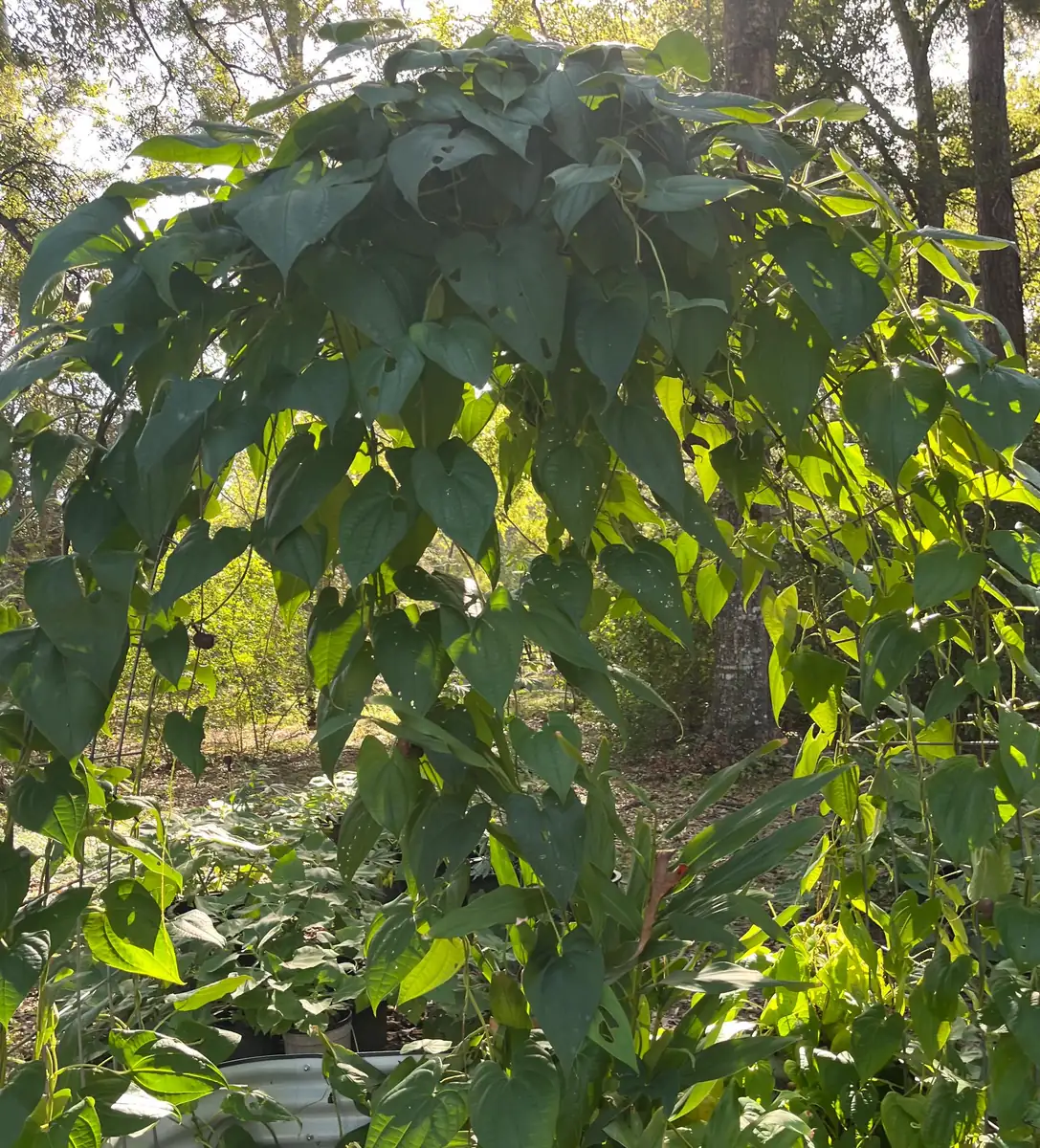
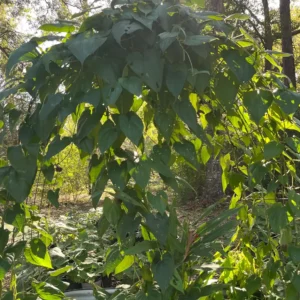
- Ornamental Value: The vigorous vines of Dioscorea alata can reach impressive lengths of 20 to 40 feet, providing excellent coverage for trellises, fences, or pergolas, adding a lush, tropical aesthetic to your garden while you cultivate air potato.
- Long Dormancy Period: The aerial tubers can stay dormant until April, offering flexibility in planting time. The underground yams can also be left in the ground until March or early April, allowing for extended harvest windows.
- Sustainable Food Source: By learning to grow your own yam, you establish a sustainable food source right in your backyard, reducing reliance on store-bought produce and promoting food security.
Plant Care & Growing Tips
To successfully grow your Dioscorea alata aerial tubers into thriving yam plants, understanding their specific care requirements is essential. These plants are relatively low-maintenance once established but benefit greatly from appropriate environmental conditions. Yams prefer a warm, tropical to subtropical climate and can be grown as annuals in cooler regions where they may not survive winter frosts. They thrive in USDA zones 8-11, though they can be cultivated in colder zones if protected or grown as annuals.
Plant your edible yam plant tubers in well-draining, loose soil that is rich in organic matter. A slightly acidic to neutral pH (6.0-7.0) is ideal. Dig a hole about 4-6 inches deep and place the tuber with the ‘eye’ (sprout end) facing upwards. Space tubers at least 12-18 inches apart to allow for ample growth. Full sun exposure (at least 6-8 hours of direct sunlight per day) is crucial for robust vine growth and tuber development. Water regularly, especially during dry periods, to keep the soil consistently moist but never waterlogged. Once vines emerge, provide a strong trellis or support structure, as they can grow up to 20-40 feet long. Fertilize with a balanced organic fertilizer every 4-6 weeks during the growing season to support vigorous growth and a healthy yam tuber planting.
Pest and disease issues are generally minimal for Dioscorea alata aerial tubers. Keep an eye out for common garden pests like aphids or spider mites, and treat with organic insecticidal soap if necessary. Ensure good air circulation to prevent fungal problems. The aerial tubers themselves are quite resilient and will remain dormant until conditions are favorable for growth, typically in spring. You can leave the main underground yams in the ground until early spring (March-April) of the following year, at which point they begin to consume the previous year’s tuber to fuel new growth. This allows for a flexible harvesting schedule for your edible yam plant.
Size & Details
These Dioscorea alata aerial tubers are freshly harvested and ready for planting. Each tuber represents the potential for a substantial underground yam, with growth directly correlating to the duration in the ground. For instance, a one-year growth period from December to December can yield a yam weighing between 8 to 12 lbs. For those seeking even larger harvests, a two-year cultivation cycle can result in impressive yams exceeding 25 lbs. The vines produced from these tubers are vigorous growers, capable of reaching lengths of 20 to 40 feet, making them excellent for covering trellises or fences. These aerial tubers offer a unique and efficient method to grow your own yam supply.
The aerial tubers themselves are typically sent as individual units, varying slightly in size but all viable for planting. They possess a natural dormancy period, allowing them to remain viable until April, at which point they will begin to sprout vines. The underground yams can be left in the ground until March or early April, when they naturally start to draw nutrients from the previous year’s tuber to initiate new growth. This product provides a fantastic opportunity for yam tuber planting and cultivating a significant food source with a fascinating growth habit.
Frequently Asked Questions
- Q: How big do these Dioscorea alata aerial tubers get? A: The aerial tubers themselves vary in size, but the underground yams they produce can be quite large. After one year, expect yams of 8-12 lbs, and after two years, they can exceed 25 lbs.
- Q: Is this an indoor or outdoor plant? A: While the tubers can be started indoors, Dioscorea alata aerial tubers are primarily grown outdoors in warm climates. The vigorous vines require ample space and sunlight.
- Q: How much sunlight does this plant need? A: For optimal growth and tuber development, the yam plant requires full sun, meaning at least 6-8 hours of direct sunlight per day.
- Q: Is this plant easy to care for? A: Yes, once established, the edible yam plant is relatively low-maintenance. Key requirements include well-draining soil, consistent watering, and a strong support structure for its climbing vines.
- Q: What condition will the aerial tubers arrive in? A: Your Dioscorea alata aerial tubers will arrive as fresh, dormant tubers, ready for immediate planting or storage until optimal planting time.
- Q: How long until I can harvest the yams? A: You can harvest yams after one year for a good size (8-12 lbs), typically from December to December, or wait two years for much larger yams (25+ lbs).
- Q: Can I use these yams in cooking? A: Absolutely! These yams are highly versatile and delicious, perfect for boiling, baking, frying, or incorporating into various savory dishes. They are excellent for those who want to grow your own yam for culinary use.
- Q: What’s the best time for yam tuber planting? A: It’s best to plant the aerial tubers when you receive them, or they can stay dormant until April for planting. The underground yams can be left in the ground until March-early April for an extended harvest.
- Q: Will it survive winter in my zone? A: In USDA zones 8-11, the underground tubers can often overwinter. In colder zones, they are typically grown as annuals, or the tubers can be dug up and stored indoors for replanting in spring.
- Q: What kind of soil is best for this plant? A: Well-draining, loose soil rich in organic matter with a pH between 6.0 and 7.0 is ideal for growing this edible yam plant.
Related products
-54%
From Original price was: $20.99.$10.49Current price is: $10.49.
-20%
Original price was: $100.00.$80.00Current price is: $80.00.
-10%
Original price was: $29.99.$26.99Current price is: $26.99.
-22%
Original price was: $160.99.$125.99Current price is: $125.99.
-25%
Original price was: $39.99.$29.90Current price is: $29.90.
-78%
Original price was: $39.99.$8.99Current price is: $8.99.
-20%
Original price was: $28.00.$22.40Current price is: $22.40.
PLANTING & CARE

The Comprehensive Guide to Growing Bay Leaf Plants for a Flavorful Garden
Imagine stepping into your garden, greeted by the earthy aroma of fresh bay leaves, their
09
Feb
Feb

How to Make Comfrey Tea: The Ultimate Organic Plant Food
Growing an organic garden can be surprisingly expensive, especially when most store-bought fertilizers come in
02
Feb
Feb

True Comfrey: 7 Essential Tips Before You Plant This Herb
A staple in permaculture practices across the US, True Comfrey easily earns its reputation as
27
Jan
Jan

7 Heart-Shaped Plants for a Lasting Valentine’s Gift
If you’ve ever bought a bouquet of roses for Valentine’s Day, you know they are
26
Jan
Jan

Best Types of Ivy Plant for Houses: How to Choose the Perfect Ones for Your Home
Are you a garden lover looking to introduce some greenery into your home? Maybe you’ve
14
Nov
Nov

When to Harvest Garlic (Especially Fall-Planted Garlic)
TIMING IS EVERYTHING, they say – and for garlic, that truth hits with surprising accuracy.
13
Nov
Nov

11 of the Best Sweet Potato Varieties to Grow for Your Garden
If you’ve ever tried growing sweet potatoes, you know that picking the right variety can
12
Nov
Nov
Pruning Bougainvillea for Winter
Bougainvillea vines are known for their dazzling display of magenta, orange, and fuchsia bracts that
05
Nov
Nov