Dutchman’s Breeches Bulbs – Dicentra Cucullaria Perennial Wildflower
Dutchman’s Breeches Bulbs – Dicentra Cucullaria Perennial Wildflower
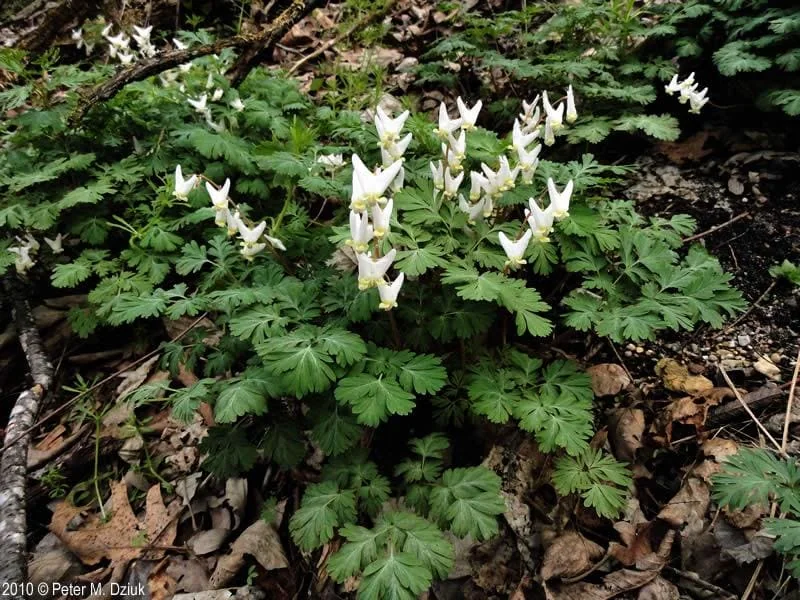
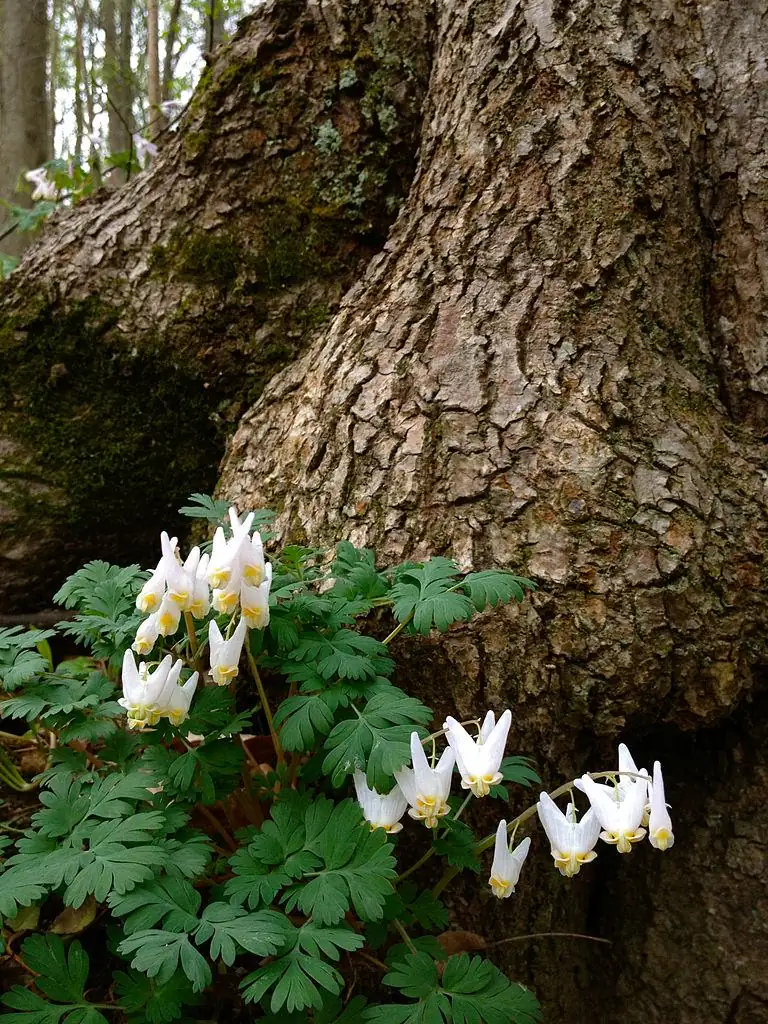
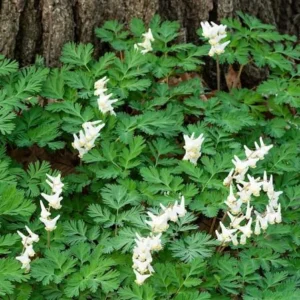
Bring the unique charm of Dutchman’s Breeches bulbs (Dicentra Cucullaria) to your shade garden. These native perennial bulbs produce distinctive white to pink flowers resembling tiny pantaloons in early spring, offering a delightful addition to moist, shady areas. Perfect for naturalizing and woodland gardens.
From $51.00

With our Alive & Thrive Guarantee, we’ve got your back for the first 30 days! If you have any concerns about your plants, just reach out to us. Our team is here to help answer your questions and guide you in selecting the best plants for your garden, climate, and unique preferences. We're excited to help you create the garden of your dreams!
Estimated arrival
Apr 01
Apr 06 - Apr 08
Apr 11 - Apr 15




Product Details
-
USDA Hardiness Zone
USDA Zones 3-7 -
Soil type
Rich, organic, moist, well-draining soil -
Sunlight Exposure
Partial to full shade -
Expected Planting Period
Fall or early spring
Overview
Introduce a touch of whimsical beauty to your garden with Dutchman’s Breeches bulbs, scientifically known as Dicentra Cucullaria. This exquisite native wildflower, belonging to the Fumariaceae family, is a true harbinger of spring, gracing landscapes with its unique blooms from March to April. Often confused with its cousin, the bleeding heart, Dicentra Cucullaria stands out with its distinctive, delicate flowers. Whether you’re an experienced gardener or just starting, planting Dutchman’s Breeches bulbs offers a rewarding experience, transforming shaded garden nooks into vibrant displays of natural elegance. These perennial bulbs are an excellent choice for creating a serene and captivating outdoor space.
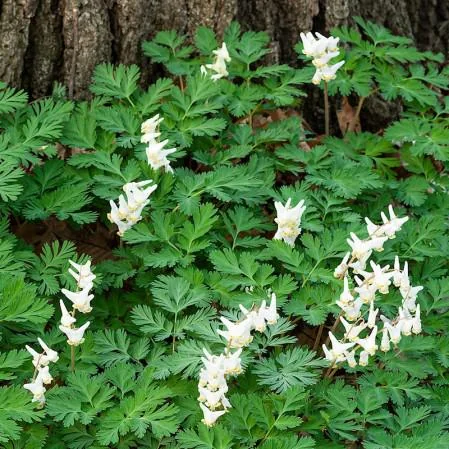
Dutchman’s Breeches bulbs are cherished for their unusual flower shape, which perfectly mimics tiny, upside-down white to pink pantaloons. This herbaceous perennial is common throughout the eastern United States, thriving in woodland settings and along stream corridors. Its finely compound leaves give the plant a fern-like appearance, adding textural interest even when not in bloom. By choosing Dutchman’s Breeches bulbs for your garden, you’re not only enhancing its aesthetic appeal but also supporting native plant ecosystems and attracting pollinators in early spring.
Key Benefits
Integrating Dutchman’s Breeches bulbs into your garden brings a multitude of benefits, both visually and ecologically. These captivating plants offer more than just beauty; they contribute to a healthy and vibrant garden environment.
- Unique Early Spring Blooms: Enjoy the distinctive white to pink, panty-shaped flowers that emerge in early spring, providing an enchanting display when many other plants are still dormant. These whimsical blooms are a true conversation starter and a highlight of the season.
- Native Wildflower Appeal: As a native wildflower, Dicentra Cucullaria is perfectly adapted to local conditions, requiring less maintenance once established and contributing to regional biodiversity. It’s an eco-friendly choice for any gardener.
- Ideal for Shade Gardens: Thriving in moist, shady areas, these bulbs are an excellent solution for those tricky spots in your garden where other plants struggle. They naturally brighten up darker corners with their delicate flowers.
- Low Maintenance Perennial: Once planted, Dutchman’s Breeches bulbs are remarkably self-sufficient, returning year after year with minimal intervention. This makes them a fantastic option for gardeners seeking enduring beauty without constant fuss.
- Attractive Foliage: Beyond their charming flowers, the finely compound, fern-like leaves of Dicentra Cucullaria provide attractive texture and greenery throughout the growing season, even after the blooms fade.
- Supports Local Ecosystems: Planting native species like Dutchman’s Breeches bulbs helps support local wildlife, including early pollinators, contributing to the health and balance of your garden’s ecosystem.
Plant Care & Growing Tips
Caring for Dutchman’s Breeches bulbs is relatively straightforward, especially when you understand their natural preferences. These resilient plants prefer conditions that mimic their native woodland habitats, making them an excellent choice for shade gardens. Proper site selection and consistent care will ensure a stunning display each spring.
For optimal growth, Dicentra Cucullaria thrives in partial to full shade. While they can tolerate some morning sun, direct afternoon sun can scorch their delicate foliage. Aim for locations under deciduous trees or on the north side of buildings where they receive dappled sunlight or consistent shade. The soil should be rich in organic matter, consistently moist but well-draining. Heavy clay soils that retain too much water can lead to rot, while sandy soils may dry out too quickly. Amending your soil with compost or leaf mold before planting will create an ideal environment for your Dutchman’s Breeches bulbs. Maintain consistent moisture, especially during dry spells in spring. However, avoid overwatering, as these plants do not like soggy feet.
Dutchman’s Breeches bulbs are hardy perennials, generally thriving in USDA zones 3-7. They are well-adapted to cold winters, which are necessary for their dormancy period. Fertilization is typically not a strict requirement if the soil is rich in organic matter. However, a light application of a balanced, slow-release granular fertilizer in early spring can boost vigor. These plants are relatively pest and disease-free. The main concern is ensuring proper drainage to prevent root rot. After blooming, the foliage will naturally yellow and die back as the plant enters dormancy for the summer, a process known as aestivation. Allow the foliage to die back naturally to return nutrients to the bulbs. This natural cycle is crucial for the plant’s health and ensures robust blooms the following spring, making it a truly resilient perennial bulbs option.
Size & Details
Dutchman’s Breeches bulbs typically grow to a modest height of 6-12 inches (15-30 cm) tall with a similar spread, forming attractive clumps. These compact plants are perfect for woodland gardens, rock gardens, or as a charming groundcover in shaded borders. They ship as dormant bare-root bulbs or small bareroot plants, ready to be planted upon arrival. The ‘rice-like seed bulbs’ mentioned in the source material refer to their small, numerous bulbils, which are how they naturally spread and reproduce. Expect blooms in early spring, typically from March to April, with the foliage persisting until early summer before the plant goes dormant. These plants are known for their relatively slow to moderate growth rate, establishing well over time to create a beautiful, naturalized display.
Frequently Asked Questions
- Q: How big does this plant get? A: Dutchman’s Breeches bulbs typically grow to be 6-12 inches tall and wide, forming compact clumps. They are a modest size, perfect for naturalizing in shaded areas.
- Q: Is this an indoor or outdoor plant? A: Dicentra Cucullaria is an outdoor perennial plant. It requires a cold dormancy period and is not suitable for indoor cultivation.
- Q: How much sunlight does it need? A: This plant thrives in partial to full shade. Morning sun is acceptable, but it should be protected from harsh afternoon sun to prevent leaf scorch.
- Q: Is this plant easy to care for? A: Yes, Dutchman’s Breeches bulbs are relatively easy to care for once established. They require consistently moist, well-draining soil and a shaded location.
- Q: When is the best time to plant Dutchman’s Breeches bulbs? A: The best time to plant these perennial bulbs is in the fall, allowing them to establish roots before winter and emerge in spring. They can also be planted in early spring.
- Q: What condition will the bulbs arrive in? A: The bulbs typically arrive dormant and bare-root, which is the ideal state for planting to ensure successful establishment.
- Q: Will it survive winter in my zone? A: Dutchman’s Breeches bulbs are hardy in USDA Zones 3-7, meaning they are well-adapted to surviving cold winters in these regions.
- Q: What kind of soil is best for Dicentra Cucullaria? A: They prefer rich, organic, consistently moist, and well-draining soil. Amending with compost is highly beneficial.
- Q: Do these native wildflowers attract pollinators? A: Yes, as an early spring bloomer, Dicentra Cucullaria provides a valuable nectar source for early emerging pollinators, contributing to your garden’s biodiversity.
- Q: How long until it blooms after planting? A: If planted in the fall, you can expect blooms the following spring. If planted in early spring, they may bloom in their first season, though more robust flowering often occurs in subsequent years.
| Dutchman Breeches | 10, 15, 5 |
|---|
Related products
-20%


Original price was: $31.98.$25.58Current price is: $25.58.
-20%


Original price was: $19.98.$15.98Current price is: $15.98.
-20%
Original price was: $25.98.$20.78Current price is: $20.78.
-20%
Original price was: $59.98.$47.98Current price is: $47.98.
-20%
Original price was: $51.98.$41.58Current price is: $41.58.
-20%
Original price was: $92.00.$73.60Current price is: $73.60.
-20%

Original price was: $98.00.$78.40Current price is: $78.40.
-20%
Original price was: $58.00.$46.40Current price is: $46.40.
PLANTING & CARE

Growing Glencoe Raspberry: A Complete Guide for Gardeners
If you’re looking to add something unique to your garden, look no further than the
31
Mar
Mar

The Comprehensive Guide to Growing Bay Leaf Plants for a Flavorful Garden
Imagine stepping into your garden, greeted by the earthy aroma of fresh bay leaves, their
09
Feb
Feb

How to Make Comfrey Tea: The Ultimate Organic Plant Food
Growing an organic garden can be surprisingly expensive, especially when most store-bought fertilizers come in
02
Feb
Feb

True Comfrey: 7 Essential Tips Before You Plant This Herb
A staple in permaculture practices across the US, True Comfrey easily earns its reputation as
27
Jan
Jan

7 Heart-Shaped Plants for a Lasting Valentine’s Gift
If you’ve ever bought a bouquet of roses for Valentine’s Day, you know they are
26
Jan
Jan

Best Types of Ivy Plant for Houses: How to Choose the Perfect Ones for Your Home
Are you a garden lover looking to introduce some greenery into your home? Maybe you’ve
14
Nov
Nov

When to Harvest Garlic (Especially Fall-Planted Garlic)
TIMING IS EVERYTHING, they say – and for garlic, that truth hits with surprising accuracy.
13
Nov
Nov

11 of the Best Sweet Potato Varieties to Grow for Your Garden
If you’ve ever tried growing sweet potatoes, you know that picking the right variety can
12
Nov
Nov