Dwarf Cavendish Banana Plant Live Starter Tree – 4-6 Inches Tall – Indoor Tropical
-50%


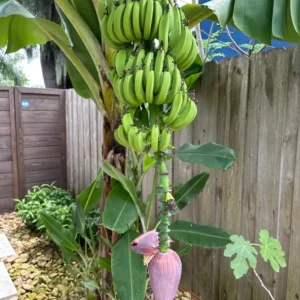
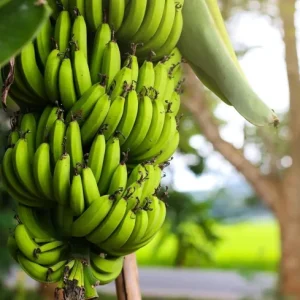
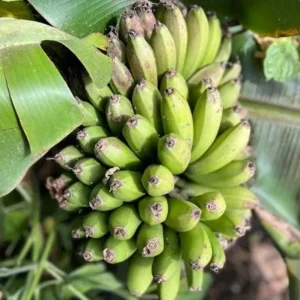
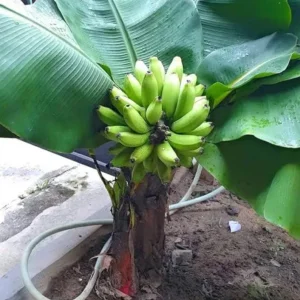
Dwarf Cavendish Banana Plant Live Starter Tree – 4-6 Inches Tall – Indoor Tropical
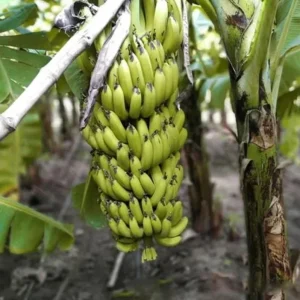
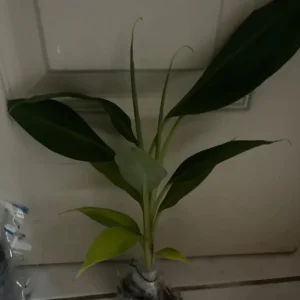
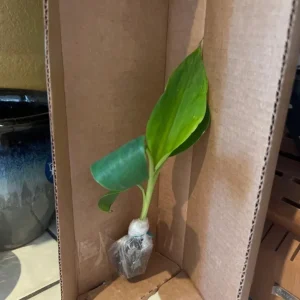
Bring tropical beauty into your home with a dwarf cavendish banana plant starter. This 4-6 inch tall live plant features large, lush leaves and is ideal as an indoor houseplant. Enjoy its fast growth and exotic appeal, perfect for adding a touch of the tropics to any space.
Original price was: $44.78.$22.39Current price is: $22.39.

With our Alive & Thrive Guarantee, we’ve got your back for the first 30 days! If you have any concerns about your plants, just reach out to us. Our team is here to help answer your questions and guide you in selecting the best plants for your garden, climate, and unique preferences. We're excited to help you create the garden of your dreams!
Estimated arrival
Apr 09
Apr 14 - Apr 16
Apr 19 - Apr 23
Product Details
-
USDA Hardiness Zone
USDA zones 9-11 (outdoors), year-round indoors -
Soil type
Rich, well-draining potting mix -
Sunlight Exposure
Bright, indirect light to partial sun -
Expected Planting Period
Year-round indoors
Overview
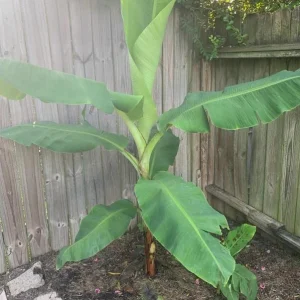
Transform your living space into a tropical oasis with the stunning dwarf cavendish banana plant. This popular and compact banana variety, scientifically known as Musa spp., is renowned for its manageable size and large, attractive foliage. Unlike its larger relatives, the dwarf cavendish banana plant typically grows to a height of under 10 feet, making it an excellent choice for indoor cultivation or protected outdoor areas in warmer climates. This fast-growing plant thrives on bright light and high humidity, offering lush greenery and exotic appeal without requiring extensive space. While it rarely fruits indoors, its vibrant leaves and vigorous growth make it a captivating addition to any plant collection, providing a continuous touch of the tropics.
Each starter plant is carefully cultivated to ensure a healthy root system, arriving ready for planting in your chosen pot or garden spot. The dwarf banana tree is perfect for enthusiasts looking to explore unique houseplants or create a tropical theme. Its robust nature and relatively straightforward care make it a rewarding plant for both novice and experienced gardeners.
Key Benefits
The dwarf cavendish banana plant offers numerous advantages, especially for those seeking to enhance their indoor or outdoor spaces with a touch of the exotic. Its unique characteristics contribute to a vibrant and engaging environment:
- Compact & Manageable Growth: This variety is specifically bred for its smaller stature, typically staying under 10 feet even when mature. This makes it an ideal choice for smaller homes, apartments, or conservatories where space is a consideration, allowing you to enjoy a banana tree without it overwhelming your area.
- Lush Tropical Foliage: The plant boasts large, paddle-shaped leaves that create a dramatic tropical statement. These vibrant green leaves are not only beautiful but also contribute to a sense of serenity and natural beauty within any room, making it a focal point.
- Fast Growth Rate: Under optimal conditions with sufficient light and humidity, the dwarf cavendish banana plant grows rapidly. This quick development means you won’t have to wait long to see your starter plant transform into a substantial and impressive specimen, providing immediate gratification.
- Excellent Indoor Houseplant: While often grown outdoors in tropical regions, this banana plant excels as an indoor houseplant in temperate climates. It adapts well to container living and provides year-round greenery, bringing a consistent tropical vibe regardless of the season outside.
- Air Purifying Qualities: Like many large-leaved plants, the dwarf banana tree contributes to improving indoor air quality by absorbing common airborne toxins and releasing oxygen. This makes your home not only more beautiful but also healthier.
- Easy to Care For: Despite its exotic appearance, this plant is relatively forgiving and easy to care for once its basic needs for light and water are met. Its resilience makes it suitable for beginners looking to venture into tropical plant care.
- Unique Aesthetic Appeal: Beyond its practical benefits, the sheer novelty and exotic beauty of growing a dwarf cavendish banana plant are undeniable. It’s a conversation starter and a unique decorative element that sets your plant collection apart.
Plant Care & Growing Tips
To ensure your dwarf cavendish banana plant thrives, providing the right environmental conditions and consistent care is crucial. This tropical gem appreciates a stable environment that mimics its natural habitat.
Sunlight Requirements: The dwarf cavendish banana plant requires bright light to flourish. Ideally, place it in a location where it receives at least 6 hours of bright, indirect sunlight daily. It can tolerate some direct morning sun, but intense afternoon sun, especially through a window, can scorch its leaves. If growing outdoors in a protected space, ensure it gets ample light but is shielded from the harshest midday rays. Insufficient light can lead to stunted growth and less vibrant foliage. To help your plant grow banana indoors effectively, consider rotating it every few weeks to ensure even light exposure on all sides.
Watering & Soil: This plant prefers consistently moist soil but absolutely abhors waterlogging, which can lead to root rot. Water thoroughly when the top 1-2 inches of soil feel dry to the touch. Ensure your pot has excellent drainage to prevent excess water from accumulating. Reduce watering slightly during the cooler, darker months when the plant’s growth slows down. The ideal soil type is a rich, well-draining potting mix. A blend specifically formulated for tropical plants or a general potting mix amended with perlite or coarse sand will provide the aeration and drainage needed. For optimal health, focus on consistent moisture rather than extreme wetness, which is key to successful cavendish banana care.
Humidity & Temperature: High humidity is vital for the dwarf cavendish banana plant. As a tropical species, it thrives in environments with 60% humidity or higher. Indoors, you can increase humidity by misting the leaves daily, placing the pot on a pebble tray filled with water, or using a room humidifier. Low humidity can cause leaf edges to brown and curl. The plant prefers warm temperatures, ideally between 65-80°F (18-27°C). Avoid exposing it to temperatures below 50°F (10°C) or sudden cold drafts, as this can severely stress the plant. USDA zones 9-11 are generally suitable for outdoor growth, but indoors, it can thrive in any zone with proper environmental control.
Fertilization & Maintenance: During the active growing season (spring and summer), fertilize your dwarf banana tree monthly with a balanced liquid fertilizer diluted to half strength. Reduce or stop fertilization during fall and winter. Large leaves may occasionally tear; this is normal and new growth will quickly replace damaged foliage. Trim any yellowed, brown, or damaged leaves with clean, sharp shears to encourage new growth and maintain the plant’s aesthetic. Regularly inspect your plant for pests and address any issues promptly to keep your tropical houseplant healthy.
Size & Details
This offering is for one healthy dwarf cavendish banana plant starter, approximately 4-6 inches tall from the base of the soil to the tip of its tallest leaf. Each plant is shipped with a robust, healthy soil root ball, ensuring it arrives ready for successful transplanting into your preferred container. While the plant’s mature height can reach up to 10 feet outdoors in ideal conditions, it typically remains smaller when grown indoors as a potted houseplant, often reaching 5-7 feet, making it a perfect fit for most indoor spaces. The large, attractive leaves can grow quite wide, contributing to its lush, tropical appearance.
The dwarf cavendish banana plant is known for its fast growth rate when provided with optimal light, water, and humidity. Expect to see noticeable growth within weeks of planting. This starter plant is not shipped in a pot, allowing for flexible planting options upon arrival. The healthy soil root ball ensures minimal transplant shock and a strong start for your new tropical addition. Plant size may vary slightly depending on the specific batch and growth stage, but all are selected for vitality and health. This is an excellent opportunity to grow banana indoors and enjoy a unique specimen.
Frequently Asked Questions
- Q: How big will my dwarf cavendish banana plant get? A: When grown indoors as a potted plant, your dwarf cavendish banana plant typically reaches a height of 5-7 feet. Outdoors in ideal tropical conditions, it can grow up to 10 feet tall. Its compact nature makes it suitable for various living spaces.
- Q: Is this an indoor or outdoor plant? A: The dwarf cavendish banana plant is versatile. It can be grown outdoors in USDA Zones 9-11 year-round. In all other zones, it thrives as an excellent indoor houseplant, bringing tropical flair to your home.
- Q: How much sunlight does this banana plant need? A: This plant requires bright, indirect light for at least 6 hours daily. It can tolerate some direct morning sun but should be protected from harsh afternoon sun, especially when grown indoors. Adequate light is crucial to help you successfully grow banana indoors.
- Q: Is this plant easy to care for? A: Yes, the dwarf cavendish banana plant is considered relatively easy to care for. Its primary needs are consistent bright light, regular watering to keep the soil moist but not waterlogged, and high humidity. Following these guidelines makes for successful cavendish banana care.
- Q: What condition will the plant arrive in? A: Your dwarf cavendish banana plant will arrive as a healthy starter plant, approximately 4-6 inches tall, with a well-developed soil root ball. It is carefully packed to ensure moisture retention and protection during transit, ready for immediate planting.
- Q: Will this dwarf banana tree produce fruit indoors? A: While it is a fruit-bearing species, the dwarf banana tree rarely produces fruit when grown indoors as a houseplant. Its primary appeal in an indoor setting is its lush, tropical foliage and decorative value.
- Q: How often should I water my tropical houseplant? A: Water your tropical houseplant when the top 1-2 inches of soil feel dry to the touch. Ensure the pot has good drainage to prevent root rot. Consistency is key, and you may need to adjust frequency based on your home’s humidity and temperature.
- Q: What kind of soil is best for this plant? A: A rich, well-draining potting mix is ideal for the dwarf cavendish banana plant. You can use a mix formulated for tropical plants or amend a standard potting mix with perlite or coarse sand to improve drainage and aeration.
- Q: How can I increase humidity for my banana plant indoors? A: To increase humidity, mist the leaves daily, place the pot on a pebble tray filled with water, or use a room humidifier. High humidity is essential for the health and appearance of your dwarf banana tree.
- Q: When is the best time to plant this starter? A: Since it’s a tropical plant, it can be planted year-round indoors. If planting outdoors in suitable zones, spring or early summer is generally best after all danger of frost has passed, allowing it time to establish before cooler weather.
Related products
-25%
Original price was: $23.80.$17.84Current price is: $17.84.
-25%
Original price was: $30.00.$22.50Current price is: $22.50.
-25%
Original price was: $20.90.$15.68Current price is: $15.68.


-30%
Original price was: $79.98.$55.98Current price is: $55.98.
PLANTING & CARE

Growing Glencoe Raspberry: A Complete Guide for Gardeners
If you’re looking to add something unique to your garden, look no further than the
31
Mar
Mar

The Comprehensive Guide to Growing Bay Leaf Plants for a Flavorful Garden
Imagine stepping into your garden, greeted by the earthy aroma of fresh bay leaves, their
09
Feb
Feb

How to Make Comfrey Tea: The Ultimate Organic Plant Food
Growing an organic garden can be surprisingly expensive, especially when most store-bought fertilizers come in
02
Feb
Feb

True Comfrey: 7 Essential Tips Before You Plant This Herb
A staple in permaculture practices across the US, True Comfrey easily earns its reputation as
27
Jan
Jan

7 Heart-Shaped Plants for a Lasting Valentine’s Gift
If you’ve ever bought a bouquet of roses for Valentine’s Day, you know they are
26
Jan
Jan

Best Types of Ivy Plant for Houses: How to Choose the Perfect Ones for Your Home
Are you a garden lover looking to introduce some greenery into your home? Maybe you’ve
14
Nov
Nov

When to Harvest Garlic (Especially Fall-Planted Garlic)
TIMING IS EVERYTHING, they say – and for garlic, that truth hits with surprising accuracy.
13
Nov
Nov

11 of the Best Sweet Potato Varieties to Grow for Your Garden
If you’ve ever tried growing sweet potatoes, you know that picking the right variety can
12
Nov
Nov