Dwarf Chinkapin Oak Tree Seedling – Quercus prinoides – 6″+ Tall – Attracts Wildlife – Outdoor
-67%
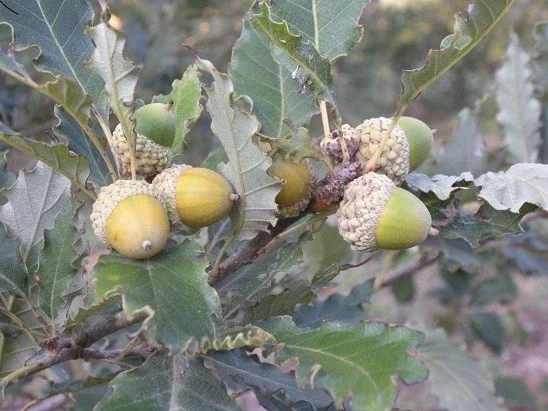
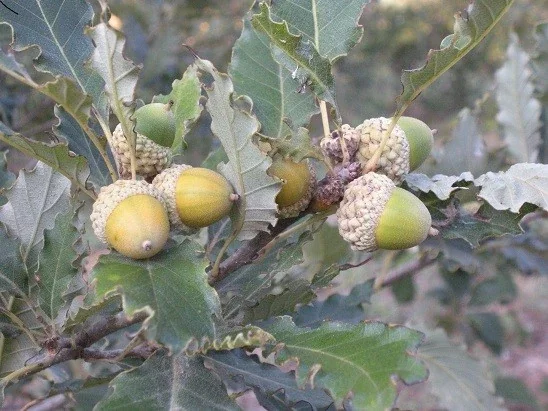
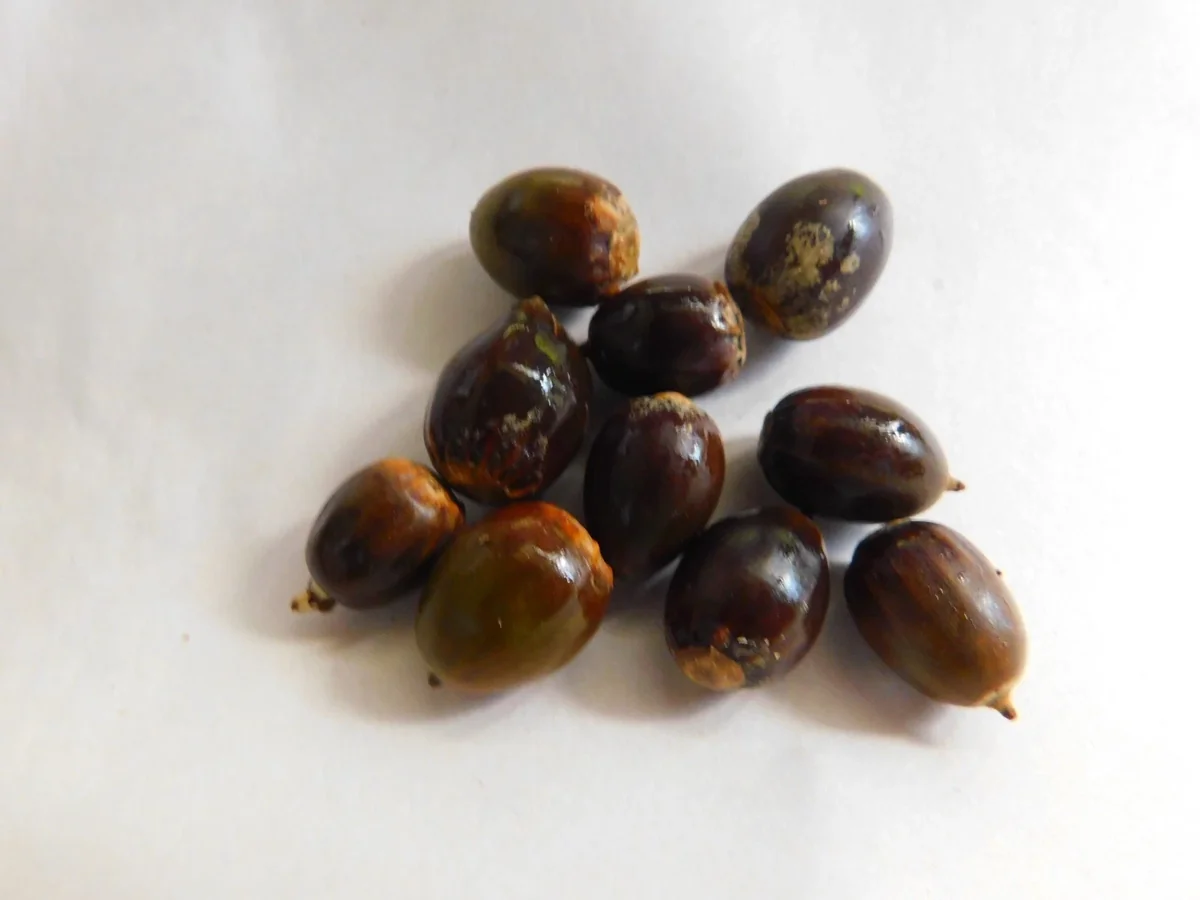

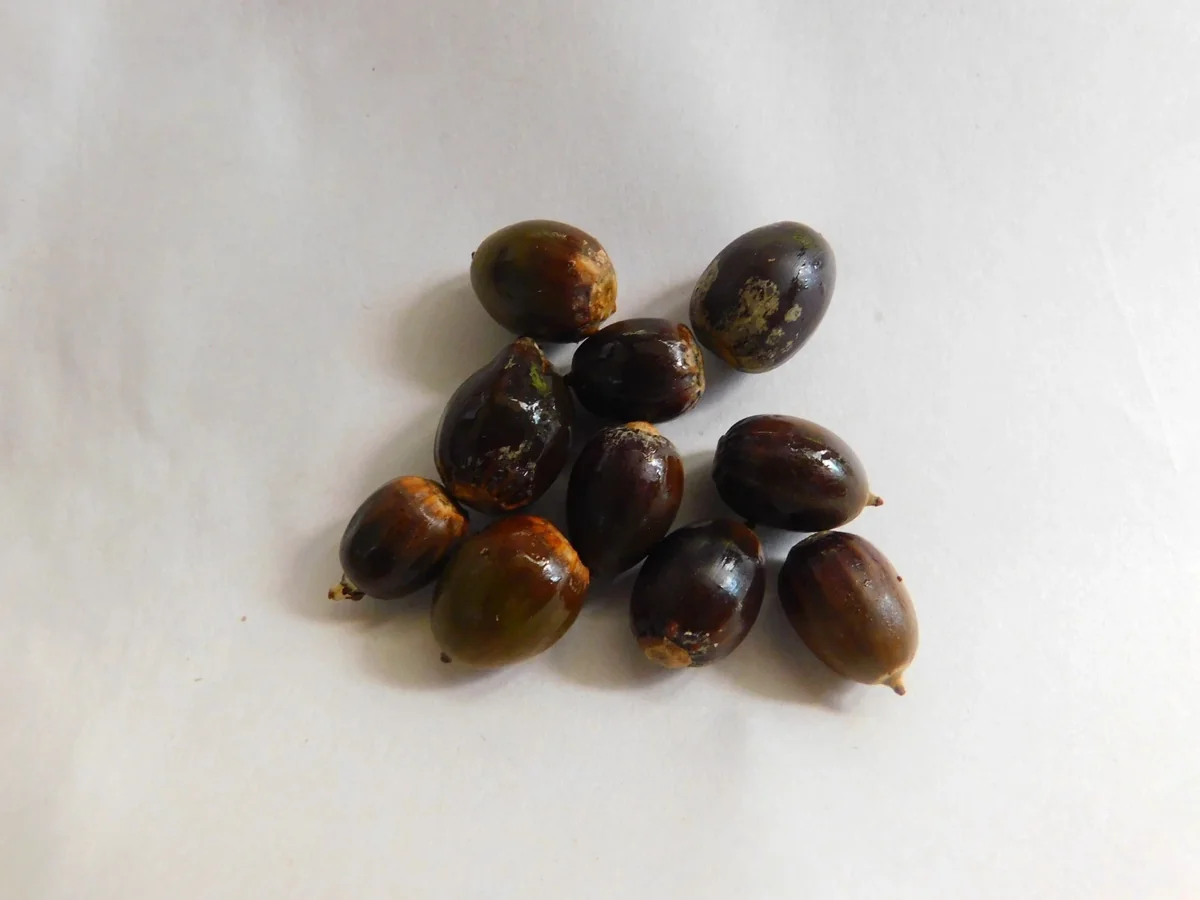
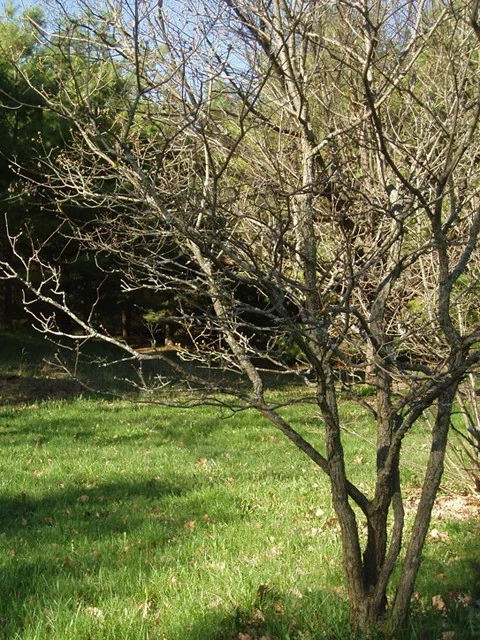
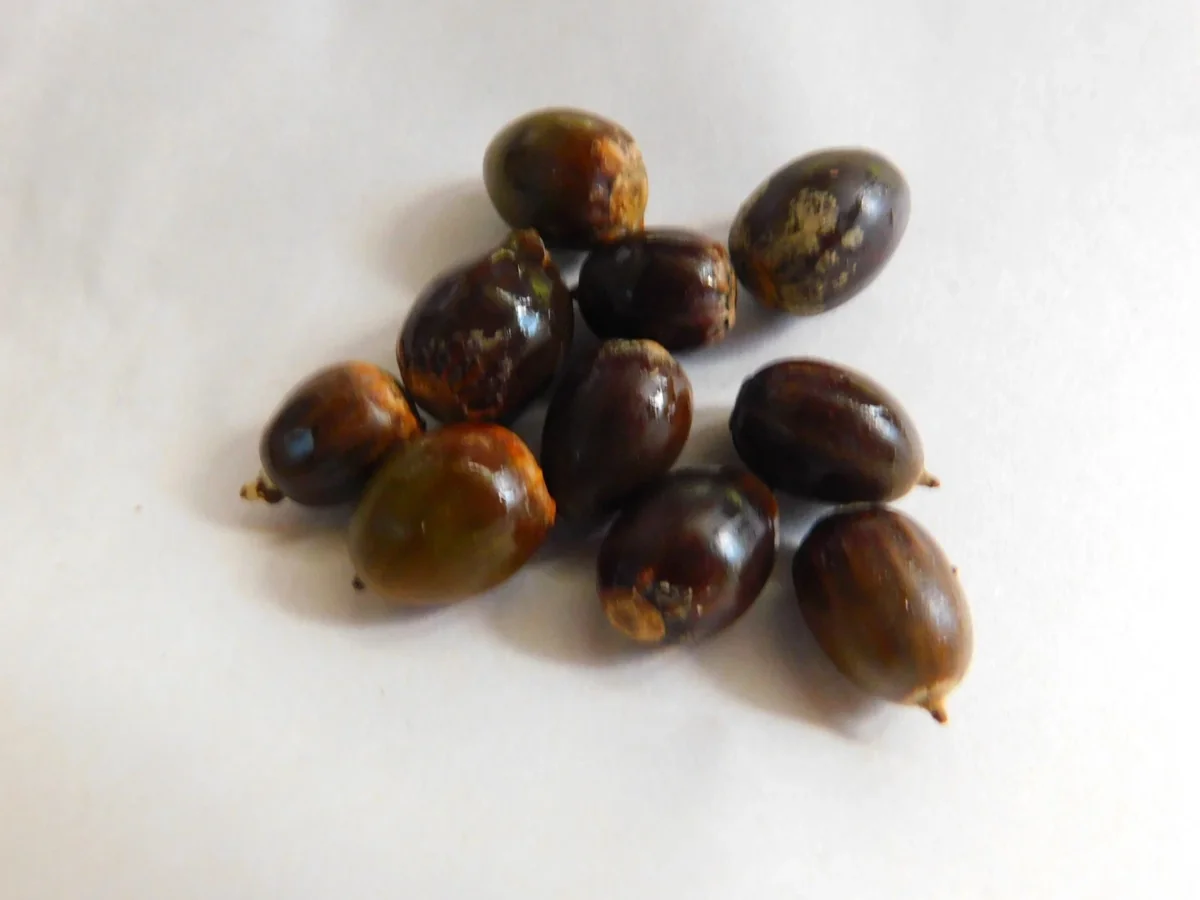

Dwarf Chinkapin Oak Tree Seedling – Quercus prinoides – 6″+ Tall – Attracts Wildlife – Outdoor
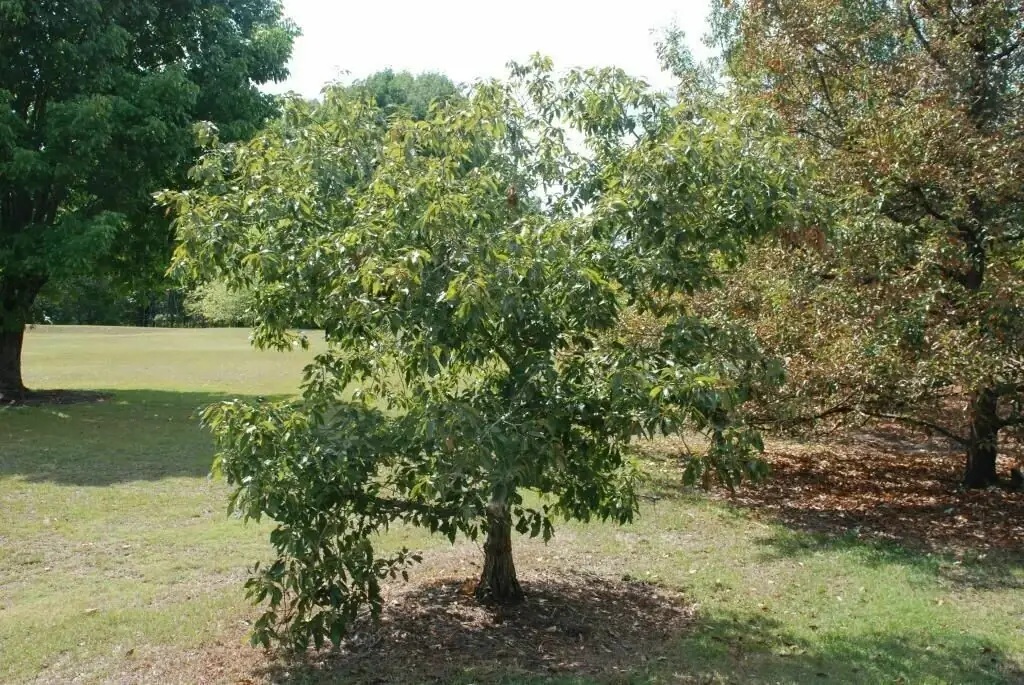
Bring nature to your garden with a dwarf chinkapin oak seedling. This 6+ inch tall Quercus prinoides tree is perfect for outdoor planting, offering edible acorns and attracting local wildlife. A hardy and adaptable scrub oak.
Original price was: $51.80.$16.99Current price is: $16.99.

With our Alive & Thrive Guarantee, we’ve got your back for the first 30 days! If you have any concerns about your plants, just reach out to us. Our team is here to help answer your questions and guide you in selecting the best plants for your garden, climate, and unique preferences. We're excited to help you create the garden of your dreams!
Estimated arrival
Apr 07
Apr 12 - Apr 14
Apr 17 - Apr 21
Product Details
-
USDA Hardiness Zone
4-8 -
Soil type
Sand, very adaptable, well-draining soil -
Sunlight Exposure
Full Sun, Partial Shade -
Expected Planting Period
Spring to Fall
Overview
Introduce a resilient and beneficial native species to your landscape with this dwarf chinkapin oak seedling. Also known by its botanical name Quercus prinoides tree, this vigorous young plant is an excellent choice for gardeners looking to enhance biodiversity and enjoy the natural beauty of a mature oak in a more compact form. The Dwarf Chinkapin Oak is a deciduous scrub oak, celebrated for its adaptability to various soil conditions and its drought tolerance once established. Standing at 6+ inches tall, this seedling is ready to begin its journey in your garden, promising years of ecological value and aesthetic appeal. It’s an ideal addition for those who appreciate native plants and wish to create a habitat that supports local fauna, making it a truly wildlife-attracting oak.
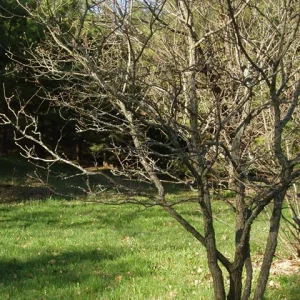
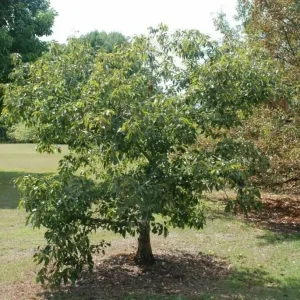
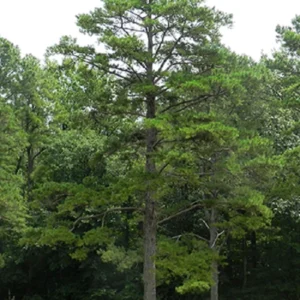
The dwarf chinkapin oak seedling is a small to medium-sized oak that typically grows as a large shrub or small tree. Its leaves are similar to those of chestnut trees, giving it a distinctive appearance. This particular seedling is a live plant, ready to be planted in your garden. While it may arrive dormant with no leaves depending on the season, this is a natural state for deciduous plants and indicates a healthy, resting plant prepared for new growth. This resilient species is a fantastic choice for a variety of landscapes, from naturalized areas to more formal garden settings where its unique form and ecological benefits can be appreciated.
Key Benefits
The dwarf chinkapin oak seedling offers a multitude of benefits for both the gardener and the environment. Its unique characteristics make it a valuable addition to any outdoor space:
- Wildlife Attraction: This oak is renowned as a wildlife attracting oak, especially for its acorns. These acorns serve as a vital food source for deer, turkeys, squirrels, and various bird species, supporting local ecosystems.
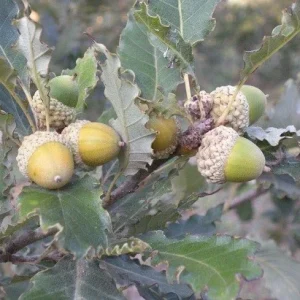
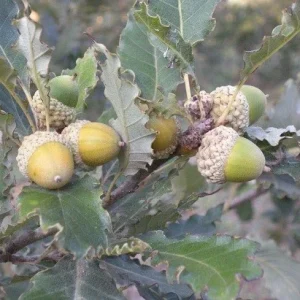
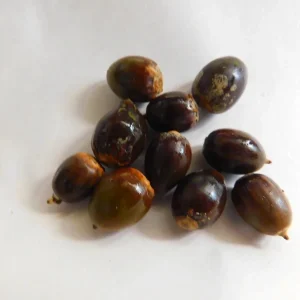
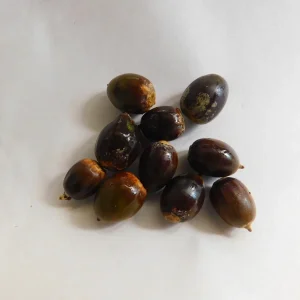
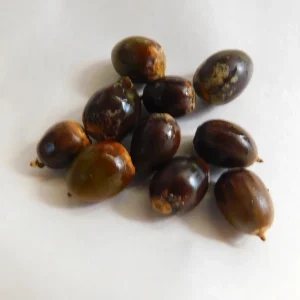
- Edible Acorns: The acorns produced by the Quercus prinoides tree are sweet and palatable, often considered one of the best tasting among native oaks. They can be harvested and processed for human consumption, providing a unique and sustainable food source.
- Drought Tolerance: Once established, the Dwarf Chinkapin Oak is highly drought-tolerant, making it an excellent choice for xeriscaping or areas with infrequent watering. This resilience contributes to its low-maintenance appeal.
- Adaptable to Various Soils: This scrub oak care is relatively easy due to its ability to thrive in a wide range of soil types, from sandy to rocky, as long as there is good drainage. Its adaptability ensures success in diverse garden conditions.
- Compact Size: Unlike many larger oak species, the Dwarf Chinkapin Oak remains relatively small, making it suitable for smaller gardens or as an understory tree. Its dwarf nature allows for versatile placement in the landscape.
- Hardy and Resilient: With a USDA Hardiness Zone of 4 (-30 to -20 °F), this oak is extremely cold hardy and can withstand harsh winter conditions, ensuring its survival and growth in many regions.
- Year-Round Interest: The deciduous foliage provides seasonal interest, turning attractive shades in the fall before dropping its leaves. Even in dormancy, its structure adds character to the winter landscape.
Plant Care & Growing Tips
Caring for your dwarf chinkapin oak seedling is straightforward, making it an excellent choice for both novice and experienced gardeners. This hardy native tree thrives with minimal intervention once established. For optimal growth, understanding its specific needs, including sunlight, soil, and watering, is key to successful scrub oak care.
Sunlight Requirements: The Dwarf Chinkapin Oak prefers full sun to partial shade. For the best growth and acorn production, aim for at least 6 hours of direct sunlight per day. While it can tolerate some shade, too much will result in sparser growth and reduced acorn yields. This adaptability to light conditions contributes to its versatility as a wildlife attracting oak in various garden settings.
Watering Schedule and Soil Moisture: During its establishment phase, typically the first year or two after planting, ensure consistent moisture. Water deeply once or twice a week, especially during dry spells. Once established, the Quercus prinoides tree is remarkably drought-tolerant and will only require supplemental watering during prolonged periods of extreme heat or drought. Avoid overwatering, as this can lead to root rot. The plant thrives in well-draining soil and does not tolerate standing water.
Soil Type and Drainage Requirements: This oak is highly adaptable and can grow in a variety of soil types, including sandy, loamy, and even rocky soils. The most critical factor is excellent drainage. It prefers a neutral soil pH but is quite tolerant of slight variations. If your soil is heavy clay, amend it with organic matter or sand to improve drainage before planting your dwarf chinkapin oak seedling. Good soil preparation will ensure a healthy start for your future edible acorn tree.
Temperature Range and USDA Hardiness Zone: The Dwarf Chinkapin Oak is incredibly cold hardy, thriving in USDA Hardiness Zones 4 (-30 to -20 °F) to 8. This wide range makes it suitable for most of the United States. It can withstand significant temperature fluctuations, from very cold winters to hot summers, showcasing its robust nature. No special winter protection is typically needed within its recommended zones.
Fertilization Schedule and Type: Generally, native trees like the Dwarf Chinkapin Oak do not require extensive fertilization once planted in appropriate soil. If your soil is poor, a balanced, slow-release fertilizer can be applied in early spring before new growth begins. Follow package instructions carefully to avoid over-fertilization, which can harm the plant. Healthy soil biology and organic matter are often sufficient to provide the necessary nutrients for a thriving dwarf chinkapin oak seedling.
Common Problems and Solutions: The Dwarf Chinkapin Oak is relatively disease and pest resistant. However, like all oaks, it can occasionally be susceptible to common oak issues such as powdery mildew or oak wilt. Ensuring good air circulation and avoiding overhead watering can help prevent fungal diseases. For pest issues, proper identification is key, and horticultural oils or insecticidal soaps can be used if necessary. Maintaining overall plant health through correct watering and sun exposure is the best defense against problems, leading to a robust edible acorn tree.
Size & Details
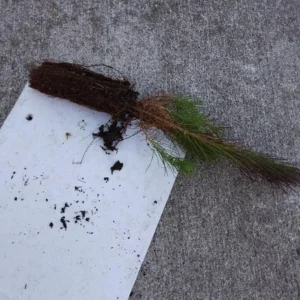
Each offering includes one dwarf chinkapin oak seedling, scientifically known as Quercus prinoides tree. These seedlings are carefully cultivated and shipped at a height of 6+ inches tall, providing you with a vigorous young plant ready for transplanting into your garden or a larger container. As a scrub oak, its mature size typically ranges from 15 to 20 feet tall with a similar spread, though it can sometimes grow larger under ideal conditions. This compact growth habit makes it an excellent choice for smaller properties or as part of a mixed border where a full-sized oak might be too large. The plant is shipped as a live seedling, and as a deciduous species, it may arrive dormant with no leaves, especially during cooler months. This is a normal and healthy state, indicating the plant is resting and ready to burst into new growth with the arrival of spring.
The dwarf chinkapin oak seedling will establish itself over the first few years, with a moderate growth rate. Acorn production typically begins when the tree is around 3-5 years old, offering a consistent food source for wildlife and a unique harvest for gardeners interested in an edible acorn tree. The foliage is deciduous, providing attractive green leaves through spring and summer, often turning yellow to russet red in the fall before dropping. This plant is sold individually, ensuring you receive one healthy specimen. Pot size is not specified but the seedling is suitable for immediate planting or potting up into a 1-gallon container for further growth before permanent placement. Its features include being dwarf, producing edible acorns, and being a significant wildlife attracting oak.
Frequently Asked Questions
- Q: How big does this dwarf chinkapin oak seedling get? A: The dwarf chinkapin oak seedling typically matures into a small tree or large shrub, reaching heights of 15-20 feet with a similar spread. Its compact size makes it suitable for various garden spaces where larger oaks might be overwhelming.
- Q: Is this an indoor or outdoor plant? A: This Quercus prinoides tree is an outdoor plant. It is a hardy native oak species designed to thrive in garden landscapes, not indoors.
- Q: How much sunlight does it need? A: For optimal growth and acorn production, the Dwarf Chinkapin Oak prefers full sun, meaning at least 6 hours of direct sunlight per day. It can tolerate partial shade, but growth may be less vigorous.
- Q: Is this plant easy to care for? A: Yes, once established, the Dwarf Chinkapin Oak is considered very low-maintenance. It is drought-tolerant and adaptable to various soil conditions, making scrub oak care relatively easy for gardeners of all experience levels.
- Q: What condition will the dwarf chinkapin oak seedling arrive in? A: The seedling will arrive as a live plant, approximately 6+ inches tall. As a deciduous tree, it may be dormant with no leaves, especially if ordered during the fall or winter months. This is normal and indicates a healthy plant.
- Q: Can I use the acorns from this tree for food? A: Yes, the Dwarf Chinkapin Oak is known for producing sweet, palatable acorns that are considered an edible acorn tree species. They can be processed and used for human consumption, making it a unique addition to your garden.
- Q: When is the best time to plant this wildlife attracting oak? A: The best time to plant your dwarf chinkapin oak seedling is in early spring or fall, allowing it ample time to establish its root system before extreme summer heat or winter cold.
- Q: What USDA Hardiness Zone is this tree suitable for? A: The Dwarf Chinkapin Oak is very cold-hardy, suitable for USDA Hardiness Zones 4 (-30 to -20 °F) through 8. This wide range makes it adaptable to many climates across the United States.
- Q: What kind of soil does this Quercus prinoides tree prefer? A: This oak is highly adaptable to various soil types, including sandy, loamy, and rocky soils. The most important requirement is well-draining soil, as it does not tolerate standing water.
- Q: Will this tree truly attract wildlife to my yard? A: Absolutely! The Dwarf Chinkapin Oak is an excellent wildlife attracting oak. Its abundant, edible acorns are a favorite food source for deer, turkeys, squirrels, and various bird species, bringing beneficial activity to your garden.
Related products
-50%
Original price was: $73.98.$36.99Current price is: $36.99.
-10%
Original price was: $36.99.$33.29Current price is: $33.29.
-10%
Original price was: $23.99.$21.59Current price is: $21.59.
-20%
Original price was: $90.00.$72.00Current price is: $72.00.
PLANTING & CARE

Growing Glencoe Raspberry: A Complete Guide for Gardeners
If you’re looking to add something unique to your garden, look no further than the
31
Mar
Mar

The Comprehensive Guide to Growing Bay Leaf Plants for a Flavorful Garden
Imagine stepping into your garden, greeted by the earthy aroma of fresh bay leaves, their
09
Feb
Feb

How to Make Comfrey Tea: The Ultimate Organic Plant Food
Growing an organic garden can be surprisingly expensive, especially when most store-bought fertilizers come in
02
Feb
Feb

True Comfrey: 7 Essential Tips Before You Plant This Herb
A staple in permaculture practices across the US, True Comfrey easily earns its reputation as
27
Jan
Jan

7 Heart-Shaped Plants for a Lasting Valentine’s Gift
If you’ve ever bought a bouquet of roses for Valentine’s Day, you know they are
26
Jan
Jan

Best Types of Ivy Plant for Houses: How to Choose the Perfect Ones for Your Home
Are you a garden lover looking to introduce some greenery into your home? Maybe you’ve
14
Nov
Nov

When to Harvest Garlic (Especially Fall-Planted Garlic)
TIMING IS EVERYTHING, they say – and for garlic, that truth hits with surprising accuracy.
13
Nov
Nov

11 of the Best Sweet Potato Varieties to Grow for Your Garden
If you’ve ever tried growing sweet potatoes, you know that picking the right variety can
12
Nov
Nov