Dwarf Everbearing Mulberry Tree – Bare Root Starter Plant – Cold Hardy Fruit Tree
-20%
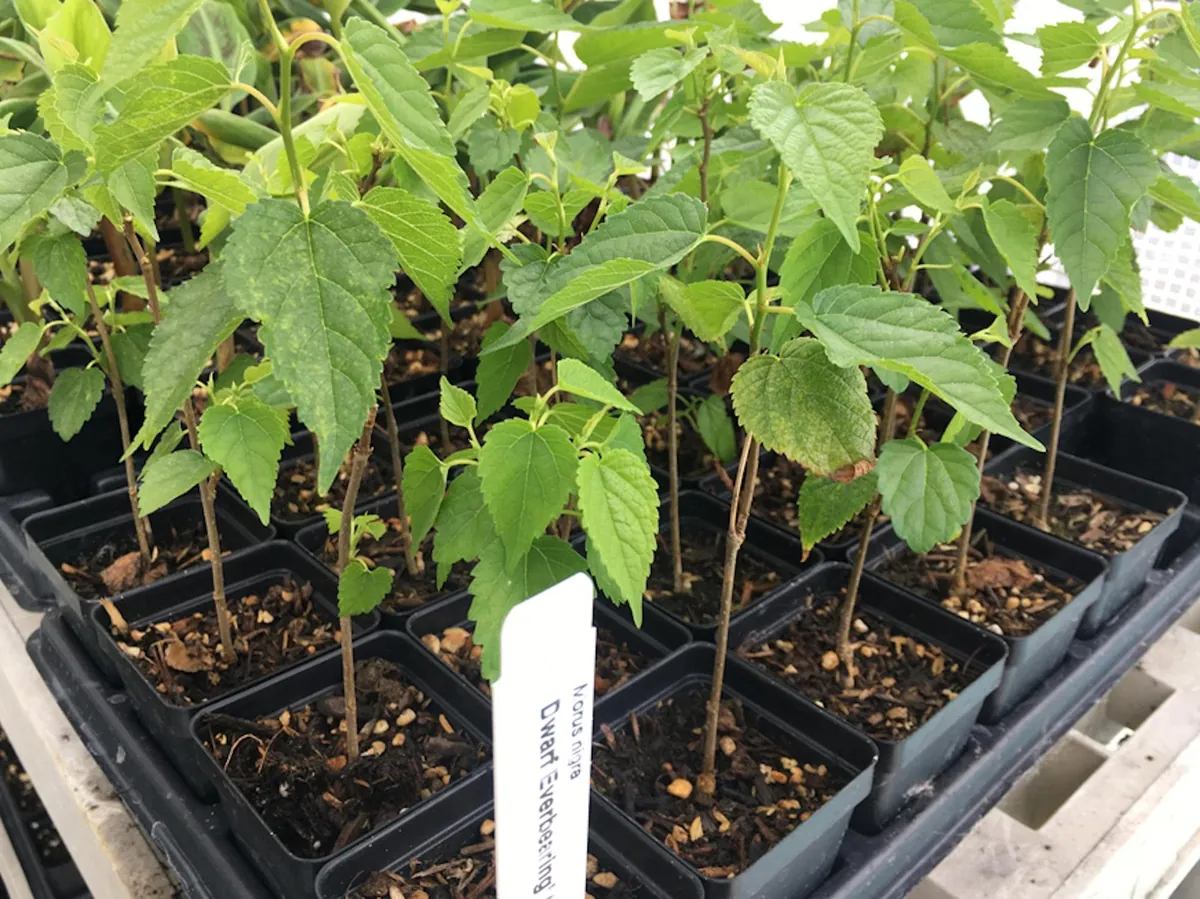
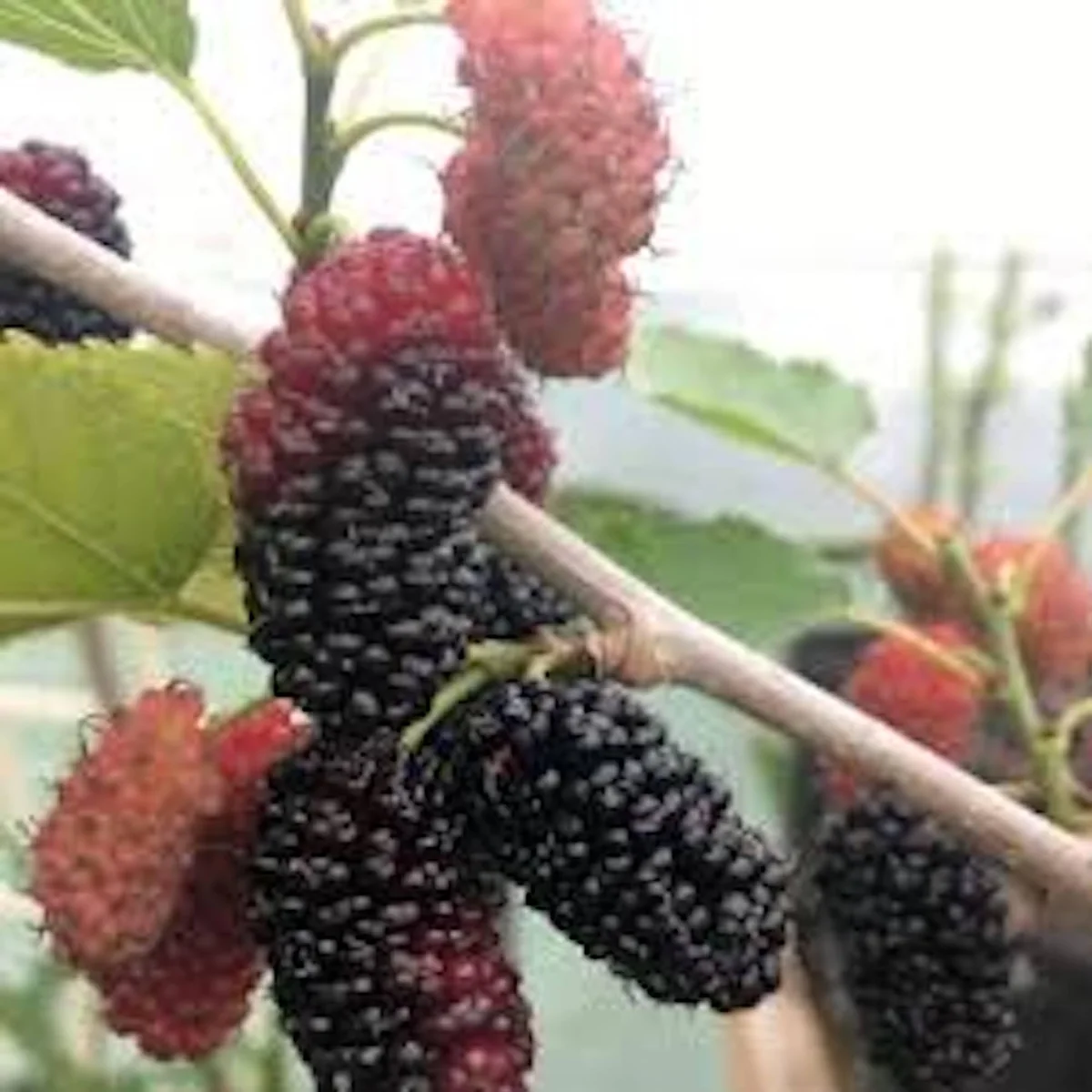
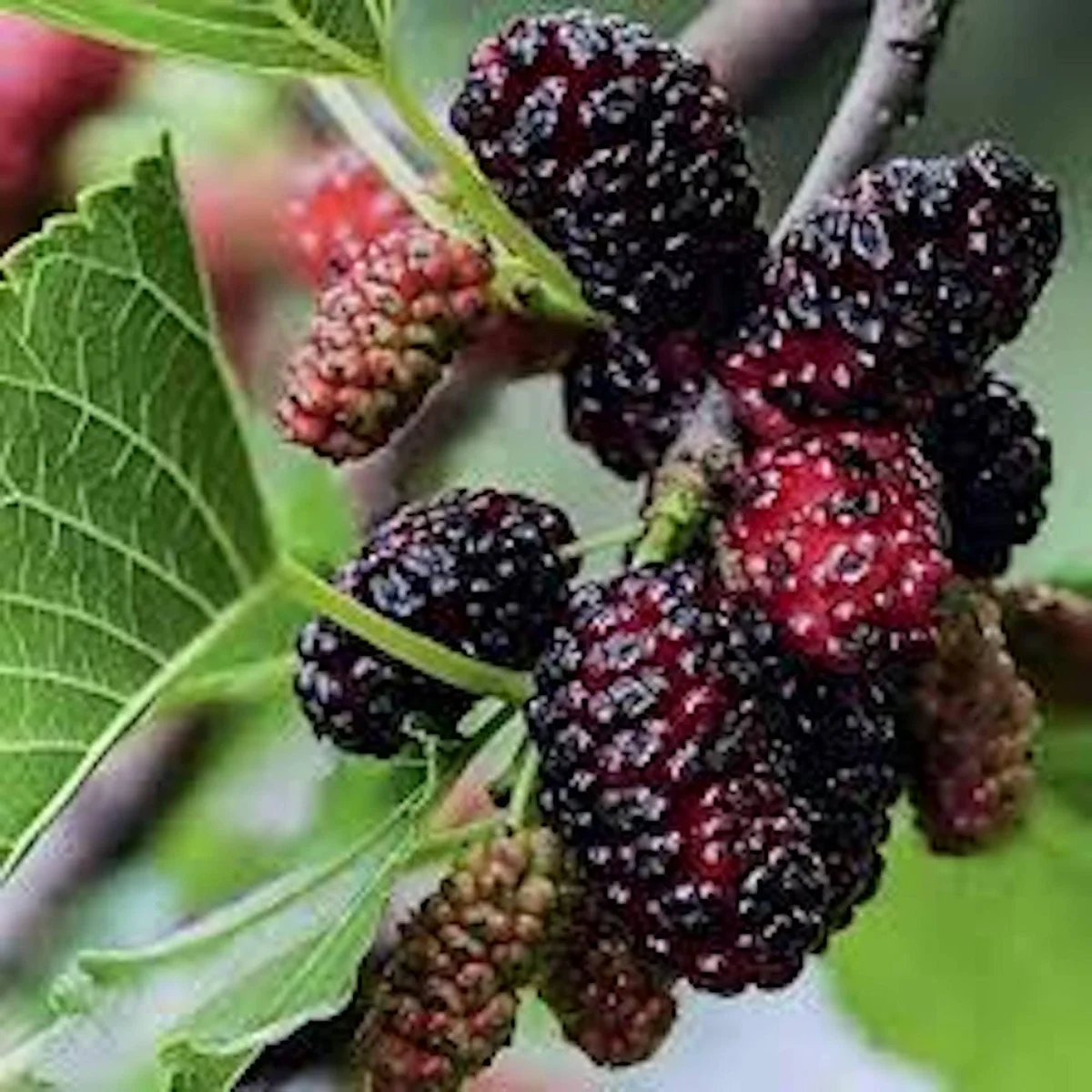
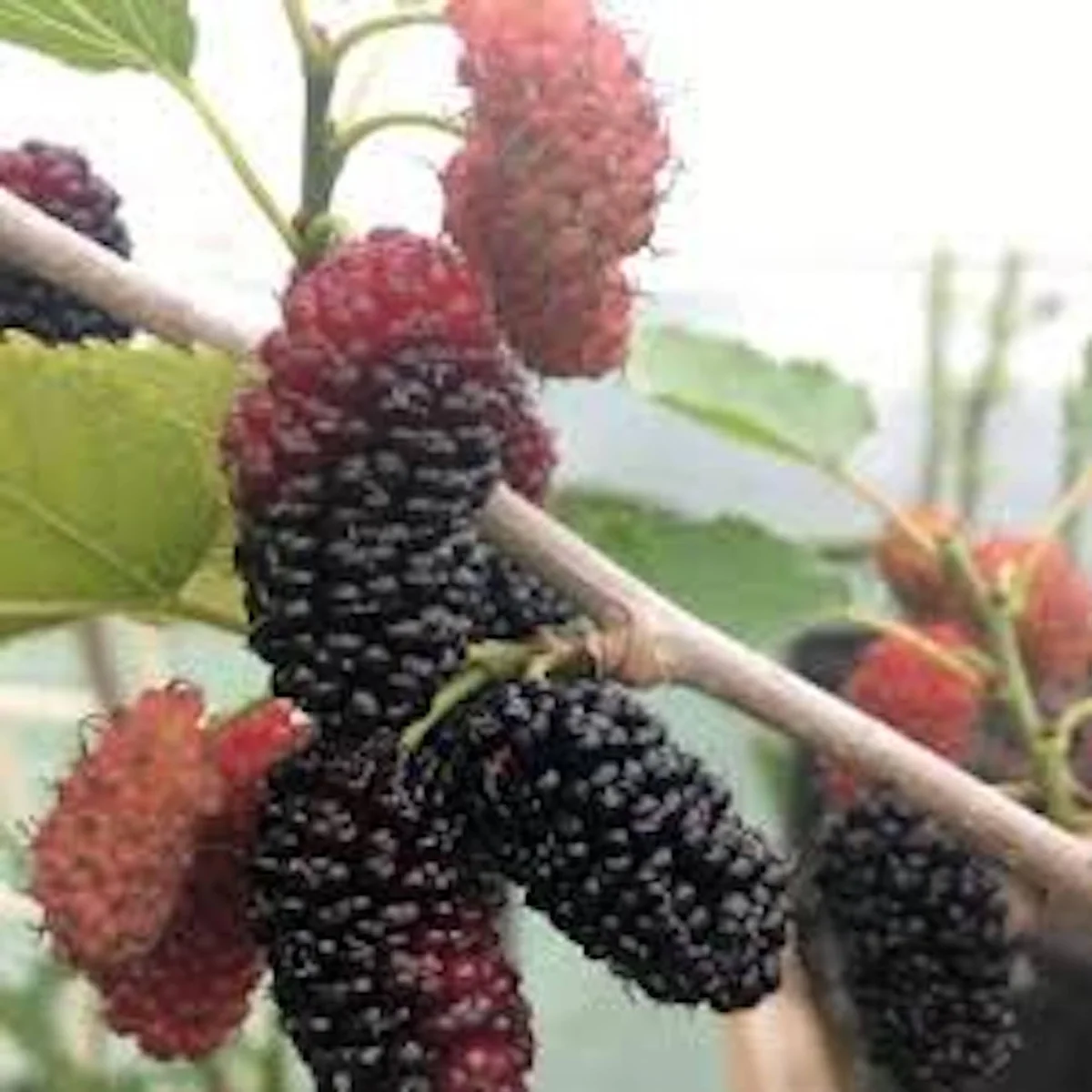
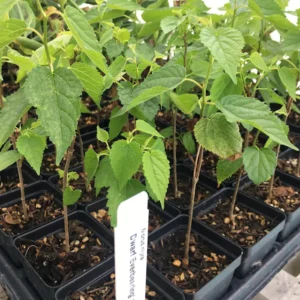
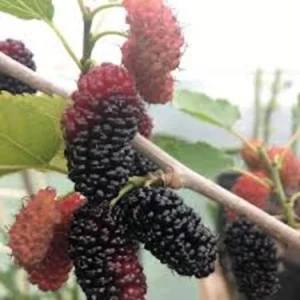
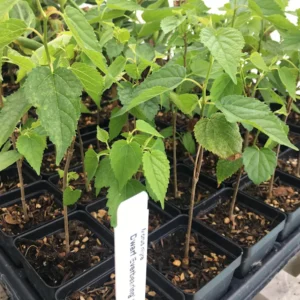
Dwarf Everbearing Mulberry Tree – Bare Root Starter Plant – Cold Hardy Fruit Tree
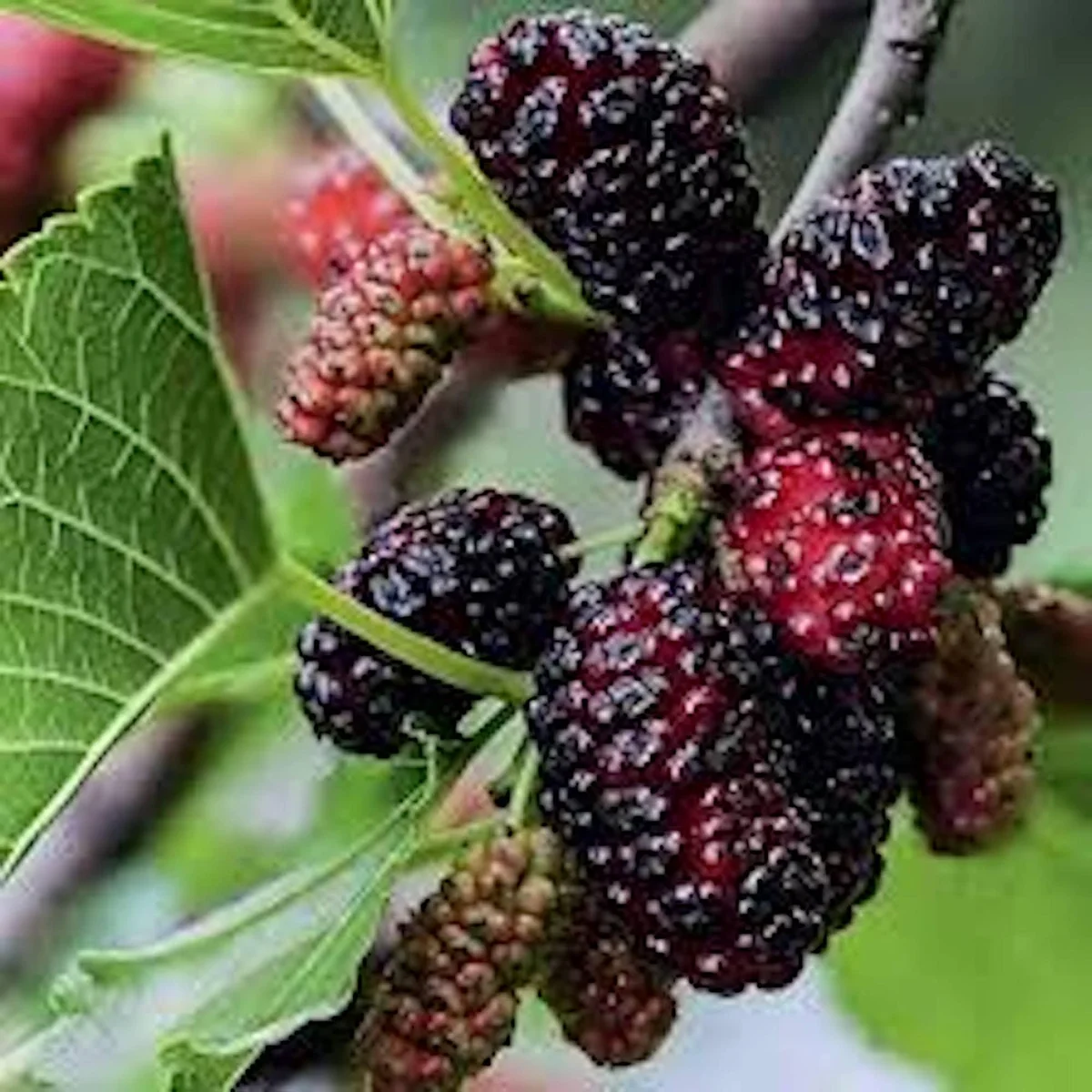
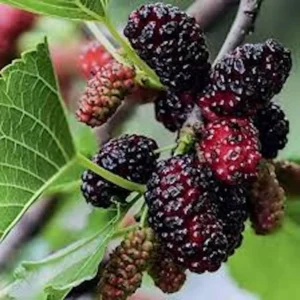
Cultivate your own sweet harvest with this dwarf everbearing mulberry tree. This bare root mulberry plant is cold-hardy and self-pollinating, perfect for home gardens.
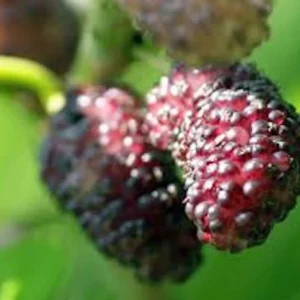
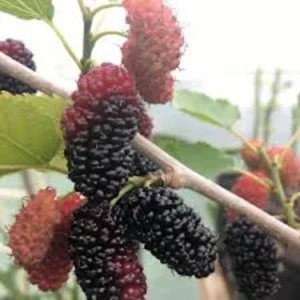
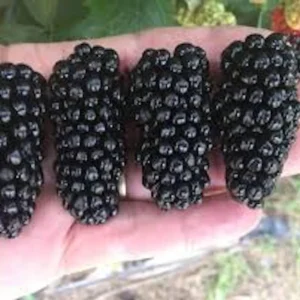
- Produces juicy, reddish-black berries
- Pest-resistant and easy to grow
- Can be trained as a tree or shrub
Original price was: $31.98.$25.58Current price is: $25.58.

With our Alive & Thrive Guarantee, we’ve got your back for the first 30 days! If you have any concerns about your plants, just reach out to us. Our team is here to help answer your questions and guide you in selecting the best plants for your garden, climate, and unique preferences. We're excited to help you create the garden of your dreams!
Estimated arrival
Mar 31
Apr 05 - Apr 07
Apr 10 - Apr 14
Product Details
-
USDA Hardiness Zone
unknown -
Soil type
well-draining soil -
Sunlight Exposure
full sun -
Expected Planting Period
early spring
Overview
Embark on your gardening journey with a remarkable dwarf everbearing mulberry tree, a fantastic addition for any home gardener seeking fresh, homegrown fruit. This offering is for a healthy, vibrant bare root mulberry plant, ready to establish itself in your garden. Known for its continuous production of sweet, juicy berries throughout the growing season, this mulberry variety is a favorite. Unlike many fruit trees, the dwarf everbearing mulberry tree is self-pollinating, meaning you only need one plant to start enjoying bountiful harvests. Its compact size makes it suitable for various garden spaces, even smaller yards or large containers.
These robust plants are celebrated for their resilience and adaptability, offering a taste of nature’s sweetness with minimal fuss. The berries are not only delicious but also a healthy treat, perfect for snacking, baking, or making jams. A mature plant will provide a delightful spectacle with its dark, abundant fruit. Preparing to plant this dwarf everbearing mulberry tree is an exciting step towards sustainable living and enjoying fresh produce right from your backyard.
Key Benefits
Adding a dwarf everbearing mulberry tree to your landscape brings a host of advantages, from its delicious fruit to its ease of care. This versatile plant offers both aesthetic appeal and practical benefits for any gardener. Discover why this tree is a superb choice:
- Continuous Fruit Production: Enjoy a prolonged harvest of juicy, reddish-black berries from late June through early fall, providing a steady supply of fresh fruit without needing to pick them as they naturally drop when ripe.
- Self-Pollinating: This variety is self-fertile, meaning you only need one tree to produce fruit, simplifying your gardening efforts and ensuring a harvest.
- Pest-Resistant: Known for its natural resistance to common pests, the dwarf everbearing mulberry tree requires less intervention and chemical treatments, promoting organic gardening practices.
- Versatile Growth Habit: Easily trained as a single-stemmed tree or allowed to grow as a multi-stemmed shrub, adapting to your desired garden aesthetic and available space.
- Early Fruiting: Many trees can begin bearing fruit within their first 1-3 years after planting, offering quicker gratification for your gardening efforts.
- Cold-Hardy: This cold hardy mulberry variety is well-suited for a wide range of climates, making it a reliable choice for many regions across the United States.
- Low Maintenance: Once established, the everbearing mulberry care requirements are relatively simple, making it an excellent choice for both experienced and novice gardeners.
Plant Care & Growing Tips
Proper care is essential for a thriving dwarf everbearing mulberry tree. These plants are generally forgiving, but understanding their basic needs will ensure a robust plant and abundant fruit. For optimal growth, your bare root mulberry plant requires a location with full sun exposure, meaning at least 6-8 hours of direct sunlight per day. While they tolerate a range of soil types, well-draining soil is crucial to prevent root rot. If your soil is heavy clay, amend it with organic matter to improve drainage and fertility.
Watering is vital, especially during the first year of establishment and during dry spells. Keep the soil consistently moist but not waterlogged. Once established, they become more drought-tolerant. Fertilize in early spring with a balanced, slow-release fertilizer designed for fruit trees. Pruning should be done in late winter or early spring while the tree is dormant. Remove any dead, damaged, or crossing branches to maintain good air circulation and shape. Regular pruning can also help manage the size of your dwarf everbearing mulberry tree and encourage fruit production. Protecting young trees from harsh winter winds in colder zones can also be beneficial, ensuring their long-term health and fruitfulness. Consistent everbearing mulberry care will lead to a healthy, productive tree.
Size & Details
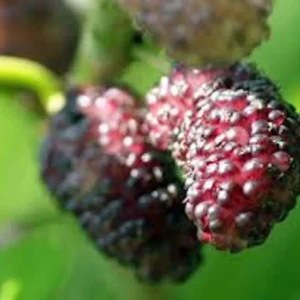
This offering includes one healthy dwarf everbearing mulberry tree provided as a bare root starter plant. Bare root plants are dormant, making them ideal for shipping and planting during cooler months. Upon planting, these starter plants will quickly establish their root systems and begin to grow. Dwarf everbearing mulberry trees typically reach a mature height of 10-15 feet with a spread of 15-20 feet, making them a manageable size for most home gardens. They produce dark reddish-black, juicy berries, about 1.5 inches long, ripening from late June to early fall. With proper everbearing mulberry care, you can expect fruit production within the first 1-3 years. The mature plant will develop leathery green leaves that fall in winter.
Frequently Asked Questions
- Q: How big does this dwarf everbearing mulberry tree get? A: A mature dwarf everbearing mulberry tree typically grows to a height of 10-15 feet and has a spread of 15-20 feet. Its size can be managed with proper pruning.
- Q: Is this an indoor or outdoor plant? A: The dwarf everbearing mulberry tree is an outdoor plant that thrives in garden settings. It is a cold hardy mulberry species suitable for various climates.
- Q: How much sunlight does it need? A: This fruit tree requires full sun exposure, meaning at least 6-8 hours of direct sunlight daily for optimal growth and fruit production.
- Q: Is this plant easy to care for? A: Yes, the dwarf everbearing mulberry tree is considered relatively easy to care for, especially once established. It’s pest-resistant and self-pollinating, reducing maintenance needs.
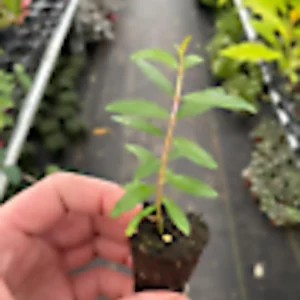
- Q: What condition will it arrive in? A: You will receive a healthy bare root mulberry plant, meaning it will arrive without soil or a pot, ready for immediate planting upon arrival.
- Q: How long until it bears fruit? A: Many dwarf everbearing mulberry trees can start producing fruit within 1-3 years after planting, given appropriate growing conditions and everbearing mulberry care.
- Q: Will it survive winter in my zone? A: This is a cold hardy mulberry variety, suitable for a wide range of USDA hardiness zones. Check your specific zone to ensure it aligns with the tree’s hardiness.
- Q: Can I train this mulberry tree into a specific shape? A: Absolutely. The dwarf everbearing mulberry tree is versatile and can be trained as a single-stemmed tree or allowed to grow as a multi-stemmed shrub, depending on your preference.
- Q: Do I need more than one tree for fruit production? A: No, this variety is self-pollinating, so you only need one dwarf everbearing mulberry tree to get fruit.
- Q: What are the berries used for? A: The juicy, reddish-black berries are excellent for fresh eating, baking, making jams, jellies, or preserves. They are a delightful homegrown treat.
Related products
-50%
Original price was: $39.98.$19.99Current price is: $19.99.
-20%
Original price was: $56.00.$44.80Current price is: $44.80.
-20%
Original price was: $36.00.$28.80Current price is: $28.80.
-20%
Original price was: $66.00.$52.80Current price is: $52.80.
-10%
Original price was: $158.00.$142.20Current price is: $142.20.
-20%
Original price was: $80.00.$64.00Current price is: $64.00.
PLANTING & CARE

Growing Glencoe Raspberry: A Complete Guide for Gardeners
If you’re looking to add something unique to your garden, look no further than the
31
Mar
Mar

The Comprehensive Guide to Growing Bay Leaf Plants for a Flavorful Garden
Imagine stepping into your garden, greeted by the earthy aroma of fresh bay leaves, their
09
Feb
Feb

How to Make Comfrey Tea: The Ultimate Organic Plant Food
Growing an organic garden can be surprisingly expensive, especially when most store-bought fertilizers come in
02
Feb
Feb

True Comfrey: 7 Essential Tips Before You Plant This Herb
A staple in permaculture practices across the US, True Comfrey easily earns its reputation as
27
Jan
Jan

7 Heart-Shaped Plants for a Lasting Valentine’s Gift
If you’ve ever bought a bouquet of roses for Valentine’s Day, you know they are
26
Jan
Jan

Best Types of Ivy Plant for Houses: How to Choose the Perfect Ones for Your Home
Are you a garden lover looking to introduce some greenery into your home? Maybe you’ve
14
Nov
Nov

When to Harvest Garlic (Especially Fall-Planted Garlic)
TIMING IS EVERYTHING, they say – and for garlic, that truth hits with surprising accuracy.
13
Nov
Nov

11 of the Best Sweet Potato Varieties to Grow for Your Garden
If you’ve ever tried growing sweet potatoes, you know that picking the right variety can
12
Nov
Nov