Dwarf Nandina Shrub Live Plant – Ornamental Red Foliage, 2.5 Inch Pot, Outdoor
-50%
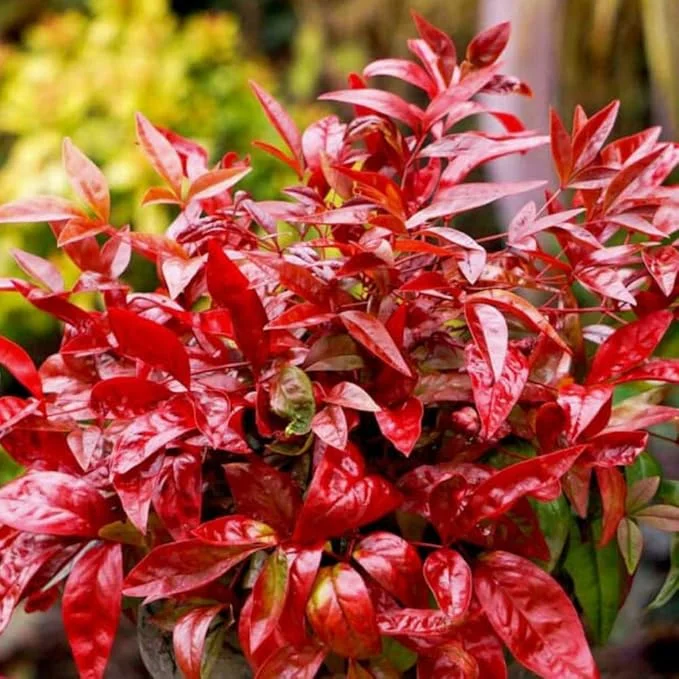
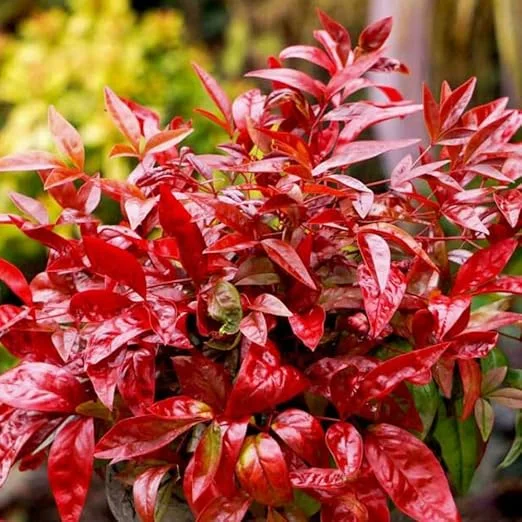
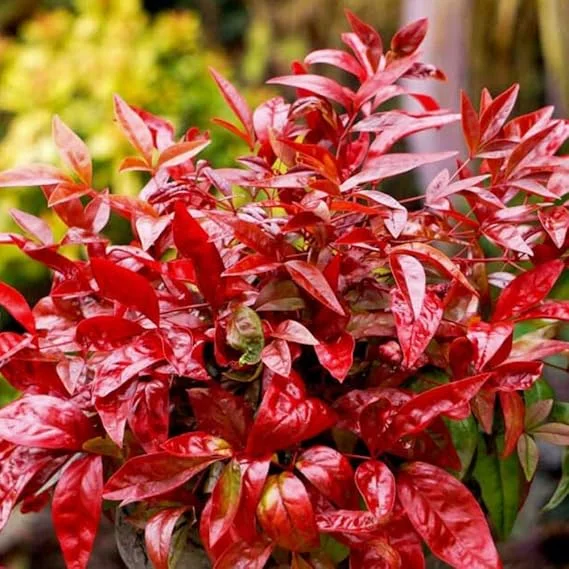
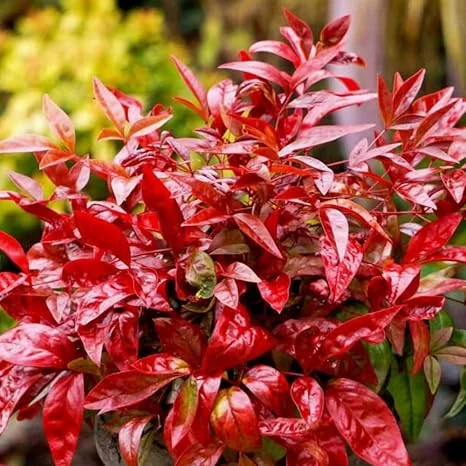
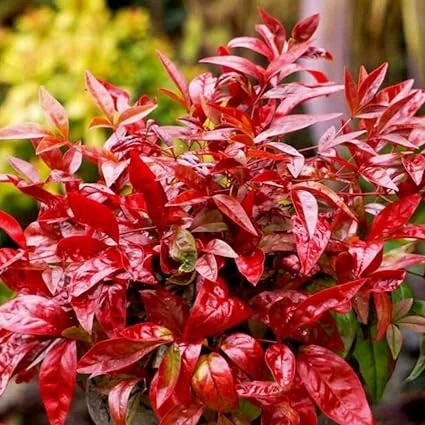
Dwarf Nandina Shrub Live Plant – Ornamental Red Foliage, 2.5 Inch Pot, Outdoor
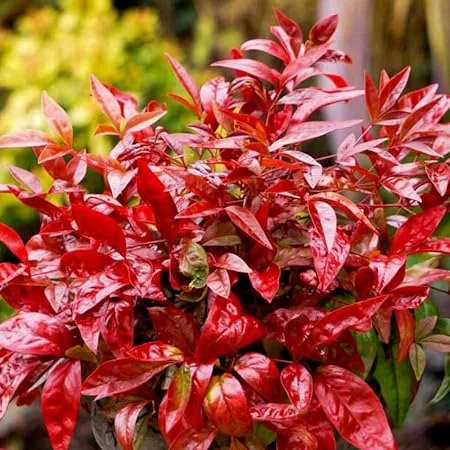
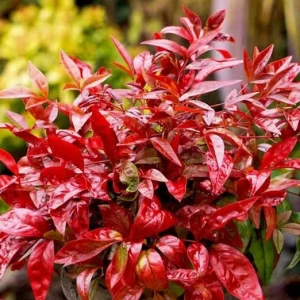
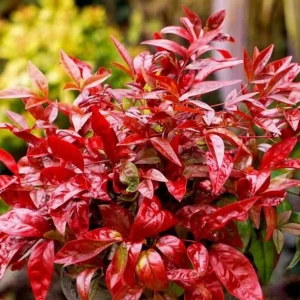
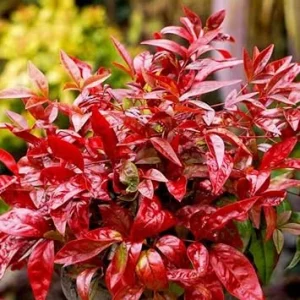
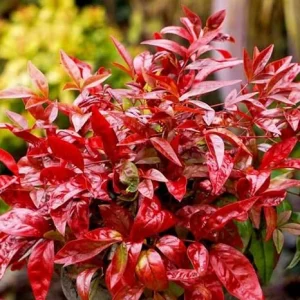
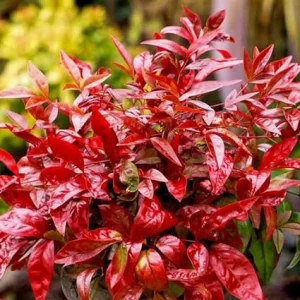
Bring year-round color to your landscape with this dwarf nandina shrub. A vibrant nandina live plant known for its bright green foliage transforming to brilliant red in cooler months. Drought-tolerant and low maintenance, ideal for various garden settings. Ships in a 2.5 inch pot.
From Original price was: $29.98.$14.99Current price is: $14.99.

With our Alive & Thrive Guarantee, we’ve got your back for the first 30 days! If you have any concerns about your plants, just reach out to us. Our team is here to help answer your questions and guide you in selecting the best plants for your garden, climate, and unique preferences. We're excited to help you create the garden of your dreams!
Estimated arrival
Mar 31
Apr 05 - Apr 07
Apr 10 - Apr 14
Product Details
-
USDA Hardiness Zone
USDA Zones 6–9 -
Soil type
Well-draining, slightly acidic to neutral soil -
Sunlight Exposure
Full sun to partial shade -
Expected Planting Period
Spring to fall (year-round in warm climates)
Overview
Discover the charm of the dwarf nandina shrub, a versatile and eye-catching addition to any garden or patio. This ornamental nandina live plant, also known as Heavenly Bamboo, despite its common name, is not a true bamboo but a member of the barberry family. It is celebrated for its dynamic seasonal interest, showcasing bright green leaves that transition into stunning shades of red and burgundy during the fall and winter months. Perfect for adding a splash of enduring color, this compact shrub is shipped in a 2.5 inch pot, ready to be planted and grown into a beautiful specimen.
The dwarf nandina shrub is an excellent choice for gardeners seeking a low-maintenance yet high-impact plant. Its compact size makes it suitable for a variety of landscaping applications, from small garden spaces to container plantings. Even when dormant in winter, its vibrant red foliage provides crucial visual interest, ensuring your garden remains captivating throughout the colder seasons. This resilient shrub promises to be a rewarding investment, offering beauty and ease of care for years to come.
Key Benefits
The dwarf nandina shrub offers a multitude of advantages, making it a favorite among garden enthusiasts. Its unique characteristics contribute significantly to both aesthetic appeal and garden resilience. This plant is not just beautiful but also incredibly practical for diverse outdoor settings.
- Stunning Seasonal Color: Enjoy a captivating display as its bright green foliage transforms into brilliant reds and purples during fall and winter, providing year-round visual interest. This makes the nandina live plant a focal point even during colder months.
- Exceptional Drought Tolerance: Once established, this shrub is highly resilient to dry conditions, requiring minimal watering. This makes it an ideal choice for water-wise gardens and busy gardeners looking for a low-maintenance option.
- Compact & Versatile Growth: Reaching a mature height of only 18-24 inches, the dwarf nandina shrub is perfect for small gardens, borders, foundation plantings, container gardens, and mass plantings. Its manageable size ensures it won’t overpower other plants.
- Adaptable to Various Zones: Thrives in USDA Zones 6–9, making it suitable for a wide range of climates across the United States. This broad adaptability ensures many gardeners can successfully grow this beautiful plant.
- Low Maintenance Care: This shrub requires minimal pruning and care, making it an excellent choice for beginners and experienced gardeners alike. Its robust nature means less time spent on upkeep and more time enjoying its beauty.
- Pest and Disease Resistant: Known for its general resistance to common garden pests and diseases, ensuring a healthier plant with fewer issues. This contributes to an easier nandina growing guide experience.
- Architectural Interest: Its upright, clumping habit provides structural interest in the landscape, creating a focal point or a lovely backdrop for other plants.
Plant Care & Growing Tips
Caring for your dwarf nandina shrub is straightforward, making it an excellent choice for gardeners of all experience levels. Understanding its basic needs will ensure a healthy and vibrant plant that provides seasonal beauty for many years. Follow this nandina growing guide for optimal results.
Sunlight Requirements: The dwarf nandina shrub performs best in full sun to partial shade. Full sun exposure (at least 6 hours of direct sunlight per day) will encourage the most intense red foliage coloration in the fall and winter. In hotter climates, some afternoon shade can be beneficial to prevent leaf scorch. Ensure your planting location provides adequate light for vibrant growth.
Watering Schedule & Soil Moisture: While highly drought-tolerant once established, young plants will require regular watering to help them settle in. Water deeply when the top inch of soil feels dry to the touch, typically 2-3 times a week during the first growing season. Reduce watering frequency once the plant is established. Good drainage is crucial, as nandinas do not tolerate soggy soil. Overwatering can lead to root rot, so always check soil moisture before watering.
Soil Type & Drainage: This nandina live plant prefers well-draining soil with a slightly acidic to neutral pH (6.0-7.0). It tolerates a variety of soil types, including sandy, loamy, or clay soils, as long as they drain well. Amending heavy clay soils with organic matter like compost or pine bark will improve drainage and aeration, creating an ideal environment for root development. Proper soil preparation is key for successful nandina care tips.
Temperature Range & USDA Hardiness Zone: The dwarf nandina shrub is hardy in USDA Zones 6–9. It can withstand winter temperatures down to -10°F (-23°C). In colder parts of its range, some foliage may drop in severe winters, but the plant typically recovers in spring. In warmer zones, it remains evergreen. Protect young plants from harsh winter winds with a layer of mulch around the base.
Fertilization: Fertilize your dwarf nandina shrub in early spring with a balanced, slow-release granular fertilizer formulated for shrubs. Follow the manufacturer’s instructions for application rates. Avoid over-fertilizing, which can lead to excessive leafy growth at the expense of flower and berry production. A light application once a year is usually sufficient for established plants.
Common Problems & Solutions: Nandinas are generally pest and disease resistant. Occasionally, aphids or scale insects may appear, which can be treated with insecticidal soap or neem oil. Yellowing leaves can indicate overwatering or nutrient deficiency; check soil moisture and consider a balanced fertilizer. Ensure good air circulation to prevent fungal issues, especially in humid environments. Consistent nandina care tips will help prevent most issues.
Size & Details
This offering is for a healthy dwarf nandina shrub, cultivated for its robust growth and ornamental appeal. Each nandina live plant comes in a 2.5 inch nursery pot, providing a strong root system ready for transplanting into your garden or a larger container. At maturity, this compact shrub typically reaches a height of 18-24 inches (approximately 45-60 cm) and spreads similarly, creating a dense and bushy form. Its slow to moderate growth rate ensures it remains manageable in smaller spaces while gradually filling out to its mature size.
The plant is shipped dormant in winter, which is a natural and healthy state for many outdoor shrubs, ensuring it establishes well in its new home. Expect vibrant new growth in spring. The 2.5 inch pot size is ideal for easy handling and planting, allowing the plant to quickly adapt to its new environment. This variety is perfect for adding consistent texture and color to your landscape design, providing a reliable and beautiful specimen for many years with appropriate nandina growing guide practices.
Frequently Asked Questions
- Q: How big does this dwarf nandina shrub get? A: This compact variety typically reaches a mature height and spread of 18-24 inches (45-60 cm). Its small size makes it ideal for various landscaping uses without becoming overgrown.
- Q: Is this an indoor or outdoor plant? A: The dwarf nandina shrub is primarily an outdoor plant, thriving in garden beds, borders, and outdoor containers. It is hardy in USDA Zones 6-9.
- Q: How much sunlight does it need? A: For the best foliage color, your nandina live plant should receive full sun (at least 6 hours of direct sunlight daily). It can tolerate partial shade, especially in hot climates, but color may be less intense.
- Q: Is this plant easy to care for? A: Yes, the dwarf nandina shrub is known for being very easy to care for. It is drought-tolerant once established and requires minimal maintenance, making it suitable for beginners.
- Q: What condition will it arrive in? A: Your nandina live plant will arrive in a 2.5 inch nursery pot, well-packaged to ensure its health during transit. If ordered in winter, it may arrive dormant, which is normal and healthy.
- Q: Is it shipped in soil? A: Yes, the plant is shipped in its nursery pot with soil, ensuring its roots remain protected and hydrated during delivery, ready for planting.
- Q: How long until it shows its red foliage? A: The bright green foliage will begin to turn red in the fall and intensifies in color throughout the winter months, providing seasonal interest.
- Q: Can I grow this dwarf nandina shrub in a container? A: Absolutely! Its compact size makes it an excellent choice for container gardening on patios, balconies, or as an accent plant. Just ensure the container has good drainage.
- Q: What are the best nandina care tips for winter? A: In its recommended zones (6-9), the shrub is generally hardy. You can add a layer of mulch around the base for extra insulation in colder areas, but it usually requires no special winter protection.
- Q: Is this plant considered invasive? A: While some nandina varieties can be invasive in certain regions due to berry production, dwarf varieties like this one tend to produce fewer berries and are generally considered less problematic. Always check local regulations.
| Size | 2.5 Inch, 4 Inch |
|---|
Related products
-50%
Original price was: $63.00.$31.50Current price is: $31.50.
-50%

Original price was: $133.98.$66.99Current price is: $66.99.
PLANTING & CARE

Growing Glencoe Raspberry: A Complete Guide for Gardeners
If you’re looking to add something unique to your garden, look no further than the
31
Mar
Mar

The Comprehensive Guide to Growing Bay Leaf Plants for a Flavorful Garden
Imagine stepping into your garden, greeted by the earthy aroma of fresh bay leaves, their
09
Feb
Feb

How to Make Comfrey Tea: The Ultimate Organic Plant Food
Growing an organic garden can be surprisingly expensive, especially when most store-bought fertilizers come in
02
Feb
Feb

True Comfrey: 7 Essential Tips Before You Plant This Herb
A staple in permaculture practices across the US, True Comfrey easily earns its reputation as
27
Jan
Jan

7 Heart-Shaped Plants for a Lasting Valentine’s Gift
If you’ve ever bought a bouquet of roses for Valentine’s Day, you know they are
26
Jan
Jan

Best Types of Ivy Plant for Houses: How to Choose the Perfect Ones for Your Home
Are you a garden lover looking to introduce some greenery into your home? Maybe you’ve
14
Nov
Nov

When to Harvest Garlic (Especially Fall-Planted Garlic)
TIMING IS EVERYTHING, they say – and for garlic, that truth hits with surprising accuracy.
13
Nov
Nov

11 of the Best Sweet Potato Varieties to Grow for Your Garden
If you’ve ever tried growing sweet potatoes, you know that picking the right variety can
12
Nov
Nov