Dwarf Red & Green Bromeliad Live Plant – 2 Pack – Indoor/Outdoor Houseplant
-50%
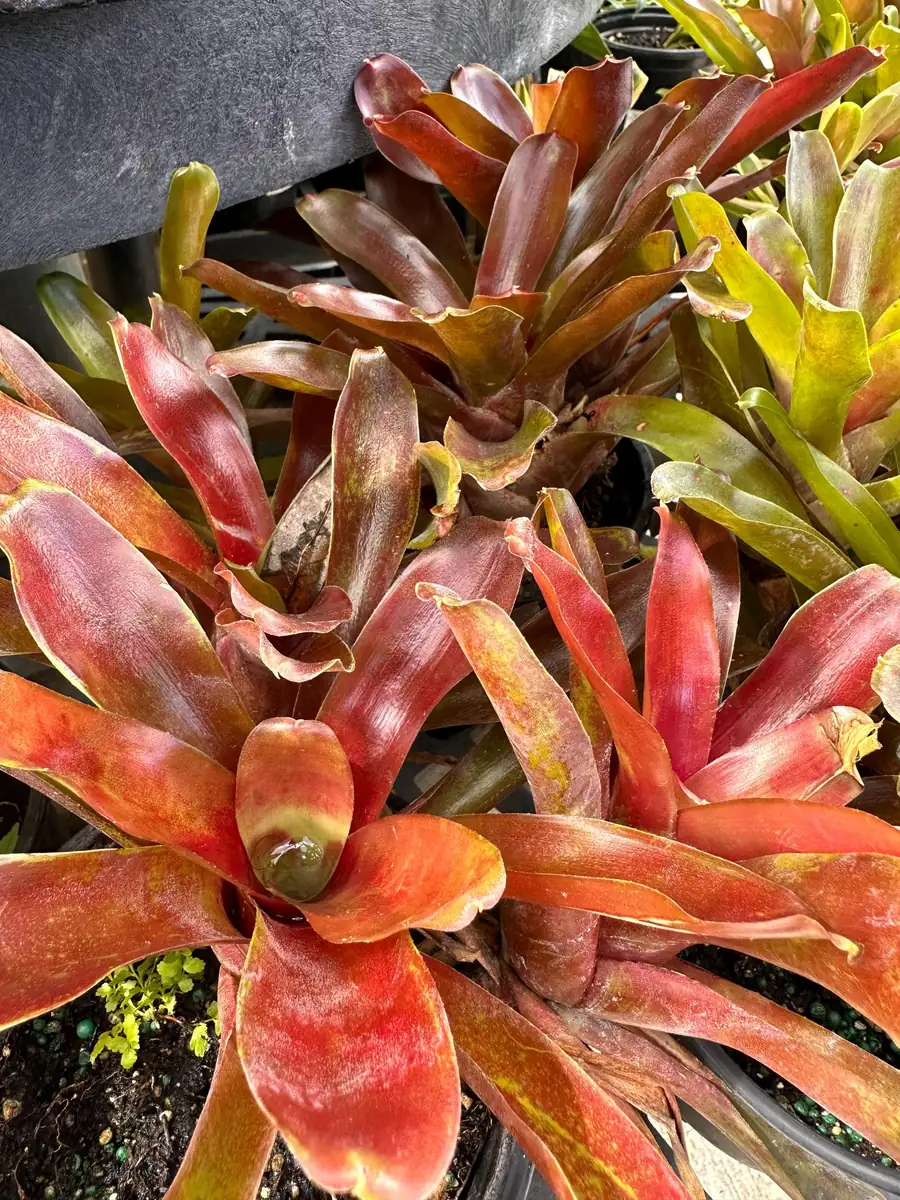
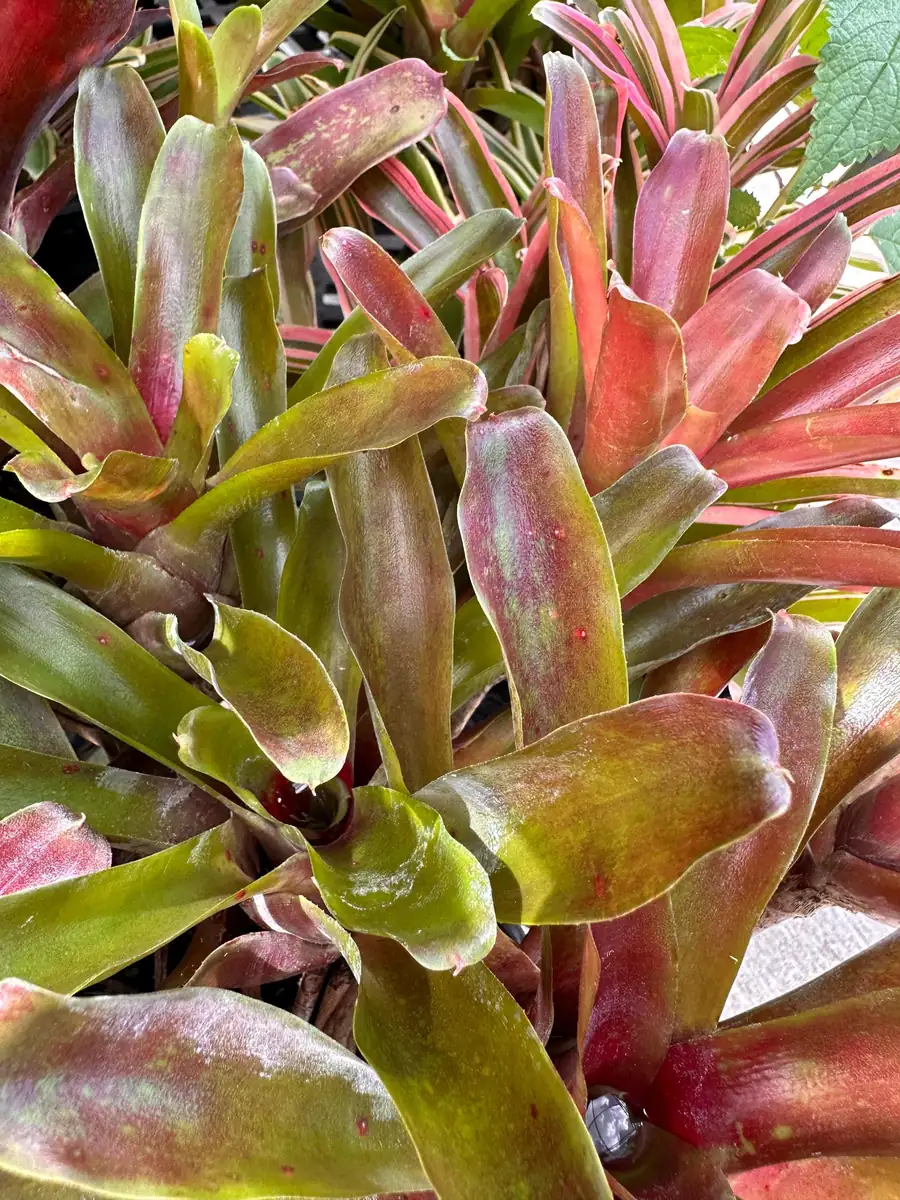

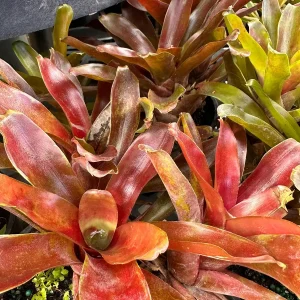
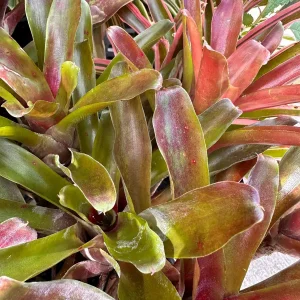

Dwarf Red & Green Bromeliad Live Plant – 2 Pack – Indoor/Outdoor Houseplant
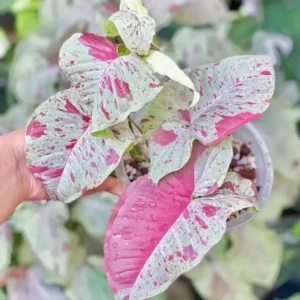
Bring a touch of the tropics to your home or garden with this stunning duo of dwarf bromeliad live plant. Featuring vibrant red and green foliage, these easy-care plants are perfect for adding year-round color and unique texture. Ideal for both indoor display and outdoor gardens in suitable climates.
Original price was: $80.00.$40.00Current price is: $40.00.

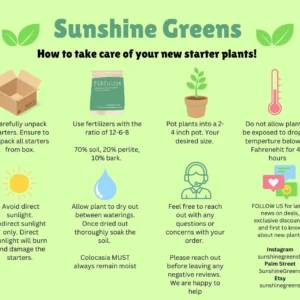
With our Alive & Thrive Guarantee, we’ve got your back for the first 30 days! If you have any concerns about your plants, just reach out to us. Our team is here to help answer your questions and guide you in selecting the best plants for your garden, climate, and unique preferences. We're excited to help you create the garden of your dreams!
Estimated arrival
Apr 13
Apr 18 - Apr 20
Apr 23 - Apr 27


Product Details
-
USDA Hardiness Zone
USDA zones 10–11 (outdoors), suitable for all zones indoors -
Soil type
Well-draining, airy potting mix (e.g., orchid mix) -
Sunlight Exposure
Bright, indirect light -
Expected Planting Period
Year-round indoors, spring to summer outdoors (in suitable zones)
Overview
Transform your living space or garden with this exquisite duo of dwarf bromeliad live plant. Known for their striking, architectural foliage, bromeliads are a fantastic choice for plant enthusiasts of all levels. This offering includes two compact plants, each showcasing a beautiful blend of red and green hues, making them a focal point wherever they are placed. Bromeliads, often referred to as the ‘Pineapple Family’ due to their relation to the fruit, are epiphytic plants that naturally grow on trees in tropical and subtropical regions. These specific dwarf varieties are cultivated to thrive in pots, making them versatile for indoor decor or as vibrant additions to outdoor landscapes where conditions permit. Their unique growth habit and long-lasting color make them a rewarding and visually appealing choice for any plant collection.
Our dwarf bromeliad live plant specimens are carefully selected to ensure health and vigor upon arrival. They are ready to be enjoyed immediately, bringing an exotic touch and a burst of color to your environment. Whether you’re looking to brighten a desk, add interest to a patio, or create a lush garden display, these bromeliads offer an effortless way to achieve a vibrant aesthetic. Their resilient nature and minimal care requirements make them an excellent choice for beginners and experienced gardeners alike.
Key Benefits
Adding a dwarf bromeliad live plant to your collection offers numerous advantages, from aesthetic appeal to ease of care. These plants are not just beautiful; they are also incredibly resilient and can thrive in a variety of settings.
- Vibrant Year-Round Color: Unlike many flowering plants, bromeliads offer long-lasting color through their foliage, which can maintain its brilliant red and green hues for many months, providing continuous visual interest. This makes them perfect for sustained decorative impact.
- Low Maintenance & Easy Care: Bromeliad plant care is surprisingly simple, making these plants ideal for busy individuals or those new to gardening. They require infrequent watering and are generally pest-resistant, allowing you to enjoy their beauty without constant fuss.
- Versatile Decor: The compact size of these dwarf bromeliads makes them suitable for a wide range of applications. They can be stunning centerpieces, add pops of color to shelves, or integrate seamlessly into mixed container arrangements both indoors and outdoors.
- Excellent Air Purifiers: Like many houseplants, bromeliads contribute to a healthier indoor environment by helping to filter toxins from the air, improving air quality in your home or office space.
- Unique Tropical Aesthetic: Their distinctive rosette form and vibrant coloration instantly evoke a tropical paradise, adding an exotic and sophisticated touch to any decor style, whether modern or traditional.
- Drought Tolerant: Bromeliads are well-adapted to periods of dryness, thanks to their ability to store water in their central cup. This resilience means they can forgive occasional neglect, making them a forgiving choice for forgetful waterers.
- Great for Gifting: Due to their beauty and ease of care, a dwarf bromeliad live plant makes a thoughtful and unique gift for any occasion, suitable for both seasoned plant lovers and those just starting their green journey.
Plant Care & Growing Tips
Caring for your dwarf bromeliad live plant is straightforward and rewarding. These resilient plants thrive with minimal attention when their basic needs are met. For optimal growth and vibrant coloration, it’s crucial to understand their preferred conditions.
Sunlight Requirements: Bromeliads generally prefer bright, indirect light. Indoors, place them near a window where they receive plenty of ambient light but are shielded from direct, intense sunlight, which can scorch their leaves. A north or east-facing window is often ideal. If growing outdoors, choose a location with dappled shade or morning sun and afternoon shade, especially in hotter climates. Too little light can result in dull foliage colors, while too much direct sun can bleach or burn the leaves of your red bromeliad plant and green bromeliad plant.
Watering Schedule & Soil Moisture: One of the most unique aspects of bromeliad plant care is their watering method. Most bromeliads absorb water through their central ‘cup’ (the rosette formed by their leaves). Keep this cup filled with fresh, clean water, flushing it out every few weeks to prevent stagnation and bacterial growth. The potting mix should be kept consistently moist but never soggy. Allow the top inch or two of soil to dry out between waterings. Use filtered water or rainwater if possible, as bromeliads can be sensitive to chemicals found in tap water. Ensure excellent drainage to prevent root rot.
Soil Type & Drainage: Bromeliads are epiphytic in nature, meaning they grow on other plants rather than in soil in their natural habitat. Therefore, they require a very well-draining, airy potting mix that mimics their natural environment. A mix designed for orchids or a blend of peat moss, perlite, and pine bark is ideal. Avoid heavy, dense soils that retain too much moisture. Good aeration is key for healthy root development.
Temperature Range & USDA Hardiness Zone: These tropical plants prefer warm temperatures, ideally between 65-80°F (18-27°C). Protect them from cold drafts and temperatures below 50°F (10°C), which can cause damage. If grown outdoors, they are generally suitable for USDA Zones 10-11, where frost is rare. In colder zones, they should be brought indoors during the cooler months, making them an excellent choice for a versatile bromeliad for gardens that can transition indoors.
Fertilization: Bromeliads are light feeders. Fertilize sparingly, about once a month during the growing season (spring and summer), using a balanced liquid fertilizer diluted to half or quarter strength. Apply the fertilizer to the central cup and also to the soil, ensuring not to over-fertilize, which can harm the plant.
Common Problems & Solutions: Overwatering of the soil can lead to root rot, while stagnant water in the cup can cause rot in the plant’s center. Ensure good air circulation around the plant. Brown leaf tips can indicate low humidity or chemical burn from tap water. Pests are rare but can include mealybugs or scale; treat with horticultural oil or insecticidal soap if spotted. Yellowing or browning leaves at the base are natural as the plant matures and prepares to produce pups.
Size & Details
This offering includes two healthy dwarf bromeliad live plant specimens, each carefully cultivated to ensure robust growth and vibrant coloration. These plants typically arrive in 4-inch nursery pots, ready for display or repotting into your chosen decorative planters. At maturity, these dwarf varieties generally reach a height of approximately 6-12 inches and a similar spread, making them perfect for tabletops, shelves, or small garden spaces. Their compact size allows for versatile placement, whether you’re creating an indoor jungle or adding a splash of color to a patio container garden. Each plant showcases a distinct rosette of foliage, with the potential for the central leaves to deepen in red intensity as they mature and receive adequate light.
These bromeliads are slow to moderate growers, offering long-lasting beauty with minimal fuss. They typically ship as actively growing plants, with established root systems, ensuring a smooth transition to their new environment. While the exact timing for blooming can vary, bromeliads are primarily admired for their stunning and enduring foliage color. After the main plant finishes its life cycle, it will typically produce ‘pups’ or offsets, allowing you to propagate and grow new plants, ensuring a continuous supply of beautiful red bromeliad plant and green bromeliad plant specimens for your collection.
Frequently Asked Questions
- Q: How big does this dwarf bromeliad live plant get? A: These dwarf varieties typically reach a mature height and spread of about 6-12 inches, making them ideal for compact spaces and tabletop displays. Their size makes them versatile for various indoor and outdoor settings.
- Q: Is this an indoor or outdoor plant? A: This dwarf bromeliad live plant is highly versatile. It thrives indoors in bright, indirect light and can also be grown outdoors in shaded or partially shaded areas, especially in USDA Zones 10-11. In colder climates, it should be brought indoors during cooler months.
- Q: How much sunlight does it need? A: Bromeliads prefer bright, indirect light. Avoid direct, harsh sunlight, which can scorch their leaves. A filtered light setting or a north/east-facing window is generally best for maintaining vibrant foliage color without damage.
- Q: Is this plant easy to care for? A: Yes, bromeliads are known for being low-maintenance and easy to care for, making them an excellent choice for beginners. Their primary needs are consistent water in their central cup and well-draining soil.
- Q: What condition will it arrive in? A: Your bromeliads will arrive as healthy, actively growing plants in their nursery pots, carefully packaged to ensure they reach you in excellent condition, ready to be enjoyed immediately.
- Q: How often should I water the red bromeliad plant? A: Keep the central cup of the bromeliad filled with fresh water, flushing and refilling it every 1-2 weeks. The potting mix should be kept lightly moist, allowing the top inch or two to dry out between waterings.
- Q: What kind of soil is best for a green bromeliad plant? A: Bromeliads require a very well-draining, airy potting mix. An orchid mix or a blend of peat moss, perlite, and pine bark is ideal to prevent waterlogging and ensure proper root aeration.
- Q: Is this plant pet-safe? A: Generally, bromeliads are considered non-toxic to pets, making them a safer choice for households with cats and dogs. However, it’s always best to discourage pets from chewing on any houseplant.
- Q: How long do bromeliads live? A: The main bromeliad plant typically lives for several years, often flowering or displaying vibrant foliage for many months. After its life cycle, it produces ‘pups’ or offsets, which can be separated and grown into new plants, ensuring continuous enjoyment.
- Q: Can I use this bromeliad for gardens in a container? A: Absolutely! Dwarf bromeliads are excellent for container gardening, both indoors and outdoors. Their compact size and vibrant colors make them perfect for adding a tropical touch to patios, balconies, or mixed arrangements.
Related products
-30%
Original price was: $25.98.$18.18Current price is: $18.18.
-35%
Original price was: $29.80.$19.36Current price is: $19.36.
-30%
Original price was: $79.98.$55.98Current price is: $55.98.
-35%
Original price was: $37.24.$24.20Current price is: $24.20.
PLANTING & CARE

Growing Glencoe Raspberry: A Complete Guide for Gardeners
If you’re looking to add something unique to your garden, look no further than the
31
Mar
Mar

The Comprehensive Guide to Growing Bay Leaf Plants for a Flavorful Garden
Imagine stepping into your garden, greeted by the earthy aroma of fresh bay leaves, their
09
Feb
Feb

How to Make Comfrey Tea: The Ultimate Organic Plant Food
Growing an organic garden can be surprisingly expensive, especially when most store-bought fertilizers come in
02
Feb
Feb

True Comfrey: 7 Essential Tips Before You Plant This Herb
A staple in permaculture practices across the US, True Comfrey easily earns its reputation as
27
Jan
Jan

7 Heart-Shaped Plants for a Lasting Valentine’s Gift
If you’ve ever bought a bouquet of roses for Valentine’s Day, you know they are
26
Jan
Jan

Best Types of Ivy Plant for Houses: How to Choose the Perfect Ones for Your Home
Are you a garden lover looking to introduce some greenery into your home? Maybe you’ve
14
Nov
Nov

When to Harvest Garlic (Especially Fall-Planted Garlic)
TIMING IS EVERYTHING, they say – and for garlic, that truth hits with surprising accuracy.
13
Nov
Nov

11 of the Best Sweet Potato Varieties to Grow for Your Garden
If you’ve ever tried growing sweet potatoes, you know that picking the right variety can
12
Nov
Nov