Echeveria Lola Live Succulent Plant – Easy Care, Drought Tolerant, 4 inch pot
-30%
Echeveria Lola Live Succulent Plant – Easy Care, Drought Tolerant, 4 inch pot
Bring home a stunning Echeveria Lola live plant, a popular and beautiful succulent known for its unique rosette form and vibrant colors. This easy care succulent is perfect for both beginners and experienced plant enthusiasts, thriving with minimal watering. Its drought-tolerant nature makes it an ideal choice for low-maintenance indoor or outdoor displays.
Original price was: $21.98.$15.38Current price is: $15.38.

With our Alive & Thrive Guarantee, we’ve got your back for the first 30 days! If you have any concerns about your plants, just reach out to us. Our team is here to help answer your questions and guide you in selecting the best plants for your garden, climate, and unique preferences. We're excited to help you create the garden of your dreams!
Estimated arrival
Apr 03
Apr 08 - Apr 10
Apr 13 - Apr 17
Product Details
-
USDA Hardiness Zone
USDA Zones 9-11 (or indoor) -
Soil type
Well-draining succulent or cactus potting mix -
Sunlight Exposure
Bright indirect light -
Expected Planting Period
Year-round indoors
Overview
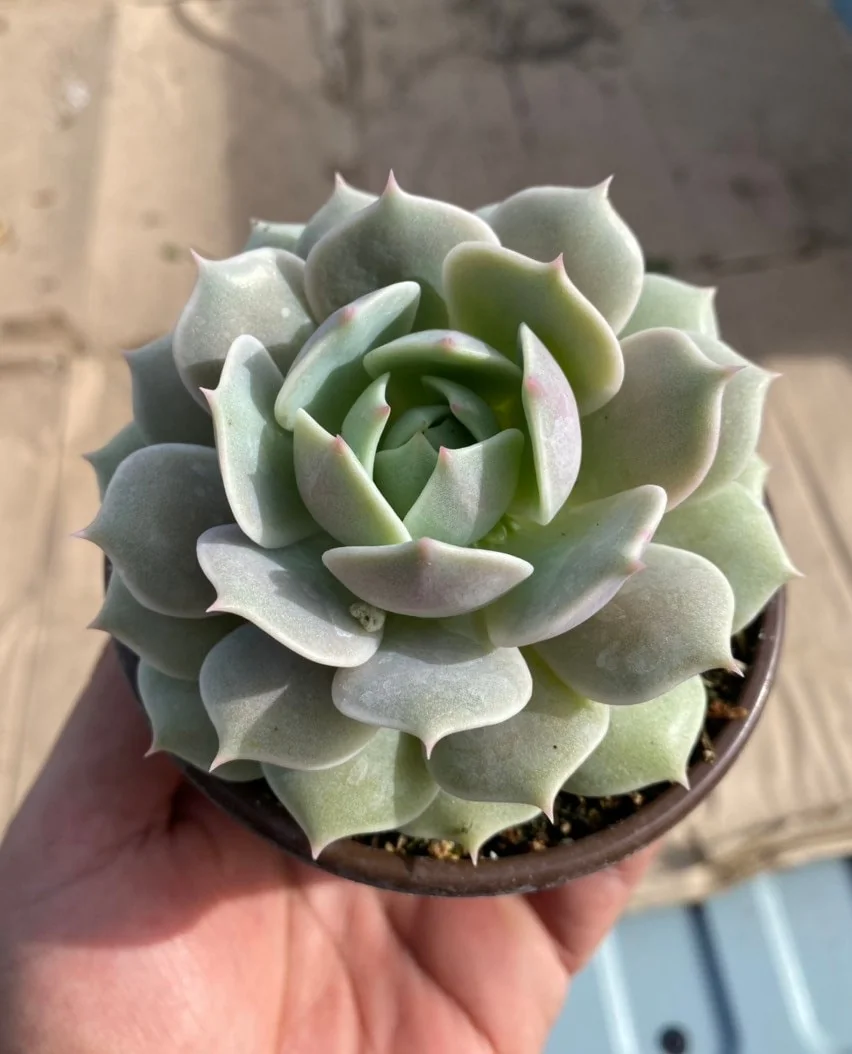
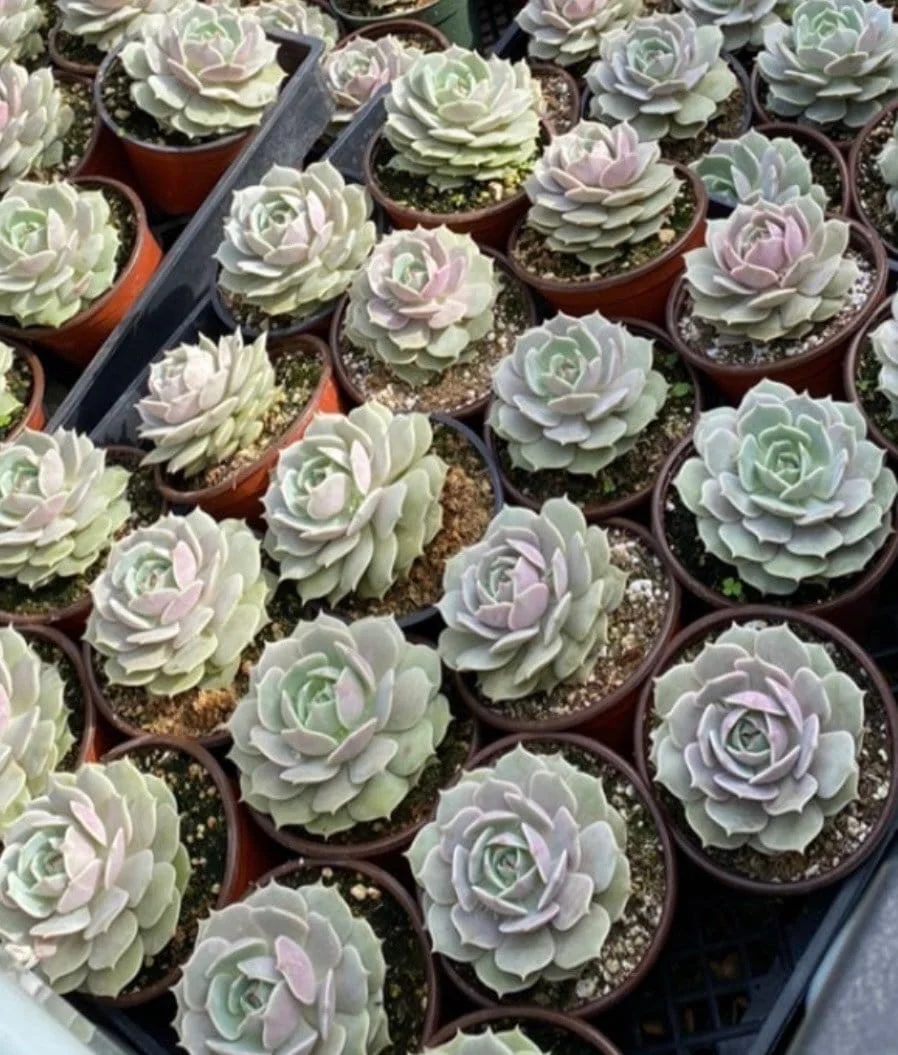
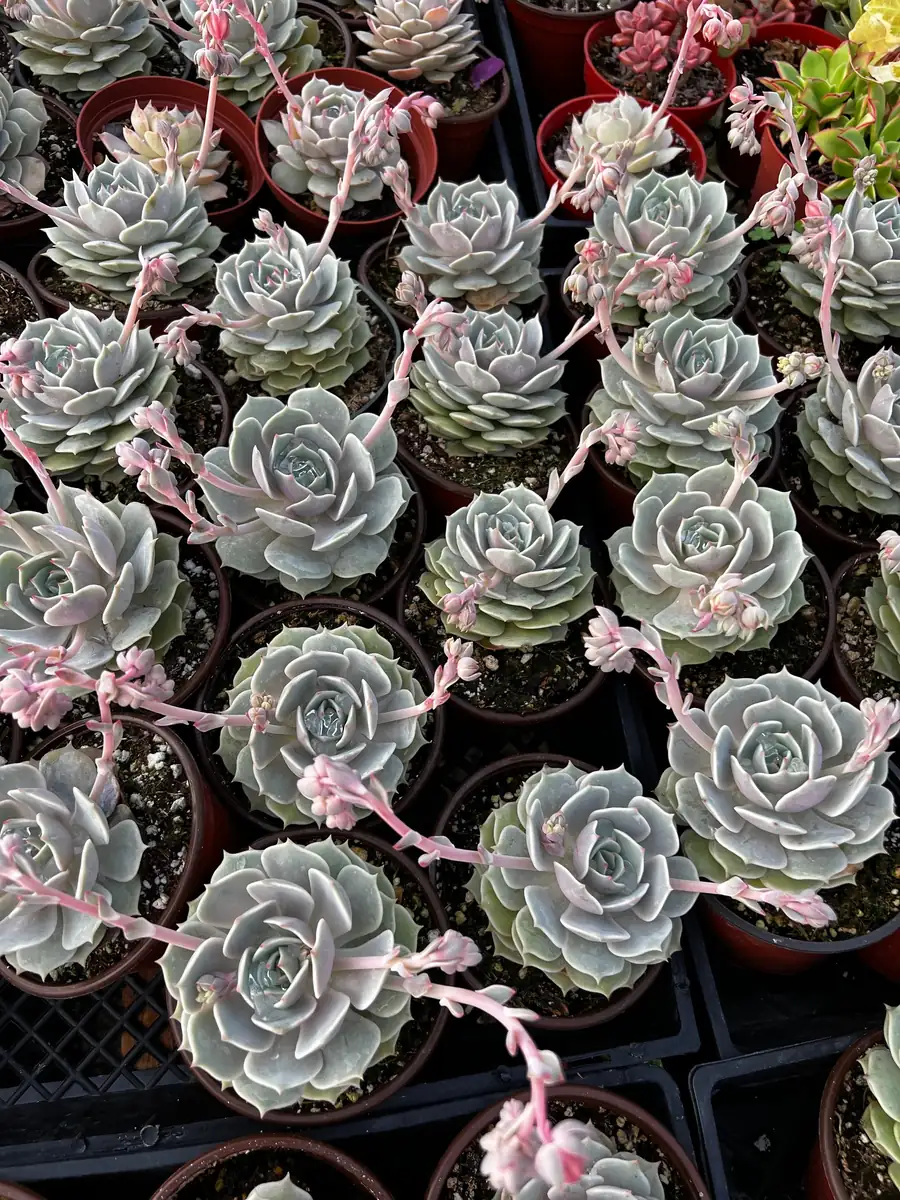
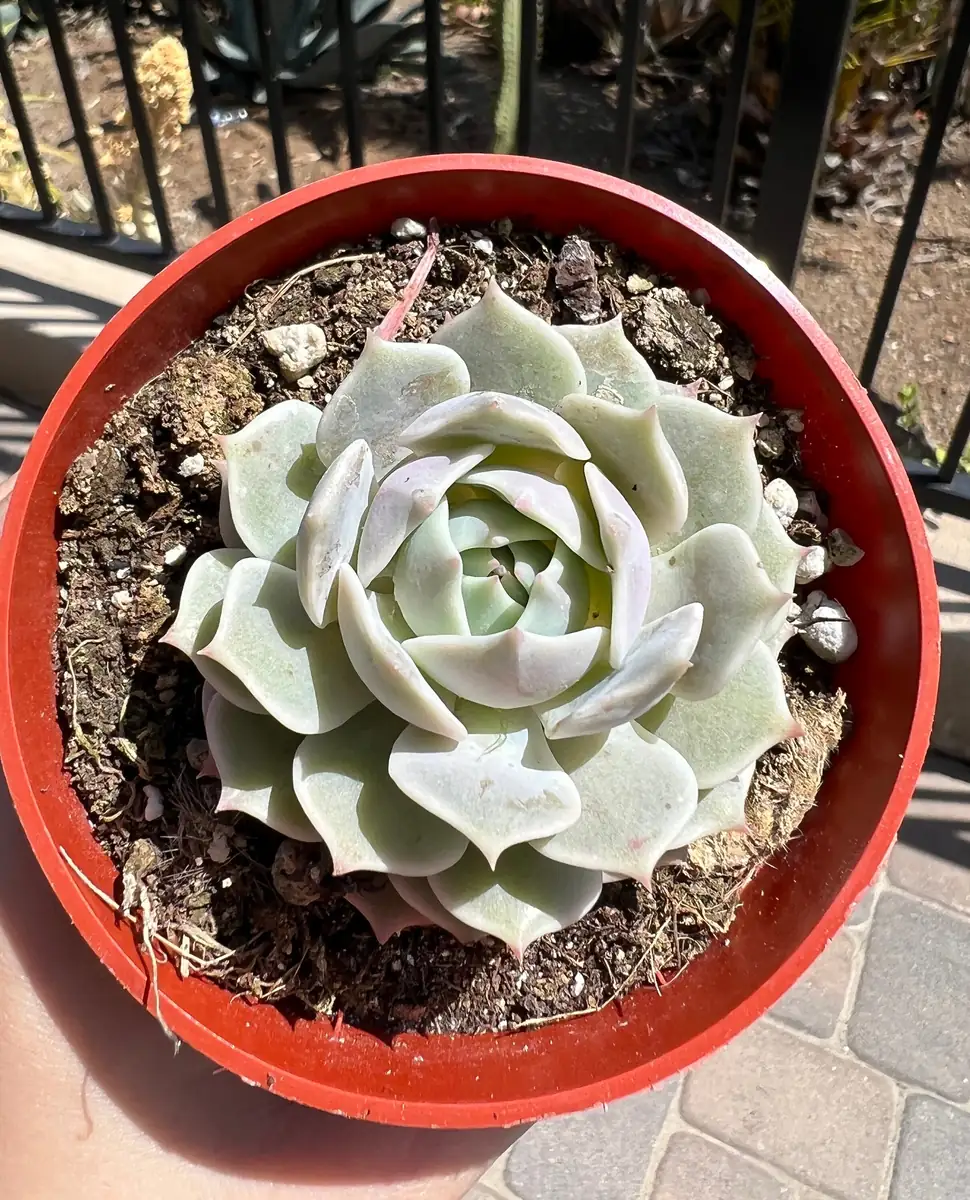
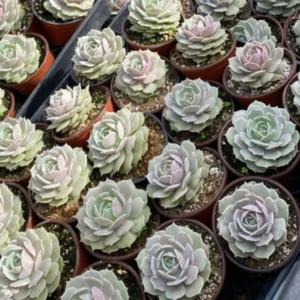
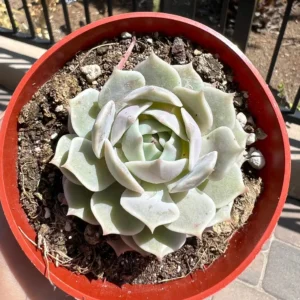
Introduce a touch of natural elegance to your home or garden with the exquisite Echeveria Lola live plant. This highly sought-after succulent species, native to Mexico, is celebrated for its captivating beauty and remarkable resilience. The Echeveria Lola live plant forms compact rosettes of thick, pointed leaves that display a mesmerizing bluish-green hue, often accented with delicate pink edges. A powdery ‘bloom’ coats the leaves, providing an additional layer of protection and enhancing its visual appeal. Whether you’re a seasoned collector or just beginning your succulent journey, the Echeveria Lola is a fantastic addition, promising enduring beauty with minimal fuss.
As a true easy care succulent, the Echeveria Lola is perfectly adapted to arid conditions, storing water efficiently in its fleshy leaves. This natural adaptation means it requires infrequent watering, making it an excellent choice for those seeking a low-maintenance yet stunning plant. Its unique appearance makes it a focal point in any collection, and its robust nature ensures it will thrive in a variety of settings, from sunny windowsills to rock gardens.
Key Benefits
The Echeveria Lola live plant offers a multitude of benefits, making it a beloved choice among plant enthusiasts. Its striking appearance and adaptable nature contribute to its widespread appeal and ease of integration into various decor styles. Here are some of the primary advantages of owning this beautiful succulent:
- Stunning Aesthetic Appeal: The Echeveria Lola features beautiful bluish-green leaves with delicate pink edges, forming an attractive rosette shape that adds sophisticated visual interest to any space. Its unique ‘bloom’ coating further enhances its charm.
- Low Maintenance: This is truly an easy care succulent, requiring minimal attention once established. It’s perfect for busy individuals or novice gardeners who want the beauty of plants without demanding care routines.
- Drought Tolerant: Thanks to its natural adaptations, the Echeveria Lola stores water in its leaves, allowing it to withstand long periods without watering. This makes it a highly resilient and sustainable plant choice, embodying the essence of a drought tolerant succulent.
- Versatile Decor: Ideal for container gardens, rock gardens, terrariums, or as a standalone houseplant, its compact size and striking colors make it suitable for various indoor and outdoor settings.
- Air Purification: Like many houseplants, succulents contribute to better indoor air quality by absorbing toxins and releasing oxygen, creating a healthier living environment.
- Stress Reduction: Gardening and caring for plants, even low-maintenance ones like the Echeveria Lola care, has been shown to reduce stress and improve overall well-being.
- Easy Propagation: The Echeveria Lola can be easily propagated from stem or leaf cuttings, allowing you to expand your collection or share with friends and family.
Plant Care & Growing Tips
Caring for your Echeveria Lola live plant is straightforward, reflecting its reputation as an easy care succulent. Understanding its basic needs will ensure your plant thrives and maintains its vibrant appearance. Proper light, watering, and soil conditions are key to successful growth.
Sunlight Requirements: Echeveria Lola flourishes in bright, indirect sunlight. When grown indoors, a south or west-facing window that receives several hours of bright light is ideal. If placing outdoors, ensure it gets morning sun and is protected from intense afternoon sun, which can scorch its leaves. Adequate light helps maintain the vibrant coloration and compact rosette form that makes this plant so attractive.
Watering Schedule: The Echeveria Lola is a drought tolerant succulent, meaning it prefers infrequent watering. Allow the soil to dry out completely between waterings. When you do water, do so thoroughly until water drains from the bottom of the pot. In winter, reduce watering significantly as the plant enters a dormant period. Overwatering is the most common cause of succulent failure, leading to root rot. If you are ever unsure, it is better to underwater than overwater.
Soil Type and Drainage: This succulent requires well-draining soil to prevent waterlogged roots. A specialized succulent or cactus potting mix is ideal. You can also create your own by mixing regular potting soil with perlite or coarse sand to improve drainage. Ensure the pot has drainage holes to allow excess water to escape. Good drainage is crucial for healthy Echeveria Lola care.
Temperature Range and USDA Hardiness Zone: Echeveria Lola prefers warm temperatures, ideally between 65-80°F (18-27°C). It can tolerate cooler temperatures but should be protected from frost. If grown outdoors in regions with cold winters, it’s best to bring it inside before temperatures drop below 40°F (4°C). It is generally suited for USDA Zones 9-11 for outdoor cultivation, making it a great succulent houseplant in most other regions.
Fertilization: Echeveria Lola does not require heavy feeding. A diluted balanced succulent fertilizer can be applied once or twice during the growing season (spring and summer). Avoid fertilizing during fall and winter when the plant is less active. Always follow the manufacturer’s instructions for dilution.
Common Problems: Watch out for common succulent pests like mealybugs or spider mites, which can be treated with insecticidal soap. The primary issue for Echeveria Lola is usually overwatering, leading to soft, mushy leaves. If this occurs, reduce watering and ensure proper drainage.
Size & Details
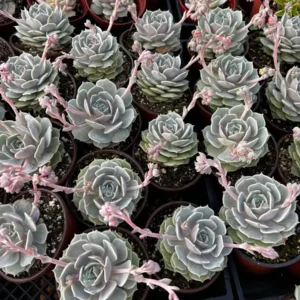
Each Echeveria Lola live plant is shipped rooted in a 4-inch nursery pot, ready for you to enjoy. This popular succulent typically forms a compact rosette, growing to an average height of about 4-6 inches (10-15 cm) and a similar spread. Its moderate growth rate allows it to maintain its charming form for extended periods, making it an excellent choice for desktop displays, windowsills, or mixed succulent arrangements. The plant’s mature size is ideal for container gardening, and its striking bluish-green leaves with pink edges provide year-round visual interest. When you receive your plant, it will be a similar size and appearance to those shown in our product images, ensuring a beautiful addition to your collection.
Frequently Asked Questions
- Q: How big does this Echeveria Lola plant get? A: The Echeveria Lola live plant typically grows to a height and spread of about 4-6 inches (10-15 cm), forming a compact, attractive rosette. Its moderate size makes it perfect for various indoor and outdoor settings.
- Q: Is this an indoor or outdoor plant? A: Echeveria Lola can be grown both indoors and outdoors. It thrives as a succulent houseplant in bright, indirect light, and can also be planted outdoors in appropriate climates (USDA Zones 9-11) or brought inside during colder months.
- Q: How much sunlight does my Echeveria Lola need? A: This easy care succulent requires bright, indirect light for at least 4-6 hours a day. If grown indoors, a south or west-facing window is usually best. Outdoors, morning sun with afternoon shade is ideal.
- Q: Is this plant easy to care for? Is it good for beginners? A: Yes, Echeveria Lola is considered a very easy-care succulent and is highly recommended for beginners due to its drought tolerance and minimal maintenance requirements. Proper Echeveria Lola care primarily involves mindful watering.
- Q: What condition will the plant arrive in? Is it shipped in soil? A: Your Echeveria Lola live plant will be shipped rooted in its 4-inch nursery pot, ensuring it arrives healthy and ready for its new home. We package carefully to minimize stress during transit.
- Q: How often should I water my Echeveria Lola? A: As a drought tolerant succulent, you should only water your Echeveria Lola when the soil has completely dried out. This could be every 2-4 weeks depending on humidity and temperature. Always err on the side of underwatering rather than overwatering.
- Q: What type of soil is best for Echeveria Lola? A: A well-draining succulent or cactus potting mix is essential for the Echeveria Lola. This type of soil prevents water from accumulating around the roots, which can lead to rot.
Related products
-40%

Original price was: $19.60.$11.76Current price is: $11.76.
-30%
Original price was: $79.98.$55.98Current price is: $55.98.
-30%
Original price was: $79.98.$55.98Current price is: $55.98.
-30%
Original price was: $47.98.$33.58Current price is: $33.58.
-30%
Original price was: $79.98.$55.98Current price is: $55.98.
-30%
Original price was: $49.98.$34.98Current price is: $34.98.
-30%
Original price was: $129.98.$90.98Current price is: $90.98.
-30%
Original price was: $79.98.$55.98Current price is: $55.98.
PLANTING & CARE
Growing Glencoe Raspberry: A Complete Guide for Gardeners
If you’re looking to add something unique to your garden, look no further than the
31
Mar
Mar

The Comprehensive Guide to Growing Bay Leaf Plants for a Flavorful Garden
Imagine stepping into your garden, greeted by the earthy aroma of fresh bay leaves, their
09
Feb
Feb

How to Make Comfrey Tea: The Ultimate Organic Plant Food
Growing an organic garden can be surprisingly expensive, especially when most store-bought fertilizers come in
02
Feb
Feb

True Comfrey: 7 Essential Tips Before You Plant This Herb
A staple in permaculture practices across the US, True Comfrey easily earns its reputation as
27
Jan
Jan

7 Heart-Shaped Plants for a Lasting Valentine’s Gift
If you’ve ever bought a bouquet of roses for Valentine’s Day, you know they are
26
Jan
Jan

Best Types of Ivy Plant for Houses: How to Choose the Perfect Ones for Your Home
Are you a garden lover looking to introduce some greenery into your home? Maybe you’ve
14
Nov
Nov

When to Harvest Garlic (Especially Fall-Planted Garlic)
TIMING IS EVERYTHING, they say – and for garlic, that truth hits with surprising accuracy.
13
Nov
Nov

11 of the Best Sweet Potato Varieties to Grow for Your Garden
If you’ve ever tried growing sweet potatoes, you know that picking the right variety can
12
Nov
Nov