Echinacea Plant Starter Live Perennial Coneflower – 1″ Plug – Pollinator Garden
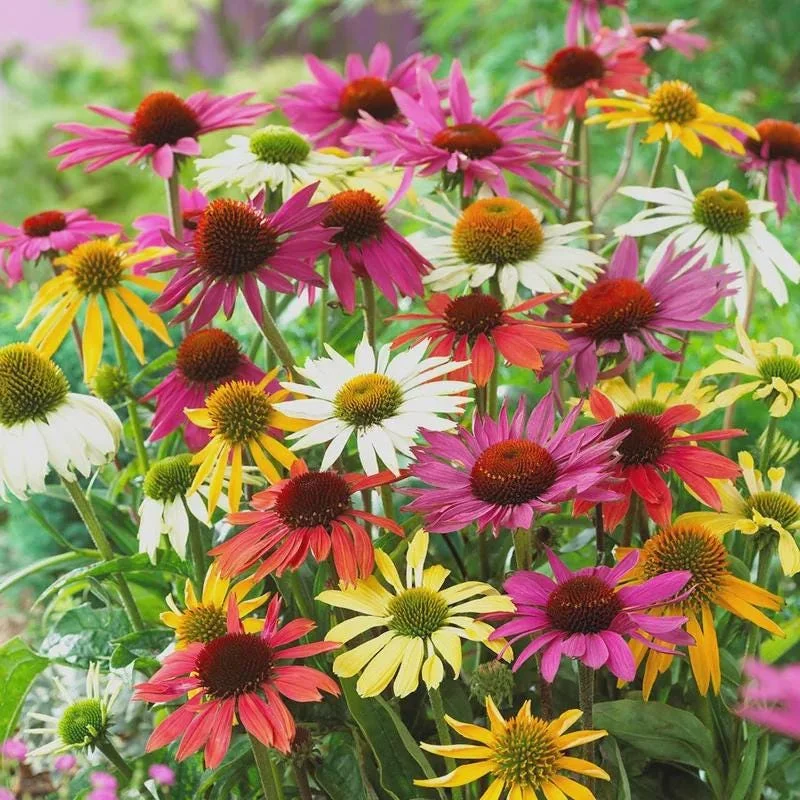
Echinacea Plant Starter Live Perennial Coneflower – 1″ Plug – Pollinator Garden
Bring vibrant color and life to your garden with this Echinacea live plant starter. A low-maintenance perennial, this purple coneflower plant is perfect for attracting pollinators. Enjoy beautiful blooms and a robust, deer-resistant addition to your landscape.
$35.98

With our Alive & Thrive Guarantee, we’ve got your back for the first 30 days! If you have any concerns about your plants, just reach out to us. Our team is here to help answer your questions and guide you in selecting the best plants for your garden, climate, and unique preferences. We're excited to help you create the garden of your dreams!
Estimated arrival
May 31
Jun 05 - Jun 07
Jun 10 - Jun 14
Product Details
-
USDA Hardiness Zone
USDA Zones 3-9 -
Soil type
Well-draining soil -
Sunlight Exposure
Full sun to partial shade -
Expected Planting Period
Spring to early summer
Overview
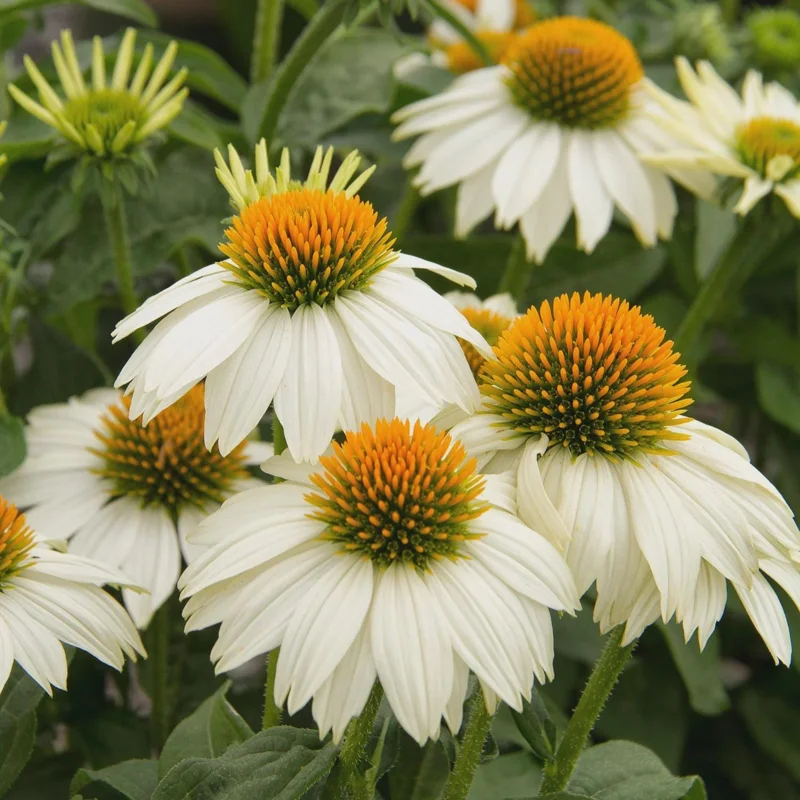
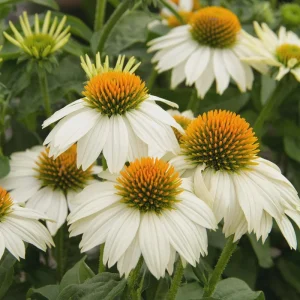
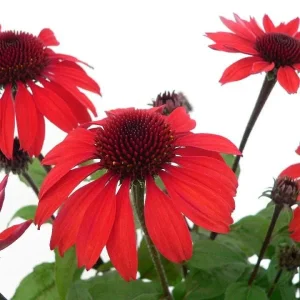
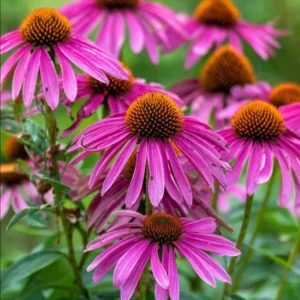
Introduce a splash of vibrant color and ecological benefit to your garden with our Echinacea live plant starter. This robust perennial, commonly known as purple coneflower plant (Echinacea purpurea), is a beloved choice for both novice and experienced gardeners. Native to the moist prairies and open woodlands of central and southeastern America, Echinacea is celebrated for its showy, daisy-like flowers that can reach up to 5 inches in diameter. Blooming throughout the summer, these captivating flowers sit atop stiff stems adorned with coarse, dark green leaves. Beyond its beauty, this plant is a powerhouse for attracting essential pollinators like bees and butterflies, making it an indispensable part of any ecologically-minded garden. Our starter plant provides a healthy foundation for a thriving coneflower patch, promising years of beauty and resilience.
Echinacea is not only visually stunning but also remarkably adaptable. It thrives in a variety of conditions, demonstrating excellent heat tolerance and deer resistance. Whether you’re looking to enhance a rock garden, fill a cottage landscape bed, add to containers, or create a bustling cut flower garden, this perennial coneflower is an ideal candidate. Its easy-care nature means you can enjoy its splendor with minimal effort, making it a top choice for those seeking high impact with low maintenance.
Key Benefits
The Echinacea live plant offers a multitude of advantages for any garden. Its hardiness and beauty make it a truly exceptional choice for enhancing your outdoor space.
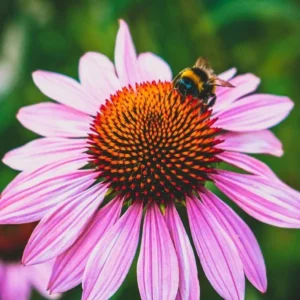
- Attracts Pollinators: The vibrant blooms are a magnet for bees, butterflies, and other beneficial insects, essential for a healthy ecosystem. Planting coneflower for pollinators supports local biodiversity.
- Low Maintenance & Easy Care: Known for its adaptability, Echinacea requires little more than regular watering once established. It’s tolerant of drought, heat, humidity, and even poor soil conditions, making it an excellent choice for busy gardeners. This makes it an easy-grow echinacea.
- Deer Resistant: A significant advantage for many gardeners, deer tend to avoid Echinacea, allowing your plants to flourish undisturbed.
- Long Blooming Season: Enjoy continuous vibrant purple flowers throughout the summer, providing sustained color and interest in your landscape.
- Versatile Garden Use: Perfect for a wide range of garden applications including rock gardens, cottage landscapes, containers, borders, and cut flower gardens. Its upright habit also makes it suitable for massing in meadows or native plant gardens.
- Excellent Cut Flowers: The beautiful daisy-like flowers are superb for fresh-cut arrangements, bringing the beauty of your garden indoors. They can also be dried for lasting decorative appeal.
- Winter Interest: If left standing, the dead flower stems and blackened cones provide winter interest and attract goldfinches and other birds that feed on the seeds.
Plant Care & Growing Tips
Caring for your Echinacea live plant is straightforward, ensuring a rewarding gardening experience. This resilient perennial thrives with minimal fuss, making it a fantastic addition for gardeners of all skill levels. To ensure vigorous growth and abundant blooms, proper placement and basic care are key. Ensure your plant receives adequate sunlight and is planted in suitable soil conditions.
Sunlight Requirements: Echinacea flourishes in full sun to partial shade. For optimal blooming and plant health, aim for at least 6 hours of direct sunlight per day. While it can tolerate some afternoon shade, especially in hotter climates, too much shade may reduce flower production and lead to leggy growth. When choosing a spot, consider its mature size and how much light it will receive throughout the day.
Watering Schedule & Soil Preferences: This adaptable plant prefers average, dry to medium, well-drained soil. Once established, Echinacea is quite drought-tolerant and will only require watering during extended dry periods. Overwatering can lead to root rot, so ensure the soil drains well and allow the top inch or two of soil to dry out between waterings. For new plants, consistent moisture is important to help them establish their root systems. The purple coneflower plant is not overly particular about soil pH, thriving in a range from slightly acidic to slightly alkaline.
Temperature Range & USDA Hardiness Zone: Echinacea is a hardy perennial, typically thriving in USDA Zones 3-9. It can withstand a wide range of temperatures, from cold winters to hot, humid summers. It’s highly tolerant of heat and humidity once established. In colder zones, a layer of mulch can help protect the roots during winter. Fertilization is generally not heavily required; a light application of a balanced slow-release granular fertilizer in spring is usually sufficient to support healthy growth and prolific flowering for your perennial coneflower. While deadheading isn’t strictly necessary as plants generally rebloom, promptly removing spent flowers can enhance the plant’s overall appearance and encourage a more continuous bloom cycle.
Size & Details
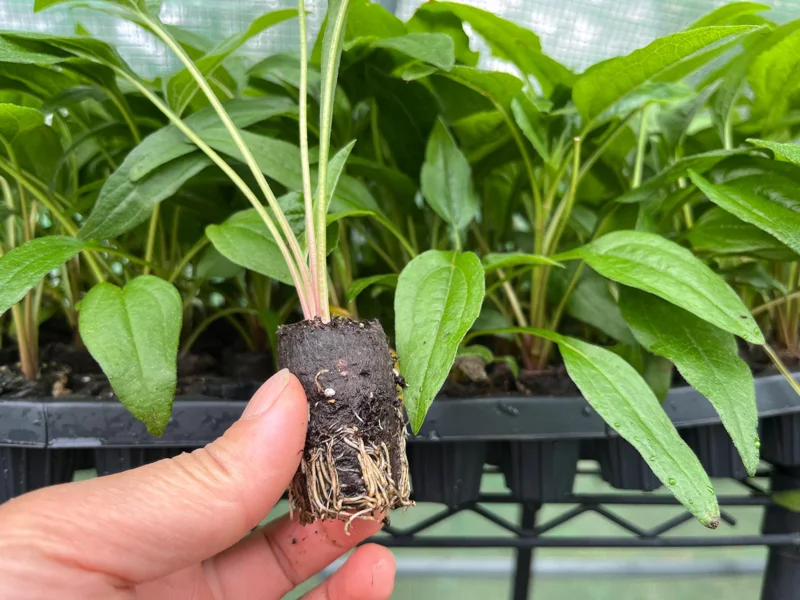
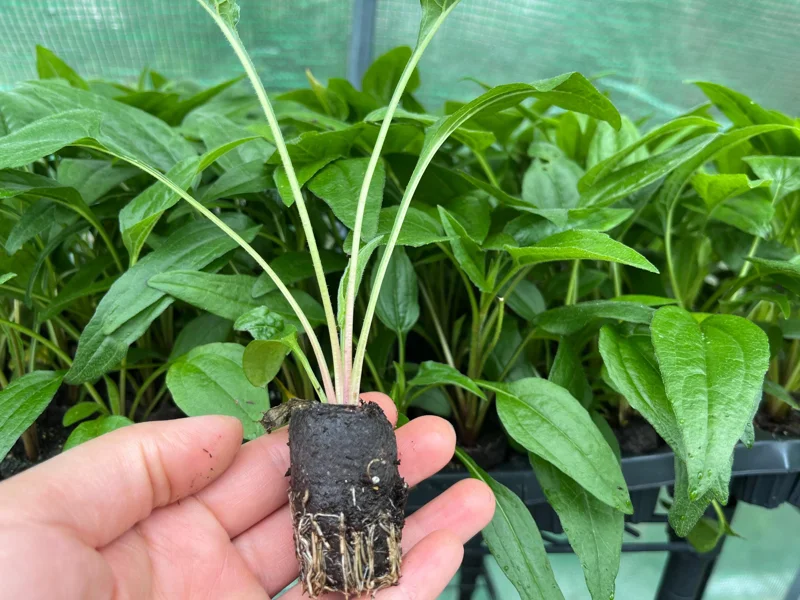
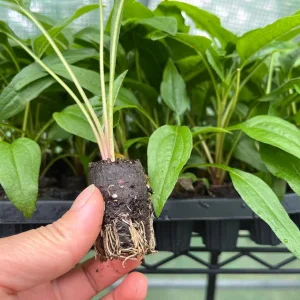
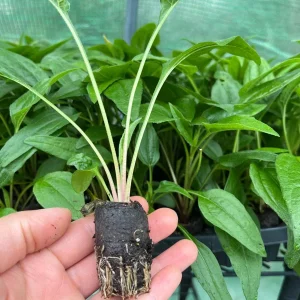
Each Echinacea live plant starter is carefully cultivated to provide a healthy beginning for your garden. You will receive one live plant, ready for transplanting. While plant sizes can naturally vary slightly due to their organic growth, each starter is nurtured to ensure strong root development and viability. The plant comes in a 1″ X 1″ X 1 1/4” container, providing a protective environment for its initial journey to your home. These dimensions ensure the plant is compact enough for safe shipping while having sufficient space for its initial growth.
Upon arrival, your coneflower for pollinators will be a young plant, typically with developing foliage. Echinacea purpurea is known for its moderate growth rate, establishing itself well within the first growing season. Expect your plant to begin producing its characteristic purple blooms from mid-summer through fall in its first or second year, depending on planting time and growing conditions. The mature size of an easy-grow echinacea typically reaches 2-4 feet in height and 1-2 feet in spread, forming an upright clump that adds structural interest to garden beds and borders.
Frequently Asked Questions
- Q: How big does this Echinacea plant get? A: Your Echinacea live plant starter will grow into a mature plant typically reaching 2-4 feet tall and 1-2 feet wide. Growth can vary slightly depending on environmental conditions and care.
- Q: Is this an indoor or outdoor plant? A: This purple coneflower plant is an outdoor perennial. It thrives in garden beds, borders, and containers placed outdoors, attracting pollinators.
- Q: How much sunlight does my Echinacea need? A: Echinacea prefers full sun, meaning at least 6 hours of direct sunlight per day, but can tolerate partial shade, especially in hot climates.
- Q: Is this plant easy to care for? A: Yes, Echinacea is known for being a low-maintenance and easy-grow echinacea. It’s tolerant of drought, heat, and humidity once established, making it suitable for beginners.
- Q: What condition will the plant arrive in? A: Your plant will arrive as a healthy starter in a 1″ X 1″ X 1 1/4” container. While minor leaf yellowing can occur during shipping, new growth will emerge quickly once planted and cared for.
- Q: How long until it blooms? A: Your perennial coneflower typically blooms from mid-summer through fall, usually in its first or second year after planting.
- Q: What’s the best time to plant Echinacea? A: The best time to plant Echinacea is in spring or early summer after the last frost, allowing it ample time to establish before winter.
- Q: Can I use this coneflower for pollinators? A: Absolutely! Echinacea is an excellent choice for attracting bees, butterflies, and other beneficial pollinators to your garden. It’s a key plant for a pollinator-friendly landscape.
- Q: Is this plant deer resistant? A: Yes, Echinacea is generally considered deer resistant, making it a great option for areas where deer are a concern.
- Q: What kind of soil does Echinacea prefer? A: This plant thrives in average, dry to medium, well-drained soil. It is adaptable to various soil types, including poor soil conditions.
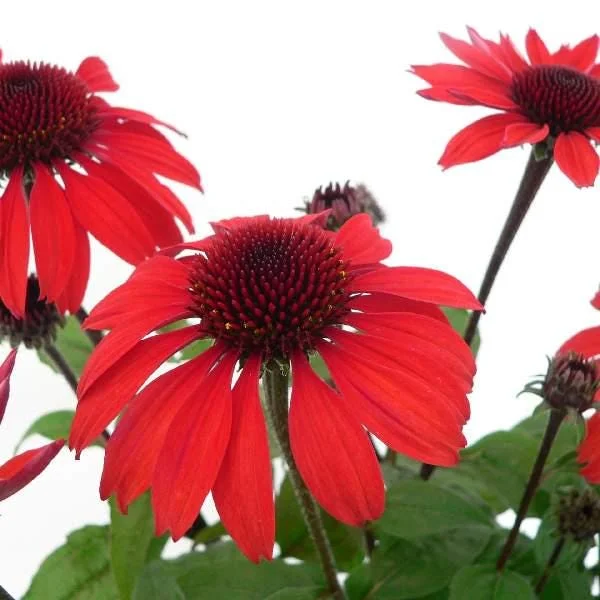
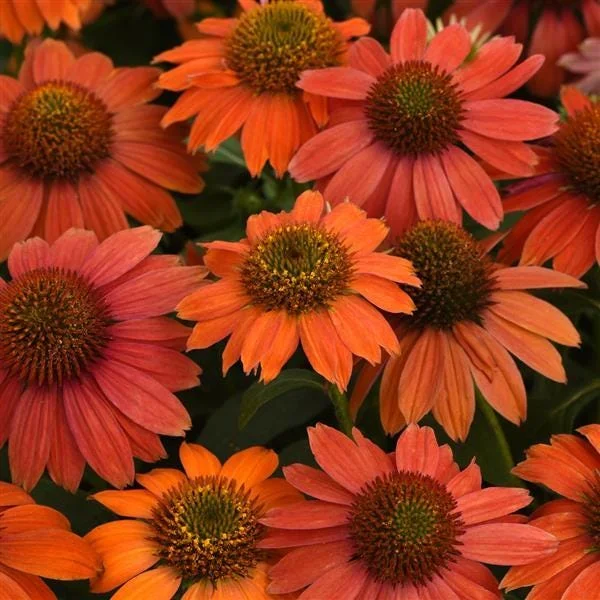
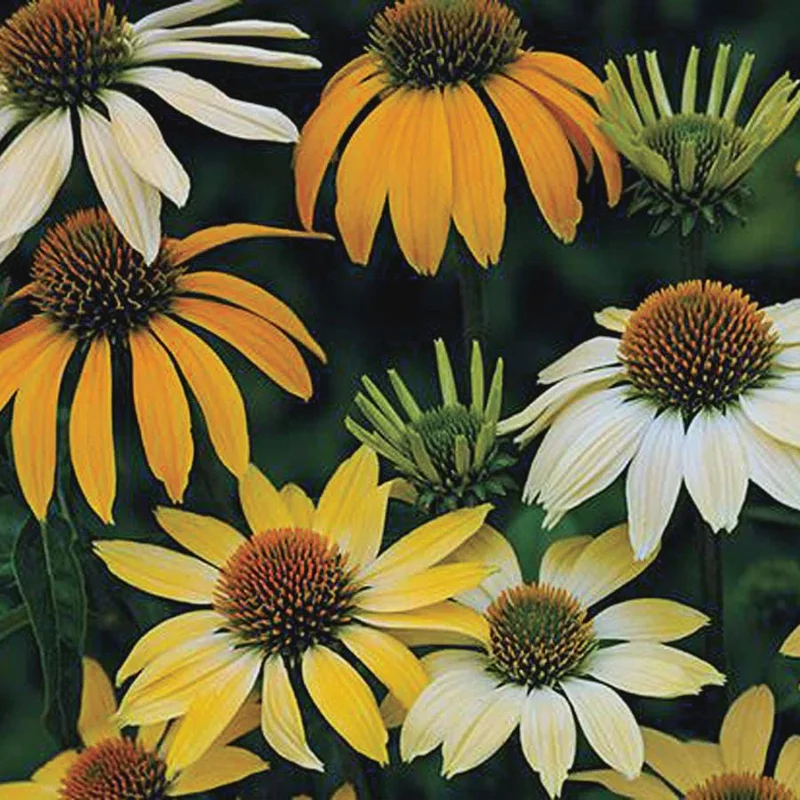
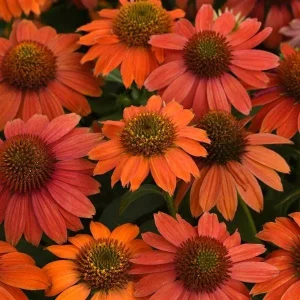
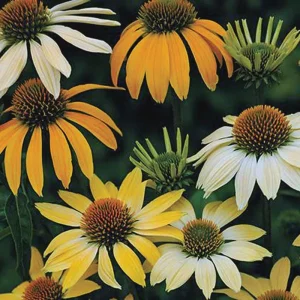
| Primary color | Artisan Red Ombre, Mellow Yellows |
|---|---|
| Pack size | 3 Plants |
Related products
-67%
Original price was: $41.97.$13.99Current price is: $13.99.
-67%
Original price was: $59.97.$19.99Current price is: $19.99.
-30%
Original price was: $79.98.$55.98Current price is: $55.98.
-67%
Original price was: $66.72.$22.24Current price is: $22.24.
-30%
Original price was: $63.98.$44.78Current price is: $44.78.
-82%
Original price was: $56.97.$10.34Current price is: $10.34.
-20%
Original price was: $31.98.$25.58Current price is: $25.58.
PLANTING & CARE

Growing Glencoe Raspberry: A Complete Guide for Gardeners
If you’re looking to add something unique to your garden, look no further than the
31
Mar
Mar

The Comprehensive Guide to Growing Bay Leaf Plants for a Flavorful Garden
Imagine stepping into your garden, greeted by the earthy aroma of fresh bay leaves, their
09
Feb
Feb

How to Make Comfrey Tea: The Ultimate Organic Plant Food
Growing an organic garden can be surprisingly expensive, especially when most store-bought fertilizers come in
02
Feb
Feb

True Comfrey: 7 Essential Tips Before You Plant This Herb
A staple in permaculture practices across the US, True Comfrey easily earns its reputation as
27
Jan
Jan

7 Heart-Shaped Plants for a Lasting Valentine’s Gift
If you’ve ever bought a bouquet of roses for Valentine’s Day, you know they are
26
Jan
Jan

Best Types of Ivy Plant for Houses: How to Choose the Perfect Ones for Your Home
Are you a garden lover looking to introduce some greenery into your home? Maybe you’ve
14
Nov
Nov

When to Harvest Garlic (Especially Fall-Planted Garlic)
TIMING IS EVERYTHING, they say – and for garlic, that truth hits with surprising accuracy.
13
Nov
Nov

11 of the Best Sweet Potato Varieties to Grow for Your Garden
If you’ve ever tried growing sweet potatoes, you know that picking the right variety can
12
Nov
Nov