10Onion seeds Top Sets Egyptian Walking Onions Multiplier Tree Onion Perennial
-50%









10Onion seeds Top Sets Egyptian Walking Onions Multiplier Tree Onion Perennial
Cultivate delicious and unique Egyptian Walking Onion bulbils, a hardy perennial that provides a continuous harvest. These multiplier tree onion sets are incredibly easy to grow, producing greens and top-set bulbils year after year, perfect for any garden.
Original price was: $8.76.$4.38Current price is: $4.38.

With our Alive & Thrive Guarantee, we’ve got your back for the first 30 days! If you have any concerns about your plants, just reach out to us. Our team is here to help answer your questions and guide you in selecting the best plants for your garden, climate, and unique preferences. We're excited to help you create the garden of your dreams!
Estimated arrival
Apr 02
Apr 07 - Apr 09
Apr 12 - Apr 16


Product Details
-
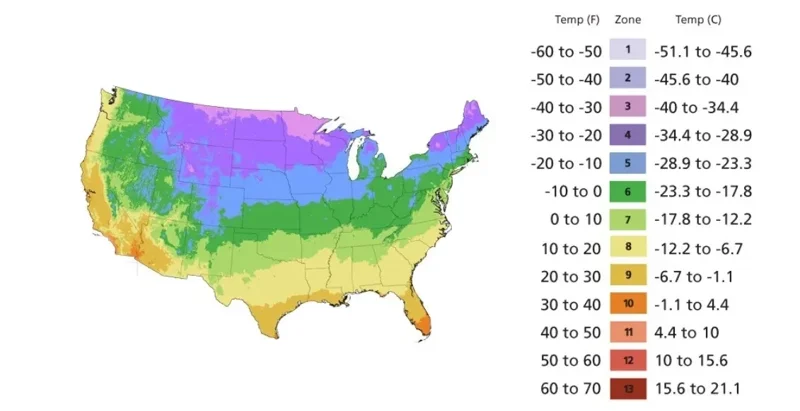
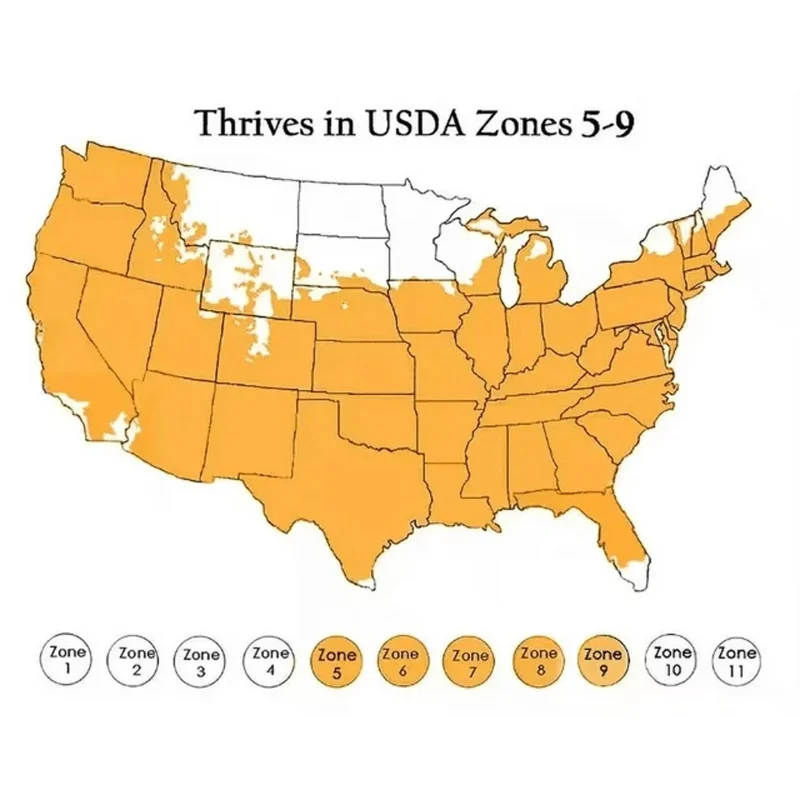
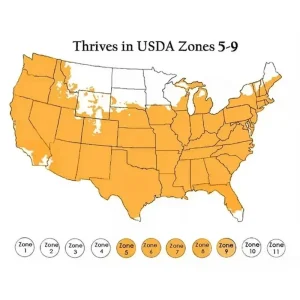
USDA Hardiness Zone
2-9 -
Soil type
Most ANY, well-draining soil -
Sunlight Exposure
Full Sun, Medium Sun -
Expected Planting Period
Four Season
Overview
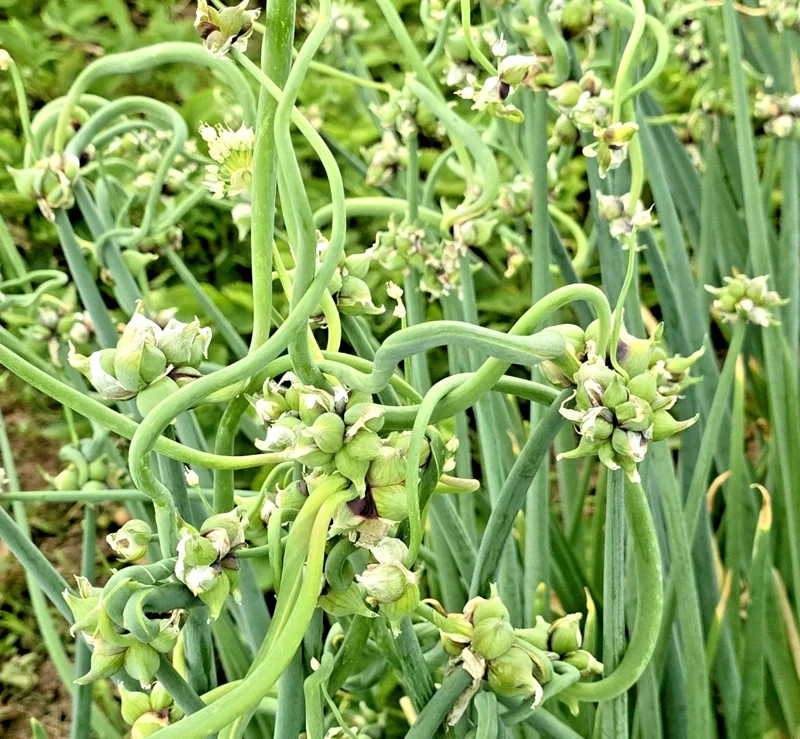
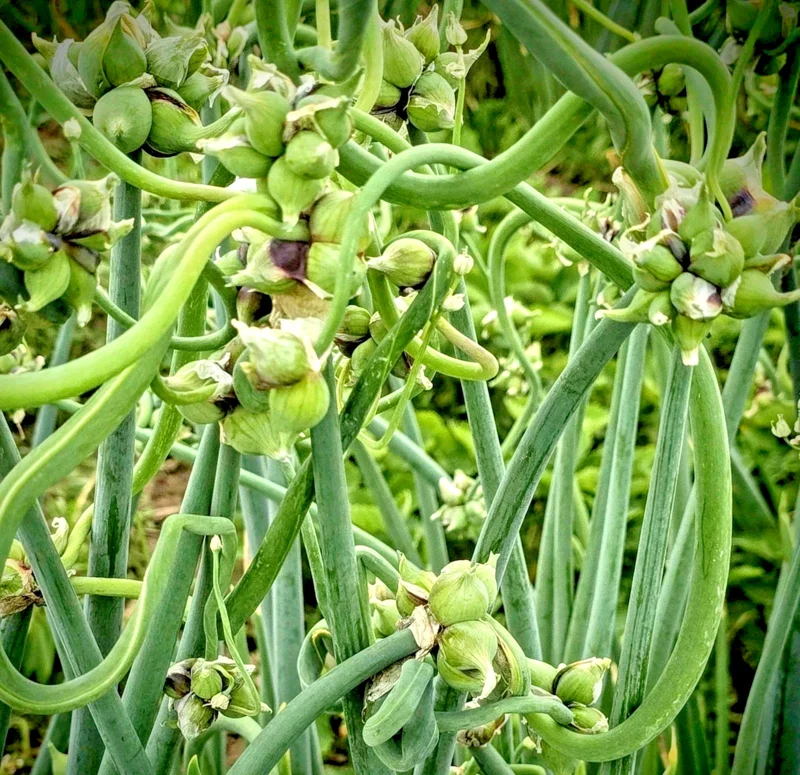
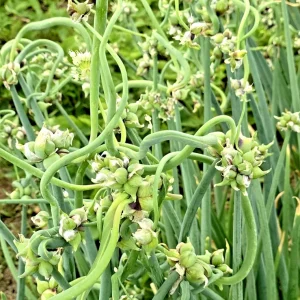
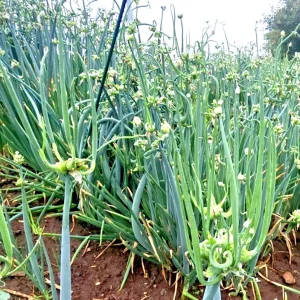
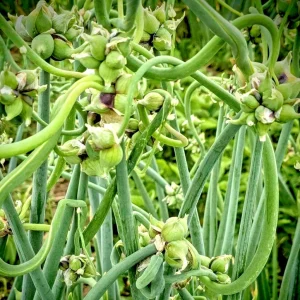
Discover the joy of growing your own Egyptian Walking Onion bulbils, also known as Multiplier Onions, Tree Onions, or Walking Onions (Allium proliferum). These fascinating perennial plants get their name from their unique propagation method: instead of flowering at the top of the stalk, they produce small sets or bulbils. As these bulbils mature, the stalk often bends over from their weight, allowing the bulbils to root in the ground a short distance from the parent plant, effectively ‘walking’ across your garden. This makes them a self-sustaining and incredibly low-maintenance addition to your edible landscape. Perfect for gardeners seeking a continuous supply of fresh onions without annual replanting, these bulbils are ready to plant and establish quickly, offering both green tops and small, flavorful bulbs.
The perennial multiplier onion is a gardener’s delight, providing a harvest from early spring through late fall, and often even in mild winters. Their distinctive flavor, a cross between chives and a mild onion, makes them versatile in the kitchen. Whether you’re a seasoned gardener or just starting, these hardy plants are a rewarding choice for their ease of growth and sustained productivity. Each set is a promising beginning to a thriving patch of these unique alliums.
Key Benefits
Adding Egyptian Walking Onion bulbils to your garden offers a plethora of advantages, from culinary versatility to gardening ease. These plants are a truly rewarding investment for any home gardener.
- Continuous Harvest: Enjoy fresh onion greens from early spring until late fall, and even small bulbs throughout the season. Their perennial nature means you plant them once and harvest for years.
- Self-Propagating: These unique onions ‘walk’ across your garden, replanting themselves through their top-set bulbils, reducing the need for annual replanting and saving you time and effort. This makes them an excellent perennial multiplier onion.
- Hardy & Resilient: Extremely cold-resistant and adaptable to various climates (USDA Zones 2-9), these onions are tolerant of harsh winters and a wide range of soil conditions, making them a robust choice for many regions.
- Versatile Culinary Use: Both the green tops and the small bulbils offer a mild, delicious onion flavor. Use them fresh in salads, stir-fries, soups, or as a garnish to elevate your favorite dishes.
- Low Maintenance: Once established, tree onion sets require minimal care. They are drought-resistant and generally pest-free, making them perfect for busy gardeners or those new to edible landscaping.
- Space-Efficient: Despite their ‘walking’ habit, they can be easily managed and contained, making them suitable for various garden sizes, including raised beds or dedicated patches.
- Excellent for Food Security: Their ability to multiply and produce year after year provides a reliable and sustainable food source, contributing to a more self-sufficient garden.
Plant Care & Growing Tips
Growing Egyptian Walking Onion bulbils is remarkably straightforward, making them an ideal choice for gardeners of all experience levels. These resilient plants thrive with basic care and will reward you with a continuous harvest. For optimal growth, choose a location with full sun to medium sun exposure, meaning at least 6 hours of direct sunlight per day. While they are adaptable, more sun generally leads to a more robust plant and better bulbil production. They are incredibly cold hardy, suitable for USDA zones 2-9, tolerating harsh winters and various climates including cold, dry, sub-tropical, temperate, arid, highland, humid continental, humid subtropical, and marine west coast conditions.
When it comes to soil, walking onion care is minimal. These plants are not particular and can grow in most any soil type, including chalk, clay, loam, peat, saline, sand, or silt, as long as it’s well-draining. A neutral soil pH is ideal. Water regularly to keep the soil consistently moist but not waterlogged, especially during dry spells. Once established, they are quite drought-tolerant. Fertilization is generally not necessary in rich soil, but a balanced organic fertilizer can be applied in spring to encourage vigorous growth. These plants are known for their fast growth habit and very easy cultivating difficulty, multiplying each year. They are ready to plant upon arrival, making them a hassle-free addition to your garden.
Common issues are rare with these hardy onions. Ensure good air circulation to prevent fungal issues, and if pests appear, they are usually easily managed with organic solutions. The bulbils can be planted in spring, summer, fall, or even winter in milder climates. They will quickly establish themselves and begin producing greens, then the top-set bulbils that give them their unique ‘walking’ characteristic. Enjoy the evergreen foliage and edible greens, bulbs, and bulbils from these fast-growing, cross-pollinating plants.
Size & Details
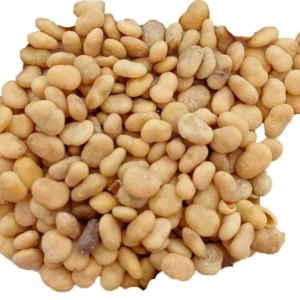
Our Egyptian Walking Onion bulbils are supplied as ready-to-plant top sets, which are the small bulbils that form at the top of the mature plant stalks. These bulbils are typically beige, brown, green, multicolor, or white, and vary slightly in size, but are perfect for immediate planting. Each bulbil has the potential to grow into a full plant, producing both green tops and additional bulbils for future propagation. These onions exhibit a clumping growth habit and are known for their fast growth rate. They are a perennial type, meaning they will multiply each year, providing a sustained harvest without the need for annual replanting.
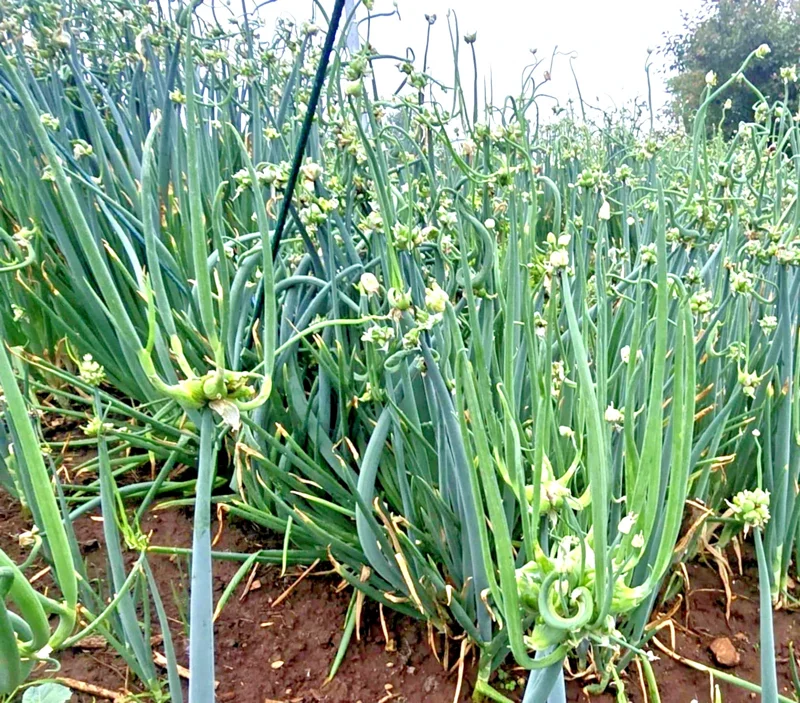
The plants themselves can grow to an average height of 18-36 inches, with their top sets forming and eventually bending over to re-root. They are suitable for both indoor and outdoor cultivation, though they perform best outdoors where they can ‘walk’ and spread. Expect to harvest greens throughout the growing season, and new bulbils will develop in late summer to fall. These versatile plants are cold-resistant and edible, providing a unique and self-sufficient source of onion flavor for your garden and kitchen.
Frequently Asked Questions
- Q: How big do these Egyptian Walking Onion plants get? A: Egyptian Walking Onion bulbils typically grow into plants that reach 18 to 36 inches tall. The top-set bulbils will form at the top of the stalk, eventually causing it to bend over and re-root.
- Q: Is this an indoor or outdoor plant? A: While they can be grown indoors in a large container, perennial multiplier onion plants thrive best outdoors where they have space to ‘walk’ and self-propagate. They are very cold hardy and suitable for outdoor gardens in many climates.
- Q: How much sunlight does it need? A: These onions prefer full sun to medium sun exposure, meaning they should receive at least 6 hours of direct sunlight per day for optimal growth and bulbil production.
- Q: Is this plant easy to care for? A: Yes, tree onion sets are considered very easy to cultivate. Once established, they are low-maintenance, drought-resistant, and generally pest-free, making them perfect for beginners.
- Q: What condition will the bulbils arrive in? A: Your Egyptian Walking Onion bulbils will arrive as ready-to-plant top sets, carefully packaged to ensure they are in good condition for immediate planting and successful growth.
- Q: Can I use Egyptian Walking Onion in cooking? A: Absolutely! Both the green tops and the small bulbils of the Allium proliferum are edible and offer a mild, delicious onion flavor, perfect for a variety of culinary uses.
- Q: How long until it produces new bulbils? A: After planting, the onion greens will emerge, and new top-set bulbils will typically develop in late summer to early fall, ready for harvest or for the plant to ‘walk’.
- Q: When is the best time to plant Egyptian Walking Onion bulbils? A: These hardy bulbils can be planted from spring through fall, and even in mild winter climates. They establish readily and are quite forgiving about planting time.
- Q: Will it survive winter in my zone? A: Yes, walking onion care includes excellent cold hardiness. They are perennial in USDA Zones 2-9 and are known to tolerate harsh winters, coming back year after year.
- Q: What soil type is best for these onions? A: Egyptian Walking Onion bulbils are not particular about soil and can grow in most any well-draining soil type, including chalk, clay, loam, peat, saline, sand, or silt, with a neutral pH.
Related products
-48%
Original price was: $28.99.$14.99Current price is: $14.99.
-50%
Original price was: $15.96.$7.98Current price is: $7.98.
-50%

Original price was: $11.00.$5.50Current price is: $5.50.
-50%
Original price was: $15.96.$7.98Current price is: $7.98.
-48%
Original price was: $28.99.$14.99Current price is: $14.99.
-50%

Original price was: $39.96.$19.98Current price is: $19.98.
-48%
Original price was: $28.99.$14.99Current price is: $14.99.
-50%
Original price was: $15.96.$7.98Current price is: $7.98.
PLANTING & CARE

Growing Glencoe Raspberry: A Complete Guide for Gardeners
If you’re looking to add something unique to your garden, look no further than the
31
Mar
Mar

The Comprehensive Guide to Growing Bay Leaf Plants for a Flavorful Garden
Imagine stepping into your garden, greeted by the earthy aroma of fresh bay leaves, their
09
Feb
Feb

How to Make Comfrey Tea: The Ultimate Organic Plant Food
Growing an organic garden can be surprisingly expensive, especially when most store-bought fertilizers come in
02
Feb
Feb

True Comfrey: 7 Essential Tips Before You Plant This Herb
A staple in permaculture practices across the US, True Comfrey easily earns its reputation as
27
Jan
Jan

7 Heart-Shaped Plants for a Lasting Valentine’s Gift
If you’ve ever bought a bouquet of roses for Valentine’s Day, you know they are
26
Jan
Jan

Best Types of Ivy Plant for Houses: How to Choose the Perfect Ones for Your Home
Are you a garden lover looking to introduce some greenery into your home? Maybe you’ve
14
Nov
Nov

When to Harvest Garlic (Especially Fall-Planted Garlic)
TIMING IS EVERYTHING, they say – and for garlic, that truth hits with surprising accuracy.
13
Nov
Nov

11 of the Best Sweet Potato Varieties to Grow for Your Garden
If you’ve ever tried growing sweet potatoes, you know that picking the right variety can
12
Nov
Nov