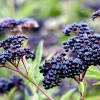
Elderberry Plant – Live Fruit Bearing Shrub – Half Gallon Pot – Outdoor
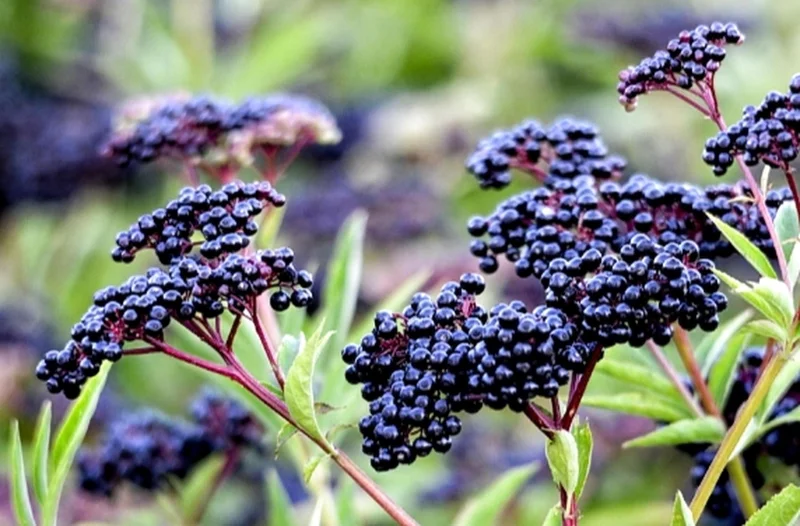
Elderberry Plant – Live Fruit Bearing Shrub – Half Gallon Pot – Outdoor
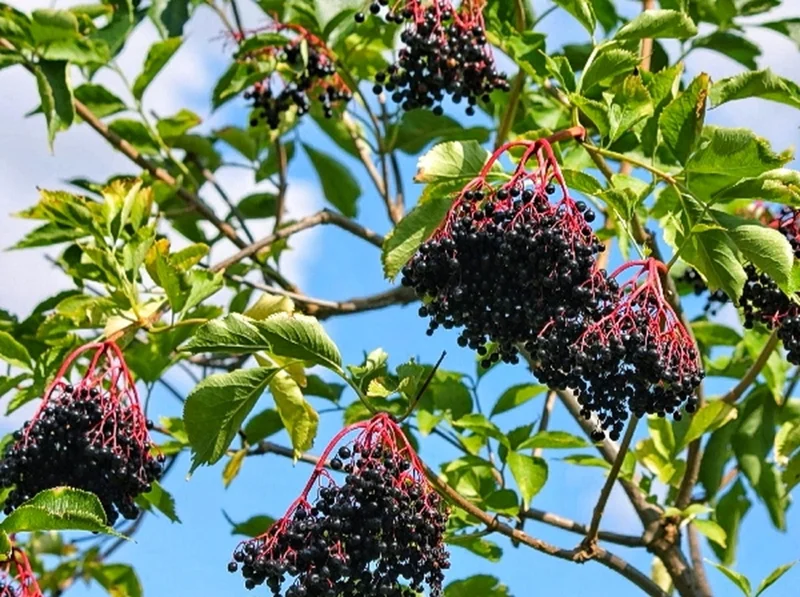
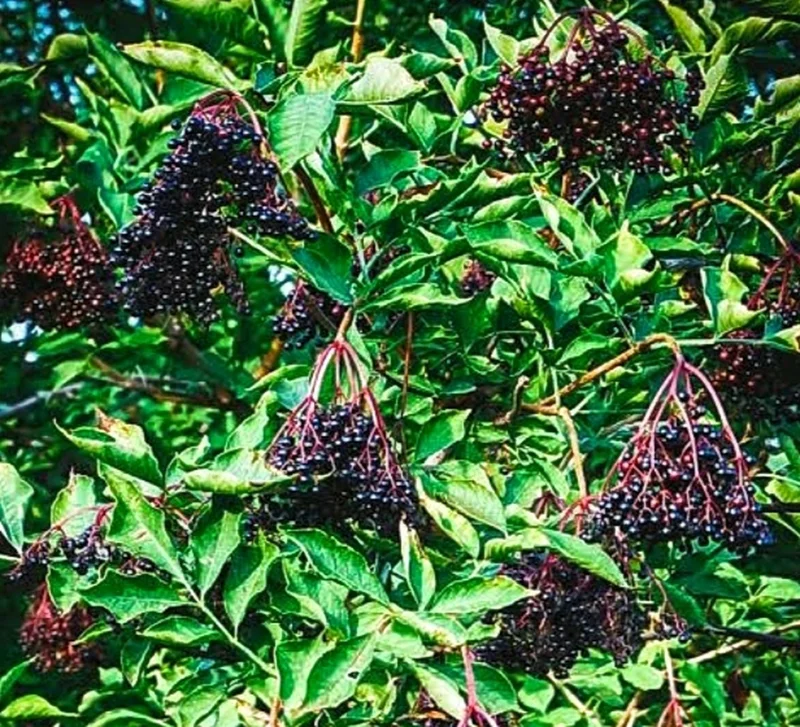
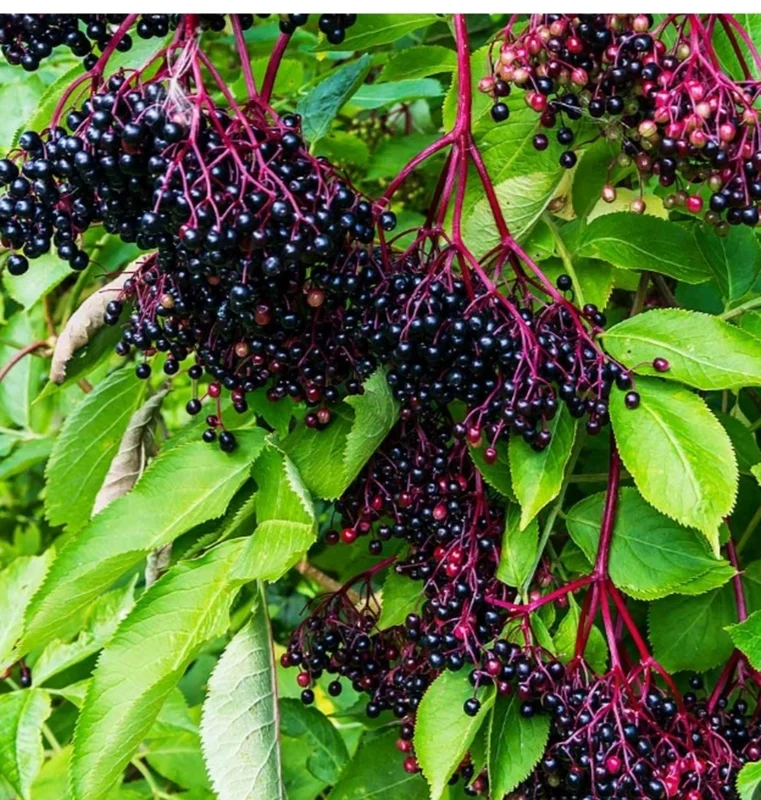
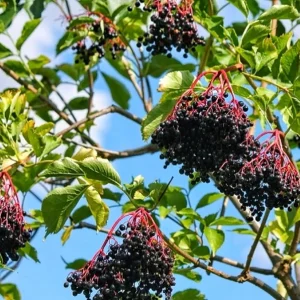
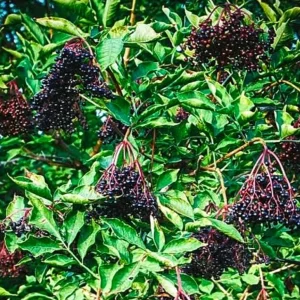
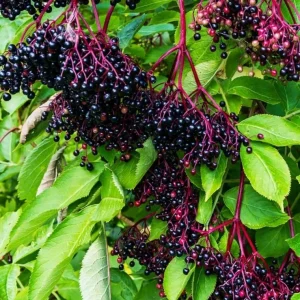
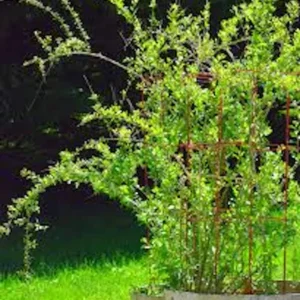
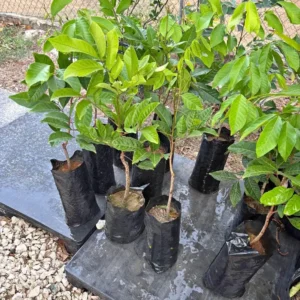
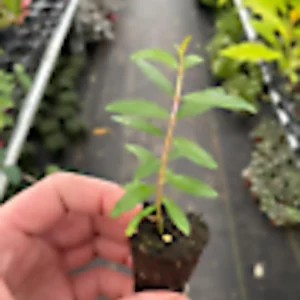
Bring the joy of home-grown fruit to your garden with this elderberry plant live. A robust, fruit-bearing shrub, it’s perfect for creating a natural landscape and harvesting delicious berries. Arrives in a half gallon pot, ready for planting.
$37.99

With our Alive & Thrive Guarantee, we’ve got your back for the first 30 days! If you have any concerns about your plants, just reach out to us. Our team is here to help answer your questions and guide you in selecting the best plants for your garden, climate, and unique preferences. We're excited to help you create the garden of your dreams!
Estimated arrival
Mar 31
Apr 05 - Apr 07
Apr 10 - Apr 14
Product Details
-
USDA Hardiness Zone
USDA Zones 3-9 -
Soil type
Well-draining, loamy soil -
Sunlight Exposure
Full sun to partial shade -
Expected Planting Period
Early spring to fall
Overview
Discover the versatility and beauty of an elderberry plant live in your own backyard. These resilient shrubs, scientifically known as Sambucus nigra, are not only attractive additions to any landscape but also produce an abundance of nutrient-rich berries. Arriving in a convenient half gallon pot, this live plant is ready to be transplanted into your garden, providing you with years of delicious fruit and ornamental appeal. Elderberries are celebrated for their distinctive flavor, making them a popular choice for jams, pies, wines, and health-boosting syrups. Embrace the rewarding experience of growing elderberry and enjoy the fresh taste of nature’s bounty right from your home garden.
Known for their rapid growth and adaptability, elderberry bushes are an excellent choice for both novice and experienced gardeners. They thrive in a variety of conditions, making them a reliable and low-maintenance fruit-bearing option. This particular specimen is a robust, healthy plant, carefully cultivated to ensure strong root development and vigorous growth once planted. Get ready to transform your garden into a productive and beautiful space with this exceptional elderberry plant live.
Key Benefits
Adding an elderberry bush to your garden offers a wealth of advantages beyond just its delicious fruit. Here are some compelling reasons to welcome this versatile plant into your landscape:
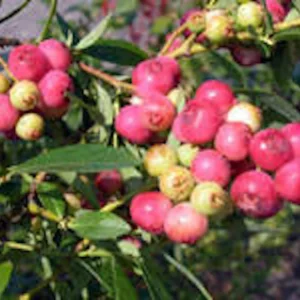
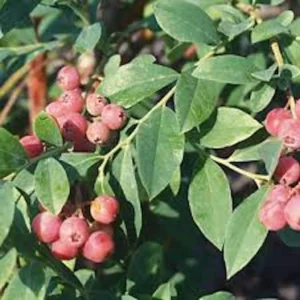
- Abundant Harvest: Enjoy a prolific yield of dark, juicy elderberries, perfect for culinary creations like jams, jellies, pies, and refreshing beverages. The more you nurture your elderberry plant live, the more fruit it will provide.
- Health & Wellness: Elderberries are renowned for their high antioxidant content and traditional medicinal uses, particularly for immune support. Having a fresh supply means you can easily create your own elderberry syrups and remedies.
- Attracts Pollinators: The fragrant, creamy white flower clusters that precede the berries are a magnet for bees and other beneficial pollinators, contributing to a healthier garden ecosystem. This makes growing elderberry beneficial for local wildlife.
- Ornamental Value: Beyond its fruit, the elderberry bush provides attractive foliage, beautiful flowers in late spring, and striking dark berries, enhancing the aesthetic appeal of your garden throughout the seasons.
- Low Maintenance: Once established, elderberry plants are relatively easy to care for, requiring minimal attention compared to many other fruit-bearing plants, making them ideal for busy gardeners.
- Erosion Control: Their strong root systems make elderberry bushes excellent for stabilizing soil and preventing erosion, especially on slopes or along water bodies.
- Wildlife Friendly: While you’ll want to protect your harvest, the berries also provide a valuable food source for birds and other wildlife, enriching your garden’s biodiversity. This fruit bearing plant is a true asset.
Plant Care & Growing Tips
Caring for your elderberry plant live is straightforward, ensuring a bountiful harvest and a healthy, attractive shrub. Elderberries are quite adaptable, but optimal conditions will lead to the best results. They prefer a location with full sun to partial shade, meaning at least 6 hours of direct sunlight per day is ideal for maximum fruit production. While they tolerate some shade, too much will reduce flowering and fruiting. When selecting a spot, consider the mature size of the plant, as it can grow quite large.
Elderberries thrive in well-draining, moderately fertile soil with a pH between 5.5 and 6.5. They are not overly particular about soil type but do best in loamy soil that retains some moisture without becoming waterlogged. When planting your elderberry plant live from its half gallon pot, dig a hole twice as wide as the root ball and just as deep. Mix some compost into the excavated soil to improve fertility and drainage. Water thoroughly after planting. Consistent moisture is crucial, especially during the first year of establishment and during dry spells. Avoid overhead watering to prevent fungal diseases; instead, water at the base of the plant.
Pruning is important for maintaining plant health and encouraging fruit production. In late winter or early spring, remove any dead, damaged, or crossing branches. Elderberries produce fruit on one-year-old wood, so a good strategy is to prune out older, less productive canes to encourage new growth. Fertilize in early spring with a balanced, slow-release fertilizer or a layer of compost around the base. Elderberries are generally hardy and resistant to most pests and diseases, but keep an eye out for common issues like aphids or powdery mildew, treating them promptly if they appear. With proper care, your elderberry plant live will thrive, making growing elderberry a truly rewarding experience.
Size & Details
This offering is for one robust elderberry plant live, carefully cultivated and shipped in a half gallon pot. Upon arrival, the plant will have a well-developed root system, ensuring a smooth transition to your garden. The exact height will vary slightly depending on the growing season and specific variety, but you can expect a healthy young plant ready for transplanting. Typically, elderberry bushes can reach a mature height of 6-12 feet and a spread of 5-8 feet, forming a multi-stemmed shrub. Its growth rate is considered fast, meaning you can expect to see significant development in its first few years.
This fruit bearing plant typically begins producing berries within 1-2 years after planting, with full production usually achieved by the third year. The berries ripen in late summer to early fall, depending on your climate and the specific variety. It is recommended to plant elderberries in groups of two or more for optimal cross-pollination and a more abundant harvest, though many varieties are self-fertile. The plant will arrive securely packaged to minimize stress during transit, ensuring it reaches you in excellent condition, ready for its new home.
Frequently Asked Questions
- Q: How big does this elderberry plant get? A: A: This elderberry plant live is shipped in a half gallon pot. At maturity, elderberry bushes typically grow 6-12 feet tall and 5-8 feet wide, depending on the variety and growing conditions.
- Q: Is this an indoor or outdoor plant? A: Elderberry plants are primarily outdoor shrubs. They require significant sunlight and space to thrive and produce fruit, making them unsuitable for long-term indoor cultivation.
- Q: How much sunlight does an elderberry plant need? A: For best fruit production, your elderberry plant live needs at least 6 hours of direct sunlight per day. It can tolerate partial shade, but fruiting may be reduced.
- Q: Is this plant easy to care for? Is it good for beginners? A: Yes, elderberries are known for being relatively low-maintenance once established, making growing elderberry an excellent choice for beginners. They are quite forgiving of different soil types and conditions.
- Q: What condition will it arrive in? Is it shipped in soil? A: Your elderberry plant live will arrive in its half gallon pot, with the root ball securely contained in soil. It will be carefully packaged to ensure it reaches you in healthy, ready-to-plant condition.
- Q: Can I use elderberries for cooking? A: Absolutely! Elderberries are a popular choice for culinary uses. They can be made into jams, jellies, pies, wines, and immune-boosting syrups. Ensure to cook the berries before consumption as raw elderberries can cause stomach upset.
- Q: When is the best time to plant an elderberry bush? A: The best time to plant your elderberry plant live is in early spring or fall, allowing the roots to establish before extreme summer heat or winter cold.
- Q: What’s the minimum temperature an elderberry plant can tolerate? A: Elderberry plants are quite hardy. Most varieties can tolerate winter temperatures down to USDA Zone 3 or 4, making them suitable for many regions across the US.
- Q: Does this elderberry plant need another plant for pollination? A: While many elderberry varieties are self-fertile, planting two different varieties can often lead to significantly higher fruit yields due to improved cross-pollination. This is often recommended for maximizing your harvest of this fruit bearing plant.
- Q: What kind of soil is best for growing elderberry? A: Elderberries prefer well-draining, moderately fertile soil with a slightly acidic to neutral pH (5.5-6.5). They can tolerate a range of soil types but thrive in loamy conditions.
Related products
-10%
Original price was: $23.99.$21.59Current price is: $21.59.
-10%
Original price was: $89.99.$80.99Current price is: $80.99.
-20%
Original price was: $80.00.$64.00Current price is: $64.00.
-50%
Original price was: $39.98.$19.99Current price is: $19.99.
-20%
Original price was: $36.00.$28.80Current price is: $28.80.
-20%
Original price was: $60.00.$48.00Current price is: $48.00.
-20%
Original price was: $34.00.$27.20Current price is: $27.20.
PLANTING & CARE

Growing Glencoe Raspberry: A Complete Guide for Gardeners
If you’re looking to add something unique to your garden, look no further than the
31
Mar
Mar

The Comprehensive Guide to Growing Bay Leaf Plants for a Flavorful Garden
Imagine stepping into your garden, greeted by the earthy aroma of fresh bay leaves, their
09
Feb
Feb

How to Make Comfrey Tea: The Ultimate Organic Plant Food
Growing an organic garden can be surprisingly expensive, especially when most store-bought fertilizers come in
02
Feb
Feb

True Comfrey: 7 Essential Tips Before You Plant This Herb
A staple in permaculture practices across the US, True Comfrey easily earns its reputation as
27
Jan
Jan

7 Heart-Shaped Plants for a Lasting Valentine’s Gift
If you’ve ever bought a bouquet of roses for Valentine’s Day, you know they are
26
Jan
Jan

Best Types of Ivy Plant for Houses: How to Choose the Perfect Ones for Your Home
Are you a garden lover looking to introduce some greenery into your home? Maybe you’ve
14
Nov
Nov

When to Harvest Garlic (Especially Fall-Planted Garlic)
TIMING IS EVERYTHING, they say – and for garlic, that truth hits with surprising accuracy.
13
Nov
Nov

11 of the Best Sweet Potato Varieties to Grow for Your Garden
If you’ve ever tried growing sweet potatoes, you know that picking the right variety can
12
Nov
Nov