Elephant Garlic Seeds – Fresh Harvest, Healthy USA Seed
-50%


Elephant Garlic Seeds – Fresh Harvest, Healthy USA Seed
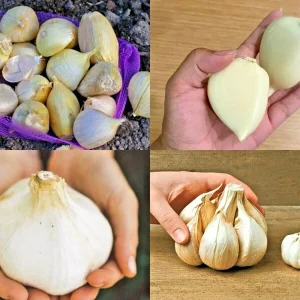
Cultivate impressive, mild elephant garlic in your home garden. These fresh, healthy elephant garlic seeds promise a rewarding harvest of large, flavorful cloves. Ideal for both culinary use and ornamental appeal, they are easy to grow for gardeners of all levels.
From Original price was: $8.68.$4.34Current price is: $4.34.

With our Alive & Thrive Guarantee, we’ve got your back for the first 30 days! If you have any concerns about your plants, just reach out to us. Our team is here to help answer your questions and guide you in selecting the best plants for your garden, climate, and unique preferences. We're excited to help you create the garden of your dreams!
Estimated arrival
Apr 02
Apr 07 - Apr 09
Apr 12 - Apr 16


Product Details
-
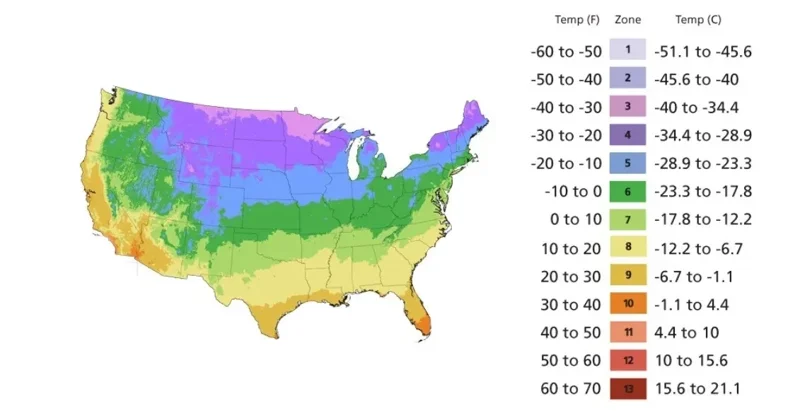
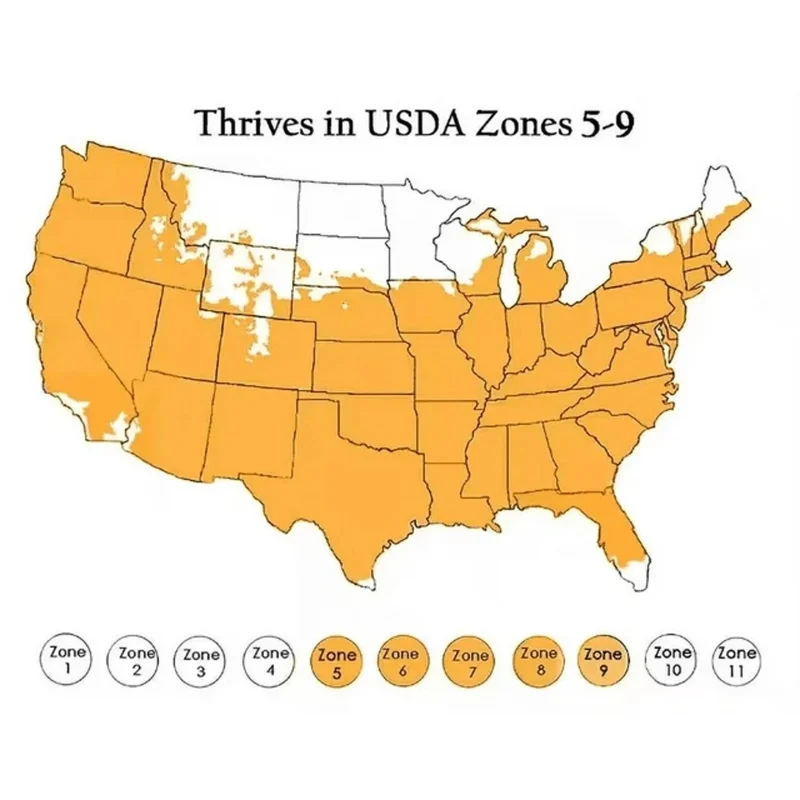
USDA Hardiness Zone
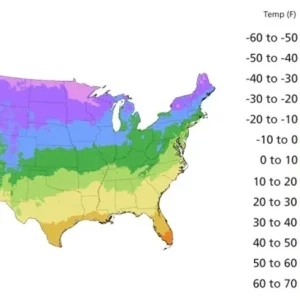
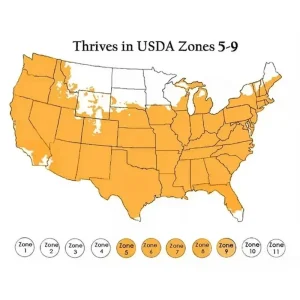
USDA Zones 3-9 -
Soil type
Well-draining, fertile soil -
Sunlight Exposure
Full sun -
Expected Planting Period
Late summer to early fall or early spring
Overview
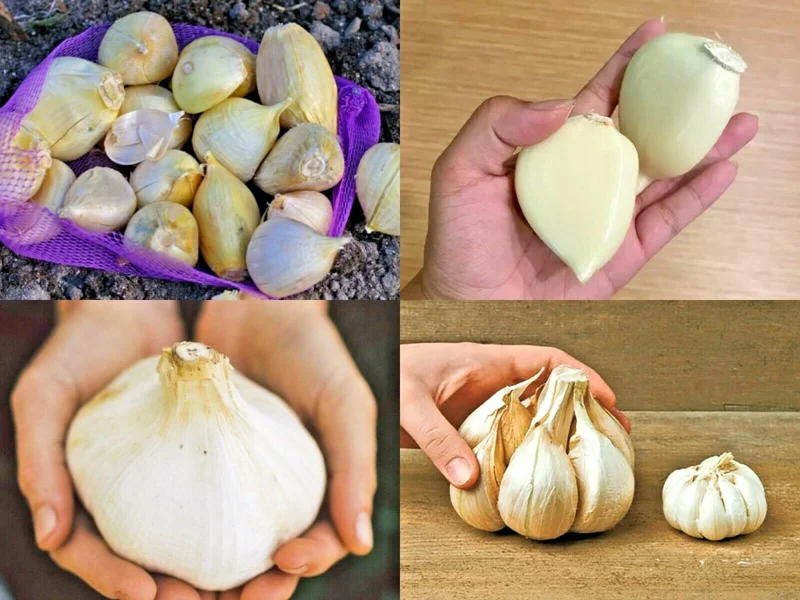
Embark on a rewarding gardening journey with our premium elephant garlic seeds. Renowned for its exceptionally large bulbs and mild, sweet flavor, elephant garlic (Allium ampeloprasum) is a perennial member of the onion family, despite its common name. Unlike true garlic, it produces large, leek-like leaves and flower stalks, culminating in impressive bulbs that can weigh up to a pound each. These fresh, high-quality seeds are perfect for home gardeners eager to cultivate a unique and versatile ingredient, offering a less pungent alternative to traditional garlic while still providing a distinct, savory aroma. Growing elephant garlic from seed allows for a cost-effective and satisfying way to stock your pantry with this culinary delight.
Key Benefits
Our elephant garlic seeds offer numerous advantages for the enthusiastic gardener and home cook alike:
- Impressive Size and Yield: Harvest significantly larger cloves compared to traditional garlic, providing an abundant supply for cooking, roasting, or pickling. These large bulbs also make a striking visual statement in the garden.
- Mild, Sweet Flavor: Enjoy a distinct yet gentler garlic flavor, perfect for those who find regular garlic too intense. Its delicate taste makes it versatile for a wide range of dishes, from sautés to roasted vegetables.
- Easy to Grow: Known for its robust nature, elephant garlic is relatively easy to cultivate, making it an excellent choice for both beginner and experienced gardeners. Simply follow our comprehensive growing guide for successful planting.
- Versatile Culinary Uses: Utilize both the bulbs and the tender green shoots in your cooking. The large cloves are ideal for roasting whole, slicing into salads, or incorporating into stews and stir-fries.
- Ornamental Garden Addition: Beyond its culinary value, the tall flower stalks topped with purple, globe-like blooms add an attractive architectural element to your garden landscape.
- Long Storage Life: Properly cured elephant garlic bulbs can be stored for several months, ensuring you have a steady supply of this flavorful ingredient long after harvest.
- Adaptable to Various Climates: This robust plant can thrive in a wide range of climates, demonstrating good cold resistance and adaptability, making it suitable for many regions.
Plant Care & Growing Tips
To successfully cultivate elephant garlic, choose a site with ample sunlight and well-draining soil. Plant your elephant garlic seeds in late summer or early fall in USDA Zones 3-9 for a spring harvest, or in early spring in colder climates. Prepare the soil by incorporating compost or other organic matter to improve fertility and drainage. Space seeds approximately 6-8 inches apart and about 1 inch deep. Adequate spacing is crucial for the development of large bulbs.
Water regularly, especially during dry periods, ensuring the soil remains consistently moist but not waterlogged. Reduce watering as the bulbs begin to mature in late spring or early summer to prevent rot and encourage curing. Elephant garlic benefits from a balanced fertilizer application in early spring as new growth emerges. Monitor for common pests like onion thrips and diseases such as rust, addressing any issues promptly. The plant will produce a tall flower stalk (scape), which can be cut off (known as ‘scaping’) to direct energy into bulb development, resulting in larger cloves. Harvesting typically occurs when the lower leaves begin to yellow and fall over, usually in mid-summer. Proper curing in a warm, dry, shaded area for several weeks after harvest is essential for good storage.
Size & Details
These elephant garlic seeds are harvested fresh, ensuring optimal viability for your garden. Each seed is capable of producing a full-sized elephant garlic bulb, which can grow to be quite substantial, often 3-5 inches in diameter and weighing several ounces to over a pound, depending on growing conditions and care. The plants themselves can reach heights of 2-3 feet with their broad, strap-like leaves, and the flower stalks can extend even taller. Expect to see initial growth within a few weeks of planting, with bulbs maturing over a period of 8-9 months. These seeds are ready for planting to produce healthy, robust elephant garlic bulbs that will enhance your culinary endeavors. The quantity of seeds provided allows for flexible planting in various garden sizes, from small raised beds to larger plots.
Frequently Asked Questions
- Q: How big does elephant garlic get? A: Elephant garlic bulbs can grow quite large, typically 3-5 inches in diameter, and individual plants can reach 2-3 feet tall. The flower stalks can be even taller, adding an impressive vertical element to your garden.
- Q: Is this an indoor or outdoor plant? A: Elephant garlic is primarily an outdoor plant, thriving in garden beds or large containers. It requires significant space and sunlight to develop its large bulbs.
- Q: How much sunlight does elephant garlic need? A: Elephant garlic requires full sun, meaning at least 6-8 hours of direct sunlight per day, for optimal growth and bulb development.
- Q: Is elephant garlic easy to care for? A: Yes, elephant garlic is considered relatively easy to grow. It requires well-draining soil, consistent watering, and adequate sunlight, making it suitable for gardeners of most skill levels.
- Q: What condition will the seeds arrive in? A: Your elephant garlic seeds will arrive fresh and ready for planting, carefully packaged to maintain their viability and ensure a successful start to your garden.
- Q: How long until elephant garlic is ready to harvest? A: From seed, elephant garlic typically takes 8-9 months to mature, with harvesting usually occurring in mid-summer, when the lower leaves begin to yellow and fall over.
- Q: What is the best time to plant elephant garlic seeds? A: The ideal time for planting elephant garlic seeds is in late summer or early fall in USDA Zones 3-9 for a summer harvest the following year. In colder climates, planting in early spring is also an option.
- Q: Will elephant garlic survive winter in my zone? A: Elephant garlic is quite cold hardy and can survive winters in USDA Zones 3-9 when planted in the fall. Mulching can provide additional protection in colder regions.
- Q: Can I use elephant garlic in cooking? A: Absolutely! Elephant garlic is highly prized for its mild, sweet flavor, making it excellent for roasting, grilling, slicing into salads, or incorporating into various savory dishes. It’s a versatile culinary delight.
- Q: What type of soil does elephant garlic prefer? A: Elephant garlic thrives in fertile, well-draining soil with a neutral to slightly acidic pH. Amending heavy clay soils with organic matter like compost is beneficial.
| Options | 1000Seeds, 100Seeds, 1Bulb, 1Clove, 250Seeds, 25Seeds, 3Cloves, 5000Seeds, 500Seeds, 50Seeds, Sample 5Seeds |
|---|
Related products
-50%


Original price was: $15.00.$7.50Current price is: $7.50.
-48%
Original price was: $28.99.$14.99Current price is: $14.99.
-50%
Original price was: $17.00.$8.50Current price is: $8.50.
-48%
Original price was: $28.99.$14.99Current price is: $14.99.
-50%
Original price was: $59.96.$29.98Current price is: $29.98.
-48%
Original price was: $28.99.$14.99Current price is: $14.99.
-50%
Original price was: $51.96.$25.98Current price is: $25.98.
PLANTING & CARE

Growing Glencoe Raspberry: A Complete Guide for Gardeners
If you’re looking to add something unique to your garden, look no further than the
31
Mar
Mar

The Comprehensive Guide to Growing Bay Leaf Plants for a Flavorful Garden
Imagine stepping into your garden, greeted by the earthy aroma of fresh bay leaves, their
09
Feb
Feb

How to Make Comfrey Tea: The Ultimate Organic Plant Food
Growing an organic garden can be surprisingly expensive, especially when most store-bought fertilizers come in
02
Feb
Feb

True Comfrey: 7 Essential Tips Before You Plant This Herb
A staple in permaculture practices across the US, True Comfrey easily earns its reputation as
27
Jan
Jan

7 Heart-Shaped Plants for a Lasting Valentine’s Gift
If you’ve ever bought a bouquet of roses for Valentine’s Day, you know they are
26
Jan
Jan

Best Types of Ivy Plant for Houses: How to Choose the Perfect Ones for Your Home
Are you a garden lover looking to introduce some greenery into your home? Maybe you’ve
14
Nov
Nov

When to Harvest Garlic (Especially Fall-Planted Garlic)
TIMING IS EVERYTHING, they say – and for garlic, that truth hits with surprising accuracy.
13
Nov
Nov

11 of the Best Sweet Potato Varieties to Grow for Your Garden
If you’ve ever tried growing sweet potatoes, you know that picking the right variety can
12
Nov
Nov