Empress of India Nasturtium Seeds – 25 Count – Deep Red Edible Flowers – Annual
-63%
Empress of India Nasturtium Seeds – 25 Count – Deep Red Edible Flowers – Annual
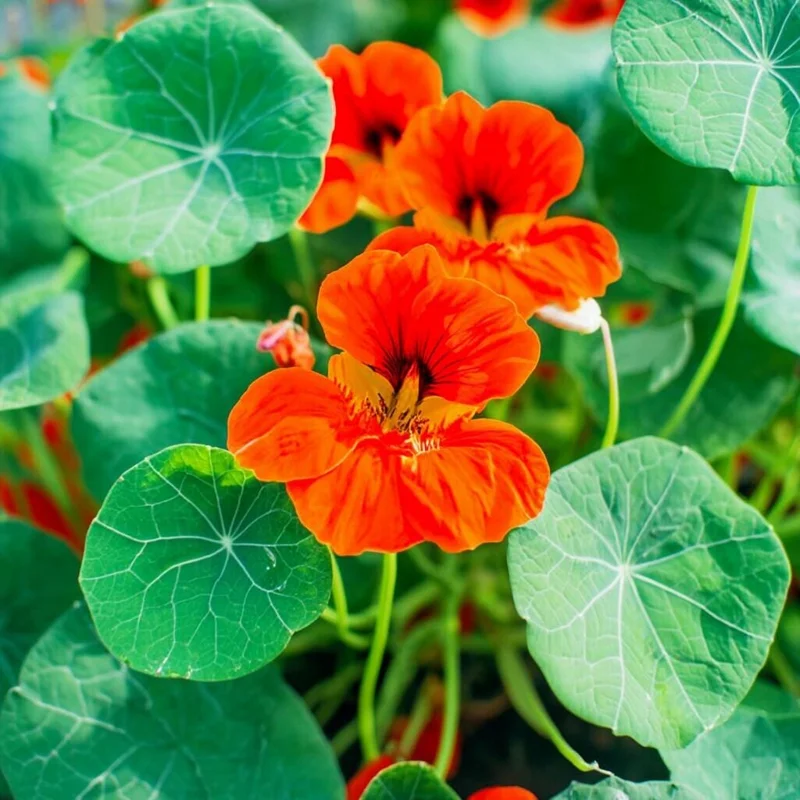
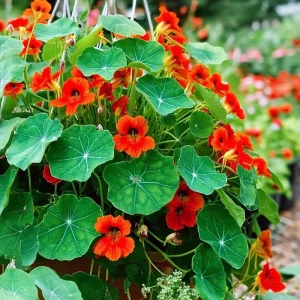
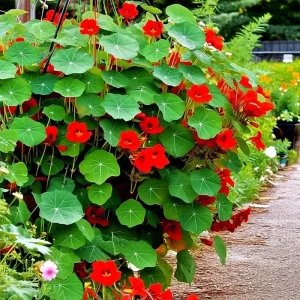
Discover the beauty of Empress of India Nasturtium seeds, yielding stunning deep red edible flowers. This annual variety is perfect for adding dramatic color to garden beds, containers, and borders, while also attracting beneficial pollinators. Enjoy both ornamental beauty and culinary uses with these easy-to-grow seeds.
Original price was: $31.99.$11.99Current price is: $11.99.

With our Alive & Thrive Guarantee, we’ve got your back for the first 30 days! If you have any concerns about your plants, just reach out to us. Our team is here to help answer your questions and guide you in selecting the best plants for your garden, climate, and unique preferences. We're excited to help you create the garden of your dreams!
Estimated arrival
Apr 12
Apr 17 - Apr 19
Apr 22 - Apr 26


Product Details
-
USDA Hardiness Zone
Annual in all zones -
Soil type
Well-draining soil -
Sunlight Exposure
Full sun to partial shade -
Expected Planting Period
Spring to early summer
Overview
Introduce a splash of dramatic color and edible charm to your garden with Empress of India Nasturtium seeds. This striking annual, scientifically known as Tropaeolum nanum, is celebrated for its rich, deep red edible blooms and lush, vibrant green foliage. Ideal for garden beds, containers, trellises, and borders, these nasturtiums are a versatile addition to any landscape. They not only provide visual appeal but also play a vital role in attracting pollinators like bees and butterflies, enriching your garden’s ecosystem. The unique trailing or bushy habit of this plant, combined with its functional edible flowers and leaves, makes it a truly dual-purpose specimen for both ornamental display and culinary delight. Growing Empress of India Nasturtium seeds is a rewarding experience for gardeners of all levels, offering both beauty and practicality.
These deep red nasturtium plants are known for their rapid growth and relatively low maintenance, making them an excellent choice for adding instant impact to your outdoor spaces. Whether you’re looking to create an eye-catching border, fill a hanging basket, or add a unique ingredient to your salads, the Empress of India Nasturtium delivers. Its distinctive color sets it apart, ensuring your garden stands out. The ease of cultivation from Empress of India Nasturtium seeds means you can enjoy these beautiful and tasty flowers year after year with minimal effort.
Key Benefits
Growing Empress of India Nasturtiums from seed offers a multitude of benefits, enriching your garden and culinary experiences. These versatile plants provide both aesthetic appeal and practical uses.
- Stunning Visual Impact: The deep red, almost velvety flowers of the Empress of India Nasturtium create a striking contrast against its green foliage, making it a focal point in any garden design. Its vibrant hues instantly elevate garden beds and containers.
- Edible Delights: Both the flowers and leaves are edible, offering a peppery, slightly spicy flavor. They are perfect for adding a gourmet touch and beautiful garnish to salads, sandwiches, and other dishes, allowing you to enjoy your garden’s bounty.
- Attracts Pollinators: These nasturtiums are a magnet for beneficial insects such as bees and butterflies, supporting local ecosystems and improving pollination for other plants in your garden. This makes them an excellent choice for a pollinator-friendly garden.
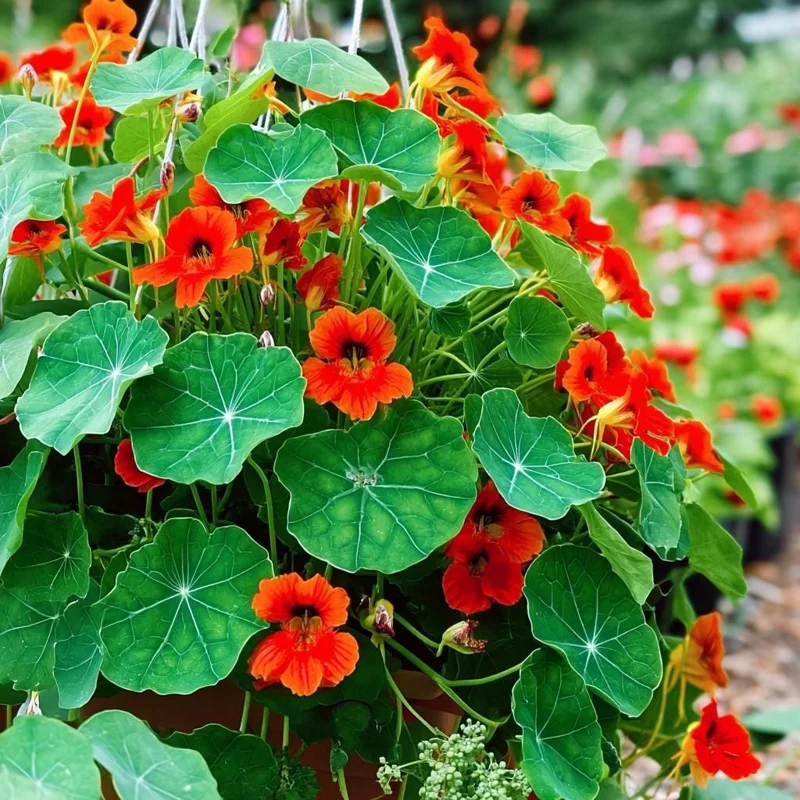
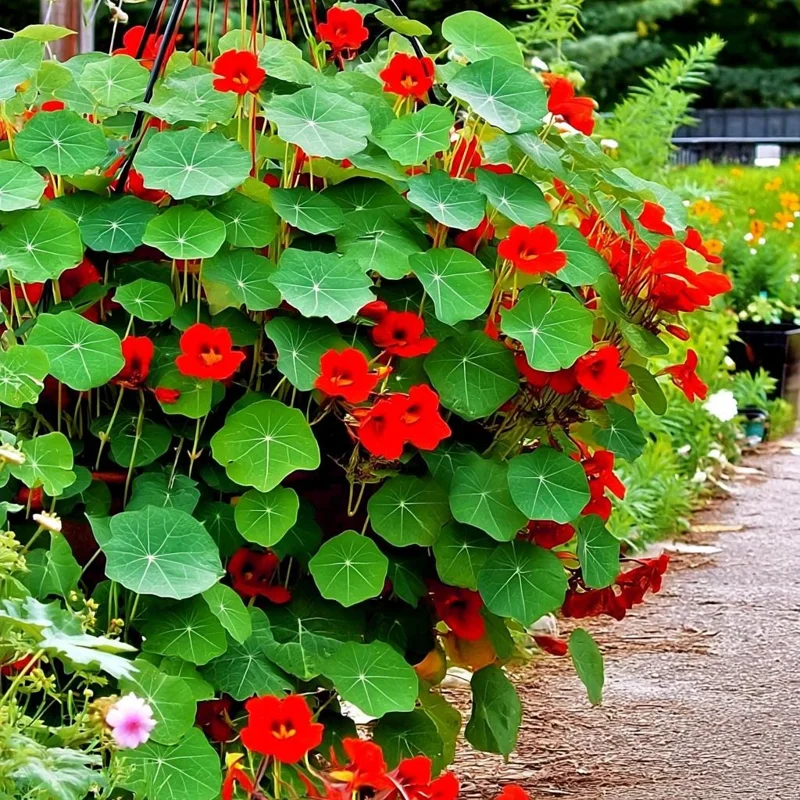
- Versatile Growth Habit: With a trailing or bushy growth habit, the deep red nasturtium is incredibly adaptable. It thrives in hanging baskets, cascades over walls, fills borders, or climbs trellises, offering flexible landscaping options.
- Easy to Grow: Empress of India Nasturtium seeds are known for their high germination rates and robust growth, making them an ideal choice for beginner gardeners and those seeking low-maintenance beauty.
- Continuous Blooms: With proper care, these annual nasturtiums will produce a continuous display of flowers throughout the growing season, providing long-lasting color and enjoyment.
- Pest Deterrent: Nasturtiums are often used as a trap crop, diverting common garden pests away from more valuable plants, thus contributing to a healthier garden environment.
Plant Care & Growing Tips
Cultivating Empress of India Nasturtium seeds is straightforward, ensuring a rewarding experience with vibrant blooms and edible leaves. Understanding their basic needs will help you achieve a flourishing display. These plants prefer full sun conditions, meaning at least 6-8 hours of direct sunlight daily, but they can also tolerate partial shade, especially in hotter climates where some afternoon shade can prevent scorching. For optimal growth and flowering, a sunny spot is highly recommended. Properly tending to your nasturtium plant care will lead to a bounty of beautiful flowers.
When it comes to watering, moderation is key. Empress of India Nasturtiums prefer the soil to dry out slightly between waterings. Overwatering can lead to lush foliage at the expense of flowers, and can also contribute to root rot. Well-drained soil is crucial; a sandy loam mix works best. If planting in containers, ensure pots have drainage holes. Fertilization is generally not heavily required; too much nitrogen can encourage leaf growth over blossoms. A balanced, all-purpose fertilizer can be used sparingly if growth seems stunted. Deadheading spent flowers will encourage the plant to produce more blooms throughout the season, though leaving some to go to seed will allow for self-sowing next year. Keep an eye out for aphids, a common pest, and address them with organic insecticidal soap if needed. Understanding efficient nasturtium plant care will ensure a vibrant and healthy garden.
For sowing, you can plant Empress of India Nasturtium seeds directly outdoors after the last frost has passed, or start them indoors 4–6 weeks prior to transplanting. Plant seeds approximately 1/2 inch deep in moist, well-drained soil. Maintain consistent moisture until germination occurs, which typically takes 7–14 days. Once seedlings are established, space them 10–12 inches apart to allow for adequate growth and air circulation. This spacing is particularly important for promoting healthy development of your annual nasturtium plants. These versatile plants are ideal for various garden applications, including container planting, creating striking borders, or allowing them to cascade elegantly over trellises and hanging baskets. Ensuring proper spacing and soil conditions will contribute significantly to the overall health and vigor of your plants.
Size & Details
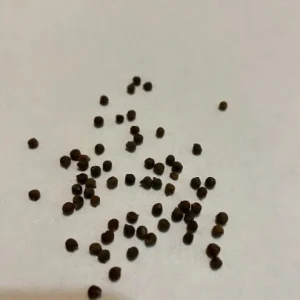
Each packet contains 25 high-quality Empress of India Nasturtium seeds, providing ample opportunity to establish a vibrant display in your garden. These seeds are ready for planting in spring after the last frost, or can be started indoors for an earlier bloom. The plants typically grow to a height of 10-12 inches with a bushy or trailing spread, making them versatile for various garden designs. Their growth rate is relatively fast, with germination occurring within 7-14 days and flowering usually beginning 35-50 days after planting, offering quick gratification.
The mature plants will feature distinctive deep red flowers, approximately 1-2 inches in diameter, set against attractive green foliage. They are perfect for creating a lush, colorful groundcover or adding a cascading effect in hanging baskets. These seeds are an excellent choice for anyone looking to grow a robust and beautiful annual nasturtium that serves both ornamental and culinary purposes. The trailing habit can extend up to 2 feet, making them highly adaptable to different garden structures.
Frequently Asked Questions
- Q: How big does the Empress of India Nasturtium get? A: This variety typically grows to about 10-12 inches tall with a bushy or trailing spread that can reach up to 2 feet, making it suitable for various garden applications like borders, containers, and hanging baskets.
- Q: Is this an indoor or outdoor plant? A: While primarily an outdoor annual, Empress of India Nasturtium seeds are best started outdoors after the last frost. They can also be started indoors to get a head start on the growing season before transplanting outside.
- Q: How much sunlight does the Empress of India Nasturtium need? A: These plants thrive in full sun, requiring at least 6-8 hours of direct sunlight daily for the best flowering. They can tolerate partial shade, but may produce fewer blooms.
- Q: Is this plant easy to care for? A: Yes, nasturtium plant care is considered easy. They are low-maintenance annuals, making them an excellent choice for beginner gardeners. They require well-drained soil and moderate watering.
- Q: What condition will the seeds arrive in? A: Your order will contain a packet of 25 viable Empress of India Nasturtium seeds, ready for planting according to the provided instructions.
- Q: Can I use Empress of India Nasturtium in cooking? A: Absolutely! Both the vibrant deep red flowers and the leaves of the Empress of India Nasturtium are edible and have a pleasant peppery taste, perfect for salads, garnishes, and other culinary uses.
- Q: How long until it blooms? A: Typically, you can expect the Empress of India Nasturtium to start blooming approximately 35-50 days after planting the seeds, providing a relatively quick reward for your gardening efforts.
- Q: When is the best time to plant Empress of India Nasturtium seeds? A: The best time to sow Empress of India Nasturtium seeds directly outdoors is after all danger of frost has passed in your area, usually in late spring. For an earlier start, seeds can be sown indoors 4-6 weeks before the last expected frost date.
- Q: Will it survive winter in my zone? A: Empress of India Nasturtium is an annual plant, meaning it completes its life cycle within one growing season. It will not survive winter frosts and will need to be replanted from Empress of India Nasturtium seeds each year.
- Q: What type of soil does this nasturtium prefer? A: These nasturtiums prefer well-drained soil that isn’t overly rich in nutrients. A sandy loam is ideal, as too much nitrogen can encourage foliage growth at the expense of the beautiful flowers.
Related products
-50%

Original price was: $38.36.$19.18Current price is: $19.18.
-50%
Original price was: $23.96.$11.98Current price is: $11.98.
-50%

Original price was: $23.96.$11.98Current price is: $11.98.
-50%
Original price was: $7.98.$3.98Current price is: $3.98.
-50%
Original price was: $7.98.$3.98Current price is: $3.98.
-50%
Original price was: $23.96.$11.98Current price is: $11.98.
PLANTING & CARE
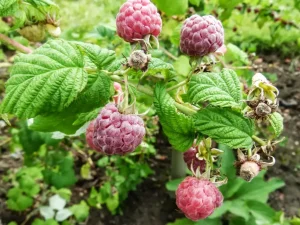
Growing Glencoe Raspberry: A Complete Guide for Gardeners
If you’re looking to add something unique to your garden, look no further than the
31
Mar
Mar

The Comprehensive Guide to Growing Bay Leaf Plants for a Flavorful Garden
Imagine stepping into your garden, greeted by the earthy aroma of fresh bay leaves, their
09
Feb
Feb

How to Make Comfrey Tea: The Ultimate Organic Plant Food
Growing an organic garden can be surprisingly expensive, especially when most store-bought fertilizers come in
02
Feb
Feb

True Comfrey: 7 Essential Tips Before You Plant This Herb
A staple in permaculture practices across the US, True Comfrey easily earns its reputation as
27
Jan
Jan

7 Heart-Shaped Plants for a Lasting Valentine’s Gift
If you’ve ever bought a bouquet of roses for Valentine’s Day, you know they are
26
Jan
Jan

Best Types of Ivy Plant for Houses: How to Choose the Perfect Ones for Your Home
Are you a garden lover looking to introduce some greenery into your home? Maybe you’ve
14
Nov
Nov

When to Harvest Garlic (Especially Fall-Planted Garlic)
TIMING IS EVERYTHING, they say – and for garlic, that truth hits with surprising accuracy.
13
Nov
Nov

11 of the Best Sweet Potato Varieties to Grow for Your Garden
If you’ve ever tried growing sweet potatoes, you know that picking the right variety can
12
Nov
Nov