Euphorbia Obesa Hybrid Live Plant – Baseball Plant Succulent in 3″ Pot – Rare Indoor
-23%
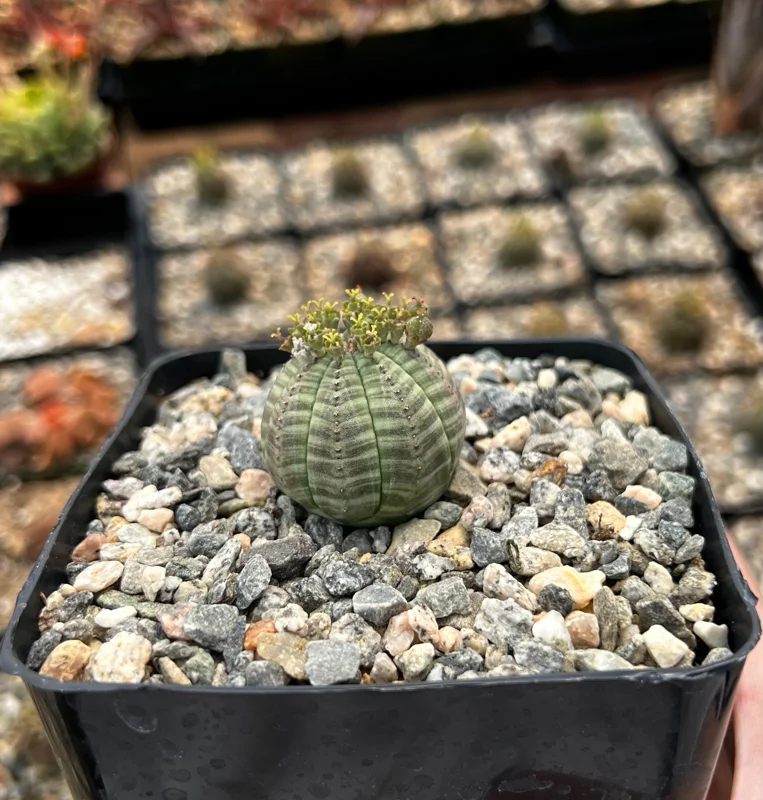
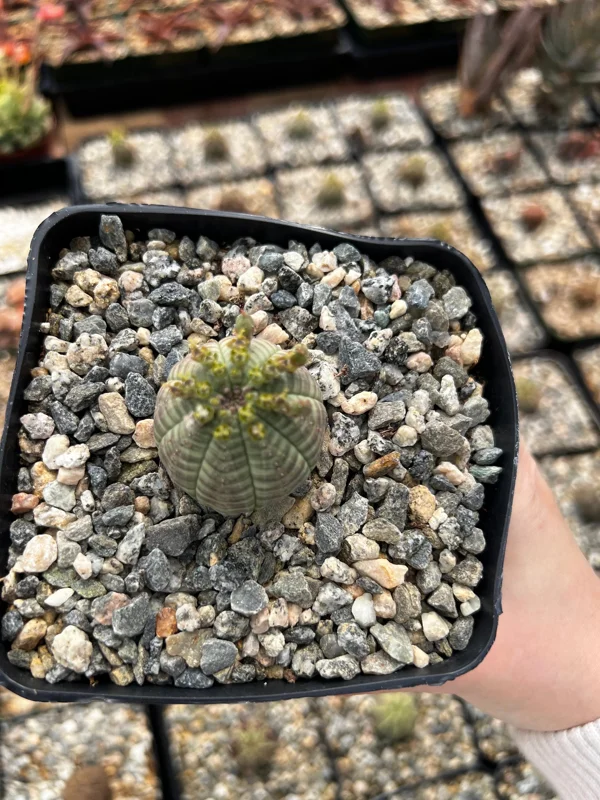
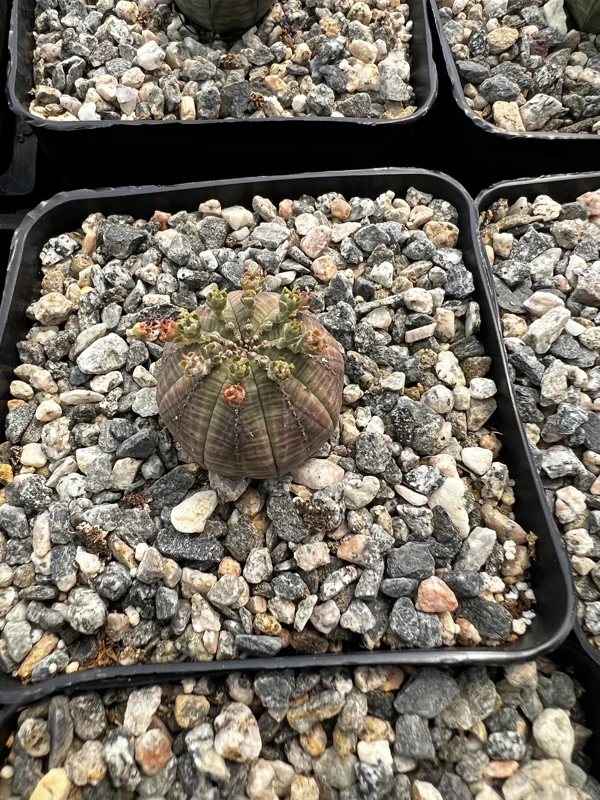
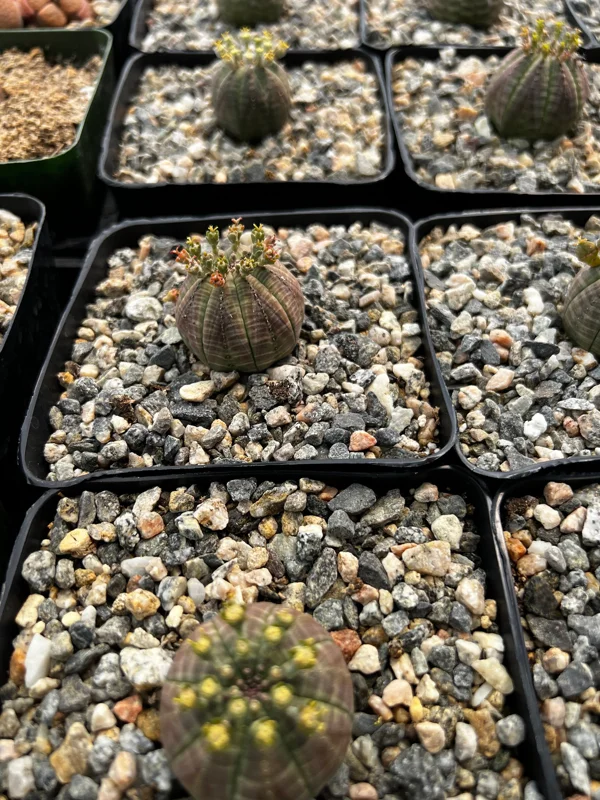
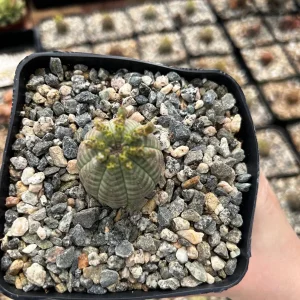
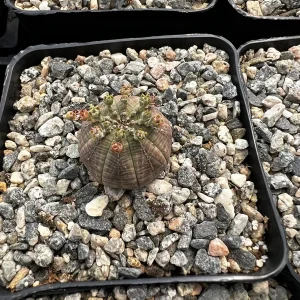
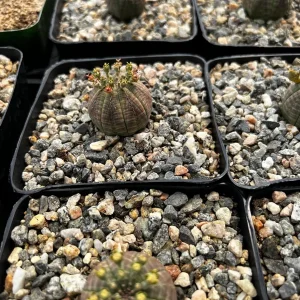
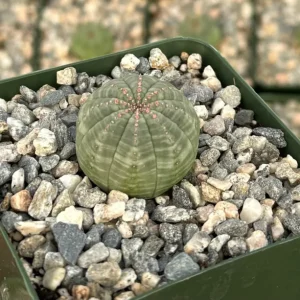
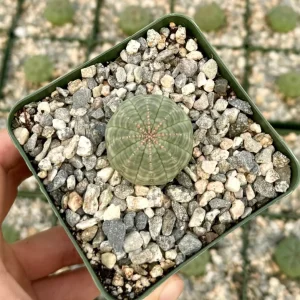
Euphorbia Obesa Hybrid Live Plant – Baseball Plant Succulent in 3″ Pot – Rare Indoor
Introduce a unique Euphorbia Obesa Hybrid live plant to your collection. This slow-growing, spherical Baseball Plant succulent is shipped in a 3-inch pot, perfect for beginners and collectors. Enjoy its low-maintenance beauty as an indoor succulent plant with minimal Euphorbia care.
Original price was: $63.99.$48.99Current price is: $48.99.

With our Alive & Thrive Guarantee, we’ve got your back for the first 30 days! If you have any concerns about your plants, just reach out to us. Our team is here to help answer your questions and guide you in selecting the best plants for your garden, climate, and unique preferences. We're excited to help you create the garden of your dreams!
Estimated arrival
Oct 14
Oct 19 - Oct 21
Oct 24 - Oct 28
Product Details
-
USDA Hardiness Zone
USDA zones 9-11 (primarily indoor) -
Soil type
Well-draining succulent or cactus potting mix -
Sunlight Exposure
Bright, indirect light -
Expected Planting Period
Year-round indoors
Overview
Introduce a truly unique and captivating specimen to your plant collection with the Euphorbia Obesa Hybrid live plant, often affectionately called the Baseball Plant succulent. This remarkable rare succulent plant is a small, slow-growing succulent that originates from the arid regions of South Africa. Known for its distinctive spherical shape, which closely resembles a baseball, it has become a highly sought-after item among plant collectors and enthusiasts worldwide. As a member of the diverse Euphorbia family, this hybrid combines the best characteristics of its parent species, offering a visually intriguing and relatively low-maintenance addition to any indoor garden. Each live plant is carefully cultivated and shipped in a 3-inch pot, ready to thrive in its new home. Its unique form and minimal care requirements make it an excellent choice for adding a touch of exotic beauty to your living space or office.
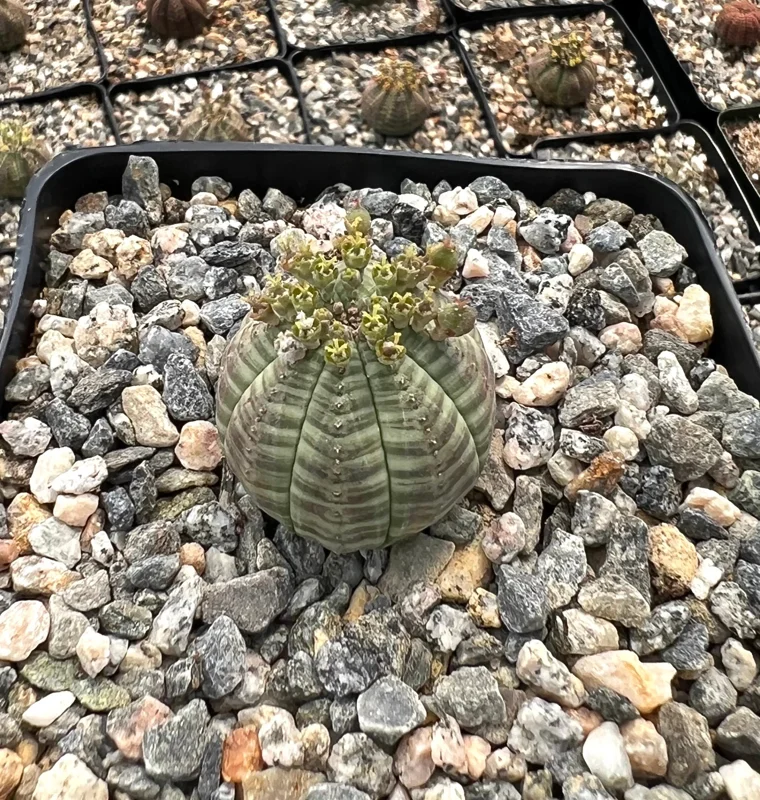
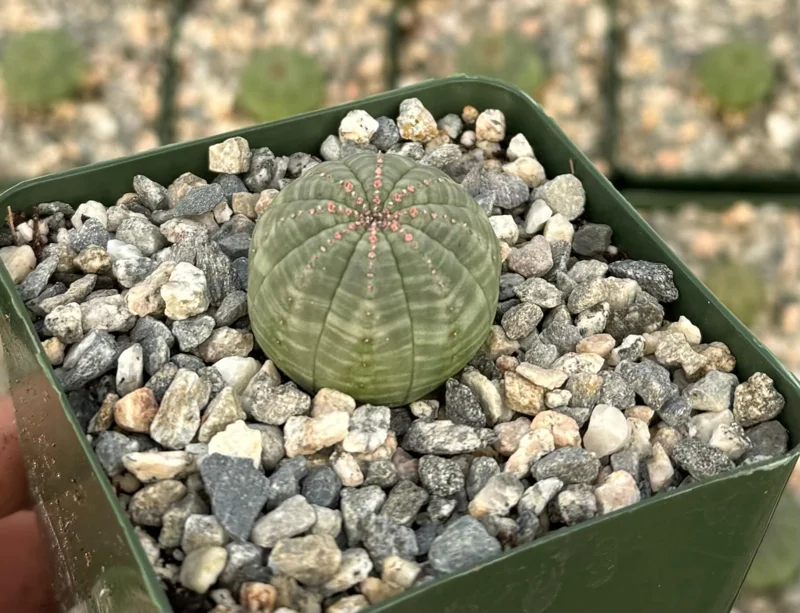
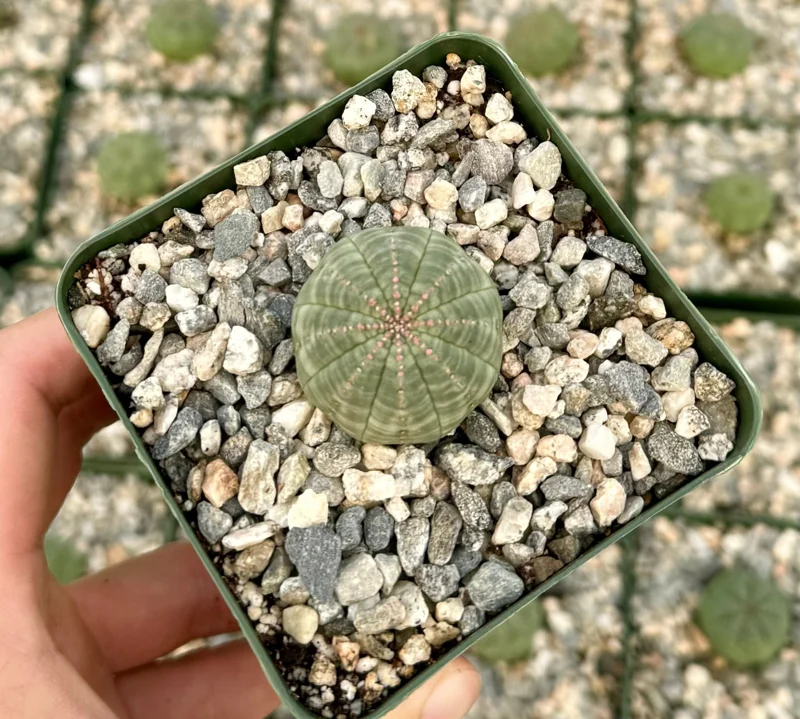
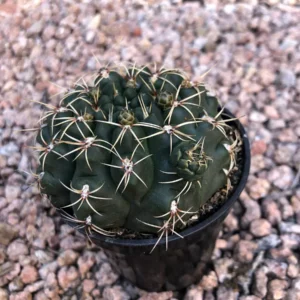
The Euphorbia Obesa Hybrid stands out with its green, ribbed stem, typically divided into 8 distinct segments. Each segment features a small circular depression, or ‘areole,’ from which tiny, unassuming yellow or green flowers emerge during the spring and summer months. This particular hybrid is a fascinating example of a dioecious plant, meaning individual plants are either male or female, contributing to its biological intrigue. Whether you’re a seasoned collector seeking a rare succulent plant or a beginner looking for an easy-to-care-for indoor companion, the Baseball Plant succulent offers both aesthetic appeal and botanical interest.
Key Benefits
The Euphorbia Obesa Hybrid live plant offers a range of benefits that make it a standout choice for any plant enthusiast. Its unique appearance and easy care requirements contribute to its widespread appeal. This Baseball Plant succulent is not just a conversation starter, but also a resilient and rewarding plant to grow.
- Unique Ornamental Appeal: The distinct spherical shape and ribbed texture of the Euphorbia Obesa Hybrid make it an eye-catching decorative element. It adds a modern, sculptural touch to any room, perfect for desks, shelves, or windowsills. Its form is truly one-of-a-kind, bringing an element of natural art to your home or office.
- Low Maintenance: This indoor succulent plant is incredibly forgiving and requires minimal attention, making it ideal for busy individuals or those new to plant care. Its drought tolerance means you don’t have to worry about frequent watering, simplifying your plant care routine.
- Rare Collector’s Item: As a rare succulent plant and a hybrid, the Baseball Plant is a prized possession for collectors. Owning one adds prestige and diversity to a specialized succulent collection, making it a conversation piece.
- Versatile Indoor Plant: Thriving in bright, indirect light, it’s perfectly suited for various indoor environments. Its compact size ensures it fits well in small spaces, making it ideal for windowsills, shelves, or terrariums.
- Slow Growing: Its slow growth rate means it will maintain its charming, compact size for a long time, requiring less frequent repotting and maintaining its aesthetic appeal without quickly outgrowing its space. This makes it a long-term companion.
- Drought Tolerant: Due to its South African origins, the Baseball Plant succulent is highly adapted to dry conditions, requiring infrequent watering and making it very resilient. This feature contributes significantly to its low-maintenance appeal.
- Educational Value: Its dioecious nature (separate male and female plants) provides an interesting botanical topic for discussion and observation, appealing to those interested in plant biology and the specifics of Euphorbia care.
Plant Care & Growing Tips
Caring for your Euphorbia Obesa Hybrid live plant is straightforward, making it an excellent choice for both novice and experienced gardeners. This indoor succulent plant thrives with proper light, watering, and soil conditions. For optimal growth and health, understanding its specific needs is key to successful Euphorbia care.
Sunlight Requirements: The Baseball Plant succulent prefers bright, indirect light. Place it near a south or west-facing window where it can receive several hours of bright light without direct, harsh sun exposure, which can scorch its delicate skin. If grown outdoors in suitable climates, partial shade during the hottest part of the day is recommended. Insufficient light can lead to etiolation, where the plant stretches and loses its compact, spherical shape.
Watering Schedule: Being a succulent, the Euphorbia Obesa Hybrid is highly drought-tolerant. Water sparingly, allowing the soil to dry out completely between waterings. Overwatering is the most common cause of root rot and plant death for succulents. During the growing season (spring and summer), water thoroughly but infrequently. Reduce watering significantly in the fall and winter months when the plant enters dormancy. Always check the soil moisture with your finger before watering. Proper Euphorbia care emphasizes less is more when it comes to water.
Soil Type and Drainage: This rare succulent plant requires a well-draining soil mix to prevent waterlogging. A specialized succulent or cactus potting mix is ideal. You can also create your own by mixing equal parts potting soil, perlite, and coarse sand. The pot must have drainage holes to allow excess water to escape. Good drainage is crucial for preventing root issues and ensuring the health of your indoor succulent plant.
Temperature and Hardiness: The Euphorbia Obesa Hybrid thrives in warm temperatures, ideally between 60-85°F (15-29°C). It is not frost-tolerant and should be protected from temperatures below 40°F (4°C). If you live in a region with cold winters, it’s best to grow this plant indoors or provide winter protection. While not explicitly given, most Euphorbia succulents are suited for USDA zones 9-11 if grown outdoors, but it is primarily cultivated as an indoor succulent plant.
Fertilization: Fertilize sparingly during the active growing season (spring and summer) with a balanced, diluted liquid fertilizer formulated for succulents or cacti. Too much fertilizer can harm the plant. Avoid fertilizing during its dormant period in winter.
Common Problems: Watch out for mealybugs or spider mites, which can occasionally affect succulents. Treat with insecticidal soap or neem oil if infestations occur. The primary issue is usually overwatering, leading to soft spots or rot; if this happens, reduce watering immediately and ensure good air circulation. Maintaining proper Euphorbia care practices will help prevent most issues.
Size & Details
Each Euphorbia Obesa Hybrid live plant, or Baseball Plant succulent, is a live plant shipped in a sturdy 3-inch nursery pot, providing a perfect start for its new home. The plant’s distinctive green, ribbed stem typically grows up to 15 cm (approximately 6 inches) in height and 10 cm (approximately 4 inches) in diameter, achieving a charming, compact size that makes it ideal for windowsills, office desks, or small decorative spaces. This rare succulent plant is known for its exceptionally slow growth rate; it may take several years to reach its full mature size, making it a long-term companion for your indoor garden.
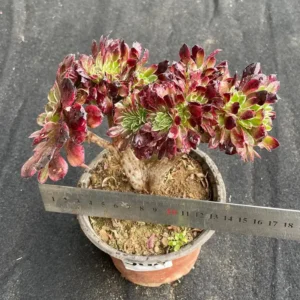
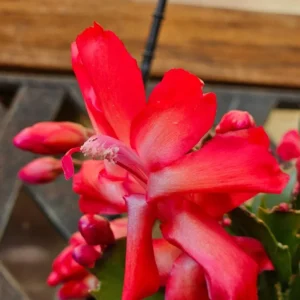
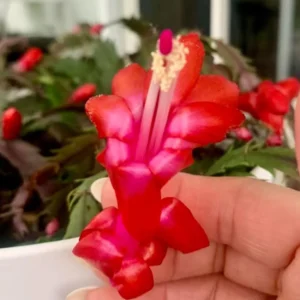
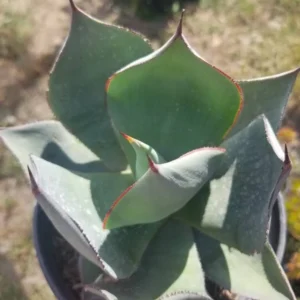
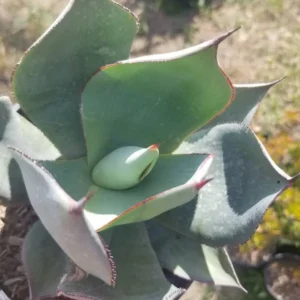
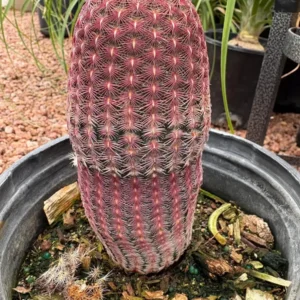
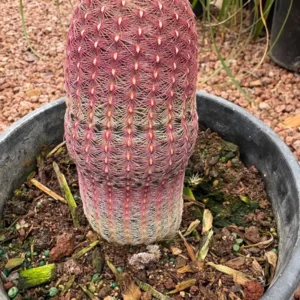
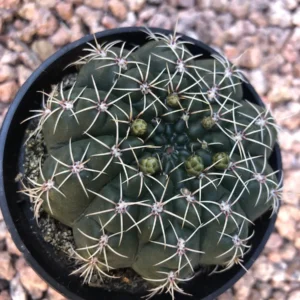
The plant you receive will be similar in size and appearance to those depicted in product images, carefully selected to ensure quality and health. It arrives rooted in its pot with appropriate soil, ready for placement or repotting into a slightly larger decorative container if desired. Its slow growth and unique form make it a fascinating specimen for both beginners and seasoned collectors seeking a distinctive indoor succulent plant with minimal fuss.
Frequently Asked Questions
- Q: How big does this plant get? A: The Euphorbia Obesa Hybrid live plant is a slow-growing succulent. It typically reaches a mature height of about 6 inches (15 cm) and a diameter of 4 inches (10 cm) over several years, maintaining a compact and appealing spherical shape.
- Q: What size pot does it come in? A: Each Baseball Plant succulent is shipped as a live plant in a 3-inch nursery pot, providing a healthy start and allowing you to choose a decorative pot of your liking.
- Q: Is this an indoor or outdoor plant? A: While it can tolerate outdoor conditions in very warm climates (USDA zones 9-11), the Euphorbia Obesa Hybrid is primarily cultivated and recommended as an indoor succulent plant due to its sensitivity to cold temperatures and frost.
- Q: How much sunlight does it need? A: This rare succulent plant thrives in bright, indirect light. Avoid direct, harsh sunlight, especially during the hottest parts of the day, as it can cause sunburn. A bright window with filtered light is ideal for optimal Euphorbia care.
- Q: Is this plant easy to care for? A: Yes, the Euphorbia Obesa Hybrid is considered relatively easy to care for, especially for those familiar with succulents. Its main requirements are bright indirect light and infrequent watering, making it a good choice for beginners.
- Q: What condition will it arrive in? A: Your plant will arrive healthy and well-rooted in its 3-inch pot. We take great care in packaging to ensure it reaches you in excellent condition, ready to be enjoyed.
- Q: How often should I water my Baseball Plant succulent? A: Water sparingly. Allow the soil to dry out completely between waterings. Overwatering is detrimental to this indoor succulent plant. Reduce watering further during colder months.
- Q: Is the Baseball Plant succulent pet-safe? A: Like many Euphorbia species, the sap of the Euphorbia Obesa Hybrid can be irritating if ingested or if it comes into contact with skin or eyes. It’s best to keep it out of reach of pets and children.
- Q: When is the best time to repot this rare succulent plant? A: Due to its slow growth rate, repotting is infrequent. When necessary, repot in spring or early summer into a slightly larger pot with fresh, well-draining succulent soil.
- Q: What type of soil is best for Euphorbia care? A: A well-draining cactus or succulent potting mix is essential. You can also amend regular potting soil with perlite or coarse sand to improve drainage for your Euphorbia Obesa Hybrid.
Related products
-30%
Original price was: $47.98.$33.58Current price is: $33.58.
-30%
Original price was: $49.98.$34.98Current price is: $34.98.
-30%
Original price was: $47.98.$33.58Current price is: $33.58.
-30%
Original price was: $79.98.$55.98Current price is: $55.98.
PLANTING & CARE
Lemon Tree Growing: Choose, Plant, and Harvest
Learn how to choose, plant, feed, and protect a lemon tree so it fits your
23
Sep
Sep
Dwarf Meyer Lemon Tree Australia: Climate Guide
Learn where dwarf Meyer lemon trees grow, how much cold they tolerate, and whether Australia,
Where to Buy a Dwarf Meyer Lemon Tree: Buyer’s Guide
Find the right dwarf Meyer lemon tree online or locally, compare starter sizes and costs,
Dwarf Meyer Lemon Tree for Sale: Buying Guide
Compare Meyer lemon tree sizes, prices, shipping limits, indoor growing and California options before you
Dwarf Meyer Lemon Tree Guide: Size, Care and Fruit
META: Learn how large a dwarf Meyer lemon tree grows, where it thrives, and how
How to Prune a Dwarf Meyer Lemon Tree
Learn when and how to prune a dwarf Meyer lemon tree, including tools, shaping cuts,
Can You Grow a Dwarf Meyer Lemon Tree in a Pot?
META: Learn how to grow a dwarf Meyer lemon tree in a pot, including container
When Do Dwarf Meyer Lemon Trees Bloom and Fruit?
META: Dwarf Meyer lemon trees usually bloom from winter through spring and may flower again