Fern Leaf Lavender Live Plant, 6 inch Pot – Fragrant Herb
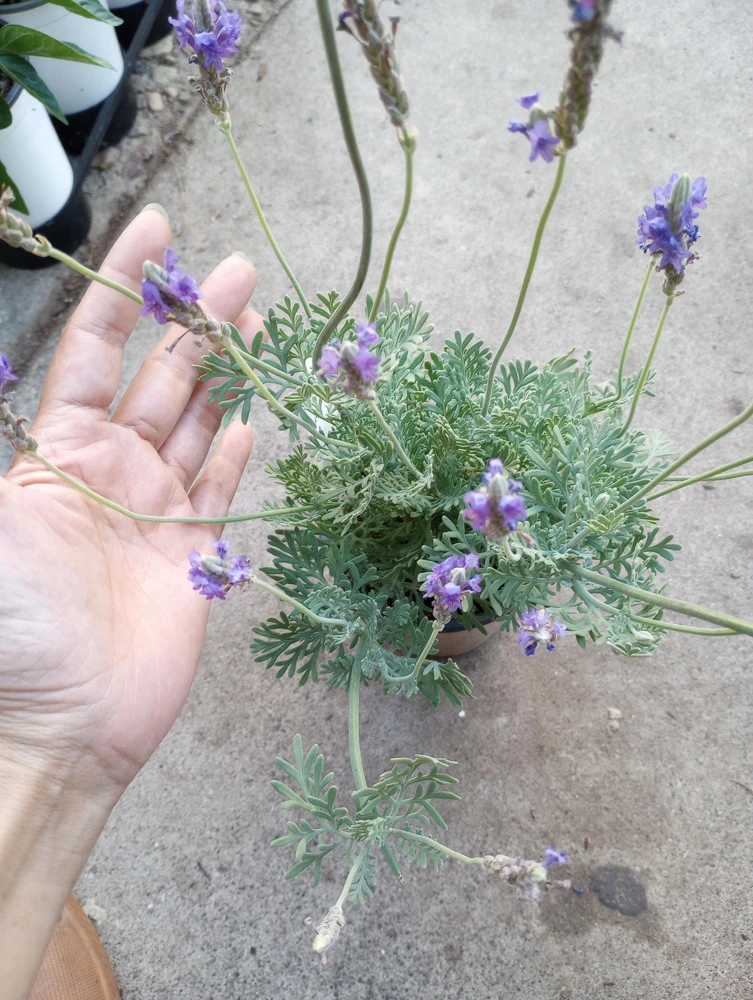
Fern Leaf Lavender Live Plant, 6 inch Pot – Fragrant Herb
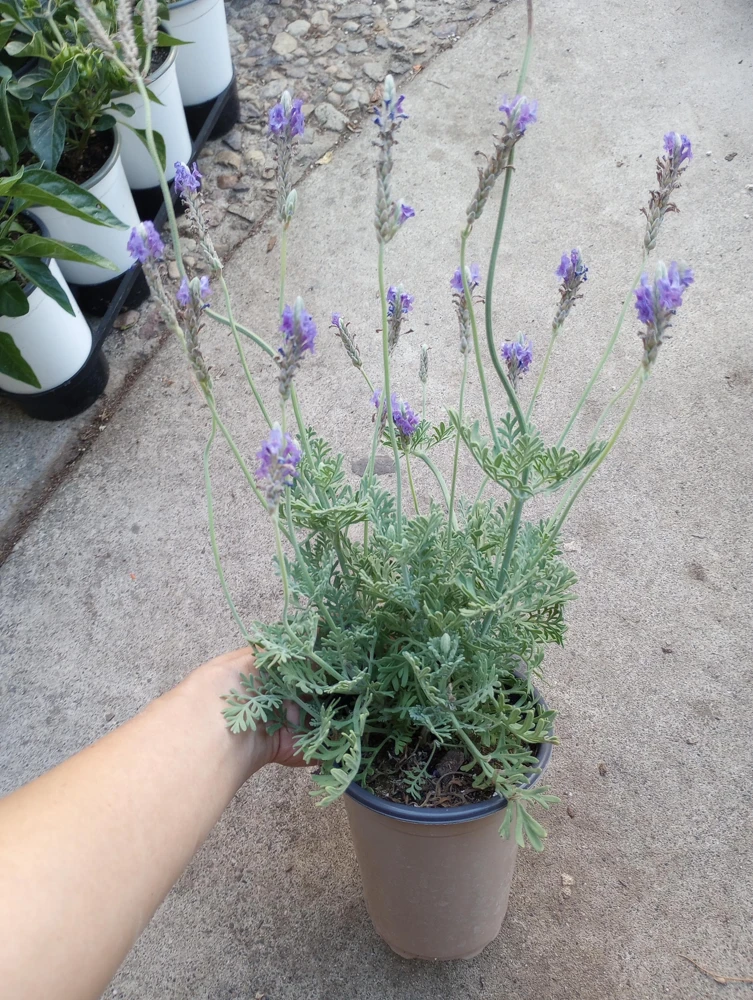
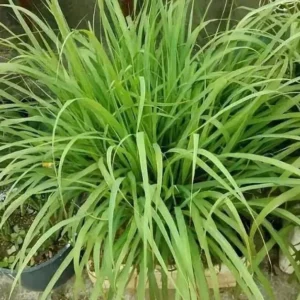
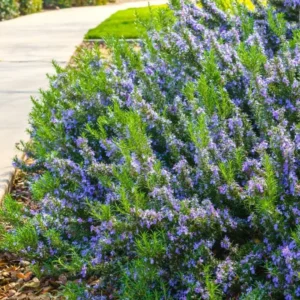
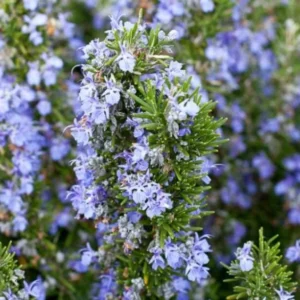
Enhance your garden or home with this beautiful fern leaf lavender live plant, presented in a 6 inch pot. Known for its delicate, fern-like foliage and fragrant purple blooms, it’s a delightful addition for both visual appeal and aromatic charm. Ideal for gardeners seeking a unique and aromatic herb.
$25.98

With our Alive & Thrive Guarantee, we’ve got your back for the first 30 days! If you have any concerns about your plants, just reach out to us. Our team is here to help answer your questions and guide you in selecting the best plants for your garden, climate, and unique preferences. We're excited to help you create the garden of your dreams!
Estimated arrival
Oct 08
Oct 13 - Oct 15
Oct 18 - Oct 22
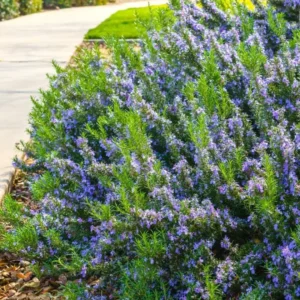
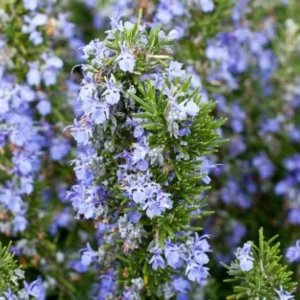
Product Details
-
USDA Hardiness Zone
USDA zones 8-10 -
Soil type
Well-draining sandy or loamy soil -
Sunlight Exposure
Full sun -
Expected Planting Period
Spring to early summer (outdoors), year-round indoors
Overview
Welcome the enchanting fern leaf lavender live plant into your collection. This unique variety, scientifically known as Lavandula multifida, stands out with its finely dissected, fern-like leaves, setting it apart from more common lavender types. Originating from the Mediterranean region, this particular lavender is cherished not only for its distinctive foliage but also for its wonderfully fragrant, deep purple flower spikes that bloom from spring through summer. Perfect for adding a touch of elegance and a delightful aroma to herb gardens, perennial borders, or decorative containers, this fern leaf lavender live plant thrives in sunny conditions and well-drained soil. It’s a superb choice for those looking to cultivate a plant that combines both ornamental beauty and a classic, soothing lavender scent.
Our fern leaf lavender live plant arrives ready to thrive in its 6 inch pot, providing a head start for gardeners of all experience levels. Its vigorous growth habit and attractive appearance make it a versatile plant for various landscape designs. Whether you’re an avid herb gardener or simply wish to enjoy the calming presence of lavender, this plant offers a rewarding growing experience with minimal fuss. Its aromatic qualities are well-known, making it a popular choice for sensory gardens and areas where its fragrance can be fully appreciated.
Key Benefits
The fern leaf lavender live plant offers a multitude of benefits, making it a highly desirable addition to any garden or indoor space. Its unique characteristics contribute to both aesthetic appeal and practical uses.
- Distinctive Foliage: Unlike other lavenders, fern leaf lavender boasts finely cut, fern-like leaves that provide a unique texture and visual interest, even when not in bloom. This delicate foliage adds an elegant touch to any planting arrangement.
- Aromatic Fragrance: Emitting a strong, sweet lavender scent, this plant is perfect for creating a fragrant garden space. The aroma is known for its calming and soothing properties, making it ideal for relaxation areas.
- Attractive Blooms: Produces beautiful, often deep purple flower spikes that attract pollinators like bees and butterflies, enhancing biodiversity in your garden and adding vibrant color throughout its long blooming season.
- Drought Tolerant: Once established, lavandula multifida is highly drought-tolerant, requiring less water than many other ornamental plants. This makes it an excellent choice for xeriscaping or water-wise gardens.
- Versatile Use: Can be grown in garden beds, rock gardens, containers, or as a fragrant border plant. Its compact size and attractive form make it suitable for various landscape designs, and it can even be brought indoors in cooler climates.
- Low Maintenance: Generally easy to care for, this lavender requires minimal pruning and is relatively pest and disease resistant, making it suitable for both experienced and novice gardeners.
- Culinary and Medicinal Potential: While primarily ornamental, some varieties of lavender, including fern leaf, can be used for culinary purposes (e.g., flavoring dishes, teas) and in traditional herbal remedies or potpourri. Ensure proper identification before use.
Plant Care & Growing Tips
Caring for your fern leaf lavender live plant is straightforward, ensuring a thriving and fragrant addition to your home or garden. Understanding its basic needs for sunlight, water, and soil will lead to robust growth and abundant blooms. This Mediterranean native prefers conditions that mimic its natural habitat.
Sunlight requirements: This plant thrives in full sun, meaning at least 6-8 hours of direct sunlight per day. For optimal flowering and the strongest fragrance, place your fern leaf lavender in the sunniest spot available, whether it’s in your garden or a bright, south-facing window indoors. Insufficient light can lead to leggy growth and fewer flowers. Watering schedule and soil moisture preferences: Lavender prefers well-drained soil and is highly susceptible to root rot if overwatered. Allow the soil to dry out completely between waterings. When watering, do so deeply, ensuring the water reaches the root zone. In dry climates or during hot spells, more frequent watering may be needed, but always check soil moisture first. For container plants, ensure the pot has drainage holes.
Soil type and drainage requirements: The ideal soil for growing fern leaf lavender is sandy, gravelly, or loamy, with a neutral to slightly alkaline pH. Excellent drainage is paramount. If your garden soil is heavy clay, amend it with sand or grit to improve drainage, or consider planting in raised beds or containers. Temperature range and USDA hardiness zone: Fern leaf lavender is generally hardy in USDA zones 8-10. It tolerates heat and dry conditions well but is not frost-hardy. In colder zones, it can be grown as an annual or brought indoors for the winter. Fertilization schedule and type: Lavender is not a heavy feeder. Fertilize sparingly, if at all, with a balanced, slow-release fertilizer in early spring. Avoid high-nitrogen fertilizers, which can promote leafy growth at the expense of flowers. Common problems and solutions: The most common issue is root rot from overwatering. Ensure good drainage and allow soil to dry. Pests are generally not a major problem due to the plant’s strong aroma, but watch for aphids or whiteflies and treat with insecticidal soap if necessary. Pruning after the first flush of flowers can encourage a second bloom and maintain a compact shape.
Size & Details
This fern leaf lavender live plant is currently provided in a 6 inch high pot, offering a substantial start for immediate garden impact or indoor display. At maturity, Lavandula multifida typically reaches a height of 18-24 inches (45-60 cm) and spreads similarly, forming a beautiful, mounded habit. Its growth rate is moderate, allowing it to establish well within its first growing season. You can expect this plant to begin flowering from late spring through summer, offering an extended period of fragrant blooms. It ships as a healthy, actively growing plant, ready to be transplanted into its final location or kept in its current container for a period.
The delicate, fern-like leaves are a key identification feature, providing year-round interest even when the plant is not in bloom. This plant is well-suited for container gardening, allowing it to be moved indoors during colder months in non-hardy zones, ensuring you can enjoy its beauty and aroma year-round. With proper care, your growing fern leaf lavender will provide years of enjoyment, becoming a focal point with its unique texture and intoxicating scent. It’s an excellent choice for adding structure and fragrance to herb beds, perennial borders, or as a standalone specimen.
Frequently Asked Questions
- Q: How big does this plant get? A: The fern leaf lavender live plant typically grows to about 18-24 inches (45-60 cm) in both height and width when mature, forming a lovely mounded shape. Its size can be managed with light pruning.
- Q: What size pot does it come in? A: This plant is delivered in a 6 inch high pot, providing a good root system and a healthy start for your new plant. You can choose to keep it in this pot or transplant it.
- Q: Is this an indoor or outdoor plant? A: While primarily an outdoor plant, especially in USDA zones 8-10, it can be grown indoors in a bright, sunny location. It’s often brought indoors in colder climates during winter months to protect it from frost.
- Q: How much sunlight does it need? A: Fern leaf lavender requires full sun, meaning at least 6 to 8 hours of direct sunlight daily, to produce the best blooms and strongest fragrance. Bright, indirect light is not sufficient for optimal growth.
- Q: Is this plant easy to care for? A: Yes, fern leaf lavender is considered relatively easy to care for. It’s drought-tolerant once established and requires well-draining soil and plenty of sun, making it a low-maintenance choice for many gardeners.
- Q: What condition will it arrive in? A: Your plant will arrive as a healthy, actively growing specimen in its 6 inch pot, carefully packaged to ensure its safe journey. It will be ready for you to place in your garden or a larger container.
- Q: Can I use fern leaf lavender in cooking? A: While some lavender varieties are culinary, the primary use of lavandula multifida is ornamental and for its fragrance. Always ensure proper identification and research before consuming any plant.
- Q: When is the best time to plant fern leaf lavender? A: The best time to plant is in spring after the last frost, allowing the plant ample time to establish before summer heat. If growing indoors, planting can occur year-round.
- Q: What’s the minimum temperature this plant can tolerate? A: As a tender perennial, fern leaf lavender generally cannot tolerate temperatures below 20-25°F (-6 to -4°C). In colder regions, it should be protected or brought indoors.
- Q: What are the main fern leaf lavender benefits? A: The main benefits include its unique fern-like foliage, strong aromatic fragrance, beautiful purple flowers, drought tolerance, and relatively low maintenance requirements, making it a versatile and attractive plant.
Related products
-10%
Original price was: $75.00.$67.50Current price is: $67.50.
-30%
Original price was: $67.98.$47.58Current price is: $47.58.
-20%
Original price was: $35.00.$28.00Current price is: $28.00.
-30%
Original price was: $57.98.$40.58Current price is: $40.58.
-30%
Original price was: $59.98.$41.98Current price is: $41.98.
-50%
Original price was: $59.96.$29.98Current price is: $29.98.
-67%
From Original price was: $35.22.$11.74Current price is: $11.74.
-30%
Original price was: $59.98.$41.98Current price is: $41.98.
PLANTING & CARE
Lemon Tree Growing: Choose, Plant, and Harvest
Learn how to choose, plant, feed, and protect a lemon tree so it fits your
23
Sep
Sep
Dwarf Meyer Lemon Tree Australia: Climate Guide
Learn where dwarf Meyer lemon trees grow, how much cold they tolerate, and whether Australia,
Where to Buy a Dwarf Meyer Lemon Tree: Buyer’s Guide
Find the right dwarf Meyer lemon tree online or locally, compare starter sizes and costs,
Dwarf Meyer Lemon Tree for Sale: Buying Guide
Compare Meyer lemon tree sizes, prices, shipping limits, indoor growing and California options before you
Dwarf Meyer Lemon Tree Guide: Size, Care and Fruit
META: Learn how large a dwarf Meyer lemon tree grows, where it thrives, and how
How to Prune a Dwarf Meyer Lemon Tree
Learn when and how to prune a dwarf Meyer lemon tree, including tools, shaping cuts,
Can You Grow a Dwarf Meyer Lemon Tree in a Pot?
META: Learn how to grow a dwarf Meyer lemon tree in a pot, including container
When Do Dwarf Meyer Lemon Trees Bloom and Fruit?
META: Dwarf Meyer lemon trees usually bloom from winter through spring and may flower again