Ficus Benjamina Variegated Live Plant – 8 inch Pot – Indoor Houseplant
-50%
Ficus Benjamina Variegated Live Plant – 8 inch Pot – Indoor Houseplant
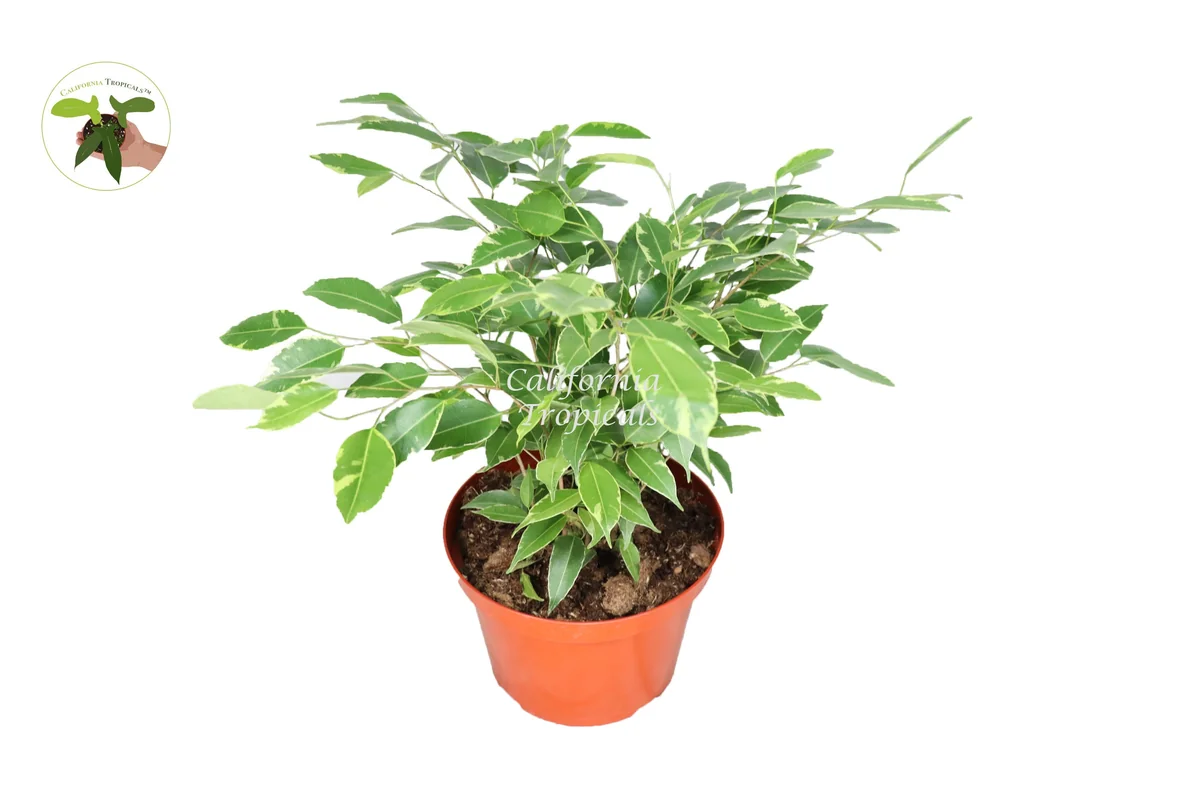
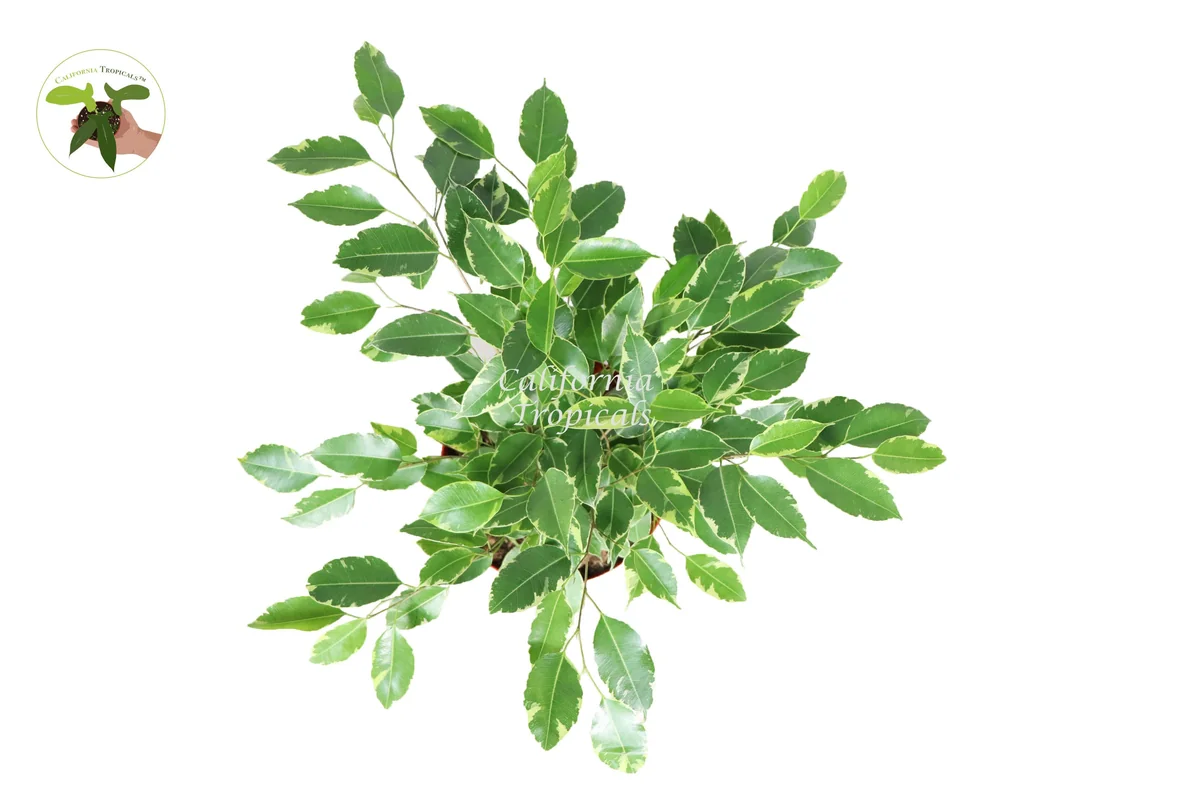
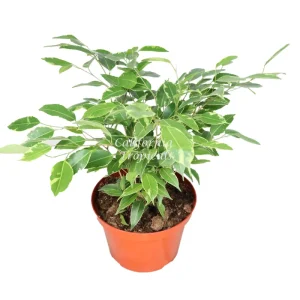
Introduce elegance to your home with the stunning ficus benjamina variegated live plant. This 8-inch potted indoor tree features beautiful green and cream foliage, perfect for brightening any room. Known for its graceful weeping form and air-purifying qualities, it’s an ideal choice for both seasoned plant enthusiasts and beginners.
Original price was: $143.96.$71.98Current price is: $71.98.

With our Alive & Thrive Guarantee, we’ve got your back for the first 30 days! If you have any concerns about your plants, just reach out to us. Our team is here to help answer your questions and guide you in selecting the best plants for your garden, climate, and unique preferences. We're excited to help you create the garden of your dreams!
Estimated arrival
Apr 01
Apr 06 - Apr 08
Apr 11 - Apr 15
Product Details
-
USDA Hardiness Zone
USDA zones 10-11 (grown indoors in most climates) -
Soil type
Well-draining potting mix -
Sunlight Exposure
Bright indirect light -
Expected Planting Period
Year-round indoors
Overview
Discover the captivating beauty of the ficus benjamina variegated, a popular and elegant indoor plant known for its striking foliage. This live plant, arriving in an 8-inch pot, is often referred to as the weeping fig or simply ficus tree, and it adds a touch of sophisticated greenery to any interior space. Its leaves showcase a beautiful blend of deep green and creamy white, creating a vibrant, eye-catching display. The Ficus Benjamina, with its gracefully arching branches, is not only a decorative asset but also contributes to a healthier indoor environment by purifying the air. A well-cared-for variegated ficus tree can become a magnificent focal point in your home or office, providing a lush, tropical feel.
Originating from tropical and subtropical regions, the Ficus Benjamina thrives indoors with proper care, adapting well to container living. The variegated form offers an extra layer of visual interest compared to its all-green counterparts. This particular weeping fig indoor plant is delivered as a healthy, established specimen, ready to be placed and enjoyed in your living space. Its unique appearance and relatively straightforward care make it a favored choice among plant lovers seeking a statement piece.
Key Benefits
Bringing a ficus benjamina variegated into your home offers numerous advantages beyond its aesthetic appeal. This plant is a fantastic addition for those looking to enhance their living environment with natural beauty and practical benefits.
- Stunning Visual Appeal: The distinctive green and cream variegation of the leaves provides a sophisticated and vibrant look, making it a natural centerpiece in any room. Its elegant weeping habit adds a touch of grace and softness to interior decor.
- Air Purification: Like many houseplants, the ficus benjamina variegated is known for its ability to filter airborne toxins, helping to improve indoor air quality and create a healthier atmosphere in your home or office.
- Stress Reduction: Studies suggest that having plants indoors can reduce stress levels and improve overall well-being. The calming presence of a beautiful green plant like the weeping fig can create a more serene and peaceful environment.
- Versatile Decor: Its classic form and attractive foliage make it suitable for a variety of interior design styles, from modern minimalist to traditional. An 8-inch potted plant is a good size for floor placement or a large tabletop.
- Long-Lived Companion: With proper ficus benjamina care, this plant can thrive for many years, growing into a substantial and impressive indoor tree, offering lasting beauty and enjoyment.
- Promotes Humidity: As a tropical plant, it releases moisture into the air, which can slightly increase humidity levels, beneficial in dry indoor environments, especially during winter months.
- Easy to Maintain: Once established in a suitable environment, the ficus plant care requirements are relatively simple, making it a rewarding plant for those with busy lifestyles.
Plant Care & Growing Tips
Successful ficus benjamina care involves understanding its basic needs to ensure it thrives in your home. The variegated form, while beautiful, can sometimes be a little more sensitive to environmental changes than its all-green relatives, so consistent care is key. This ficus benjamina variegated prefers bright, indirect light. Avoid direct, harsh sunlight which can scorch its delicate leaves, especially the variegated parts. A spot near an east or north-facing window is often ideal, or a few feet back from a south or west-facing window. Insufficient light can lead to leggy growth and loss of lower leaves.
Watering should be done thoroughly when the top inch or two of the soil feels dry to the touch. Ensure proper drainage to prevent root rot, as the weeping fig does not like to sit in soggy soil. Reduce watering during the cooler, darker winter months. Humidity is also important for this tropical plant; consider misting regularly or placing it near a humidifier, especially in dry climates. The ideal temperature range for a weeping fig indoor plant is between 65-80°F (18-27°C). Protect it from cold drafts and sudden temperature fluctuations, which can cause leaf drop.
For optimal growth, use a well-draining potting mix. Fertilize your variegated ficus tree every 2-4 weeks during the growing season (spring and summer) with a balanced liquid fertilizer diluted to half strength. Reduce or stop fertilizing in fall and winter. Pruning can be done to maintain shape and size, and to encourage bushier growth. Watch out for common pests like spider mites and mealybugs; inspect your plant regularly and treat promptly if any are found. Consistent ficus plant care will ensure your variegated ficus remains a lush and healthy addition to your home.
Size & Details
This offering is for one healthy ficus benjamina variegated live plant, which arrives in an 8-inch nursery pot. The plant’s height typically ranges from 24 to 36 inches from the base of the pot to the top of the foliage upon arrival, though individual plant sizes may vary slightly. The weeping fig is known for its moderate to fast growth rate under ideal conditions, potentially reaching heights of 6 to 10 feet indoors over many years with proper care and pruning. It prefers to be slightly root-bound, so repotting is generally only needed every 2-3 years, or when roots begin to emerge from the drainage holes.
The plant will be shipped in its original nursery pot with soil, ensuring minimal shock during transit and allowing for a smooth transition into your home. Its elegant, upright growth habit makes it suitable for placement in corners, next to furniture, or as a standalone floor plant. Expect the distinctive green and cream leaves to provide year-round color. This variegated ficus tree is a robust choice for anyone seeking a substantial and attractive indoor tree.
Frequently Asked Questions
- Q: How big does this plant get? A: The ficus benjamina variegated typically arrives in an 8-inch pot with a height of 24-36 inches. Indoors, with proper ficus benjamina care, it can grow to heights of 6 to 10 feet over several years, making it a significant statement piece.
- Q: Is this an indoor or outdoor plant? A: This is primarily an indoor plant, especially in most US climates. It thrives as a weeping fig indoor plant, preferring stable indoor temperatures. It can be moved outdoors in warm, humid conditions during summer but must be brought inside before temperatures drop.
- Q: How much sunlight does it need? A: A ficus benjamina variegated requires bright, indirect light for at least 6 hours a day. Direct afternoon sun can burn its leaves, especially the variegated parts. An east or north-facing window is ideal.
- Q: Is this plant easy to care for? A: While not difficult, it does require consistent ficus plant care and can be sensitive to sudden changes in environment, which might lead to leaf drop. Once established, its care is relatively straightforward, making it suitable for intermediate plant owners.
- Q: What condition will it arrive in? A: Your ficus benjamina variegated live plant will be shipped in its 8-inch nursery pot with soil, carefully packaged to minimize stress and ensure it arrives healthy and ready to thrive in your home.
- Q: How often should I water my variegated ficus tree? A: Water thoroughly when the top 1-2 inches of soil feel dry to the touch. Ensure good drainage and avoid overwatering, as this can lead to root rot. Reduce watering frequency in cooler months.
- Q: Is the variegated ficus tree pet-safe? A: No, the ficus benjamina variegated is considered toxic to pets if ingested, as its sap can cause irritation. It’s best to keep this plant out of reach of curious pets.
- Q: What kind of soil is best for a weeping fig indoor plant? A: A well-draining, peat-based potting mix is ideal for the weeping fig indoor plant. Good drainage is crucial to prevent waterlogging and root issues.
- Q: Why are the leaves on my ficus benjamina variegated falling off? A: Leaf drop is a common reaction for a ficus benjamina variegated to environmental stress, such as changes in light, temperature, watering, or being moved. Ensure consistent conditions and avoid drafts.
- Q: When is the best time to fertilize my ficus? A: Fertilize your ficus benjamina variegated every 2-4 weeks during its active growing season (spring and summer) with a balanced liquid fertilizer. Reduce or stop fertilization during fall and winter.
Related products
-35%
Original price was: $29.80.$19.36Current price is: $19.36.
-35%

Original price was: $37.24.$24.20Current price is: $24.20.

-5%


Original price was: $91.98.$87.38Current price is: $87.38.

-30%
Original price was: $129.98.$90.98Current price is: $90.98.
PLANTING & CARE

Growing Glencoe Raspberry: A Complete Guide for Gardeners
If you’re looking to add something unique to your garden, look no further than the
31
Mar
Mar

The Comprehensive Guide to Growing Bay Leaf Plants for a Flavorful Garden
Imagine stepping into your garden, greeted by the earthy aroma of fresh bay leaves, their
09
Feb
Feb

How to Make Comfrey Tea: The Ultimate Organic Plant Food
Growing an organic garden can be surprisingly expensive, especially when most store-bought fertilizers come in
02
Feb
Feb

True Comfrey: 7 Essential Tips Before You Plant This Herb
A staple in permaculture practices across the US, True Comfrey easily earns its reputation as
27
Jan
Jan

7 Heart-Shaped Plants for a Lasting Valentine’s Gift
If you’ve ever bought a bouquet of roses for Valentine’s Day, you know they are
26
Jan
Jan

Best Types of Ivy Plant for Houses: How to Choose the Perfect Ones for Your Home
Are you a garden lover looking to introduce some greenery into your home? Maybe you’ve
14
Nov
Nov

When to Harvest Garlic (Especially Fall-Planted Garlic)
TIMING IS EVERYTHING, they say – and for garlic, that truth hits with surprising accuracy.
13
Nov
Nov

11 of the Best Sweet Potato Varieties to Grow for Your Garden
If you’ve ever tried growing sweet potatoes, you know that picking the right variety can
12
Nov
Nov